Unlocking the Secret to Bigger Tomatoes: How to Use Eggshells on Your Plants
Saving eggshells might seem like a small act, but it’s a surprisingly effective way to boost your tomato harvest and create a healthier garden. Forget expensive fertilizers and complicated routines – this simple technique leverages the incredible nutritional value packed within those discarded shells. From preventing frustrating blossom end rot to improving soil structure and deterring pests, eggshells offer a natural, sustainable solution for tomato growers of all levels. Let’s delve into the science behind this age-old practice and discover how to harness the power of eggshells for a truly bountiful tomato season.
The Nutritional Powerhouse Within Eggshells
Most people simply toss eggshells into the trash, unaware of the wealth of minerals they contain. Eggshells aren’t just calcium; they’re a complex matrix of essential nutrients vital for plant growth. The primary component, calcium carbonate, is incredibly beneficial for tomatoes. But it’s not just about calcium. Eggshells also boast significant amounts of phosphorus and potassium – macronutrients that tomatoes absolutely crave. These three elements work synergistically, contributing to strong root development, robust foliage, and, most importantly, plump, juicy fruit. Researchers at the University of California, Davis, have actually quantified the nutrient content, finding that a single eggshell can provide over 150mg of calcium, along with measurable levels of phosphorus and potassium – far more than many commercially available fertilizers.
Eggshells and Blossom End Rot: A Natural Defense
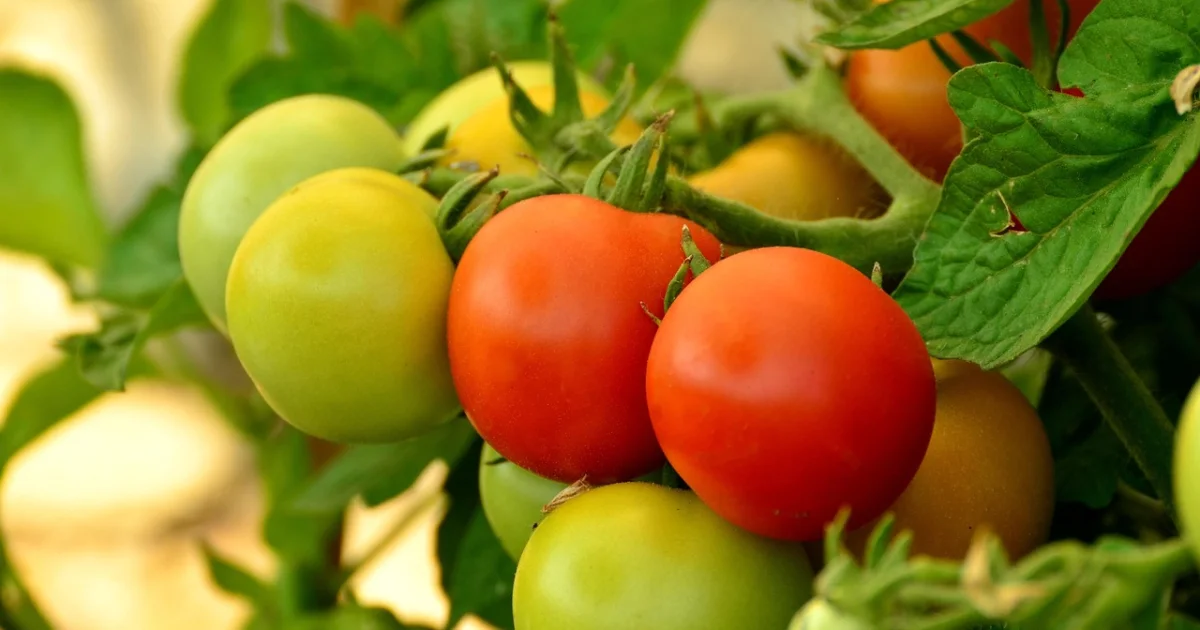
Blossom end rot is a heartbreaking problem for tomato growers – a dark, sunken lesion that appears on the bottom of the fruit, rendering it unusable. While several factors contribute to this disease, calcium deficiency is a major culprit. The simple fact is, tomatoes need a consistent supply of calcium to properly develop their cell walls. When calcium uptake is disrupted, the blossom end begins to decay. This is where eggshells truly shine. The calcium they provide directly addresses this deficiency, strengthening the fruit’s structure and preventing blossom end rot from taking hold. It’s important to note that while adding eggshells helps, it’s not a magic bullet. Ensuring consistent watering, especially during dry periods, is also crucial for adequate calcium uptake. A soil test can accurately identify any deficiencies, and supplementing with a calcium-rich fertilizer alongside eggshells can provide an extra boost, especially in soils with naturally low calcium levels. The pH of your soil plays a role too; slightly acidic soil can hinder calcium availability, so maintaining a slightly alkaline pH around 6.0-6.8 is ideal.
Beyond Calcium: Other Benefits of Eggshells for Tomatoes
The benefits of using eggshells extend far beyond just preventing blossom end rot. They contribute to overall plant health in a number of ways. First, grinding eggshells and incorporating them into the soil improves soil structure, loosening compacted clay soils and creating better drainage. This is particularly beneficial for raised beds and containers. Secondly, the porous nature of eggshells helps retain moisture in the soil, reducing the need for frequent watering. And thirdly, eggshells have a surprising effect on slugs and snails. The sharp edges and abrasive texture of crushed eggshells deter these pests from crawling onto your tomato plants, protecting your precious foliage. Studies have shown that eggshell mulch can significantly reduce slug populations in a garden, offering a natural alternative to chemical pesticides. Furthermore, eggshells can slightly reduce soil acidity, which many vegetables, including tomatoes, thrive in.
Preparing Eggshells for Optimal Tomato Plant Benefit
Simply throwing crushed eggshells onto the soil isn’t enough to unlock their full potential. Proper preparation is key. Here’s a step-by-step guide to transforming eggshells into a valuable resource for your tomato plants:
Step 1: Cleaning and Drying
Start with clean, unpainted eggshells. Rinse them thoroughly under cool water to remove any egg residue. While you can skip this step, it’s highly recommended, as residual egg white can decompose and create an unpleasant odor. Allow the shells to dry completely – ideally, spread them out on a tray in a well-ventilated area for a day or two. Dry shells are less prone to attracting pests and are easier to grind.
Step 2: Crushing or Grinding
This is arguably the most important step. You need to break down the shells into a fine powder to ensure that the nutrients are readily available to the tomato plants’ roots. A powerful blender or food processor works best. Pulse the shells in short bursts to avoid overheating the motor. Alternatively, you can use a mortar and pestle for a more traditional approach. The finer the powder, the better. Aim for a consistency similar to flour.
Step 3: Incorporating into Planting or Soil Amendment
There are several ways to incorporate the eggshell powder into your tomato growing routine:
You may also enjoy reading: 11 Surprising Ways Gardeners Are Using Aluminum Foil in Their Gardens.
- Planting Holes (Transplants): When transplanting seedlings, mix a tablespoon or two of eggshell powder into the soil in each planting hole.
- Compost Addition: Add the powder to your compost pile. It will break down gradually, adding nutrients to the compost and enriching the soil when it’s used.
- Top Dressing: Sprinkle a thin layer of eggshell powder around the base of the plants, gently working it into the soil with a trowel.
- Fill-In Soil: For raised beds or containers, mix a portion of eggshell powder into the fill-in soil to improve its texture and nutrient content.
Dosage and Frequency: Finding the Right Balance
While eggshells are beneficial, it’s important not to overdo it. Adding too much eggshell powder can actually inhibit plant growth by creating a calcium imbalance in the soil. A general guideline is to use about 1-2 cups of eggshell powder per mature tomato plant, applied every 4-6 weeks throughout the growing season. Observe your plants closely for any signs of nutrient deficiency or imbalance. If you notice yellowing leaves or stunted growth, reduce the amount of eggshells you’re using. The goal is to supplement, not overwhelm, the plant with calcium.
Addressing Potential Downsides: Eggshell Powder and Soil pH
One potential concern with using eggshell powder is its slight acidity. When eggshells decompose, they can release small amounts of acetic acid, which can slightly lower the soil pH. While this effect is usually minimal, it’s important to be aware of it, especially if you’re growing tomatoes in already acidic soil. Regularly monitoring your soil pH with a testing kit – like the Rapidtest Soil Test Kit mentioned earlier – is a good practice. If your soil pH is consistently too low, you may need to add lime to raise it back to the optimal range of 6.0-6.8. However, for most gardeners, the slight acidity of eggshell powder is unlikely to be a significant issue.
Eggshells vs. Other Tomato Fertilizers: A Comparative Look
While eggshells offer a natural and cost-effective way to supplement your tomato plants’ nutrient needs, they shouldn’t be considered a complete replacement for commercial fertilizers. Tomato plants are heavy feeders and require a balanced supply of nitrogen, phosphorus, and potassium, as well as micronutrients. A balanced fertilizer formulated for tomatoes – one with a balanced NPK ratio – will provide these essential nutrients in readily available forms. Eggshells primarily offer calcium, which is crucial for preventing blossom end rot. Using eggshells in conjunction with a balanced fertilizer creates a synergistic effect, ensuring that your tomato plants receive the nutrients they need to thrive. Consider adding bone meal for phosphorus and blood meal for nitrogen to complement the calcium provided by eggshells. The key is to understand the nutritional needs of your plants and to tailor your fertilization strategy accordingly.
Beyond the Basics: Creative Uses for Eggshells
The versatility of eggshells extends beyond just tomato plants. Here are a few other creative ways to utilize these discarded shells:
- Seed Starters: Add a thin layer of crushed eggshell to the bottom of seed starting trays to improve drainage.
- Compost Activator: Eggshells break down quickly in compost, accelerating the decomposition process.
- Pest Deterrent: Sprinkle crushed eggshells around vulnerable plants to deter slugs, snails, and other pests.
- Garden Markers: Use eggshells to create rustic garden markers – simply write plant names on them with a permanent marker.
Conclusion: A Simple Step for a Bountiful Harvest
Using eggshells on your tomato plants is a remarkably simple and effective way to enhance their health, prevent blossom end rot, and ultimately increase your yield. It’s a sustainable practice that aligns with eco-friendly gardening principles and delivers tangible results. By following the steps outlined above – from cleaning and drying the shells to incorporating them into the soil – you can unlock the nutritional power within these often-discarded resources and cultivate a thriving tomato garden. So, the next time you finish an egg, remember that those shells aren’t just trash – they’re a valuable asset to your garden’s success.