Beyond the Tourist Trail: Eleven Unconventional Family Travel Rules
The thrill of exploring new destinations with your family is undeniably powerful, a chance to create memories that last a lifetime. However, the reality of traveling with children can quickly shift from idyllic daydream to logistical challenge. After years of crisscrossing the globe with my daughter, from cozy weekend getaways to extended international adventures – including a recent, breathtaking trip to French Polynesia – I’ve developed a set of “rules” that go far beyond the typical packing lists and itinerary planning. These aren’t about maximizing efficiency; they’re about minimizing stress, fostering connection, and ensuring that the joy of travel outweighs the inevitable chaos. These eleven unconventional travel rules have become our family’s compass, guiding us toward richer, more meaningful experiences. They’re not revolutionary, but they’ve dramatically shifted our approach to family travel, transforming what could have been stressful transitions into seamless adventures. Let’s dive in.
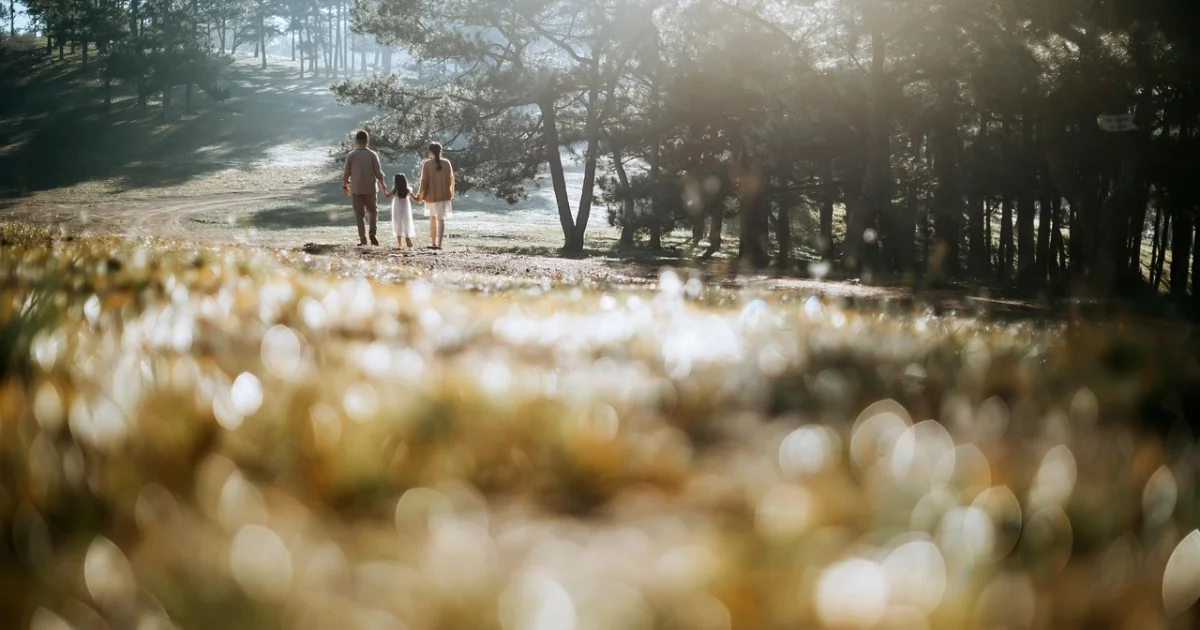
Family travel rules aren’t about rigid structures; they’re about establishing a framework that supports the unique needs of your family. It’s about recognizing that a child’s happiness and well-being are paramount, and that sometimes, the best adventures are the ones that prioritize connection and flexibility over meticulously planned schedules. I’ve found that embracing these simple guidelines significantly reduces travel-related anxieties and allows us to truly savor each moment.
1. No Homework During the Trip
This rule initially felt almost…counterintuitive. As a parent, the instinct is to ensure that children are still learning and engaged, especially after a period of missed schoolwork. However, the reality is that the stress of trying to complete assignments while simultaneously navigating unfamiliar environments, battling jet lag, and contending with a restless child can be incredibly detrimental. It’s a recipe for frustration and a significant drain on everyone’s energy. Prioritizing relaxation and exploration during a trip is crucial. Before I take my daughter out of school for a trip, I always email her teacher well in advance, notifying her about the future absence, noting that we do not plan to do any homework on the trip. Not once has one of her teachers balked. I don’t want to waste their time gathering a bunch of assignments or reading, and I don’t want to do it while I’m trying to relax on the beach! The key is to establish clear expectations with the school beforehand and to focus on creating enriching experiences that complement, rather than compete with, the learning process. We often find that the memories and experiences gained during a trip are far more valuable than any completed assignment.
2. We All Have to Learn Key Phrases
There is truly nothing worse than showing up in a new country, and you don’t understand anything in their native language, but you expect them to understand English. The wild thing is that most people from other countries, especially those with high tourism, do speak some English. And there we’re over here with zero to speak back. Going forward, if we’re heading somewhere where English isn’t the primary language, we’re learning key phrases before we show up. It’s not just about politeness; it’s about fostering a sense of connection and respect for the local culture. A simple “hello,” “thank you,” and “please” can go a long way in building rapport and creating positive interactions. We use language learning apps like Duolingo and Memrise to familiarize ourselves with basic phrases, and we even try to learn a few sentences related to our planned activities – ordering food, asking for directions, etc. It’s a small investment of time that yields significant dividends in terms of confidence and cultural immersion. Beyond the practical benefits, it’s a valuable lesson for children, demonstrating the importance of embracing linguistic diversity and stepping outside of one’s comfort zone.
3. Booking a Private Car Service for the Way Home from the Airport
After so many trips to and from the airport, I now know in my heart of hearts that I do not want to have to wait for a ride at the airport after a long trip. I don’t want to lug all the luggage and my kid to the ride-share area of the airport. I also don’t want to be stuck in the back seat of my father-in-law’s car as he drives half the speed limit home. I want a professional driver with a nice car to come pick us up curbside. For the past few trips, I’ve booked a car through Blacklane, and it’s changed my life. They’re always on time with great communication, and I never have to worry about anything. I just get to shut my eyes and let someone else take us home. It’s a luxury, certainly, but one that’s well worth the cost when you’re traveling with children. The peace of mind it provides, knowing that a reliable and comfortable ride is waiting for you, is invaluable. The stress of navigating unfamiliar airport terminals, juggling luggage, and wrangling tired children is eliminated, allowing you to relax and recharge after a long journey. It’s a small detail, but it makes a world of difference.
4. We Don’t Schedule Trips Around School Breaks
If it makes sense in our calendar, we’re booking the flight. My husband works weekends, so traveling during the week actually works a lot better for us. Prices go up during school breaks because airlines and lodging facilities know demand is going to skyrocket. In fact, we usually avoid going anywhere during school breaks because of crowds and cost. The allure of a seemingly cheaper vacation during a school break can quickly evaporate when you’re confronted with packed airports, crowded attractions, and inflated prices. We’ve learned that traveling during the off-season, even if it means slightly fewer daylight hours or a slightly cooler climate, is often a better value and a more enjoyable experience. It’s about prioritizing quality over quantity – focusing on creating meaningful experiences rather than simply ticking off a list of tourist destinations. We’ve found that a less crowded destination can offer a more authentic and immersive experience, allowing us to connect with the local culture and avoid the overwhelming chaos of peak season.
5. We Book Red-Eye Flights
Listen, you might not sleep in economy, but your kids will! On a recent trip, my daughter slept most of the time. Plus, an 8-hour flight feels ten times shorter when your kid is not asking you for snacks constantly. It’s also a great way to avoid an entire day dedicated to travel. Also, I prefer the quiet of the airport at night as opposed to the loud rush of the morning. Red-eye flights are a game-changer for families with young children. They allow you to bypass the busiest hours of the day, minimizing stress and maximizing sleep. My daughter, typically a whirlwind of energy, is surprisingly content to sleep through a large portion of the flight, leaving us with more time to relax and recharge. It’s a strategic move that can significantly improve the overall travel experience, particularly for those with little ones who struggle to adjust to new time zones. Plus, the early arrival at our destination means we can hit the ground running and start enjoying our vacation without the added pressure of battling crowds and rushing to catch up.
6. We Read Every Single Night Before Bed
Now, I know I said we don’t do school work while we’re on trips, but best believe we’re all reading. As a bookworm, I’m getting in a good slice of reading anywhere I can, but especially at night, I’m reading with my daughter before bed. Not only do we stick to this because I want to keep her mind fresh, but it’s great to keep at least something from our bedtime routine from home. Maintaining a sense of normalcy during travel is important for children, and reading before bed is a simple yet powerful way to recreate a familiar ritual. It’s a calming and comforting activity that helps them relax and transition into a peaceful night’s sleep. It also provides an opportunity for connection and bonding, as we share stories and discuss the books we’re reading. And let’s be honest, it’s a welcome distraction from the chaos of travel!
7. Everyone Packs Their Own Bags
Giving my daughter the responsibility of packing her own bag was initially met with some resistance – she’s a fairly particular child when it comes to her belongings. However, I quickly realized that it was a valuable learning experience and a significant time-saver. Everyone packs their own bags. I give her a list of essentials – clothes, toiletries, books – and let her choose what else she wants to bring. It’s empowering for her, and it reduces the amount of time I spend packing and unpacking. It also teaches her valuable organizational skills and fosters a sense of independence. Plus, it eliminates the inevitable arguments about who’s bringing what – a common source of stress during family travel. It’s about trusting her judgment and allowing her to take ownership of her belongings, creating a smoother and more enjoyable travel experience for everyone.
You may also enjoy reading: Mother Mary: 7 Essential Details About the Soundtrack and Streaming Release Date.
8. Utilizing a Travel Agent
I understand the appeal of booking everything yourself – scouring the internet for deals, comparing prices, and customizing your itinerary to your exact specifications. However, for families with young children, utilizing a travel agent can be an invaluable investment. A good travel agent doesn’t just book flights and hotels; they take the time to understand your family’s needs and preferences, and they can handle all the logistics – from securing connecting flights to arranging airport transfers to recommending family-friendly activities. I’ve worked with a travel agent for years, and they’ve consistently saved us time, money, and stress. They’ve navigated complex travel regulations, found hidden gems we wouldn’t have discovered on our own, and provided a level of support that’s simply impossible to replicate when booking online. They’re like having a personal travel concierge, dedicated to ensuring that your family’s trip runs smoothly from start to finish.
9. Embrace the “Slow Travel” Approach
We’ve moved away from the notion of cramming as much as possible into a single trip. Embrace the “slow travel” approach. Instead of rushing from one destination to the next, we now prioritize spending more time in fewer places. This allows us to truly immerse ourselves in the local culture, connect with the community, and create more meaningful memories. It’s about savoring the journey, not just the destination. We’ve found that spending a week or two in one location allows us to explore at a more relaxed pace, discover hidden gems, and build deeper connections with the people we meet. It’s a shift in mindset that has transformed our family travel experiences, turning them from frantic sightseeing tours into immersive cultural explorations.
10. Prioritize Downtime and Flexibility
This is perhaps the most important rule of all. Family travel can be exhausting, and it’s essential to build in plenty of downtime and flexibility. Don’t overschedule your itinerary – leave room for spontaneous adventures, unexpected detours, and simply relaxing by the pool or exploring a local park. Be prepared to adjust your plans based on your children’s needs and interests. If they’re tired or overwhelmed, don’t force them to continue with the itinerary. It’s okay to take a break, change course, or even abandon a planned activity altogether. The goal is to create a positive and enjoyable travel experience for everyone, not to check off a list of tourist attractions. Flexibility is key to navigating the unpredictable nature of family travel and ensuring that everyone has a good time.
11. Document the Journey – Beyond the Instagram Photos
We’ve moved beyond simply snapping pretty pictures for Instagram. While capturing memories is important, truly documenting our family travels involves more than just visual snapshots. We keep a travel journal, where my daughter writes about her experiences, draws pictures, and shares her thoughts and feelings. We also collect small souvenirs – a pressed flower, a smooth stone, a ticket stub – that serve as tangible reminders of our adventures. These physical mementos provide a richer and more meaningful record of our travels than any number of Instagram posts ever could. It’s a way of preserving the memories for years to come and creating a shared narrative of our family’s journey together. And, honestly, sometimes it’s just nice to sit down together and look back at our adventures, reminiscing about the good times and sharing popular memories.
These eleven unconventional travel rules have transformed our family’s approach to travel, shifting the focus from frantic sightseeing to meaningful connections and unforgettable memories. By prioritizing flexibility, embracing spontaneity, and respecting the needs of our children, we’ve created a travel experience that’s both enriching and enjoyable for everyone. So, the next time you’re planning a family adventure, consider implementing a few of these rules – you might be surprised at the positive impact they have on your trip.