Do you like the look of a vase on a table in your home filled with tall forced flowering branches? Don’t have any to bring in from your yard? These pretty branches can be made in less than an hour and will look like the real thing with only one difference… no watering needed. When I decorate my living room console table, I need to go big, so that whatever I place on it looks in harmony with the oversize Roman numeral clock I made that is hanging on the wall. Small items end up looking like clutter. It didn’t cost me a thing to create as I had everything I needed. I like how the color purple looks in this room against the wood paneled walls and the white sofa. It is my White and Woodsy – Spring Edition. Instead of using moss as the filler for the planter, I used black river rocks. They give the flowering branches a modern vibe. I have white river rocks also, but I will save them for summer. This project is surprisingly adaptable to different flower types and styles, and you can create a dramatic centerpiece or a subtle accent piece – the possibilities are truly endless.
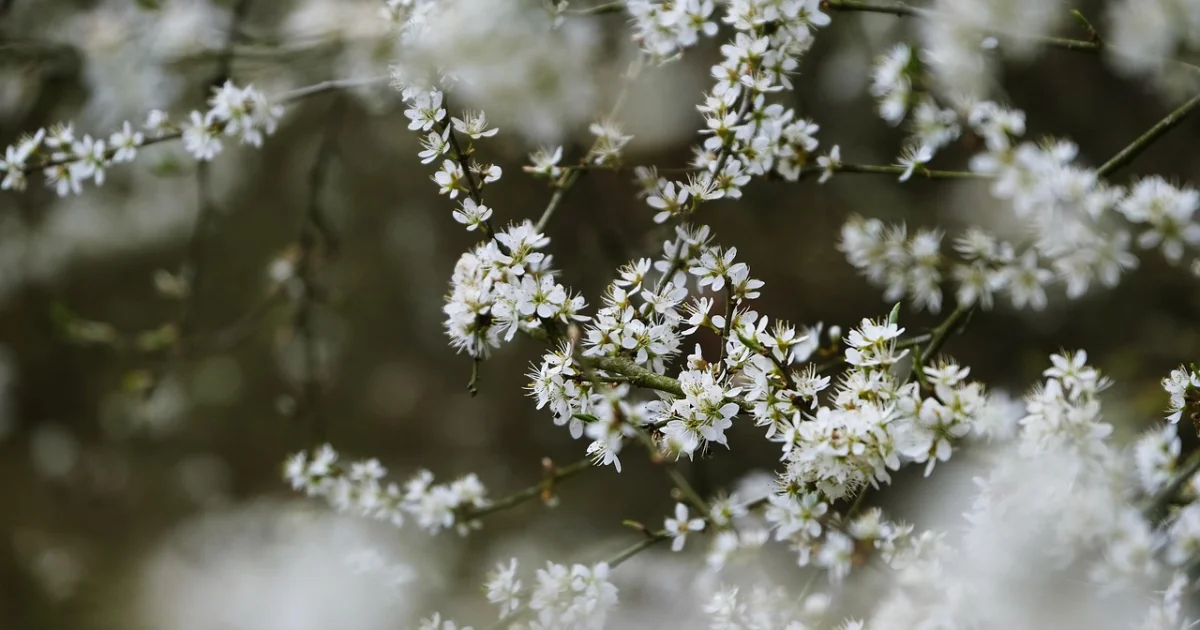
Let’s be honest, the fleeting beauty of real flowers can be a frustrating expense, especially when you’re aiming for a specific seasonal look. The constant need for watering, the wilting petals, and the inevitable pollen allergies can quickly dampen the enthusiasm for fresh blooms. Faux flowering branches offer a beautiful compromise – the visual impact of a lush floral display without the upkeep. They’re a fantastic way to inject color and texture into your home decor, adding a touch of elegance to any room. Beyond the convenience, they provide a consistent aesthetic, allowing you to curate a cohesive style throughout your living space. A well-placed arrangement can instantly elevate a space, bringing a sense of freshness and vitality, even during the colder months. Think about the impact of a cascading garland of white hydrangeas over a fireplace – it’s a far more impactful statement than a single, drooping rose.
Gathering Your Supplies: What You’ll Need
- Branches: The foundation of your display. Look for branches with interesting shapes and lines – consider branches from trees in your yard (ensure you have permission!), or purchase them from a craft store. The thicker the branch, the more flowers you can attach.
- Faux Flowers: Choose flowers that complement your existing decor. Hydrangeas, roses, peonies, and lilies are popular choices, but don’t be afraid to experiment with different textures and colors. Consider purchasing a variety pack to get a diverse selection.
- Hot Glue Gun & Glue Sticks: This is your primary adhesive. A low-temp glue gun is recommended to avoid melting the faux flowers.
- Scissors: For trimming branches and petals.
- River Rocks (Optional): For a modern, minimalist look – instead of moss.
- Styrofoam (Optional): For filling vases and providing a stable base.
Step-by-Step: Creating Your Faux Blooming Branches
- Prepare the Branches: Cut the branches to the desired length. Consider the vase or container you’ll be using to determine the appropriate height.
- Prepare the Vase (if using): If using a vase, stuff it with pieces of Styrofoam. This will provide a stable base for your branches. Fill the rest of the vase with bunched up plastic grocery-style bags.
- Cut the Flowers: Carefully cut the faux flowers from their stems. Depending on how they are made, use a pair of scissors to snip the flowers from a faux flower head or simply pull them off. When cutting them off, make sure to take a little bit of the back stem on each petal. Doing this will keep each bloom together.
- Glue the Flowers: Working one flower at a time, apply a small dot of hot glue to the back of a petal and attach it to the branch. Overlap the petals slightly to create a fuller, more natural look.
- Build the Arrangement: Continue gluing flowers to the branch, spacing them evenly and varying the sizes and colors to create a balanced and visually appealing arrangement. You can place two or more blooms together to create size variations along the branches.
- Add Finishing Touches (Optional): If desired, add a layer of river rocks around the base of the branches to create a modern aesthetic.
Troubleshooting: Making Your Faux Branches Look Real
Achieving a truly realistic look with faux branches takes a little finesse. Here are some tips for avoiding a stiff, artificial appearance:
Question: What if I want to use different colored faux flowers?
Don’t be afraid to mix and match! Varying the colors and shades of flowers will create a more dynamic and natural-looking arrangement. Consider using a color palette that complements your existing decor. A gradient from pale pink to deep magenta, for example, can be incredibly effective. Group flowers of similar tones together to create visual impact. For example, a cluster of three purple hydrangeas will look more natural than scattering individual petals randomly along the branch.
Question: How do I ensure the branches look natural and not stiff?
The key is to avoid perfectly symmetrical arrangements. Instead, embrace asymmetry and create a sense of movement. Don’t glue flowers in straight lines – allow them to droop and curve naturally. Gently bend the branches to create a more relaxed and organic shape. Consider using a variety of branch thicknesses to add visual interest. Varying the size of the flowers will also contribute to a more realistic appearance. A good trick is to slightly angle the branches to create a more dynamic silhouette.
Question: Why does using river rocks create a different aesthetic than moss?
This is all about the overall vibe. Moss lends a more traditional, woodland-inspired feel, evoking a sense of freshness and natural growth. River rocks, on the other hand, create a more modern, minimalist aesthetic. They provide a clean, graphic contrast to the flowers and add a touch of sophistication. The choice depends entirely on the style you’re aiming for. A river rock-covered branch would look fantastic in a Scandinavian-inspired living room, while moss might be better suited to a rustic farmhouse setting.
Expanding Your Creativity: Adding Dimension and Detail
Once you’ve mastered the basic technique, there’s plenty of room to experiment and add your own personal touch. Here are a few ideas to elevate your faux blooming branches:
- Add Greenery: Incorporate sprigs of faux greenery, such as eucalyptus or ferns, to create a fuller, more lush appearance.
- Use Different Vase Styles: Experiment with different vase shapes and sizes to create a variety of looks. A tall, slender vase will create a dramatic centerpiece, while a short, squat vase will be perfect for a smaller table.
- Create Garlands: String multiple faux blooming branches together to create a stunning garland for your mantelpiece or doorway.
- Layer Different Heights: Vary the heights of the branches to create a more dynamic and visually interesting arrangement.
Reader Scenarios: Bringing Faux Blooming Branches to Life
Let’s imagine a few scenarios to illustrate how faux blooming branches can be used in different settings:
Scenario 1: The Small Dining Table Focal Point: Imagine a reader who wants to create a focal point for a small dining table. A single, elegantly arranged faux blooming branch, perhaps with a few strategically placed river rocks, can instantly transform the table into a beautiful centerpiece. The height of the branch should be proportionate to the table size, avoiding overwhelming the space.
You may also enjoy reading: 3 Essential April Tasks for Lemon Trees to Boost Fruit Production.
Scenario 2: The Pollen Allergy Solution: For someone who is allergic to pollen, this offers a beautiful floral display without the allergens. A collection of faux blooming branches can bring a touch of spring to the home without triggering any unpleasant symptoms.
Scenario 3: The Blank Wall Entryway: Consider a homeowner facing a blank wall in their entryway and wanting to add visual interest. A cascading garland of faux blooming branches can create a stunning focal point and draw the eye into the space.
Beyond the Basics: Seasonal Adaptations & Creative Variations
Faux blooming branches aren’t limited to spring. They’re a versatile addition to any season’s decor.
- Summer: Use bright, cheerful flowers like sunflowers and daisies.
- Autumn: Incorporate warm autumnal colors like burgundy, orange, and gold.
- Winter: Create a winter wonderland look with white hydrangeas and silver branches.
Don’t be afraid to experiment with different flower types and arrangements to create a look that’s uniquely yours.
Final Thoughts
Creating your own faux blooming branches is a surprisingly rewarding DIY project. It’s a cost-effective way to add beauty and style to your home, and it eliminates the hassle of maintaining real flowers. With a little creativity and a few simple supplies, you can transform any space into a floral paradise – without the watering!