There is a specific kind of magic that occurs when the heavy chill of winter finally retreats, making way for the soft, warming breeze of April and May. For many homeowners, the patio serves as a private sanctuary, a place to sip morning coffee or enjoy a quiet evening meal. However, a bare patio can often feel exposed, lacking the intimacy and sensory depth that a lush garden provides. By introducing fragrant spring vines, you can transform a simple concrete or stone slab into a living, breathing oasis that engages more than just your sense of sight.
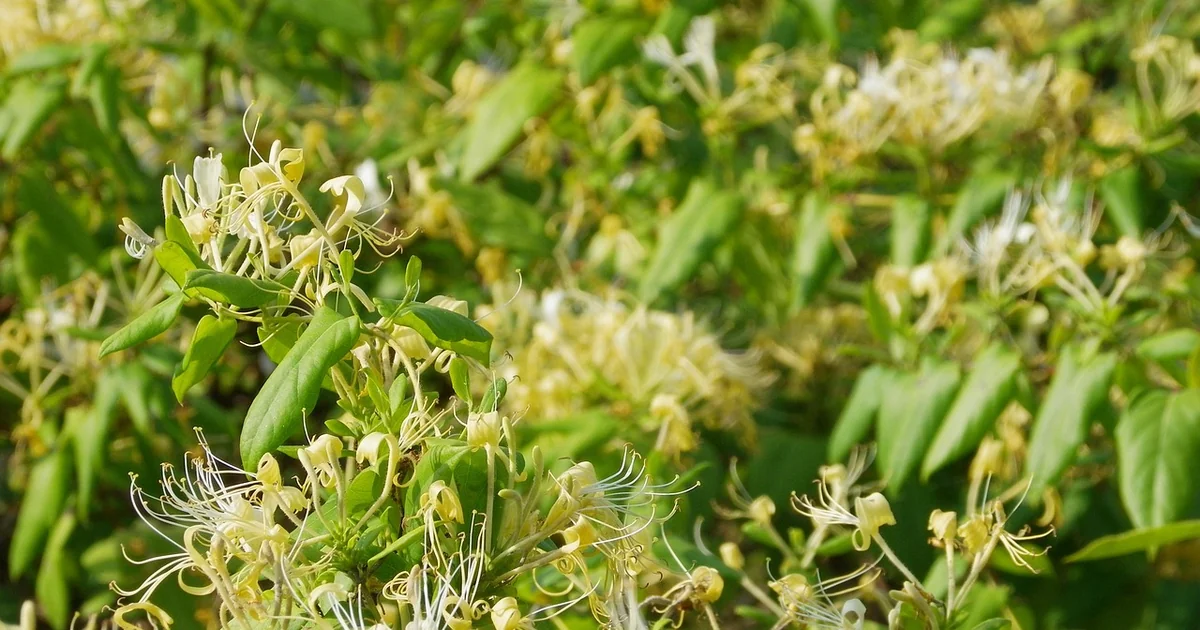
The challenge with many climbing plants is that they can quickly become overwhelming or, conversely, fail to provide the aromatic impact desired. Many gardeners struggle with vines that grow too aggressively, threatening the structural integrity of their homes, or they find themselves disappointed by plants that offer beautiful leaves but no scent. Selecting the right species requires a balance of understanding your local hardiness zone, the amount of sunlight your patio receives, and the strength of your existing garden structures. When you get this balance right, the result is a vertical tapestry of blossoms that perfumes the air every time a breeze wanders through your outdoor living space.
Essential Planning for Vertical Gardening Success
Before you purchase your first nursery pot, it is vital to assess the physical reality of your patio. Not all vines are created equal when it comes to their weight or their method of climbing. Some plants use tiny aerial roots to cling to brickwork, while others require a physical trellis to wrap their tendrils around. If you attempt to grow a heavy, woody species on a flimsy wire mesh, you will likely find your support system collapsed on the ground after a single heavy rain or a particularly vigorous growth spurt.
A common mistake is overlooking the long-term weight of a mature plant. A young vine might weigh only a few pounds, but a decade of woody growth and dense foliage can add hundreds of pounds of pressure to a structure. For heavy hitters like wisteria or climbing roses, you should invest in permanent timber pergolas or arbors that are anchored deeply into the ground. If your patio setup is more lightweight, perhaps consisting of decorative metal screens or small wooden lattices, you should steer your selection toward annuals or lighter perennials that won’t cause structural headaches.
Soil quality and drainage also play a massive role in how well these fragrant spring vines will perform. Most flowering climbers prefer soil that is rich in organic matter, much like the forest floor. If your patio is surrounded by compacted dirt or heavy clay, your vines may struggle to establish the deep root systems they need to support such rapid upward growth. Adding compost or well-rotted manure during the planting process can provide the necessary nutrients and improve the soil structure, ensuring your plants have the energy to produce those coveted blossoms.
1. American Wisteria: The Gentle Native Alternative
Many gardeners dream of the cascading purple waterfalls associated with wisteria, but they often fear the invasive nature of the more common Asian varieties. Chinese and Japanese wisteria are notorious for their ability to strangle nearby trees and even crack masonry. Fortunately, there is a much more manageable option for the conscientious patio gardener: American wisteria (Wisteria frutescens).
This native woody vine offers a sophisticated aesthetic with its drooping clusters of pea-like purple flowers. Because it is a native species, it is much better adapted to the local environment and lacks the aggressive, unchecked spreading habits of its overseas cousins. This makes it an ideal candidate for a patio where you want beauty without the constant battle against overgrowth. The flowers typically emerge in mid-to-late spring, often appearing just before the leaves have fully expanded, which creates a stunning visual effect of pure color against a backdrop of fresh green.
To keep this vine healthy, aim for full sun and soil that remains moist but well-drained. It can reach impressive heights of 25 to 30 feet, so ensure your support structure is exceptionally robust. Think of it as a permanent architectural feature of your garden rather than a temporary decoration. Because it is a woody vine, it will require some patience as it establishes itself, but once it takes hold, it provides a sense of permanence and grandeur to any outdoor space.
2. Hardy Kiwi: Edible Fragrance and Seasonal Rewards
If your goal is to combine beauty with utility, the hardy kiwi vine (Actinidia arguta) is a spectacular choice. Unlike the fuzzy, large kiwis found in most supermarkets, these vines produce much smaller fruits known as “kiwiberries.” These tiny gems have smooth, edible skins and offer a concentrated burst of tropical flavor that is incredibly refreshing during the warmer months.
The journey to fruit begins in the late spring with delicate, fragrant flowers. These blossoms are not just beautiful to look at; they are a magnet for pollinators, which is essential for the next stage of the plant’s life cycle. One technical detail that many novice gardeners miss is the requirement for sexual dimorphism in this species. To actually harvest kiwiberries, you must plant both a male vine and a female vine in close proximity. Without this pairing, you may enjoy the lovely foliage and flowers, but you will never see the fruit appear in the fall.
Hardy kiwi is a vigorous grower, often reaching lengths of 30 feet or more. This means that regular and somewhat intensive pruning is a necessity to prevent it from taking over your entire yard. Because the vines become quite heavy when laden with fruit, a sturdy trellis or a heavy-duty fence is mandatory. This plant thrives in zones 3 through 8, making it a resilient option for many temperate climates. It prefers deep, rich soil and can handle a bit of shade, which makes it perfect for patios that might be partially obscured by the house or large trees.
3. Star Jasmine: The Scent Powerhouse
For those who want maximum aromatic impact with minimal fuss, star jasmine (Trachelospermum jasminoides) is perhaps the most effective choice. While true jasmine can be finicky, star jasmine is remarkably hardy and easy to manage. It produces small, dime-sized white flowers that, despite their modest size, release an incredibly potent and sweet fragrance that can easily perfume a large patio area.
One of the standout features of this plant is its blooming window. It doesn’t just offer a brief flash of scent in early spring; instead, it begins its display in late spring and continues right through until the first frost of autumn. This provides weeks of sensory enjoyment. Furthermore, it is an evergreen perennial, meaning it provides a lush, green backdrop even when it isn’t in bloom, which is a significant advantage for maintaining visual interest in your garden year-round.
In warmer climates (zones 8–10), it can grow up to 20 feet tall and become a massive part of your landscape. However, if you live in a region with harsh winters, you can still enjoy this plant by growing it in a large, heavy container. This allows you to move the pot into a frost-free location, such as a garage or a sheltered porch, during the coldest months. It performs best in full sun to partial shade, provided the soil is rich and allows water to drain away easily.
4. Carolina Jessamine: A Southern Classic
If you are looking for a splash of vibrant color to herald the arrival of spring, look no further than the Carolina jessamine (Gelsemium sempervirens). This vine is a staple of southern landscapes, known for its trumpet-shaped flowers in a stunning, canary yellow hue. The scent is sweet and heady, making it one of the most recognizable fragrant spring vines in North America.
Beyond its flowers, the Carolina jessamine is highly valued for its evergreen foliage. This means that even in the depths of winter, your trellises, fences, or porch columns will not look bare. The plant is also a favorite among local wildlife; hummingbirds and various butterfly species are frequently seen hovering around the yellow trumpets, making your patio a lively hub for nature watching.
A critical safety note for anyone growing this plant: all parts of the Carolina jessamine, including its leaves, flowers, and fruit, are toxic if ingested. While this is rarely an issue for adult gardeners, it is something to keep in mind if you have curious toddlers or pets that tend to nibble on greenery. To ensure the best flowering, plant it in a spot that receives at least eight hours of direct sunlight daily. While it can tolerate part shade, the floral display will be much more modest if it is kept in the dark.
5. Climbing Hydrangea: Elegance in the Shade
Many gardeners face the frustrating reality of having a beautiful patio that is perpetually stuck in the shade. Most flowering vines crave the sun, leaving shaded corners looking dull and uninspired. Climbing hydrangea (Hydrangea barbara) is one of the rare exceptions to this rule. It is a sophisticated woody vine that has evolved to thrive in the dappled light of forest edges.
You may also enjoy reading: Secret Ways to Elevate Your Grilled Chicken Flatbread with Arugula and Parmesan.
In the spring, this plant produces large, creamy white flower clusters that can reach up to four inches in diameter. These blossoms are set against a backdrop of large, glossy green leaves that look just as beautiful as the flowers themselves. The vine has a natural ability to cling to surfaces, meaning it can scale walls, arbors, and even the sides of buildings with relative ease, provided the surface is somewhat textured.
This plant prefers soil that is consistently moist to even slightly wet, which is often easier to maintain in shaded areas where evaporation is slower. It is best suited for zones 6 through 8. Because it is a slow-growing woody vine, it is a long-term investment in your landscape. It won’t overwhelm your space overnight, but over several years, it will create a magnificent, lush wall of greenery and white blooms that feels incredibly peaceful and established.
6. Sweet Peas: The Delicate Annual Delight
Not every garden project needs to be a permanent, woody installation. Sometimes, you want something light, airy, and immediate. Sweet peas (Lathyrus odoratus) are the perfect solution for gardeners who want instant gratification. As lightweight annual vines, they grow rapidly from seed and provide an explosion of color and scent within a single growing season.
Sweet peas are particularly well-suited for the cool, crisp conditions of early spring. They thrive when the nights are still a bit chilly, making them the quintessential spring flower. Because they are annuals, they don’t require the heavy-duty timber supports that wisteria needs. You can train them on simple bamboo poles, lightweight wire pyramids, or even decorative netting. This makes them an excellent choice for small patios or container gardening where space and weight are primary concerns.
A professional secret for maximizing your sweet pea display is the practice of regular harvesting. If you want to keep the flowers coming, you should deadhead the blossoms every other day. By cutting off the flowers before they have a chance to develop into seed pods, you are essentially tricking the plant into thinking it hasn’t finished its reproductive cycle, which encourages it to produce even more blooms. This simple step can extend your fragrant display by several weeks.
7. Climbing Roses: Timeless Romance
No discussion of garden vines would be complete without mentioning the climbing rose. These plants are the epitome of romantic garden design, offering a variety of scents ranging from light citrus to deep, musky damask. They are incredibly tough plants that can withstand various environmental stressors, making them a reliable choice for many different patio setups.
Unlike the annual sweet peas, climbing roses are perennials that will return year after year, becoming more established and impressive with age. They are not particularly demanding in terms of daily maintenance, but they do require a specific type of care. An annual winter pruning session is essential to remove dead wood and encourage the growth of new, flowering canes. Without this, the plant can become “leggy,” with flowers only appearing at the very tips of long, bare stems.
Because roses can become quite heavy and their stems can be thorny, they require very sturdy support. A well-built trellis or a dedicated rose arch is the best way to showcase their beauty. They love full sun and well-drained soil. When you plant a climbing rose, you are not just adding a plant; you are adding a centerpiece that will define the character of your patio for years to come. The combination of lush green foliage and heavy, scented blooms creates an atmosphere of elegance that few other plants can match.
Troubleshooting Common Patio Vine Issues
Even with the best intentions, growing fragrant spring vines can present a few hurdles. One of the most common issues is pest management. Because many of these plants produce sweet nectar, they can attract aphids or even larger pests like deer in certain regions. To manage this, avoid using heavy chemical pesticides, which can harm the very pollinators you want to attract. Instead, try a strong stream of water from a garden hose to knock aphids off the stems, or use neem oil for more persistent issues.
Another frequent problem is improper watering. In container gardening, soil can dry out much faster than it does in the ground. If your vines look wilted or the leaves are turning brown at the edges, they may be thirsty. Conversely, if the leaves are turning yellow and falling off, you might be overwatering, leading to root rot. The best approach is to stick your finger about an inch into the soil; if it feels dry, it is time to water. If it feels damp, wait a day.
Finally, keep an eye on the “reach” of your vines. While we want them to cover our trellises, we don’t want them to invade our neighbors’ yards or grow into the eaves of our houses. Regular pruning is the best tool for maintaining control. Don’t be afraid to trim back vigorous growers like hardy kiwi or wisteria. Pruning isn’t just about control; it also stimulates new growth and can actually lead to more abundant flowering in the following season.
By carefully selecting your species and preparing your patio with the right supports and soil, you can create a sensory experience that transforms your outdoor space into a fragrant sanctuary. Whether you choose the delicate scent of sweet peas or the heavy perfume of star jasmine, these vines will ensure your spring season is truly unforgettable.