You open the refrigerator door expecting a quick grab for milk, and instead you are met with a cascade of jars, a wilting bag of spinach, and a Tupperware situation you are afraid to investigate. This is a familiar scene in many homes. Tyler Moore, the organizing expert known as Tidy Dad on social media, understands this chaos intimately. As a father of three living in a small New York City apartment, he has successfully turned his own fridge from a disaster zone into a model of daily efficiency.
He recently shared his methods as the organizing expert for this year’s REAL SIMPLE Home. His practical approach relies entirely on three core strategies that absolutely anyone can implement. These fridge organization tips focus specifically on smart zones, better storage tools, and utilizing every single inch of available space.
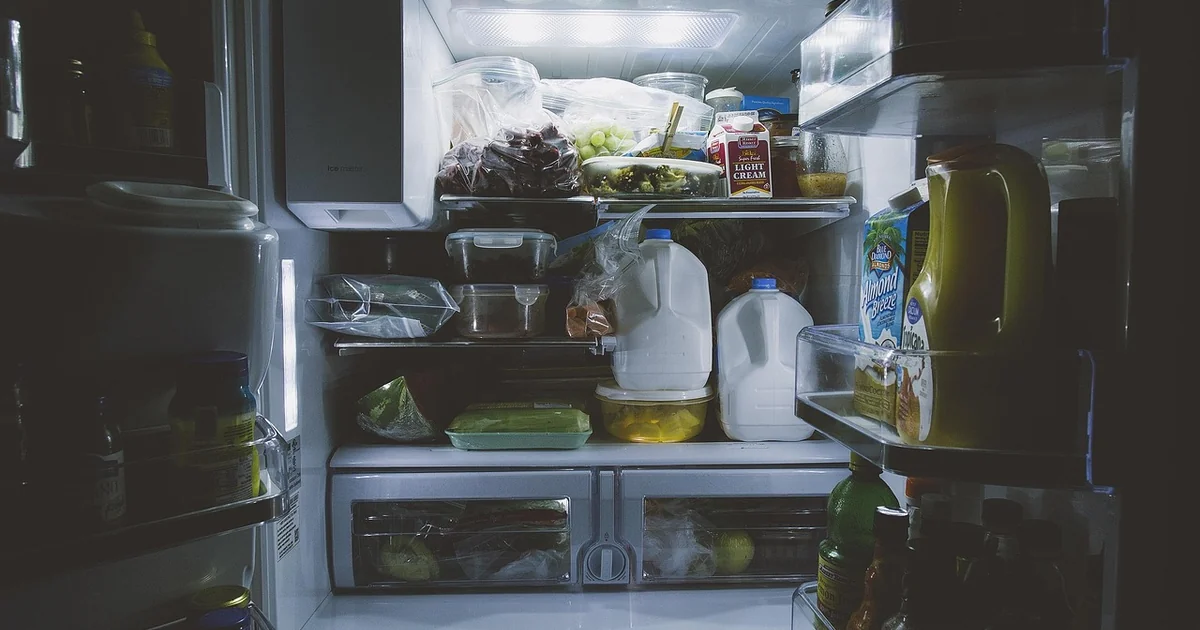
Why Your Fridge Becomes a Black Hole of Forgotten Condiments
Most people do not set out to have a messy refrigerator. The clutter happens gradually over time. You buy a jar of salsa for one specific recipe, use half of it, and shove it to the back of the shelf. A week later, you buy another jar because you completely forgot about the first one. This frustrating cycle repeats until you have three open jars of the exact same item and absolutely no idea which one is the oldest.
The core problem is not a lack of effort. It is a fundamental lack of structure. When there is no designated home for each category of food, items get placed wherever there is an empty spot. This random placement makes it nearly impossible to see exactly what you have on hand. The inevitable result is wasted food, wasted money, and a frustrating daily experience.
Moore says his own family refrigerator was a complete disaster zone before he discovered the concept of kitchen zoning. This specific method, popularized by Jess Dang of Cook Smarts, teaches you to organize your kitchen for maximum efficiency by grouping similar items together. Once Moore applied this logical thinking to his refrigerator, everything changed for the better. The ultimate key was establishing clear zones that every single family member could easily understand and follow.
Establish Zones and Label Everything
The very first pro trick is to create distinct zones inside your refrigerator using clear bins and prominent labels. Moore calls this specific strategy a total game-changer for his small New York City kitchen. Instead of placing items randomly on shelves, you assign each individual bin a specific purpose. One bin holds all dairy products. Another holds fresh meats. A third holds condiments, and a fourth holds fruits and vegetables.
You need to choose entirely clear bins so everyone can easily see exactly what is inside without pulling the container out. Then, you must label each bin clearly. The label might say “Dairy” or “Lunch Items” or “Leftovers.” When you bring groceries home, you place each item directly into its designated bin. When you finish using something, you return it to that exact same bin.
Adding clear bins and readable labels creates a very clear organizational footprint. This actively prevents the random shoving of items into empty gaps. Moore explains that when the system is visually clear, the whole family can easily help keep it tidy. People are much more likely to return things to the right spot when it is blatantly obvious where they belong. This single change completely eliminates the mystery of where items go and permanently stops the buildup of hidden duplicates in the back of the fridge.
To get started today, pull absolutely everything out of your refrigerator. Group your items by category. Measure your shelves carefully and find clear bins that fit your specific dimensions. Label each bin with a standard label maker or simple adhesive labels. Place the bins back in the fridge and load them up. The first time you do this, it takes about one hour. After that initial setup, weekly maintenance takes just a few minutes.
Move Condiments to a Lazy Susan Inside the Fridge
The second trick involves a very simple tool that completely transforms how you store sauces and dressings. Instead of cramming tall bottles tightly into the fridge door, Moore highly recommends placing them on a small Lazy Susan directly inside the main fridge compartment. With a quick spin, every single bottle becomes easy to see and reach. You will no longer be digging through a crowded door shelf just to find the soy sauce.
Moore was heavily inspired by professional organizers who utilize Lazy Susans to maximize space in deep pantry corners. He quickly found that the exact same organizing tool works even better inside a cold refrigerator. The spinning platform keeps all your bottles highly visible and accessible. You can easily grab what you need without moving other glass items out of the way.
The fridge door is a highly busy area. Reserving it specifically for snacks and drinks avoids daily clutter and accidental spills. Moore explains that most people default to the fridge door for sauces, but that is actually one of the most active areas. Little hands are constantly bumping into glass jars when reaching for drinks or yogurt. By moving your condiments to a Lazy Susan on a main shelf, you free up the door for items that are handled much more frequently. This includes water bottles, juice boxes, or string cheese for the kids.
Choose a Lazy Susan that fits your specific shelf dimensions perfectly. A ten-inch or twelve-inch turntable works incredibly well for most standard residential fridges. Group your most used sauces together on the turntable. Less frequently used bottles can easily go in a labeled bin elsewhere. This small change massively reduces mess and keeps your go-to condiments accessible without turning the fridge door into a dangerous crash zone.
Maximize Vertical Space With Stackable Drawers
The third pro trick directly addresses one of the most underutilized areas in absolutely any refrigerator. This is the vertical space between the physical shelves. Most people only think of fridge storage in terms of horizontal surface area. They place items flat on shelves and only stack things when they completely run out of room. Moore strongly recommends using stackable pull-out drawers or sturdy bins to make the most of every single cubic inch.
These convenient pull-out drawers are absolutely perfect for storing deli cold cuts, string cheese, or daily lunchbox items. Small things tend to get easily lost or buried under larger items on a deep shelf. A stackable drawer keeps them perfectly contained and highly visible. You can just pull the drawer out to see everything at once rather than digging through a messy pile of plastic bags and Tupperware. You can even purchase vertical egg containers now. These allow you to safely stack your eggs up instead of spreading them out, saving even more valuable shelf space.
During a trip to IKEA, a favorite weekend tradition for his family, Moore noticed that vertical space is maximized in all of their room setups. They strategically use tall shelving systems, storage above door frames, and clever corner solutions. That exact same principle applies to the inside of your fridge. Once you start thinking up instead of just out, you realize exactly how much more storage you can squeeze into the exact same footprint.
Moore strongly recommends measuring everything first to ensure it all fits nicely. Before buying any bins or drawers, carefully measure the height between your shelves, the width of your shelves, and the total depth of your fridge. Write those exact numbers down. Then, look for organizational products that match your dimensions exactly. A bin that is too tall will prevent the shelf above it from closing properly. A bin that is too wide will not fit at all. Measuring first saves you time, money, and intense frustration.
You may also enjoy reading: Declutter Coats From a Crowded Entryway With Scrap Wood DIY.
Maintain the System With Simple Daily Habits
Beyond the three core tricks, Moore shares a few maintenance habits that keep the entire system working flawlessly week after week. He strongly recommends doing a quick clean of the fridge right before your big weekly grocery run. This takes only about ten minutes, but it makes a truly massive difference.
What to Do Before a Big Grocery Run
Start by quickly removing any food items that are clearly expired. Wipe down the empty shelves with a simple damp cloth. Take a strict inventory of what you already have so you completely avoid buying unnecessary duplicates. This is especially helpful for condiments, heavy sauces, and frozen items that tend to accumulate unseen in the back.
When you wipe shelves, toss expired items, and take inventory, you actively set yourself up for total success. When you bring fresh groceries home, you are no longer trying to forcefully cram them into an already full fridge. You have clean, highly organized space ready to receive them. This simple pre-shopping habit permanently prevents the chaos from building up again.
Why You Should Keep Empty Containers in the Fridge
Another small habit that supports this system is keeping a few empty food storage containers directly inside the fridge. This might sound completely counterintuitive at first. Why would you waste valuable shelf space on empty containers? Moore explains that having them ready makes it incredibly easy to store your daily leftovers properly.
When you finish cooking a meal, you can immediately transfer any leftovers into a clean, matching container. You do not have to hunt through messy kitchen cabinets for a lid that actually fits. You do not have to poorly wrap a dinner plate in aluminum foil. You simply grab a container from your designated spot, fill it up, label it, and place it directly into the appropriate zone.
Using uniform containers prevents the fridge from quickly becoming cluttered with mismatched shapes and sizes. It also makes it significantly easier to find your leftovers later because they are all stored in identical containers. You can stack them very neatly, and you can see directly through the clear sides to instantly identify the contents. Choose a dedicated set of containers that are all the exact same shape and size, or at least highly compatible for stacking. When you use one, wash it and return it to the empty spot. This creates an endless loop that keeps your fridge perfectly organized with very little ongoing effort.
Frequently Asked Questions
How often should I completely reorganize my fridge to keep it functional?
A full, deep reorganization is usually needed only once when you first set up your zones and bins. After that initial project, a quick five-minute tidy right before your weekly grocery run is completely sufficient. During that brief tidy, you simply wipe shelves, toss expired items, and return stray items to their properly labeled zones. This consistent maintenance perfectly prevents the system from degrading over time.
What is the difference between using a Lazy Susan on the shelf versus the fridge door?
A Lazy Susan placed on a main shelf keeps your heavy condiments highly stable and completely visible. The fridge door is a very busy area that gets opened and closed constantly. Glass bottles on the door are significantly more prone to tipping, rattling, and spilling. By placing your condiments on a turntable inside the main fridge compartment, you drastically reduce the risk of accidents and make it much easier to see all your sauces at once. The door shelves are much better reserved for items that are grabbed frequently, such as daily drinks and kid snacks.
Are stackable plastic bins safe for all types of refrigerator shelves?
Yes, stackable bins are completely safe as long as you choose the correct size and material. Look specifically for bins made of BPA-free plastic or tempered glass that are explicitly designed for safe refrigerator use. Always measure the height between your shelves before purchasing any products. You must ensure the bins are not so tall that they block the cold air circulation. Proper airflow is absolutely essential for consistent cooling, so aggressively avoid cramming bins too tightly against the back wall or the top of the shelf above.
Read the Full Guide: Which of these simple fridge organization strategies are you going to try first? Share your thoughts in the comments below, and be sure to pin this practical guide to your favorite Pinterest home organization board so you have these tips ready for your next kitchen cleanout!