As parents, we’re constantly striving to be the best versions of ourselves for our children. We want them to feel loved, secure, and supported. But amidst the demands of daily life – work, school, extracurriculars – it’s easy to lose sight of the subtle, yet powerful, signs that indicate we’re truly connecting with our kids. It’s not always about grand gestures, but the quiet moments of trust, laughter, and genuine affection that truly build a strong foundation. Are they happy? Do they feel loved? Are we doing a good job? Let’s explore seven key indicators that reveal a thriving relationship with your children, reminding us to cherish these precious bonds and keep them close for those days when you need a little reassurance!
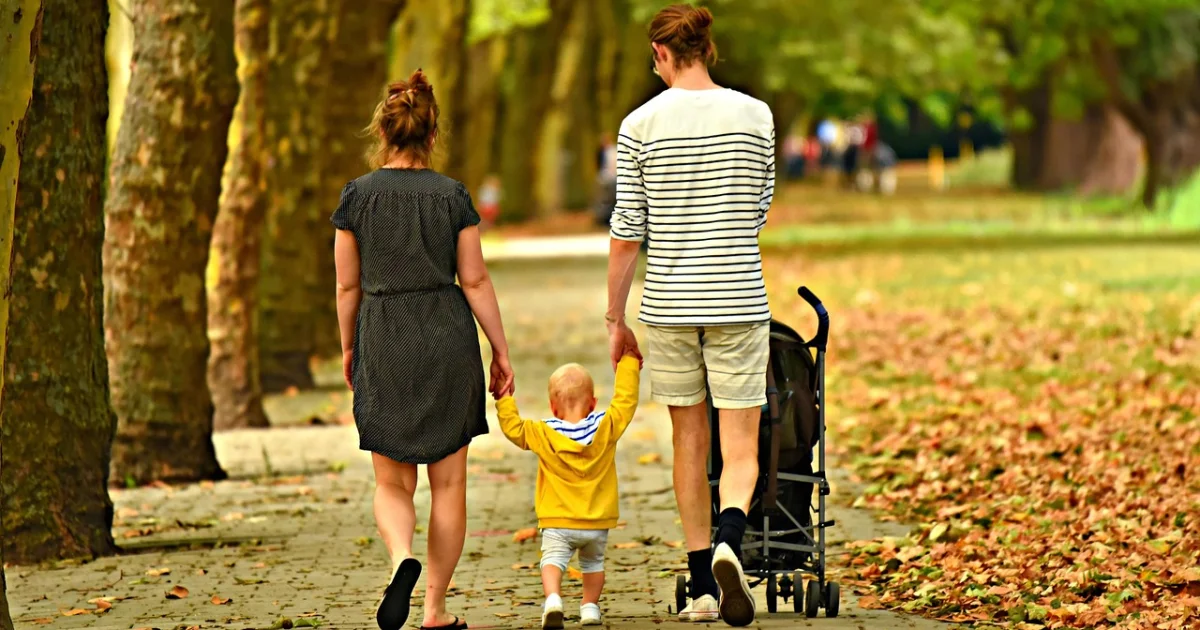
These moments – the spontaneous hugs, the heartfelt conversations, the shared laughter – are the building blocks of a strong, loving relationship. They’re the threads that weave together a tapestry of connection, providing a safe and secure space for your children to grow and flourish. Let’s delve deeper into what these signs truly mean and how you can nurture them within your family.
1. They Confide in You: The Cornerstone of Trust
One of the most profound signs of a strong relationship with your children is when they feel comfortable sharing their thoughts and feelings with you. This isn’t about constant chatter or detailed recounts of every experience; it’s about the willingness to open up, even about difficult or embarrassing things. Kids confide in parents when they trust them, and that trust is earned over time through consistent reliability, empathy, and non-judgmental listening. It’s a beautiful validation of the emotional space you’ve created in their lives. Research by attachment theory experts like Mary Ainsworth indicates that secure attachment, built on consistent responsiveness and emotional availability, fosters this crucial sense of trust. When a child feels they can turn to you without fear of criticism or dismissal, they’re essentially saying, “You’re a safe place.” This isn’t a passive process; it requires actively cultivating an environment where vulnerability is welcomed. Think about implementing regular, dedicated “check-in” times – perhaps during dinner or bedtime – where you simply ask, “How’s your day going? Is there anything you want to talk about?” Even if they say “nothing,” knowing you’re open to hearing it makes a significant difference. The average child starts to develop a concept of trust around 2-3 years old, but the process of building that trust deepens throughout their childhood and adolescence. Furthermore, a study published in the journal Child Development showed that children who felt truly heard by their parents reported higher levels of self-esteem and emotional well-being.
2. Laughter is a Daily Occurrence: A Shared Language of Joy
If your house is filled with giggles, you’re doing something right. Laughter isn’t just a pleasant sound; it’s a vital indicator of happiness, comfort, and connection. It’s a shared language that transcends words, signaling a positive emotional environment. When your children are genuinely laughing with you, they’re experiencing a feeling of safety, acceptance, and joy – all essential components of a healthy relationship. The physiological impact of laughter is remarkable too. It releases endorphins, which have mood-boosting effects, and reduces stress hormones. It’s a simple, yet powerful, way to strengthen your bond. Don’t force it! Sometimes, the best laughter happens spontaneously, during a silly game or a funny mishap. However, actively creating opportunities for laughter – telling jokes, watching funny movies, engaging in playful activities – can significantly enhance your connection. Consider incorporating “fun days” into your schedule, dedicated solely to lighthearted activities that everyone enjoys. Research suggests that families who regularly engage in shared laughter report higher levels of happiness and resilience.
3. They Seek Your Approval: A Desire for Validation
Ever notice how your kids look to you for that nod of approval after they’ve built the tallest block tower or painted a (somewhat recognizable) family portrait? Seeking your validation shows they care about your opinion and want to make you proud. This isn’t about constant seeking of praise; it’s a natural desire for acceptance and affirmation, rooted in the fundamental need for belonging. Children, especially younger ones, are incredibly sensitive to social cues and crave the approval of their primary caregivers. It’s a crucial developmental milestone, demonstrating their growing sense of self and their desire to connect with you on a deeper level. Providing genuine, specific praise – instead of generic statements like “good job” – can amplify this effect. For example, instead of saying “You did a good job building that tower,” try “I love how carefully you stacked those blocks, and it’s amazing how tall you made it!” This shows them you’re paying attention and appreciating their efforts. Furthermore, modeling positive self-talk and celebrating your own accomplishments can subtly encourage them to embrace their own strengths and aspirations. Studies in child psychology show that feeling valued and appreciated by parents is directly linked to increased self-esteem and confidence.
4. Hugs and Kisses Come Freely: The Language of Physical Affection
When hugs, kisses, and cuddles are given without prompting, it means your kids feel a strong emotional connection to you. Physical affection isn’t just a pleasant ritual; it’s a fundamental way for children to experience love, security, and comfort. Freely given hugs and kisses indicate a sense of safety and trust, signaling that they feel completely accepted and loved for who they are. These gestures release oxytocin, often referred to as the “love hormone,” which strengthens the bond between parent and child. Don’t shy away from physical affection, even as your children get older. A simple hug or a pat on the back can go a long way in reassuring them and letting them know you’re there for them. It’s about creating a consistent rhythm of warmth and connection. However, it’s equally important to respect their boundaries and allow them to initiate physical affection when they’re comfortable. Observing your child’s cues and responding with sensitivity will foster a deeper sense of trust and mutual affection.
5. They Mirror Your Behavior: Learning by Observation
Kids learn by observing, and if you notice them mimicking your positive behaviors – like showing kindness, being patient, or cleaning up after themselves – it’s a testament to the strong relationship you have. Children are incredibly observant and quickly absorb the values and behaviors they witness in their environment. They see you as their role model, and if they see you treating others with respect, being responsible, and demonstrating positive qualities, they’re more likely to adopt those behaviors themselves. This mirroring effect isn’t just about imitating actions; it’s about internalizing your values and beliefs. It’s a powerful way to shape their character and instill positive habits. When you’re struggling with a difficult emotion, showing them how to manage it constructively – taking a deep breath, expressing your feelings calmly – teaches them valuable coping skills. Furthermore, engaging in shared activities – volunteering, helping others, practicing gratitude – provides opportunities for them to learn alongside you and develop a strong sense of empathy and social responsibility. A longitudinal study by the University of California, Berkeley, found that children who observed their parents engaging in prosocial behaviors were significantly more likely to exhibit those behaviors themselves later in life.
You may also enjoy reading: 5 Shocking Moments That Made Us Wonder: Did We Lose the Plot at BookCon 2026?.
6. They Include You in Their Play: A Desire for Connection
When your kids want you to join in their games, it shows they enjoy your company and see you as more than just the rule enforcer. This isn’t a demand for attention; it’s a genuine desire for connection and shared enjoyment. Inviting you into their world signifies a strong bond, demonstrating that they value your presence and want to create memories together. Whether it’s playing pretend, building forts, or having a spontaneous dance party, being invited into their world is a powerful affirmation of your relationship. It’s an opportunity to let go of your responsibilities and simply be present with them, experiencing the joy of childhood through their eyes. Don’t always jump in with suggestions or try to take over the game. Sometimes, the best thing you can do is simply observe, laugh, and participate alongside them. Research in developmental psychology suggests that shared play experiences are crucial for fostering social-emotional development and strengthening family bonds. Creating dedicated playtime – even just 15-20 minutes a day – can significantly enhance your connection.
7. They Show Empathy: A Reflection of Your Loving Environment
Seeing your child comfort a sibling or express concern when you’re having a tough day is a heartwarming sign of a great relationship. Empathy is learned by observing, and if your kids are showing it, you’ve created a loving and supportive environment for them. It’s a reflection of the values you’ve instilled in them and the emotional connection you’ve fostered. Demonstrating empathy yourself – validating their feelings, offering support, and showing compassion – reinforces this behavior. When they see you handling challenges with grace and understanding, they’re more likely to extend that same compassion to others. Creating opportunities for them to practice empathy – volunteering, reading stories about diverse characters, discussing difficult situations – can further strengthen this skill. A study published in the Journal of Family Psychology found that children who witnessed their parents demonstrating empathy were more likely to develop strong social skills and a sense of social responsibility. Ultimately, showing empathy isn’t just about responding to their needs; it’s about modeling a way of being that prioritizes kindness, compassion, and understanding.
Building a strong relationship with your kids is a continuous journey, a weaving together of small moments and shared experiences. It’s not about achieving perfection, but about showing up, being present, and nurturing the love that connects you. These seven signs are just glimpses into the beautiful tapestry of connection that exists within your family. So, take a moment to reflect on these moments, appreciate the profound bond you share, and continue to build a relationship filled with laughter, trust, and unwavering love. It’s a gift that will enrich your lives for years to come.
If your kids talk to you about their day, that’s a wonderful sign. If your house is filled with giggles, you’re doing something right! Ever notice how your kids look to you for guidance? When hugs, kisses, and cuddles are given, it’s a beautiful connection. Kids learn by observing, mirroring behavior, inviting you to play, and showing empathy. These moments are the building blocks of a strong, loving relationship! Keep them close for those days when you need a little reassurance!