Bringing a touch of the tropics into your living room requires little effort when you choose a bamboo palm. Two specific qualities make this plant a favorite among homeowners. It handles low light exceptionally well, and it stays nicely compact compared to other palms. Its slender, bamboo-like canes and rich green fronds create an instant vacation vibe in any corner of your home. You do not need a greenhouse or a green thumb to successfully grow bamboo palm indoors. The process breaks down into seven straightforward actions. By following these steps, you avoid the common pitfalls like brown tips, root rot, and pests. Let us walk through each stage so you can enjoy a thriving, lush plant for years.
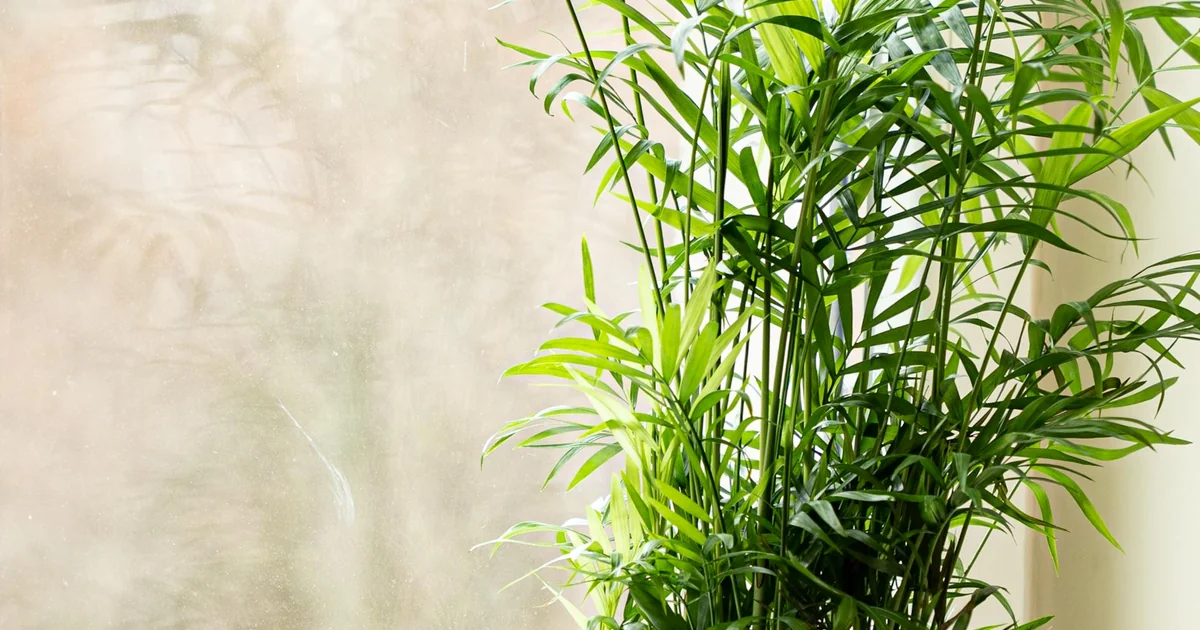
Why These 7 Steps Work for Indoor Palm Success
Many houseplant enthusiasts struggle with palms. The most common complaint involves browning leaf tips or leggy growth. These issues nearly always trace back to one of three things: improper watering, incorrect lighting, or low humidity. The following seven steps target these exact pain points. By following this sequence, you remove the guesswork. You create a stable environment where your Chamaedorea seifrizii can truly flourish. Each step builds on the last one, creating a complete roadmap for plant care.
These steps are designed for beginners and experienced plant owners alike. They cover everything from selecting the right container to managing pests. Read through each one carefully before you start.
Step 1: Choose the Right Spot with Filtered Light
Bamboo palms do not tolerate direct sunlight. Their leaves scorch easily, leading to yellow patches and dried edges. Instead, aim for a location that receives bright, indirect light. A north-facing window works perfectly. An east-facing room also provides the gentle morning sun they love. If the only option is a south or west window, place the pot several feet away from the glass. Use a sheer curtain to diffuse the harsh rays. This single decision often determines whether your plant thrives or just survives. Remember, the goal is to mimic the dappled light of a forest floor.
Step 2: Pick the Perfect Pot and Soil Mix
Container choice matters more than most people realize. A pot without drainage holes guarantees root rot. Choose a container with several large holes at the bottom. Terracotta pots are excellent because they wick away excess moisture from the soil. For the planting mix, standard garden soil is too heavy. Create a blend that includes perlite, peat moss, and orchid bark. This combination holds onto enough water to keep the roots hydrated while allowing excess water to drain freely. The orchid bark provides the chunky texture that palm roots love. You can purchase a pre-made potting mix designed for palms and add extra perlite for insurance.
Step 3: Master the Art of Watering
The number one reason indoor bamboo palms fail is overwatering. It is a delicate balance. The soil must stay consistently moist, but it should never feel like a wet sponge. Stick your finger about an inch or two into the potting mix. If it feels dry at that depth, it is time to water. Depending on your home’s temperature and humidity, this might mean watering once a week or every ten days. When you do water, do it thoroughly. Pour water over the soil until it runs out of the drainage holes. Empty the saucer underneath immediately. Never let the pot sit in stop to grow bamboo palm indoors successfully.
Step 4: Maintain Proper Humidity and Temperature
Bamboo palms originate from tropical and subtropical climates. They appreciate humidity levels above 50 percent. Indoor air, especially during winter, tends to be much drier. Dry air causes the leaf tips to turn brown and crispy. You can fix this without buying a humidifier. Grouping plants together creates a microclimate with higher humidity. Placing a shallow tray filled with pebbles and water beneath the pot also helps, as long as the pot does not touch the water. Misting the fronds every few days provides temporary relief. As for temperature, keep your home between 65 and 80 degrees Fahrenheit. Avoid cold drafts from windows or air conditioning vents.
Step 5: Feed Lightly for Steady Growth
Bamboo palms are not heavy feeders. Over-fertilizing leads to salt buildup in the soil, which causes leaf burn. A granular slow-release fertilizer applied once in early spring provides all the nutrients the plant needs for the growing season. Look for a fertilizer formulated specifically for palms or houseplants. Dilute it to half the recommended strength just to be safe. Do not fertilize in the fall or winter. The plant enters a rest phase during these months. Extra nutrients will just sit in the soil unused and could harm the roots.
Step 6: Prune and Repot When Necessary
These palms rarely require heavy pruning. You only need to remove fronds that have turned completely yellow or brown. Use a clean, sharp pair of pruning shears. Cut the stem at the base. This keeps the plant looking tidy and directs energy toward healthy new growth. Repotting is equally straightforward. Bamboo palms prefer to be slightly root-bound. Only move it to a larger pot every two to three years. Spring or early summer is the best time for repotting. Choose a container that is just one size larger, about two to three inches wider in diameter.
Step 7: Watch for Pests and Fix Leaf Burn
Bamboo palms are generally robust, but they can attract spider mites. This happens most often in hot, dry conditions. Look for fine webbing along the leaf edges. If you spot them, take the plant to the sink or shower. Wash the leaves thoroughly with a gentle stream of water. For persistent infestations, use an insecticidal soap. Another common issue is leaf burn caused by salt accumulation. You might notice the leaf tips turning brown and crispy. This usually happens from fertilizing too often or using hard tap water. Flush the soil every few months by running water through the pot for several minutes.
Smarter Ways to Propagate Your Bamboo Palm
If you want to expand your collection or share a plant with a friend, propagation is simple. Growing a bamboo palm from seed takes patience, often up to six months for germination. A faster method involves division. When you repot a mature plant, look for offshoots or small pups growing from the root system. Gently separate these from the mother plant. Make sure each offshoot has a few roots attached. Plant each division in a small container with damp, well-draining potting mix. Keep the soil consistently moist and place the new pot in a warm spot with indirect light. Within a few weeks, you should see new growth.
You may also enjoy reading: Floor and Decor Woodland Hills: Your Guide to Flooring and Installation.
Troubleshooting Common Bamboo Palm Problems
Yellowing leaves usually indicate a watering problem. Check the soil. Is it bone dry or soaking wet? Adjust your schedule accordingly. Browning leaf tips point to low humidity, salt buildup, or fluoride in tap water. Using distilled or rainwater can solve this. If the plant looks leggy and sparse, it is not getting enough light. Move it closer to a window. A sudden droop in the stems often signals cold damage or severe underwatering. Move the plant to a warmer location and give it a thorough drink.
Frequently Asked Questions About Growing Bamboo Palm Indoors
How much light does a bamboo palm need indoors?
Bamboo palms need bright, indirect light. They tolerate low light better than most palms, but they grow best near a north or east-facing window.
Why are the tips of my bamboo palm leaves turning brown?
Browning tips usually indicate low humidity, dry soil, or a buildup of salts from fertilizer or tap water. Increasing humidity and flushing the soil often resolves this.
Is a bamboo palm the same as a parlor palm?
They belong to the same genus, Chamaedorea. The bamboo palm (Chamaedorea seifrizii) has larger, reed-like stems. The parlor palm (Chamaedorea elegans) is a smaller, bushier plant.
How often should I water my indoor bamboo palm?
Water when the top inch of soil feels dry. This typically means once a week, but it depends on the light and temperature in your home.
Can I put my bamboo palm outside in the summer?
Yes, you can move it outdoors to a shaded patio or porch during warm months. Just bring it back inside before temperatures drop below 50 degrees Fahrenheit.
With these seven steps, you have everything you need to transform your home into a lush, tropical retreat. Your bamboo palm will reward your attentive care with years of graceful, green beauty.