Why Gentian Deserves a Place in Your Garden
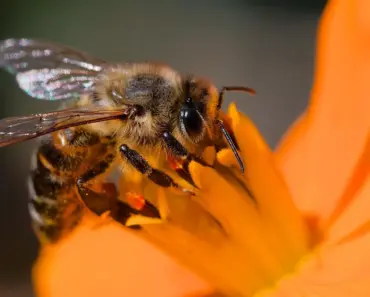
Most gardeners have never seen a gentian bloom up close. That is a shame, because this North American native offers something rare: true blue flowers that appear in late summer and persist well into autumn. The blossoms look like tightly closed buds, even when fully open, which gives the plant a curious, almost secretive character. Bumblebees must push their way inside to reach the pollen, a feat that few other insects can manage.
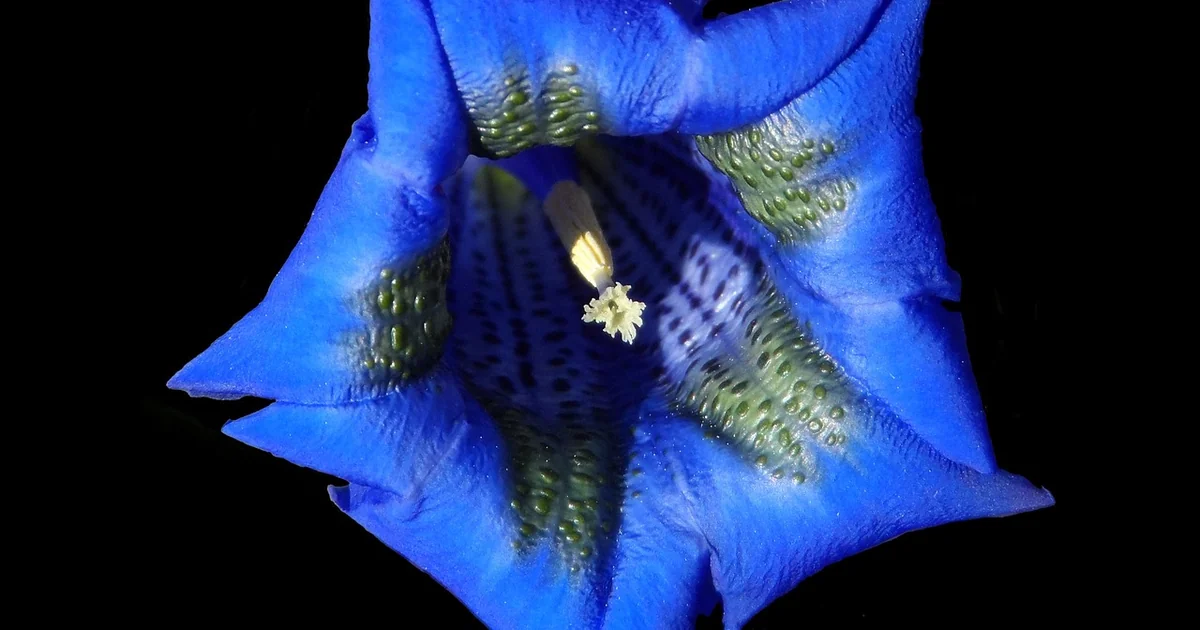
The plant itself stays compact, reaching 1 to 3 feet tall and spreading 1 to 2 feet wide. Its foliage is a soft blue-green that complements the vivid white, purple, or near-blue flowers. If you have a shaded spot with rich, moist soil, growing gentian is surprisingly straightforward once you understand its unique preferences.
The 7 Secrets to Success with Gentian
These seven strategies cover every aspect of care, from siting and soil to propagation and variety selection. Follow them, and your gentian will reward you with decades of dependable fall color.
Secret 1: Master the Light Balance
Gentian needs light, but not too much. Morning sun is ideal, followed by afternoon shade. In northern climates, full sun is tolerable, but anywhere south of Zone 7, intense afternoon rays will scorch the leaves and shorten the bloom period.
The plant evolved on the edges of moist woodlands, where dappled light filters through taller trees. Recreate that environment in your garden by placing gentian on the east side of a building or under the canopy of a deciduous tree. If you notice the foliage turning pale or developing brown edges, the plant is getting too much direct sun.
Secret 2: Get the Soil and Water Right from the Start
Gentian demands humus-rich soil that stays consistently moist but never waterlogged. The ideal pH is mildly acidic, between 5.5 and 6.5. Before planting, work a 3-inch layer of compost or well-rotted leaf mold into the top 8 inches of soil. This boosts organic matter and improves moisture retention.
After planting, water deeply once a week for the entire first growing season. A 2-inch layer of organic mulch, such as shredded bark or pine straw, helps lock in moisture and keeps the root zone cool. Without that mulch, the soil can dry out in as little as two days during a summer heat wave, stressing the plant.
One often-overlooked detail: gentian is sensitive to drought but also hates standing water. If your soil is heavy clay, amend it with coarse sand or grow the plant in a raised bed. The roots need oxygen as much as they need moisture.
Secret 3: Plant in Fall for a Head Start
Fall is the single best season for planting gentian. The cooler temperatures and natural rainfall give the root system time to establish before the stress of summer arrives. Aim to plant at least four weeks before the first hard frost in your area.
Dig a hole the same width and depth as the nursery container. Gently loosen the root ball, place the plant, backfill with compost-enriched soil, and water thoroughly. Space multiple plants 12 to 24 inches apart. Closer spacing creates a colony look faster, but wider spacing gives each plant room to mature without competition.
Avoid planting in spring if you can. Spring-planted gentian often struggles through its first summer because the roots have not had enough time to grow deep. If you must plant in spring, keep the soil consistently moist and provide afternoon shade without fail.
Secret 4: Feed Sparingly or Not at All
Gentian does not need fertilizer. In its native habitat, it grows in lean, organic soils where nutrients cycle slowly. A spring application of compost or a thin layer of rotted leaves provides all the nutrition the plant requires. Skip synthetic fertilizers entirely. They encourage soft, lush growth that attracts pests and reduces cold hardiness.
If your soil is extremely poor, you can apply a balanced, slow-release organic fertilizer at half the recommended rate once in early spring. But even that is rarely necessary. Overfed gentian produces more foliage than flowers, and the blooms that do appear are often smaller and less vibrant.
Secret 5: Prune at the Right Time and in the Right Way
Pruning gentian is simple. Wait until the plant has entered full dormancy, which happens after several hard frosts have killed the top growth. Then cut the stems down to ground level. Remove all debris to prevent fungal spores from overwintering in the garden.
Do not prune in fall while the plant is still green. The leaves continue photosynthesizing even after the flowers fade, sending energy to the roots for next year. Cutting too early weakens the plant over time.
No other pruning is needed. Gentian maintains a tidy, mounded shape naturally. If you deadhead the spent flowers, you will not get a second flush, but you may prevent self-seeding if that is a concern.
Secret 6: Propagate with Patience and Cold
Propagating gentian is the trickiest part of growing gentian, and it requires a long view. Seed germination is erratic and demands cold stratification for at least two months. Without that cold period, germination rates often fall below 20 percent.
To stratify, mix the seeds with moist sand, place them in a sealed bag, and store them in the refrigerator at 33 to 38°F for 60 days. After stratification, sow the seeds on the surface of a moist seed-starting mix. Do not cover them with soil; gentian seeds need light to germinate. Keep the tray at 65 to 70°F and expect sprouts in 2 to 4 weeks, though some seeds may take months.
Division is not recommended. Gentian has a taproot that resents disturbance, and divided plants often sulk or die. If you must divide, do it in early spring when the plant is still dormant, and keep the root ball as intact as possible. Even then, success is far from guaranteed.
A better approach for home gardeners: buy nursery-grown transplants from a native plant specialist. They have already navigated the difficult seedling stage, and you avoid the disappointment of failed germination.
Secret 7: Choose the Right Variety for Your Setting
Not all gentians are the same. The two most garden-worthy types for North American growers are Gentiana andrewsii, known as bottle gentian, and two lesser-known species that offer different habits and bloom times.
You may also enjoy reading: 7 Organic Materials to Fill a Raised Garden Bed.
Bottle Gentian (Gentiana andrewsii) is the species most often sold at nurseries. It produces clusters of deep blue to purple flowers that stay tightly closed, resembling small bottles. It grows 1 to 3 feet tall and blooms from late August into October. This is the hardiest option, thriving in Zones 3 through 7.
Spring Gentian (Gentiana verna) is a low-growing evergreen that forms a mat of foliage just 2 to 4 inches tall. Its flowers are a startling, intense aquamarine that appears in early to mid-spring. This species works wonderfully in rock gardens or as a groundcover in moist, part-shade spots. It is less common in nurseries but worth hunting for.
Willow Gentian (Gentiana asclepiadea) takes a different form entirely. It produces arching stems lined with narrow, willow-like leaves. The vivid sapphire flowers appear along the upper portion of the stems in late summer, creating a graceful, fountain-like effect. This species reaches 2 to 3 feet tall and prefers the same moist, part-shade conditions as bottle gentian.
When selecting a variety, consider your climate and the specific microclimate of your planting site. Bottle gentian is the most forgiving for beginners. Spring gentian demands sharper drainage and cooler summers. Willow gentian is the best choice if you want a more delicate, airy look.
Companion Plants That Bring Out the Best in Gentian
Gentian pairs beautifully with other moisture-loving, part-shade perennials. Astilbe offers fluffy plumes in pink, red, or white that contrast with gentian’s tubular blue flowers. Coral bells provide low mounds of colorful foliage that complement the blue-green leaves of gentian. Lady’s mantle contributes soft, scalloped leaves and chartreuse flower clusters that echo the cool tones of the gentian blooms.
For a native plant garden, combine gentian with lead plant, milkweed, wild indigo, Virginia bluebells, or meadowsweet. These plants share similar soil and moisture requirements, and they attract the same pollinators. The result is a self-sustaining community that supports local wildlife while providing months of visual interest.
A shaded rock garden is another excellent setting. The gentle, upright habit of bottle gentian provides height among lower-growing sedums, saxifrages, and creeping phlox. The rocks help keep the root zone cool, which gentian appreciates during hot spells.
Common Challenges and How to Overcome Them
Most gardeners who struggle with gentian make one of three mistakes: planting in full sun, letting the soil dry out, or trying to grow it south of Zone 7. Each problem has a straightforward fix.
If your site gets too much sun, transplant the gentian to a shadier spot in early fall or create temporary shade with a row cover during the hottest part of the day. If your soil dries out quickly, increase the mulch layer to 4 inches and install a soaker hose on a timer. If you live in Zone 8 or warmer, consider growing gentian as a biennial or choosing a heat-tolerant species such as Gentiana lutea, which is less fussy about cool summers.
Deer may occasionally browse the tender tips, but they rarely cause serious damage. The roots and leaves contain bitter compounds that deter most animals. If deer pressure is high in your area, a light spray of a deer repellent in early spring will protect the new growth.
Powdery mildew can appear if air circulation is poor. Space plants at least 12 inches apart and avoid overhead watering in the evening. If mildew does show up, remove affected leaves and dispose of them in the trash, not the compost pile.
The Quiet Patience of Growing Gentian
Growing gentian is not a project for the impatient gardener. The plant is slow to establish, finicky about seed propagation, and unforgiving of neglect in its first year. But once it settles in, it becomes a reliable, long-lived perennial that asks for almost nothing. The blooms arrive when many other flowers have faded, and they stay for weeks, deepening in color as the nights grow cool.
There is a quiet satisfaction in walking past a patch of gentian on a September morning, watching a bumblebee force its way into a tightly closed blue bud, and knowing that the plant will still be there next year, and the year after that. That kind of permanence is rare in modern gardens, and it is worth the extra effort at the start.