Every trip to the grocery store seems to bring another price increase. Fresh produce costs have climbed steadily, making many households wonder if they could save money by growing their own food. The question of whether growing vegetables cost less than buying them isn’t simple. It depends on your starting point, your choices, and your patience. We asked two experienced gardeners — master gardener Adam Weiss and farmer Anna Hackman — to break down the real numbers. Here are seven truths that reveal what it actually costs to grow your own veggies.
Truth 1: Starting from Scratch Can Be Expensive — But Containers Change Everything
If you already have a garden bed with decent soil, tossing in a few seeds costs almost nothing. But if you are building a garden from zero, the upfront investment can shock you. Weiss explains that creating a raised bed with organic soil, trellising, and mulching adds up fast. He gives a vivid example: a single tomato grown in a new raised bed might effectively cost between $45 and $60 when you factor in all the materials. That is a steep price for one fruit.
Amazon US Verified
Organic Perlite Horticultural Soil Conditioner
Lightweight volcanic mineral that improves root aeration and prevents compaction.
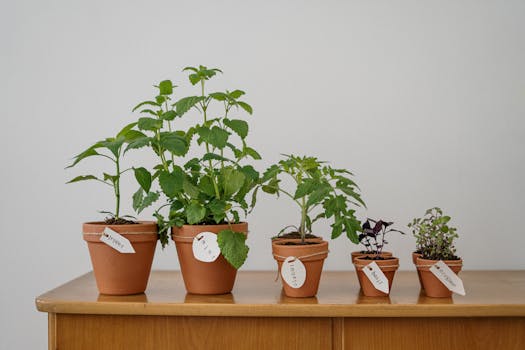
However, you do not need a full raised bed to start. Weiss recommends container gardening as a low-cost alternative. A few large pots, bagged potting mix, and seeds or seedlings can get you started for under $50. This approach keeps the initial growing vegetables cost low while you learn the basics. Once your containers are established, you can expand gradually without a huge financial hit.
Truth 2: The Long-Term Payoff Depends on What You Plant and How Long You Stick With It
That $60 tomato sounds absurd until you realize the same raised bed will produce for years. After the first season, your only expenses are seeds, water, and occasional soil amendments. Weiss points out that a well-built garden becomes cheaper each year. The key is to choose crops that give you a high return. For example, a single tomato plant can yield 10 to 15 pounds of fruit over a season. At grocery store prices of $3 to $4 per pound, that plant pays for itself many times over — but only if you already have the bed.
Hackman agrees that long-term savings are real, especially if you grow vegetables that are expensive to buy, like heirloom tomatoes or specialty peppers. She notes that the initial investment is a barrier, but once you pass it, the growing vegetables cost drops dramatically. She suggests tracking your expenses for the first year to see the real numbers. Many gardeners find they break even by the second season.
Truth 3: Homegrown Taste and Variety Offer Value Beyond Dollars
Affordability is not the only reason to grow your own. Hackman emphasizes that you can grow heirloom varieties you will never find in a supermarket. Those unique tomatoes, purple carrots, or speckled lettuces have a flavor and freshness that store-bought produce cannot match. Weiss calls the experience “priceless.” He says there is nothing like the taste of a freshly picked vegetable from your container or raised bed. The mental health benefits of gardening — stress relief, connection to nature, physical activity — add another layer of value that does not show up on a spreadsheet.
When you factor in quality of life, the growing vegetables cost becomes less about money and more about satisfaction. If you love the taste of sun-warmed cherry tomatoes straight off the vine, that pleasure is worth something. For many gardeners, the intangible rewards justify the expense.
Truth 4: Some Vegetables Are Extremely Cost-Effective — Especially “Cut and Come Again” Crops
Certain vegetables give you a huge bang for your buck. Weiss recommends lettuces, arugula, spinach, and radishes as top choices. These are “cut and come again” crops. You harvest the outer leaves, and the plant keeps producing for weeks. A single packet of lettuce seeds costs about $3 and can yield dozens of salads over several months. Radishes are even faster: they go from seed to harvest in just 30 days. That means you can sow multiple rounds in one season.
Amazon US Verified
Self-Watering Planters with Drainage Aerators
Elevated reservoir design that prevents soggy roots and ensures steady hydration.
Hackman adds that tomatoes and peppers are also winners because they produce prolifically and store well (you can freeze or can them). These vegetables are expensive to buy fresh, especially organic or heirloom types. By growing them, you slash your grocery bill for these items. When you calculate the growing vegetables cost per pound for these crops, it is often a fraction of the store price — especially after the first year.
Truth 5: Other Vegetables Are Better Left to the Grocery Store
Not every vegetable is worth the space and effort. Hackman advises buying carrots, celery, and onions instead of growing them. Carrots are tricky to germinate and need consistent watering; it is hard to grow enough to fill a bag. Celery requires specific seeds or it turns bitter, and it takes a long time to mature. Onions spoil quickly if you choose a variety that does not store well, so you may end up wasting more than you save.
Amazon US Verified
Digital 3-in-1 Soil Moisture & pH Meter
Accurate probe to test deep root zone moisture and prevent accidental overwatering.
Weiss points out that broccoli, cauliflower, and cabbage each take up about 10 by 10 inches of garden space and produce only one head per plant. Winter squashes and melons sprawl over large areas for months. For most home gardens, the yield per square foot is too low to justify the space. Instead, buy these vegetables when they are on sale and use your garden for high-value crops. This strategic approach keeps your overall growing vegetables cost in check.
Truth 6: You Can Grow Vegetables from Grocery Store Produce — for Almost Nothing
One of the cheapest ways to start a garden is to regrow vegetables from kitchen scraps. Hackman explains that spring onions (scallions) will regrow if you place the white roots in a glass of water. You can get multiple harvests from a single bunch bought at the store. Celery bases can also be sprouted in water and then planted. Potatoes, sweet potatoes, ginger, and garlic will grow from pieces of the produce you already have — as long as they have not been treated with growth inhibitors.
Weiss encourages gardeners to try this method. “If you’re looking at your spudding potato and considering throwing it in a pot with soil, do it!” he says. This technique dramatically reduces your initial seed costs. You can build a productive garden for pennies by using scraps from your kitchen. It is one of the best ways to keep the growing vegetables cost near zero while you learn the ropes.
You may also enjoy reading: 5 Pasta Casserole Recipes to Wow Your Dinner Guests.
Truth 7: Hidden Costs — Water, Soil, Tools, and Time — Add Up, but You Can Manage Them
Many beginners forget to account for ongoing expenses. Water is a major one, especially during dry spells. A vegetable garden can use 1 to 2 inches of water per week. For a 100-square-foot bed, that is about 60 gallons per week. Depending on your local water rates, that could add $10 to $20 per month during peak summer. Soil amendments like compost or fertilizer also cost money each season. Basic tools — trowel, pruners, hose, gloves — require an initial outlay of $30 to $50.
Time is another hidden cost. Gardening takes consistent effort: watering, weeding, pest control, harvesting. If you value your time at a high hourly rate, the math may not work in your favor. However, many gardeners consider the time a form of recreation, not work. To minimize hidden costs, Weiss suggests using rain barrels to collect free water, making your own compost from kitchen scraps, and buying tools secondhand. By being mindful, you can keep the true growing vegetables cost low and enjoy the rewards.
Frequently Asked Questions About Growing Vegetables Cost
What if I don’t have a green thumb? Will I waste money on seeds and supplies?
Start small with easy crops like radishes, lettuce, and herbs. Use containers to limit your investment. Even if a few plants fail, the total loss is small. Many seeds cost less than $3 per packet and can be saved for next season. You learn by doing, and the cost of mistakes is usually low.
How do I calculate the true cost of growing my own veggies, including water and soil?
Keep a simple notebook. Track every purchase: seeds, soil, pots, tools, and water (estimate based on your water bill). At the end of the season, divide total expenses by the pounds of vegetables harvested. That gives you your cost per pound. Compare that to store prices for similar items.
Why does starting a garden from scratch cost so much, and how can I minimize that?
Raised beds, quality soil, and irrigation systems are expensive. To minimize, use containers or in-ground beds if you have decent soil. Buy soil and compost in bulk. Look for free materials like cardboard for weed suppression or reclaimed wood for borders. Start small and expand over time.
Which vegetables are easiest and cheapest for beginners to grow in containers?
Lettuce, spinach, arugula, radishes, cherry tomatoes, bush beans, and herbs like basil and mint. These grow well in 5-gallon pots or larger containers. They require minimal space and produce quickly. Avoid large plants like squash or corn in containers.
Is it cheaper to grow organic vegetables at home than to buy them organic?
Generally, yes. Organic seeds and soil amendments cost more upfront, but you avoid the premium organic markup at the store. A single organic tomato can cost $1.50 at the supermarket. Growing your own organic tomato costs pennies per fruit after the initial setup. The savings increase with high-yield crops.
Understanding the true growing vegetables cost helps you make smart decisions. Start small, choose the right crops, and use kitchen scraps to keep expenses low. The payoff — both financial and personal — can be substantial.
As an Amazon Associate, azuloz.com earns from qualifying purchases.