Unlocking the Secrets of a Shade Garden Hero
You might have walked past a clump of lush, green fronds in a shady corner and barely given it a second glance. That unassuming plant, possibly a wood fern, deserves more attention than it gets. I have spent years watching gardeners struggle with finicky hostas or demanding astilbes when a tougher, more reliable option was right there. Wood ferns, belonging to the genus Dryopteris, bring a bold texture and unwavering resilience to spots where other plants simply give up. They ask for little and deliver a lot.
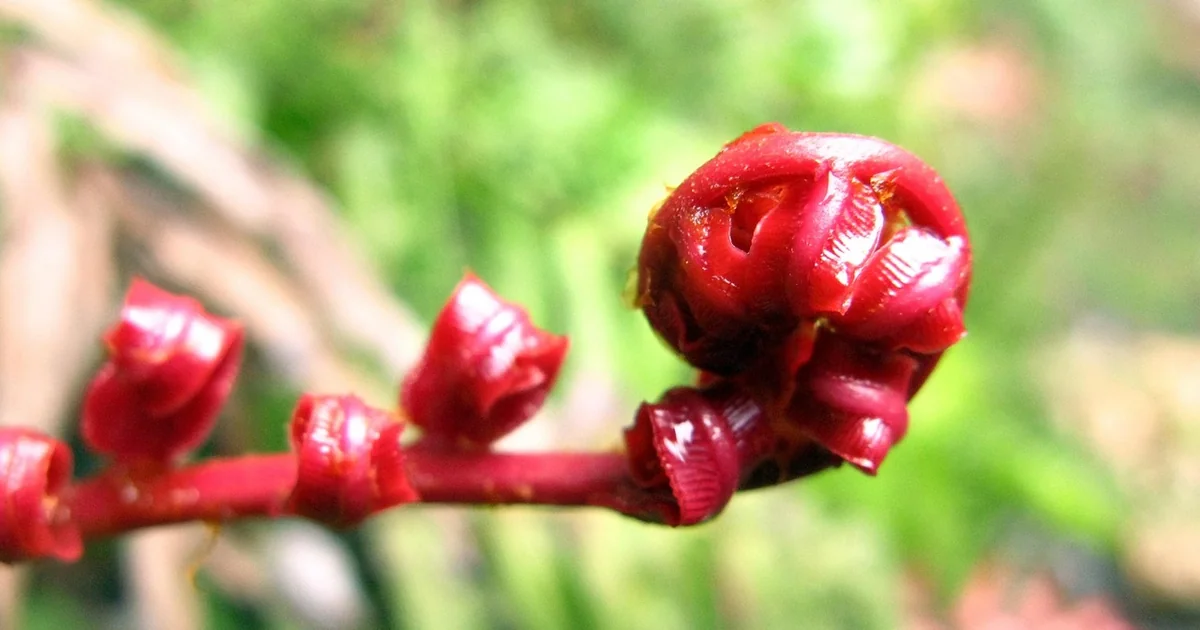
The world of growing wood fern is refreshingly simple once you understand a few core principles. These are not hothouse flowers. They are native to the cool forests of the northern hemisphere, from the hills of Asia to the woodlands of North America. They have survived countless winters and dry spells. With over 200 species in the Dryopteris genus, you have a vast selection, from compact forms perfect for a trough garden to taller specimens that anchor a border. My aim here is to share five expert tips that turn a casual planting into a lasting success.
Tip 2: Plant at the Perfect Time and Depth
Timing is a critical detail in growing wood fern successfully. The best windows are spring, just as new fiddleheads emerge, or early fall, when the heat of summer has passed but the soil is still warm. Planting in fall allows the root system to establish during the cool, moist months before winter arrives.
Depth is deceptively important. I have dug up ferns that were planted too deep, their crowns rotting underground. The crown, where the fronds meet the roots, should sit about half an inch below the soil surface. If you cover it with an inch of soil, you risk disease. If it sits too high, the roots may dry out. After placing the plant, firm the soil gently around the roots, not down on top of the crown.
Spacing for Airflow and Future Growth
Spacing depends on the variety, but a good rule of thumb is to leave 1.5 to 2 feet between smaller species and 3 to 4 feet for larger types like Dryopteris filix-mas. Overcrowding leads to poor air circulation, which encourages fungal problems. Give each plant room to reach its mature width without touching its neighbor.
Tip 3: Water with Consistency, Not Flooding
Water management is where many gardeners either drown or starve their ferns. The mantra for growing wood fern is consistent moisture. These plants do not want to stand in a puddle, but they also cannot tolerate bone-dry soil. The challenge is knowing when to water.
I recommend using the finger test. Insert your index finger into the soil up to the second knuckle. If the soil feels dry at that depth, it is time to water. If it feels cool and damp, wait another day. During the first growing season, you may need to water every two to three days in dry weather. Once established, wood ferns are surprisingly drought-tolerant for short periods, but prolonged dryness will cause the frond tips to brown.
Watering Technique for Healthier Fronds
Always water at the base of the plant. Overhead watering can splash soil onto the fronds, which can spread spores and encourage leaf spot diseases. A soaker hose or a drip line laid under the mulch is ideal. Water deeply, so the moisture penetrates at least 6 inches into the soil. Shallow sprinkling encourages shallow roots, which makes the plant more vulnerable to stress.
Tip 4: Feed and Mulch the Natural Way
Fertilizer is rarely needed if you use the right soil mix. In fact, high-nitrogen synthetic fertilizers can burn the delicate roots of wood ferns or force weak, floppy growth. The best nutrition comes from organic sources.
Spring Top-Dressing with Compost
Each spring, as the new fiddleheads emerge, spread a one-inch layer of homemade compost or well-rotted leaf mold around the base of the fern. Do not mix it into the soil; just lay it on top. Earthworms will do the work of incorporating it. This slow-release feeding mimics the natural leaf litter of a forest.
The Critical Role of Mulch in Moisture Retention
Mulch is your best friend in the shade garden. A two-inch layer of shredded bark, pine needles, or leaf mulch keeps the soil cool and moist during hot summer days. It also suppresses weeds that compete for water. I have seen wood ferns struggle for years until a thick layer of mulch was added. The following season, the fronds were noticeably taller and a deeper shade of green.
Tip 5: Divide and Propagate for Vigor and More Plants
Wood ferns benefit from division every three to five years. This prevents the center of the clump from dying out and gives you free plants for other parts of the garden. The best time to divide is mid-to-late spring, right when the new fiddleheads are just starting to unroll.
To divide, dig up the entire root ball with a sharp spade. Try to keep as much soil around the roots as possible. Then, use a clean, sharp knife or a sturdy garden fork to tease the clump into sections. Each section should have at least two to three healthy fronds or buds and a good chunk of fibrous roots. Replant each division immediately at the same depth it was growing before.
Growing Wood Fern in Containers
Container culture is a fantastic way to enjoy wood ferns on a patio or balcony. Choose a pot that is at least 2 inches wider than the nursery pot. Drainage holes are essential; without them, the roots will rot in summer rain. Use a mix of high-quality potting soil and about 25% leaf mold or composted pine bark.
Potted ferns dry out much faster than those in the ground. You will likely need to water daily during hot weather. They also need a light feeding. Use a balanced, granular fertilizer, such as a 10-10-10 formula, once a month during the growing season. Follow the label directions exactly.
Overwintering Container Ferns
Winter is the biggest challenge for container-grown wood ferns. The roots are much more exposed to freezing temperatures than they would be in the ground. Even if your fern is hardy to zone 3, a pot above ground can freeze solid and kill the roots. You have a few options. You can sink the entire pot into a garden bed for the winter, then lift it out in spring. Alternatively, wrap the pot in several layers of bubble wrap or burlap, or move it to an unheated garage or shed for the coldest months.
You may also enjoy reading: 7 Peony Care Tips for a Blooming May.
Wood Fern Care Essentials: Light, Soil, and Water
Let me summarize the care triangle for growing wood fern in your garden. These three elements are interrelated. Get them right, and the plant thrives. Get one wrong, and you will see problems.
- Light: Dappled shade or morning sun with afternoon shade. No more than 3-4 hours of direct sun, and never at midday.
- Soil: Moist but well-drained. Acidic pH, ideally between 5.0 and 6.0. Rich in organic matter like leaf mold or compost.
- Water: Keep the soil consistently damp, but not soggy. Water deeply when the top inch of soil feels dry. Reduce watering in winter for dormant varieties.
Temperature and Humidity Considerations
Wood ferns are native to temperate regions. They are built for cold winters and mild summers. Most species are hardy from USDA zones 3 through 9. They handle high humidity well, which is common in shaded woodland conditions. However, they struggle with extreme heat. If you live in an area where summer temperatures regularly exceed 90°F, you will need to provide extra shade and consistent moisture to prevent heat stress. Adding a thick layer of mulch becomes even more critical in these climates.
Pests, Problems, and Proactive Solutions
One of the best things about growing wood fern is its natural resilience. Deer usually leave them alone, making them a smart choice for rural gardens. They also face very few insect pests. However, no plant is entirely problem-free.
Common Issues and Their Causes
The most common problem is browning frond tips. This is almost always a sign of inconsistent watering, too much direct sun, or low humidity. Slugs and snails can occasionally chew on new fiddleheads in spring. A ring of crushed eggshells or diatomaceous earth around the base can deter them. Fungal leaf spots can appear if the fronds stay wet for too long. Proper spacing for air circulation and watering at the base usually prevents this.
Pruning for Health and Appearance
Pruning is minimal. In late winter or early spring, before the new fronds emerge, cut all the old, brown fronds down to the ground. This clears the way for fresh growth and removes any overwintering fungal spores. For evergreen species, such as the Autumn Fern (Dryopteris erythrosora), you can simply remove damaged or unsightly fronds as they appear.
Frequently Asked Questions About Growing Wood Fern
How much sunlight does a wood fern need?
Wood ferns perform best in full to partial shade. They can tolerate a few hours of gentle morning sun, but direct afternoon sunlight will scorch the fronds. A north-facing or east-facing location is ideal for these shade-loving plants.
When is the best time to plant a wood fern?
The optimal times for planting are spring, just as new growth begins, and early fall. Both seasons provide cool temperatures and naturally moist soil, which helps the fern establish its root system before facing summer heat or winter cold.
Can wood ferns grow in full shade containers?
Yes, wood ferns are excellent choices for containers placed in shaded areas. The key is to use a pot with good drainage and a potting mix rich in organic matter. You will need to water container ferns more frequently, often daily during hot weather.
How often should you water a newly planted wood fern?
Newly planted wood ferns need consistent moisture. Check the soil every two to three days during dry periods. Water deeply when the top inch of soil feels dry to the touch. Once established, they are more tolerant of short dry spells.
How do you propagate wood ferns?
The easiest and most reliable method is division. In mid-to-late spring, dig up an established clump. Use a sharp knife or spade to cut the root ball into sections, each with several fronds and roots. Replant the divisions immediately at the same depth.
Wood ferns offer a robust, low-maintenance solution for shady gardens. Their bold texture and year-round interest, especially from evergreen species, make them a versatile choice for any landscape. By selecting the right location, planting at the correct depth, and maintaining consistent moisture, you can enjoy a lush, green display that improves with each passing year. The effort is minimal, but the visual reward in a shaded corner is substantial.