Unlock the Secrets to Effortless Hanging Basket Blooms: 7 Magic Ingredients for Zero Maintenance
The image of overflowing, vibrant hanging baskets is a perennial dream for gardeners of all levels. But let’s be honest – maintaining them can feel like a constant battle against drying soil, inconsistent watering, and depleted nutrients. The good news is, achieving that picture-perfect display doesn’t have to be a demanding chore. By incorporating a few key ‘magic ingredients’ into your planting strategy, you can dramatically reduce your maintenance efforts and enjoy brilliant results all season long. This isn’t about complicated techniques; it’s about understanding the specific needs of your hanging baskets and providing them with the support they crave. Focusing on proper soil preparation, strategic moisture control, and sustained nutrition will transform your hanging baskets from a source of stress into a source of pure gardening joy. Let’s dive in and discover how to create a truly low-maintenance, flourishing display.
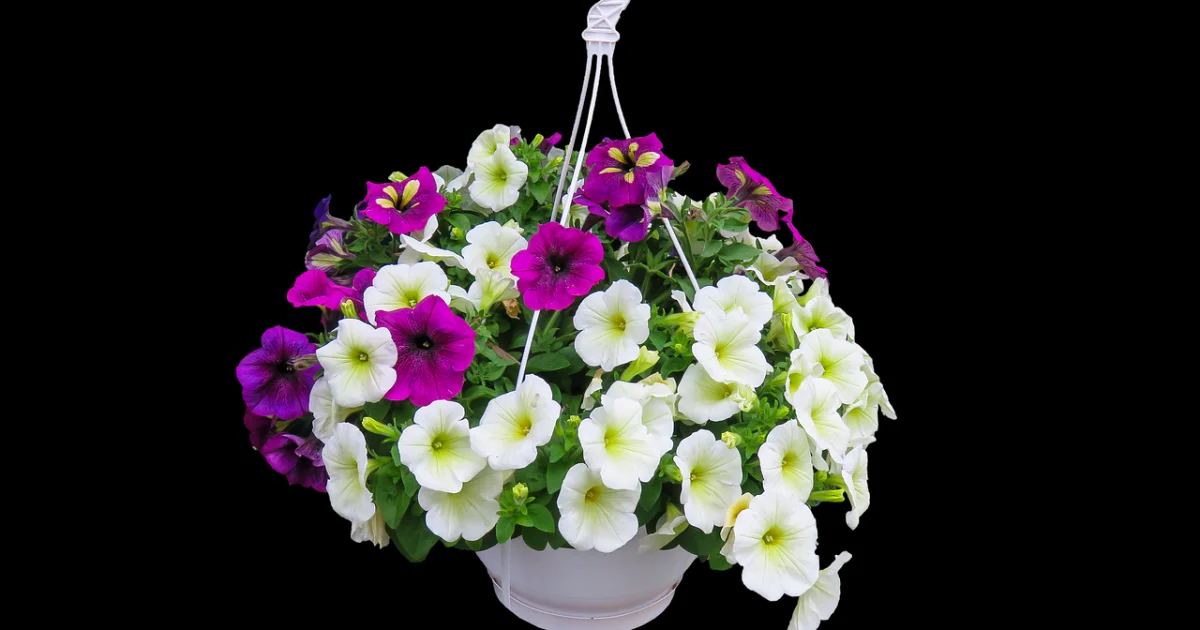
Growing a gloriously abundant hanging basket is achievable with the right techniques. The secret to growing a gloriously abundant hanging basket lies in prepping the potting soil to give the plants the consistent supply of moisture and nutrients they need to grow well. Get that right and you won’t have to spend nearly as much time tending to the plants, to enjoy still-brilliant results. More hanging-basket blooms for less effort? That’s the sort of gardening ratio we like here at Gardening Know How! A hanging basket is a harsh spot for any plant, offering limited access to nutrients but fully exposed to the elements with torrential rain, baking sun and bracing winds saturating or quickly drying out the soil. So, whether you’re planting a hanging basket of flowers for hummingbirds or for yourself to enjoy, or a suspended container of strawberries or tomatoes, it’s vital to make that environment as nurturing as possible. Your first step lies in choosing the best hanging basket plants for your conditions. But then, adding these magic ingredients when planting will make all the difference to how well they grow, and how much work you need to put in to keep them performing at their peak. As far as hanging basket tips go, these are most effective at creating a low maintenance hanging basket that’s still incredibly abundant, reduce the plants’ stress as well as their reliance on you, so they flower all summer long.
Choosing the Best Plants for Hanging Basket Success
Before we get to the magic ingredients, let’s address the foundational element: plant selection. Not all plants are created equal when it comes to hanging baskets. Certain varieties simply thrive in the confined, often exposed environment, while others struggle to cope. Consider the amount of sunlight your basket will receive – a south-facing basket will require plants that can handle intense heat, while a north-facing one will need more shade-tolerant options. Annuals are generally a better choice than perennials for hanging baskets, as they’ll provide a continuous burst of color throughout the season. Petunias, calibrachoa (Million Bells), lobelia, and fuchsias are popular choices for their vibrant blooms and trailing habit. If you’re aiming for edibles, trailing strawberries or cascading cherry tomatoes can add a delicious and beautiful element to your hanging display. Research the mature size of each plant to ensure it won’t outgrow the basket too quickly. A good rule of thumb is to choose plants that will remain relatively compact and won’t require frequent pruning.
Adding Magic Ingredients: The Core of Low-Maintenance Blooms
Now, let’s get to the heart of the matter: the 7 magic ingredients that will transform your hanging basket from a potential disaster into a thriving, low-maintenance beauty.
- Coconut Coir: The Moisture Maestro
- Water Reservoir: A Hidden Oasis
- Continuous-Release Plant Food: Sustained Nutrition
- Mycorrhizal Fungi: The Root Network Booster
- Vermiculite: The Volcanic Secret
- Sand: Drainage and Stability
- pH Buffer: Balancing Act
As we’ve already established, consistent moisture is paramount for hanging basket success. The exposed nature of these containers means the soil dries out incredibly quickly, often before you even have a chance to water. Coconut coir is a natural solution to this problem. It’s a byproduct of the coconut industry and is incredibly effective at retaining moisture without becoming waterlogged. Unlike traditional potting mixes that can compact and drain poorly, coconut coir’s fibrous structure creates a sponge-like effect, slowly releasing water to the roots as needed. The density of coconut coir is approximately 3 times its volume when dry, so a small amount goes a long way. Adding about 20-30% coconut coir to your potting mix (along with a good quality compost) will dramatically improve moisture retention. You can find it in brick or pellet form – simply rehydrate the brick according to the package directions before mixing it in. It’s a sustainable, readily available, and incredibly effective ingredient. Interestingly, a study by the University of California, Davis, found that plants grown in potting mixes containing coconut coir exhibited significantly higher rates of flowering compared to those grown in conventional mixes, particularly during periods of drought. This is likely due to the consistent moisture supply, which reduces plant stress and allows them to focus their energy on producing blooms.
Mini-payoff: Reduce tending time and enjoy brilliant results.
Prep the potting soil for consistent moisture and nutrients.
A strategically placed water reservoir can be a game-changer for hanging basket maintenance. The key is to avoid covering the base of the basket entirely, as this can lead to root rot. Instead, use a small, shallow drip pan—about 5 inches in diameter—placed beneath the basket. This reservoir will collect water that drains through the potting mix, providing a consistent supply of moisture to the roots. The amount of water you’ll need will vary depending on the size of your basket, the type of plants you’ve chosen, and the weather conditions. Check the reservoir daily and refill it as needed. The Royal Horticultural Society recommends a maximum depth of 2-3 inches for the reservoir to prevent waterlogging. Consider using a dark-colored drip pan to help regulate the temperature of the water and prevent algae growth. A well-designed water reservoir can significantly reduce the frequency of watering, especially during hot weather.
Mini-payoff: Minimize plant stress and encourage abundant blooms.
Use a drip pan to create a water reservoir.
Hanging baskets require regular feeding to maintain their vibrant color and abundant blooms. Traditional liquid fertilizers need to be applied frequently, which can be time-consuming and messy. Continuous-release plant food offers a convenient and efficient solution. These slow-release granules contain a balanced blend of nutrients that gradually release over a period of six months or more. When you initially plant the basket, sprinkle the granules evenly over the potting mix and water thoroughly. The granules will slowly dissolve, providing a steady supply of nutrients to the plants’ roots. Choose a continuous-release fertilizer formulated specifically for flowering plants, and follow the package instructions carefully. Over-fertilizing can be just as harmful as under-fertilizing, so it’s important to use the product as directed. A 20-20-20 fertilizer, for example, provides equal amounts of nitrogen, phosphorus, and potassium – the three primary nutrients plants need for healthy growth and flowering. Research suggests that continuous-release fertilizers can improve flowering performance by up to 20% compared to liquid fertilizers, due to the consistent nutrient supply.
Mini-payoff: Optimize plant nutrition for continuous flowering.
Incorporate continuous-release plant food for sustained nutrition.
Mycorrhizal fungi are microscopic fungi that form a symbiotic relationship with plant roots. They extend their hyphae (thread-like filaments) into the soil, effectively increasing the root system’s surface area and improving nutrient and water uptake. Adding mycorrhizal fungi to your hanging basket mix can significantly boost plant health and vigor. Look for mycorrhizal inoculants specifically formulated for use in potting mixes. These inoculants typically contain spores of beneficial fungi that will colonize the roots of your plants as they grow. While the effect may not be immediately noticeable, over time, the enhanced root system will lead to stronger plants, improved flowering, and increased resistance to diseases. Studies have shown that plants colonized by mycorrhizal fungi exhibit improved drought tolerance, increased nutrient uptake, and enhanced disease resistance. The benefits are particularly noticeable in container gardening, where the root systems are often limited.
Mini-payoff: Strengthen root systems and enhance nutrient absorption.
Vermiculite is a naturally occurring mineral that’s often used as a soil amendment. It’s lightweight, porous, and excellent at retaining moisture and improving aeration. Adding a layer of vermiculite to the bottom of your hanging basket can help prevent the roots from sitting directly in wet soil, reducing the risk of root rot. It also provides a slightly acidic environment, which is beneficial for many flowering plants. Look for horticultural-grade vermiculite, which is specifically formulated for use in gardens and containers. Avoid using expanded mica, which is a cheaper alternative but doesn’t provide the same level of moisture retention and aeration. A thin layer of vermiculite—about 1-2 inches thick—is sufficient to provide the desired benefits. The volcanic origin of vermiculite adds a unique element to this simple ingredient.
Mini-payoff: Improve soil aeration and drainage.
You may also enjoy reading: 7 Simple Sustainable Swaps for a Greener Home and Closet.
While coconut coir excels at moisture retention, it can sometimes compact and reduce drainage. Adding a small amount of horticultural sand to your potting mix can help improve drainage and prevent the soil from becoming waterlogged. Use coarse, sharp sand—not fine beach sand—as fine sand can actually compact and impede drainage. A ratio of 1 part sand to 3 parts potting mix is generally sufficient. Sand also provides stability to the potting mix, preventing it from becoming too loose and prone to spilling out of the basket. The addition of sand is particularly important for plants that prefer well-drained soil, such as petunias and fuchsias.
Mini-payoff: Prevent root rot and ensure proper drainage.
Soil pH plays a crucial role in plant health and nutrient availability. Most flowering plants prefer a slightly acidic soil pH of 6.0 to 6.5. Testing your potting mix’s pH is a good idea, but you can also add a pH buffer to the mix to ensure it’s within the optimal range. Agricultural lime (calcium carbonate) will raise the pH, while sulfur will lower it. Follow the package instructions carefully when applying a pH buffer. A slightly acidic pH promotes nutrient uptake and prevents nutrient deficiencies. Maintaining a balanced soil pH is essential for vibrant blooms and healthy growth.
Mini-payoff: Promote optimal nutrient uptake and vibrant blooms.
Creating a Low-Maintenance Hanging Basket: A Holistic Approach
Beyond the magic ingredients, several other factors contribute to a low-maintenance hanging basket. Mulching the surface of the potting mix with a thin layer of coconut coir or wood chips helps to retain moisture and suppress weeds. Regularly removing dead flowers and foliage prevents the buildup of disease and encourages continued blooming. Water deeply but infrequently, allowing the soil to dry slightly between waterings. And finally, provide adequate sunlight – most hanging basket plants need at least 6 hours of direct sunlight per day. By combining these strategies, you can create a hanging basket that’s both beautiful and easy to care for, allowing you to enjoy the rewards of your gardening efforts with minimal effort.
Addressing Moisture Issues: A Closer Look
While coconut coir and a water reservoir are essential, understanding how moisture moves within the basket is key. The type of potting mix you use matters. Avoid mixes that are already heavily compacted, as they won’t drain well. Regularly check the soil moisture with your finger – it should be slightly moist to the touch, but not soggy. Overwatering is a common mistake, and it can quickly lead to root rot. If you notice yellowing leaves or wilting, it could be a sign of overwatering. Conversely, if the leaves are drooping and the soil is dry, it’s time to water. Consider the microclimate of your basket – a location with strong winds will require more frequent watering than a sheltered spot. Observe your plants closely and adjust your watering schedule accordingly. Consistent moisture is the key to happy, healthy hanging baskets.
Exploring Watering Techniques: Beyond the Basics
Don’t just water when you think the plants need it. Monitor the soil moisture regularly and water deeply when you do. Water at the base of the plants, avoiding getting the foliage wet, as this can promote fungal diseases. Early morning watering is ideal, as it allows the foliage to dry before nightfall. Consider using a watering can with a rose head to provide a gentle, even distribution of water. For larger baskets, a soaker hose can be a convenient and efficient way to deliver water directly to the roots.
Managing Plant Nutrition: Ongoing Support
Hanging baskets require ongoing nutrition to maintain their vibrant color and abundant blooms. While continuous-release plant food provides a slow and steady supply of nutrients, supplemental feeding may be necessary, especially during periods of rapid growth or flowering. Liquid fertilizers can be used to provide a quick boost of nutrients, but they need to be applied more frequently than continuous-release fertilizers. Look for liquid fertilizers formulated specifically for flowering plants, and follow the package instructions carefully. A balanced fertilizer with a higher phosphorus content (the middle number in the N-P-K ratio) will promote flowering. Remember that over-fertilizing can be just as harmful as under-fertilizing, so it’s important to use the product as directed.