Lighting is often an afterthought in room decoration, relegated to the realm of “just turn it on.” But it’s far more than that – it’s a foundational element that profoundly impacts how a room feels, functions, and ultimately, how welcoming a home is. I’ve spent years observing how homeowners approach lighting, and the common thread is often a focus on trendy fixtures and statement lamps, neglecting the crucial understanding of light movement, shadow play, and the layered approach that truly elevates a space. Great lighting isn’t about spending a fortune; it’s about thoughtful design and a deep appreciation for the subtle power of illumination.
Over the years, I’ve been a home decorating consultant, and I’ve noticed a consistent pattern: people prioritize furniture, paint colors, and accessories, often overlooking the foundational impact of lighting. It’s a surprising oversight, considering how dramatically lighting can transform a room. My clients would often express concern about a room feeling “cold” or “uninviting,” and 9 times out of 10, the problem wasn’t the furniture; it was the lighting. The good news is that addressing lighting issues is often a relatively simple and cost-effective way to breathe new life into a space. Let’s delve into how you can create a lighting scheme that’s both beautiful and functional, moving beyond the outdated notion that lighting is merely a practical necessity.
The Four Pillars of Effective Home Lighting Design
The key to successful home lighting design isn’t about accumulating a collection of fancy fixtures. It’s about mastering the interplay of four distinct types of lighting: ambient, task, accent, and mood. Each plays a crucial role in creating a balanced and dynamic environment. Ignoring any one of these can lead to a room that feels incomplete or, worse, uncomfortable.
- Ambient Lighting: Think of this as the foundation of your lighting scheme. It’s the overall, general illumination that fills a room. It’s not about creating a dramatic effect; it’s about providing enough light for everyday activities. This can come from recessed lighting, a stylish ceiling fixture, or strategically placed floor lamps. The goal is to create a comfortable and even glow, avoiding harsh shadows and glare. Consider using dimmer switches to adjust the intensity and create different moods.
- Task Lighting: This is lighting designed for specific activities. A reading lamp next to an armchair, under-cabinet lighting in the kitchen, or a desk lamp for focused work – these are all examples of task lighting. The key here is to ensure that the light is directed precisely where it’s needed, minimizing glare and maximizing visibility. The brightness should be appropriate for the task; you don’t want to be squinting or straining your eyes.
- Accent Lighting: This is where the magic happens. Accent lighting is used to highlight specific features – artwork, architectural details, plants, or even interesting textures. Sconces mounted on walls, spotlights shining on a gallery wall, or uplighting that draws attention to a beautiful piece of furniture can dramatically transform a room. It’s about drawing the eye and creating a sense of depth and interest. A common mistake is to rely solely on overhead lighting; accent lighting adds visual layers and prevents a room from feeling flat.
- Mood Lighting: This is all about creating a specific atmosphere. Dimmer switches are your best friend here! Lowering the lights can instantly create a more intimate and relaxing environment. Warm-toned bulbs (2700K – 3000K) are generally preferred for mood lighting, as they create a cozy and inviting glow. Consider using candles, fairy lights, or strategically placed lamps to enhance the mood.
Beyond Chandeliers: Exploring Diverse Lighting Solutions
For decades, chandeliers have reigned supreme as the ultimate symbol of luxury and elegance. While a beautiful chandelier can certainly add a touch of glamour to a room, it’s important to recognize that they’re not always the best solution. Many chandeliers are overly large, overly bright, and create harsh shadows. Fortunately, there’s a vast array of alternative lighting options available that can achieve a similar level of sophistication without the drawbacks.
Let’s explore some alternatives:
- Flush Mount Fixtures: These fixtures are mounted directly to the ceiling, making them ideal for rooms with low ceilings. They provide a clean and modern look and can be easily integrated into various design styles. Look for models with adjustable heads to direct the light where you need it.
- Semi-Flush Mount Fixtures: These fixtures hang down slightly from the ceiling, offering a bit more visual interest than flush mounts. They’re a versatile option that works well in a variety of rooms.
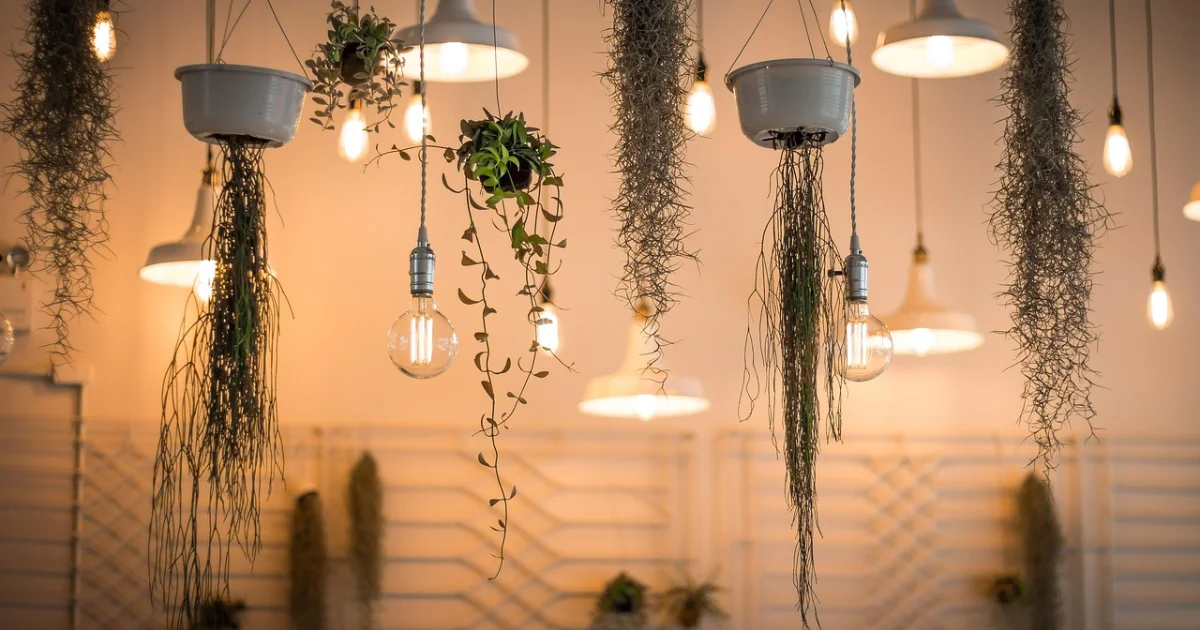
- Pendant Lights: Pendant lights hang from the ceiling and can be used in a variety of ways – over a dining table, in a kitchen island, or as a sculptural element in a living room. Choose pendants with a wide range of styles and finishes to complement your décor.
- Wall Sconces: Sconces are a fantastic way to add both light and style to a room. They’re particularly effective in hallways, bedrooms, and bathrooms.
- Track Lighting: Track lighting offers flexibility and allows you to direct light exactly where you need it. It’s a great option for highlighting artwork or architectural features.
The Importance of Light Bulb Temperature and Color
It’s easy to overlook the significance of light bulbs, but they have a huge impact on the overall feel of a room. The color temperature of a light bulb is measured in Kelvin (K). Lower Kelvin values (around 2700K) produce a warm, yellowish light, while higher Kelvin values (around 5000K) produce a cooler, bluish light. Using the wrong color temperature can dramatically alter the mood of a room.
Here’s a breakdown of common Kelvin values and their effects:
- 2700K – 3000K (Warm White): Creates a cozy and inviting atmosphere. Ideal for bedrooms, living rooms, and dining rooms.
- 3500K – 4100K (Neutral White): Offers a balanced and natural light. Suitable for kitchens, bathrooms, and hallways.
- 5000K – 6500K (Cool White/Daylight): Provides a bright and energetic light. Best for task-oriented spaces like offices and workshops.
Also, consider the CRI (Color Rendering Index). This measures how accurately a light source renders colors. A CRI of 80 or higher is recommended for most applications, as it ensures that colors appear true to life.
You may also enjoy reading: 7 Freshly Graduated Theme Ideas That Celebrate the Next Chapter.
Addressing the Challenges of Multi-Purpose Rooms
Today’s homes are often designed with multi-purpose rooms in mind – a living room that doubles as a home office, a dining room that’s also used as a playroom, or a bedroom that’s occasionally used as a guest room. This presents a significant challenge for lighting design, as you need to be able to adapt the lighting to different activities and moods.
Here are some strategies for tackling this challenge:
- Layered Lighting is Essential: As we’ve discussed, a combination of ambient, task, accent, and mood lighting is crucial for creating a flexible and adaptable space.
- Dimmers are Your Best Friend: Install dimmer switches on as many lights as possible to give you complete control over the light level.
- Consider Smart Lighting Systems: Smart lighting systems allow you to control your lights remotely and create custom lighting scenes for different activities.
- Strategic Placement of Lighting Fixtures: Think about how the light will travel through the room and where shadows will fall. Positioning fixtures carefully can help to minimize glare and maximize illumination.
Practical Tips for Improving Your Home Lighting Design
Ready to transform your home lighting? Here are a few practical tips to get you started:
- Start with the Function: Before you even think about aesthetics, consider how you’ll be using the room. What activities will you be performing? What kind of mood do you want to create?
- Don’t Rely Solely on Overhead Lighting: Overhead lights can be harsh and unflattering. Supplement them with floor lamps, table lamps, and sconces.
- Pay Attention to Shade and Bulb Type: The type of shade and bulb you choose can significantly impact the quality of light. Experiment with different options to find what works best for your space.
- Use Light Reflectance Values (LRV): LRV is a scale from 0 to 100, with 0 being the darkest black and 100 being pure white. Using light colored surfaces bounces light more effectively.
- Test, Test, Test: Don’t be afraid to experiment with different lighting arrangements until you find what works best for you.
A Personal Reflection: My Journey with Home Lighting
I remember a particularly challenging project a few years ago – a client’s living room felt cold and unwelcoming, despite the beautiful furniture and artwork. After a thorough assessment, I realized that the lighting was the culprit. The room was dominated by a single, overly bright chandelier, and there was no ambient or accent lighting to soften the effect. I recommended replacing the chandelier with a series of stylish floor lamps and wall sconces, and installing dimmer switches on all the lights. The result was dramatic – the room instantly felt warmer, more inviting, and more comfortable. It was a powerful reminder of the transformative power of lighting.
I’ve continued to refine my approach to home lighting design over the years, and I’ve learned that the most important thing is to prioritize function and create a balanced and layered lighting scheme. It’s not about chasing trends or spending a fortune – it’s about understanding how light moves through a space and using it to create a beautiful and comfortable environment. I truly believe that lighting is one of those behind-the-scenes design choices that quietly shapes how a room feels, functions, and even how welcoming a home is to live in day after day.