Unlocking the Secrets to Growing Sesame Seeds: A Guide for the Home Gardener
These beautiful plants not only yield a delicious and nutritious crop, but they also attract a wealth of pollinators to your garden, creating a miniature ecosystem of buzzing bees and fluttering butterflies. Let’s delve into everything you need to know, from choosing the right varieties to mastering the planting and care techniques, so you can enjoy a bountiful harvest of these ancient seeds.
The Allure of Sesame: A Historical and Horticultural Overview
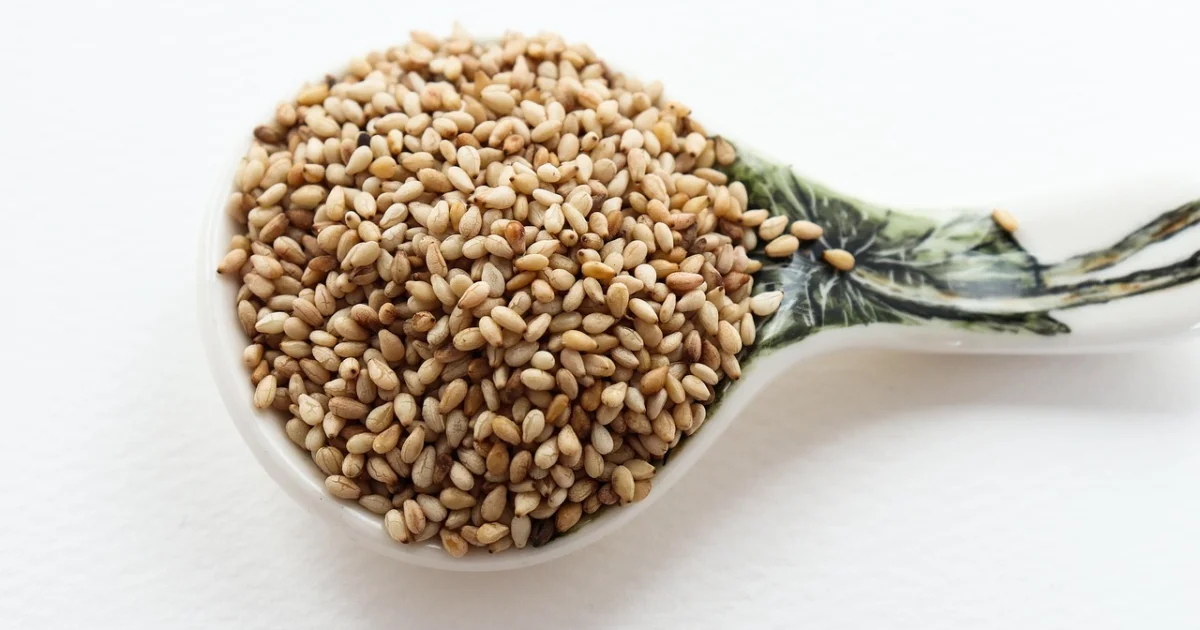
Sesame (Sesamum indicum) boasts a rich history, dating back thousands of years to ancient India. For centuries, it’s been valued not just for its seeds—a source of oil and tahini—but also for its ornamental beauty. Thomas Jefferson, the founding father, even experimented with growing sesame at his Monticello estate, recognizing its aesthetic appeal and potential for producing salad oil. Today, sesame remains a globally significant crop, cultivated in warm climates around the world. The plant itself is a robust annual, reaching impressive heights of 3 to 6 feet when provided with the right conditions. Its graceful appearance, with narrow, lance-shaped leaves and distinctive pink bell-shaped flowers, adds a touch of exotic charm to any garden. Golden sesame seeds offer a mild, nutty flavor, while black sesame seeds, with their intact hulls, are more nutritious and possess a bolder, deeper taste – a significant difference that impacts the final culinary application.
Beyond the undeniable charm of the plants themselves, growing sesame offers several compelling benefits. First and foremost, it’s a fantastic pollinator magnet. Those stunning pink flowers are a constant source of attraction for bees, butterflies, and other beneficial insects, contributing to a healthier and more vibrant garden ecosystem. Furthermore, sesame is remarkably drought-tolerant, making it a low-maintenance choice for gardeners in drier regions. It’s a heat-loving plant, thriving in warmer climates, yet surprisingly adaptable with a little care. Did you know that sesame seeds are packed with healthy fats, particularly monounsaturated fatty acids, and are a good source of protein and minerals? Harvesting your own sesame seeds provides a truly sustainable and delicious food source. Finally, the seeds themselves have a remarkably high oil content – approximately 50-60% – which is a valuable resource for culinary uses.
Choosing Your Sesame Variety: Golden vs. Black
When selecting sesame seeds for your garden, you’ll primarily encounter two main varieties: golden sesame and black sesame. Golden sesame seeds, as the name suggests, are light in color and possess a milder, more delicate flavor profile. They are frequently used in salads, stir-fries, and as a garnish. Black sesame seeds, on the other hand, are darker in color and have a richer, more robust flavor. Their hulls remain intact, which contributes to their nutritional value. Black sesame seeds are often used in baking, desserts, and Asian cuisine. Many seed catalogs offer a range of cultivars, each with slightly different characteristics – growth habits, seed size, and flavor. Researching your local nurseries and seed suppliers to discover the varieties best suited to your climate and preferences is a worthwhile investment.
Direct Sowing Sesame Seeds: A Zone 7 and Warmer Approach
For gardeners residing in zone 7 and warmer climates, direct sowing sesame seeds outdoors is a perfectly viable and often preferred method. This approach mimics the plant’s natural growing cycle and allows it to establish itself directly in the garden soil. Timing is crucial – don’t plant too early, as sesame is a tender crop sensitive to frost. Wait until the soil temperature has consistently warmed to 70 degrees Fahrenheit (21 degrees Celsius) – typically a few weeks after the last expected frost. To further encourage germination, consider laying down black plastic mulch over the seeding bed a week or so beforehand. This will accelerate soil warming, essentially creating a mini-greenhouse effect. Prepare the soil by loosening it to a depth of six to eight inches and incorporating a half-inch of compost or rotted manure for added nutrients. Once the soil is ready, sow the seeds a quarter to a half inch deep, spacing them approximately 3 inches apart. Thinning to 6 inches apart once the seedlings emerge will give them ample room to grow. Maintaining a lightly damp soil is vital during germination – a long-handled watering wand is a particularly helpful tool to avoid washing away the seeds. To protect young seedlings from unpredictable spring weather, consider erecting a mini hoop tunnel covered with clear plastic or a lightweight row cover.
Starting Sesame Seeds Indoors: A Strategy for Shorter Growing Seasons
Gardeners in colder climates, particularly those in zones 6 and below, benefit significantly from starting sesame seeds indoors 4 to 6 weeks before the last expected frost date. This head start allows the seedlings to mature and strengthen before being transplanted outdoors, increasing their chances of successful establishment. Sow seeds into seed starting trays or cell packs filled with a well-draining potting mix. Plant the seeds a quarter inch deep, ensuring they have adequate space to develop their roots. The ideal germination temperature for sesame is between 70 and 85 degrees Fahrenheit (21 and 29 degrees Celsius). Maintaining this warmth is crucial for successful germination, and a heat mat can be a valuable investment. Once the seedlings emerge, provide them with ample light – either natural sunlight or grow lights – to prevent them from becoming leggy. Gradually acclimate the seedlings to outdoor conditions before transplanting them into the garden, a process known as “hardening off.” This involves exposing them to increasing amounts of sunlight and wind over a period of 7-10 days.
You may also enjoy reading: Splurging on These 7 Game-Changing Things Gives You the Best Tomatoes Ever.
Post-Planting Care: Nurturing Your Sesame Plants
As your sesame plants grow, they’ll require consistent care to thrive. Regular watering is essential, particularly during dry periods. Aim to keep the soil consistently moist, but not waterlogged. Fertilize the plants every two to three weeks with a balanced fertilizer, following the manufacturer’s instructions. Support taller plants with stakes or trellises to prevent them from flopping over. Monitor the plants for pests and diseases, and take appropriate action if necessary. Common pests include aphids and spider mites, while fungal diseases can occur in humid conditions. Harvesting sesame seeds begins when the seed pods turn brown and dry. Cut the pods from the plants and allow them to dry completely before threshing the seeds out – this can be done by beating the pods against a hard surface. The seed yield can vary depending on the variety and growing conditions, but a healthy sesame plant can produce several cups of seeds.
Troubleshooting Common Sesame Growing Problems
Even with careful planning and diligent care, you may encounter challenges when growing sesame. One common issue is poor germination. This can be caused by insufficient soil warmth, inadequate moisture, or poor seed quality. To prevent this, ensure the soil temperature reaches 70 degrees Fahrenheit before sowing, maintain consistent soil moisture, and source seeds from a reputable supplier. Another potential problem is leggy seedlings – caused by insufficient light. Address this by providing adequate light or moving the seedlings to a brighter location. Yellowing leaves can indicate nutrient deficiencies. Supplement the soil with a balanced fertilizer to correct this issue. Finally, sesame plants are susceptible to fungal diseases, particularly in humid conditions. Improve air circulation around the plants and avoid overwatering to minimize the risk. Using organic fungicides can help control fungal infections if they occur.
Harvesting and Storing Your Sesame Bounty
The anticipation of a sesame harvest is a rewarding culmination of your gardening efforts. As mentioned earlier, the seed pods will turn brown and dry, signaling that it’s time to harvest. Cut the pods from the plants and allow them to dry completely – this may take several weeks. Once dry, thresh the seeds out by beating the pods against a hard surface. You’ll find that the seeds separate easily from the pod material. Store the harvested sesame seeds in an airtight container in a cool, dry place to preserve their freshness and flavor. Properly stored sesame seeds can last for several years. Consider using your harvest to create tahini, a creamy sesame paste used in hummus and other Middle Eastern dishes, or to add a nutty flavor to your favorite salads and stir-fries.
Beyond the Basics: Creative Uses for Sesame Seeds
Don’t limit yourself to simply enjoying the seeds raw or using them in traditional dishes. Sesame seeds have a surprising versatility in the kitchen. Toasting them enhances their flavor, making them a perfect addition to baked goods, granola, and trail mixes. Black sesame seeds are particularly popular in Japanese and Korean cuisine, where they’re used to make black sesame paste (arasu) and black sesame ice cream. Experiment with incorporating sesame seeds into your favorite recipes – you might be surprised at the delicious results. And remember, the beauty of growing your own sesame seeds extends beyond the culinary realm – it’s a chance to connect with nature, attract pollinators to your garden, and enjoy the satisfaction of cultivating a truly unique and rewarding crop.