The allure of a lush, green yard is a powerful one, and bamboo has long been a popular choice for homeowners seeking a dramatic and relatively low-maintenance landscape. However, beneath the exotic beauty lies a significant potential problem: running bamboo is notoriously invasive. It spreads aggressively, posing challenges to both your existing garden and your local ecosystem. This article delves into the realities of invasive running bamboo, exploring why it’s a risky choice, how to identify it, and what steps you can take to avoid becoming its next victim. We’ll go beyond the simple warnings and provide actionable insights, helping you make informed decisions about your landscaping.
Understanding the Bamboo Divide: Clumping vs. Running
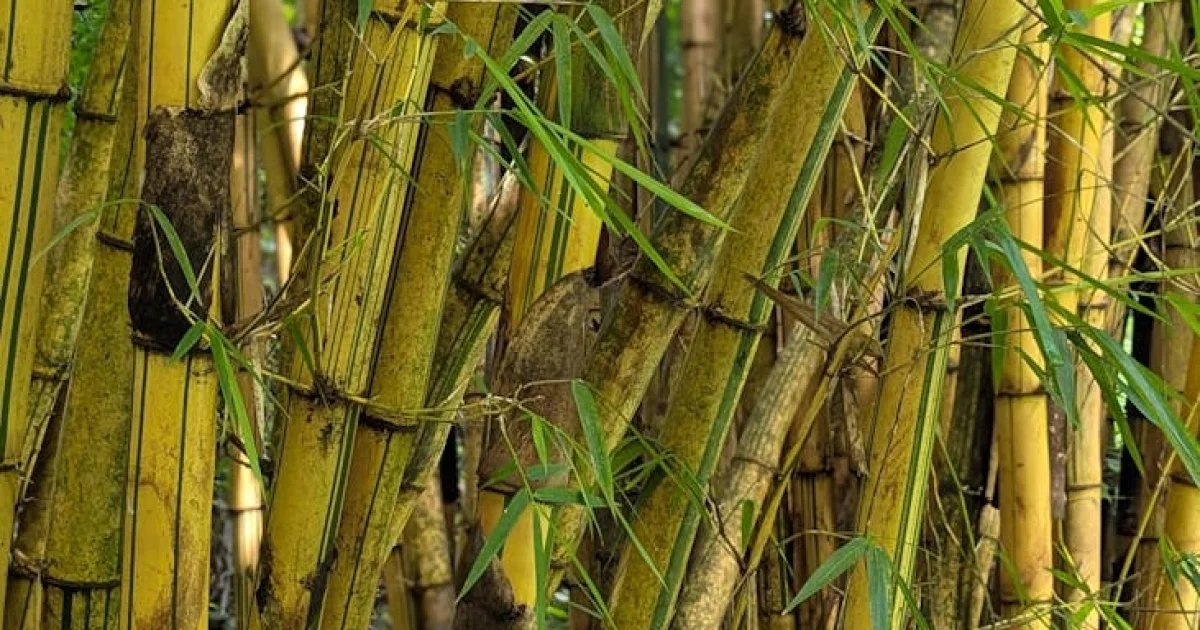
The term “bamboo” encompasses a vast and diverse group of plants, primarily grasses. Crucially, they’re categorized into two distinct types: clumping and running. Clumping bamboo, like those varieties of Phyllostachys (often referred to as “Buddha’s Belly” or “Mophead Bamboo”), grows in a tight, compact formation, staying within established boundaries. These are generally considered non-invasive and can be a beautiful addition to a garden. Running bamboo, on the other hand, is the species that causes the most concern. It’s a member of the Phragmites australis species, and it’s characterized by its ability to spread rapidly – and relentlessly – via underground rhizomes, which are essentially root-like stems that send out shoots horizontally. This is what allows it to ‘run’ across your yard, infiltrating neighboring properties and taking over available space. The difference between these two types is paramount to understanding the potential issues, as only running bamboo poses the serious problems we’ll discuss.
The Rapid Spread: How Fast Does Running Bamboo Grow?
The speed at which running bamboo spreads is truly remarkable. Researchers at the University of California, Riverside, have documented that this invasive species can extend its rhizome network at an astonishing rate of approximately 15 feet per year. That’s roughly the length of a mature adult human! This rapid growth isn’t just a linear expansion; it creates a complex and interconnected web of roots and shoots, making it incredibly difficult to control once established. Consider a typical suburban lot – a single clump of running bamboo, left unchecked, can quickly transform into a dense, impenetrable thicket, overtaking lawns, flowerbeds, and even encroaching on sidewalks and driveways. The growth rate is often underestimated, leading homeowners to initially believe they can manage it, only to find themselves overwhelmed by the sheer volume of vegetation.
Bamboo and Mosquitoes: A Surprisingly Strong Connection
Beyond its aggressive growth habit, running bamboo presents a significant challenge to mosquito control. This isn’t a coincidence; there’s a direct biological relationship at play. Bamboo stems, particularly when young, contain small cuts and fissures. These imperfections create tiny reservoirs of water, providing an ideal breeding ground for mosquitoes. Mosquito larvae thrive in these damp environments, and the bamboo’s dense foliage offers shade and protection, further facilitating their population growth. Studies have shown that areas with extensive bamboo growth often experience a higher mosquito density than comparable areas without it. The presence of these cuts, often unnoticed, is a critical factor in the bamboo’s role as a mosquito magnet. It’s like creating miniature swamps within your yard, attracting these irritating insects.
Container Planting Doesn’t Offer a True Solution
A common misconception is that planting running bamboo in containers can effectively contain its spread. While containers can certainly limit the surface area of the plant, they are fundamentally ineffective in preventing the rhizomes from penetrating the surrounding soil. The rhizomes are incredibly resilient and capable of extending far beyond the confines of the pot. Over time, they’ll inevitably find a way to break through the soil and continue their relentless advance. Think of it like trying to hold back a flood with a bucket – it’s a futile effort. Furthermore, even if the rhizomes are contained, the mosquito problem persists, as the water-filled cuts remain available for breeding. It’s essentially a temporary band-aid on a much larger, more systemic problem.
Reader Scenario: The New Property Owner’s Dilemma
Let’s imagine Sarah recently purchased a beautiful, sprawling property with a mature landscape. She’s excited to transform the yard into her dream garden, envisioning a vibrant mix of flowers, shrubs, and a striking bamboo grove. However, upon closer inspection, she discovers that the previous owners had planted running bamboo along the property line. Sarah, unaware of the plant’s invasive potential, begins to enthusiastically landscape, inadvertently creating a perfect environment for the bamboo to take hold. Within a few years, the bamboo has spread aggressively, encroaching on her flowerbeds, damaging her patio, and even threatening to overwhelm her garage. Sarah’s initial vision of a beautiful, tranquil garden has devolved into a frustrating battle against an unstoppable force. This scenario highlights the importance of thoroughly researching any plant before introducing it to your landscape.
Reader Question: How Do I Identify Running Bamboo?
Distinguishing running bamboo from clumping bamboo can be tricky, especially for novice gardeners. Here’s a breakdown of key differences to look for: Running bamboo typically grows in a sprawling, disorganized manner, with shoots emerging from various points along the rhizome network. Clumping bamboo, on the other hand, forms a tight, symmetrical clump of stems, with new growth originating from the center. Running bamboo stems are often hollow, while clumping bamboo stems are typically solid. Furthermore, running bamboo produces long, arching rhizomes that can be seen just below the surface of the soil. If you’re unsure, it’s always best to consult with a local landscaping expert or agricultural extension office for accurate identification. Don’t rely solely on online images; visual inspection is crucial.
You may also enjoy reading: 13 Reasons Why Your Hydrangea Leaves Are Turning Yellow and How to Ditch Rusty Water for….
Long-Term Consequences of Ignoring Bamboo’s Invasive Nature
Allowing running bamboo to spread unchecked can lead to a cascade of negative consequences. Beyond the aesthetic damage to your landscape, it can cause significant structural problems. The aggressive rhizomes can penetrate the foundations of buildings, creating cracks and weaknesses that compromise the integrity of the structure. They can also damage underground pipes and utilities, leading to costly repairs. Furthermore, the dense growth can impede drainage, increasing the risk of flooding and erosion. The long-term costs associated with managing an established bamboo infestation can easily exceed the initial cost of preventing it in the first place. It’s a regrettable investment to have to completely remove invasive plants in the long run.
Alternative Bamboo Options: Embracing Non-Invasive Varieties
Fortunately, there are viable alternatives to running bamboo that offer similar aesthetic appeal without the invasive potential. Clumping bamboo varieties, such as Phyllostachys aurea (Golden Bamboo) and Phyllostachys rubra (Red Bamboo), are excellent choices for landscaping. These species grow in a compact, manageable form and are far less prone to spreading. Fountain bamboo (Pleioblastus species) is another non-invasive option that offers a graceful, cascading appearance. Consider exploring native bamboo species in your region, which are naturally adapted to the local climate and soil conditions. By choosing non-invasive varieties, you can enjoy the beauty of bamboo without the risk of it taking over your property.
Additional Considerations for Landscape Design
When designing your landscape, it’s essential to consider the potential impact of any plant on the surrounding environment. Prioritize native plants that are well-suited to your region and require minimal maintenance. Avoid plants known to be invasive, and be mindful of the potential for root systems to spread beyond their designated area. Proper soil preparation and drainage can also help to prevent the establishment of invasive species. Consult with a qualified landscape designer to create a cohesive and sustainable landscape that enhances the beauty of your property while minimizing the risk of future problems. Consider using groundcover plants that naturally compete with invasive species.
Conclusion
Running bamboo, while visually appealing, presents a significant risk to homeowners. Its rapid growth, aggressive rhizome network, and ability to attract mosquitoes make it a problematic choice for many landscapes. By understanding the differences between clumping and running bamboo, taking preventative measures, and opting for non-invasive alternatives, you can enjoy the beauty of bamboo without the headaches – and the potential disasters – associated with this invasive plant. A little research and careful planning can go a long way in protecting your property and your peace of mind.