The Challenge of Keeping Linen Crisp
Linen clothing offers unmatched breathability and a relaxed elegance that many of us love during warmer months. The fabric, woven from flax fibers, is naturally moisture-wicking and durable. Yet it comes with one notable downside: wrinkles appear almost instantly after wearing or washing. For those who prefer a polished, smooth finish rather than the laid-back rumpled look, ironing linen clothing becomes an essential skill. The good news is that with the right techniques, you can achieve a professional-looking result without damaging the delicate fibers.
The secret lies in understanding how linen reacts to heat and moisture. Linen fibers are hollow and absorb water readily. When damp, they become pliable and easy to reshape. When dry, they resist movement. This core principle explains why the most effective ironing linen clothing methods all begin with adequate moisture. Rushing the process or applying too much heat in one spot can lead to scorching or unwanted shine. Patience and preparation make all the difference.
Below you will find five proven approaches that tackle the unique properties of linen. Each method builds on the same fundamental knowledge but offers a slightly different path to a smooth, wrinkle-free garment. Whether you are pressing a linen shirt for a business meeting or freshening up linen napkins for a dinner party, these techniques will serve you well.
1. Master the Damp-and-Roll Technique
Linen is nearly impossible to iron when bone dry. The fibers lock into their wrinkled state and resist heat. The damp-and-roll method solves this problem elegantly. About ten minutes before you begin, fill a spray bottle with cool, clean water. Give the garment a thorough spritz, paying special attention to collars, cuffs, pocket flaps, and button plackets. These areas tend to dry out fastest and benefit from extra moisture.
Once the fabric feels evenly damp but not dripping, roll the garment loosely into a bundle. Think of it like rolling a yoga mat rather than folding a letter. A loose roll allows moisture to penetrate every layer without creating deep creases. Leave the rolled garment for five to ten minutes. During this short rest, the water molecules work their way into the flax fibers, softening them for reshaping.
This waiting period is a common oversight. Many people grab a dry linen shirt and attempt to force wrinkles out with heat alone. That approach rarely succeeds and often damages the fabric. By investing ten minutes in proper dampening, you reduce the effort required later and achieve a smoother result with fewer passes of the iron.
Why This Method Works Better Than Spraying Mid-Ironing
Spraying water onto the fabric while the iron is moving can create uneven moisture distribution. Some areas steam away quickly while others remain too wet. The damp-and-roll technique ensures uniform hydration. It also prevents the common problem of water spots, which can appear if you spray too close to a hot iron. A well-moistened garment glides under the iron evenly, producing crisp results with less repeated contact.
2. Use High Heat and Maximum Steam
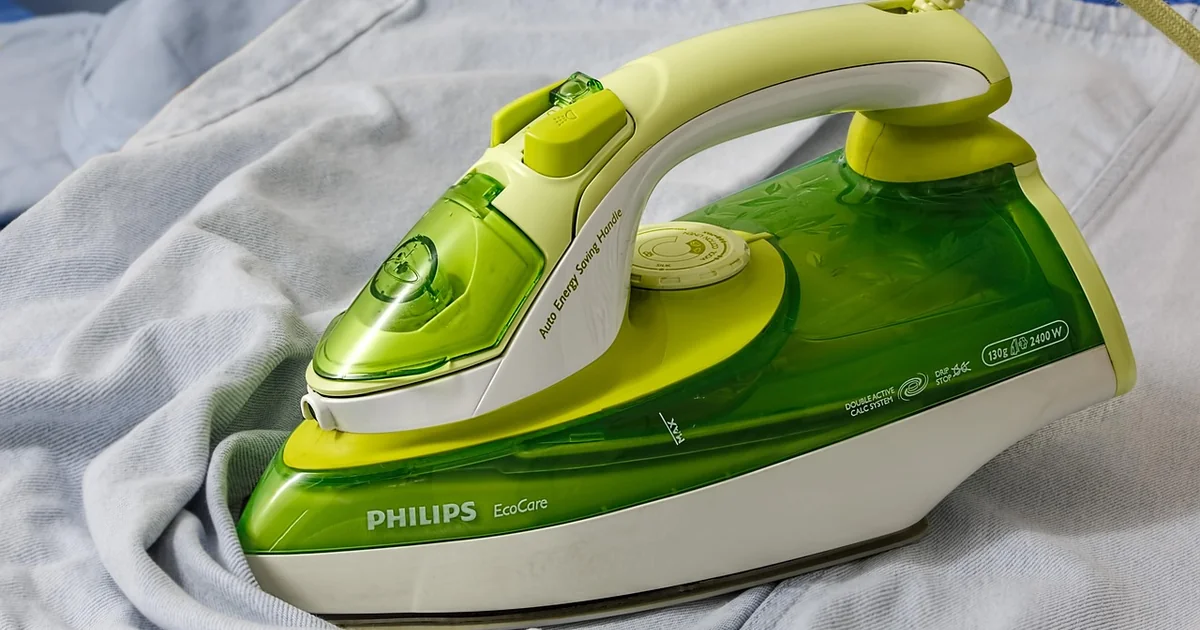
Linen thrives under high temperatures. Set your steam iron to the cotton or linen setting, which typically reaches around 400 degrees Fahrenheit. This level of heat, combined with a generous flow of steam, relaxes the flax fibers and allows you to press out wrinkles in a single smooth stroke. Lower settings simply do not provide enough energy to reshape the sturdy linen structure.
Before you begin, check that your iron’s water tank is full and its faceplate is clean. A dirty iron can transfer residue onto light-colored linen. Also inspect your ironing board cover. If it is thin or stained, place an old terry cloth towel underneath the garment. This extra padding protects buttons, prevents indentations, and gives a cleaner finish. The towel is especially important if your linen features embroidery or decorative stitching.
Keep the iron moving at all times. Pausing even for two or three seconds on one spot risks scorching the linen fibers. A slow, steady glide across the fabric is ideal. You should hear a gentle sizzle as the steam penetrates the weave. If the iron begins to stick or drag, you likely need more moisture or the heat is set too low for your specific linen weight.
How to Handle Thick or Double-Layered Areas
Collars, cuffs, waistbands, and plackets are usually constructed from multiple layers of linen. These areas need extra attention. When you begin ironing, start with these thicker sections while the fabric is still quite damp. Use additional water if necessary. Press firmly and slowly, allowing the heat to penetrate all layers. Once these parts are smooth, move on to the main body of the garment. Starting with the heaviest sections ensures that the rest of the fabric receives less heat, reducing the chance of over-drying.
3. Iron on the Wrong Side and Use a Pressing Cloth
One of the most common mistakes in ironing linen clothing is pressing directly on the right side of the fabric, especially on dark colors. The high heat can flatten the fibers and create an unnatural glossy sheen. This effect is similar to ironing a synthetic blend on too high a setting. Once that shiny spot appears, it is very difficult to reverse.
To prevent this, always iron linen on the wrong side whenever possible. Turn the garment inside out before you start. If you must iron the outer surface to reach a seam or hem, place a pressing cloth between the iron and the fabric. A plain white cotton cloth works well. Muslin, an old handkerchief, or a clean kitchen towel are also fine options. The pressing cloth absorbs excess heat and distributes it evenly, protecting the linen finish.
This technique is especially important for embroidered linen. The raised threads can be crushed by direct heat. Ironing on the wrong side allows you to smooth the background fabric without flattening the embroidery. If embroidery is present, iron that area first while the linen is at its wettest, then move outward to the rest of the garment.
Why Dark Linen Demands Extra Care
Pigments used to dye linen dark colors are more susceptible to heat damage. Shine appears more readily on navy, black, deep green, or burgundy linen. A pressing cloth is non-negotiable for these shades. You might also consider lowering the iron temperature by about 20 degrees for very dark linen, though this will require more passes to remove wrinkles. The trade-off is worth it to preserve the rich color and matte texture.
4. Starch and Sizing for Crisp Details
If you desire a truly sharp finish on collars, cuffs, and button plackets, spray starch or fabric sizing becomes your secret weapon. These products add temporary stiffness that holds a crisp edge throughout a day of wear. They also provide a secondary benefit: the starch helps repel stains. Dust and light spills tend to sit on the surface rather than sinking into the fibers.
Apply the spray starch or sizing after you have already dampened the fabric but before you begin ironing. Hold the can about eight inches away and mist lightly. Too much product can leave white residue. A thin, even layer is sufficient. Iron the starched areas with firm pressure and a steady motion. The combination of heat, moisture, and starch creates a structure that resists re-wrinkling.
Note that starch builds up over time. After several applications, you may notice a slight stiffness that washing does not fully remove. To prevent this, plan a deep wash every fourth or fifth wear using a gentle detergent and an extra rinse cycle. This will flush out accumulated starch without harming the linen.
Fabric Sizing as a Gentler Alternative
For those who prefer a less rigid feel, fabric sizing offers a middle ground. Sizing adds body and structure without the crunchiness of full-strength starch. It is particularly well-suited for linen dresses or blouses where you want a polished look but still need the fabric to drape naturally. Both products are inexpensive and widely available at grocery stores or online.
5. Hang and Cool After Ironing
Your work is not done the moment the last wrinkle disappears. Freshly ironed linen remains vulnerable to re-creasing until it cools completely and the fibers settle. Hang the garment in an uncrowded space immediately after pressing. Use a padded hanger for shirts or jackets to support the shoulders. For pants, use a clamp hanger at the hemline so the fabric hangs straight.
Wait at least ten to fifteen minutes before wearing the garment. This cooling period allows the flax fibers to relax into their new smooth shape. Rushing this step is the most common reason freshly ironed linen develops new wrinkles within minutes. The fabric needs time to dry fully and stabilize. Walking, sitting, or bending while the linen is still warm will undo your careful work.
You may also enjoy reading: A Beauty Editor’s Honest Review of Glo2Facial.
Make sure the hanging space has good air circulation. A steamy bathroom or a cramped closet will trap moisture and encourage the fabric to soften and crumple again. An open area with a ceiling fan or a gentle breeze from a window is ideal. If you are ironing linen tablecloths or napkins, lay them flat on a clean, smooth surface or drape them over a padded table edge until dry.
Why Damp Wearing Causes Extra Creasing
Putting on linen while it still feels slightly damp is a recipe for sharp, deep creases. The body heat and movement combine with residual moisture to create hard-to-remove wrinkles at the elbows, knees, and seat. Always check that the garment feels completely dry to the touch before you put it on. If in doubt, wait another five minutes. The patience saves you from having to re-iron later.
When You Want to Skip Ironing: Alternative Approaches
Not every day calls for the polished perfection of ironed linen. Many people appreciate the natural, effortless look of wrinkled linen, especially for casual outings or beach vacations. If you want to reduce wrinkles without bringing out an iron, several alternative methods can help.
First, remove linen from the washing machine as soon as the cycle ends. Shake the garment vigorously to release major wrinkles. Hang it on a padded hanger or lay it flat on a towel. While the fabric is still wet, gently pull seams, hems, and any misshapen areas to encourage them to lie straight. This simple routine prevents many wrinkles from setting in the first place.
Second, skip the clothes dryer entirely. The tumbling action and high heat of a dryer cause linen fibers to twist and compact, leading to deep-set wrinkles that are harder to remove later. Air-drying is gentler and preserves the natural drape of the fabric. If you must use a dryer, choose the lowest heat setting and remove the linen while it is still slightly damp.
Third, invest in a quality garment steamer. Steaming is faster than ironing linen clothing and gentler on the fibers. A steamer relaxes wrinkles without applying direct heat or pressure. You will not achieve the sharp creases that ironing provides, but a steamer effectively removes heavy wrinkles and gives the fabric a fresh, presentable look. Handheld steamers are affordable and easy to use for quick touch-ups between wears.
Finally, embrace the relaxed look. The more often you wear and wash linen, the softer and more supple the fibers become. Over time, linen gains a beautiful lived-in quality that many people find more appealing than the stiff, brand-new appearance. A slightly rumpled linen shirt or dress can look effortlessly stylish when paired with the right accessories and attitude.
Frequently Asked Questions About Ironing Linen Clothing
How do you remove stubborn wrinkles from linen?
Stubborn wrinkles respond best to heavy moisture and high heat. Spray the area generously with water, then place a damp pressing cloth over the wrinkle. Press firmly with a hot iron for five to ten seconds. Lift the cloth and check your progress. Repeat if necessary. This method works well for creases that have set in after wearing or improper storage.
Which is better, steaming or ironing linen?
Both methods have advantages. Steaming is faster, gentler, and less likely to damage fibers. It is ideal for removing light wrinkles and freshening a garment between washes. Ironing provides a crisper, more polished finish and is necessary for achieving sharp creases on collars, cuffs, and trousers. Choose steaming for everyday maintenance and ironing for formal occasions or when a precise look is required.
How do you iron a full linen suit?
Ironing a linen suit requires extra care due to the multiple layers and structured elements. Start by checking the care label. Dampen the fabric evenly with a spray bottle. Place the jacket on the ironing board and iron from the inside out, focusing on the lapels, collar, and sleeves. Use a pressing cloth for the outer fabric to prevent shine. Iron pants by working from the waistband down to the hem. Hang the suit immediately and let it cool fully before wearing.
Can you iron linen that is completely dry?
You can, but the results will be disappointing. Dry linen resists reshaping, so you will need to apply more heat and pressure, which increases the risk of scorching or creating shine. Always add moisture before ironing. A quick spray of water or a damp pressing cloth transforms the fabric from stubborn to cooperative.
How often should you iron linen clothes?
Frequency depends entirely on your personal style and the garment’s use. Some people iron linen shirts after every wash for a crisp look. Others prefer to iron only key items like collars or cuffs while leaving the body slightly relaxed. With linen, there is no right or wrong answer. The fabric adapts well to either approach, as long as you use proper techniques to protect the fibers.
Ironing linen clothing does not need to be a frustrating chore. By understanding the fabric’s relationship with moisture and heat, you can achieve smooth, professional results every time. The five methods described above offer a reliable framework that works for shirts, pants, dresses, suits, and even household linens. With a little practice, you will develop a rhythm that makes the process efficient and even satisfying.