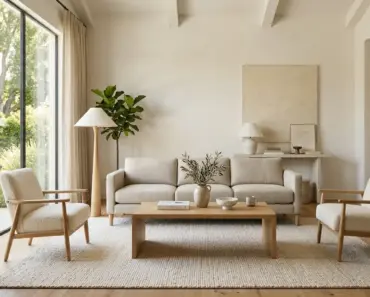
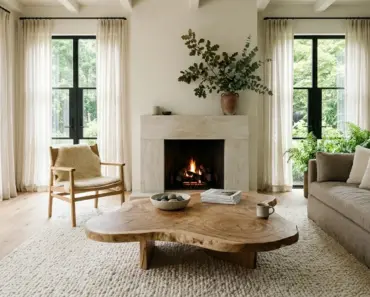
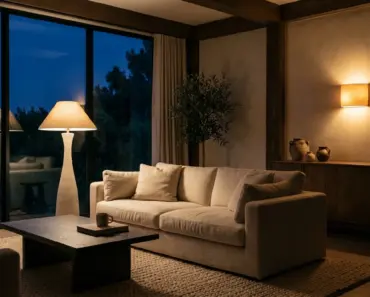
The color you choose for your kitchen might be making it feel smaller than it is. You picked that shade because you loved it in the magazine spread or on a friend’s island. But now the room feels tight, the walls seem to press inward, and the morning light barely reaches the counter. The science behind this is simple: dark hues absorb more light than they reflect. When a small room loses light, it loses the illusion of depth. The right paint color can work wonders for a cramped cooking space, while the wrong one can shrink it even further. Let us walk through seven specific paint colors that tend to compress a kitchen and, more importantly, show you what to use instead. These are kitchen colors smaller spaces simply cannot afford to get wrong.

Why Navy Blue Feels Overwhelming in a Compact Kitchen
Navy blue is a wildly popular choice. It complements nearly every other color, from crisp white to warm wood tones. Designers love it for its sophistication. But in a small kitchen, navy behaves differently. Darker walls absorb light rather than bounce it around the room. Navy, being especially deep, creates a high-contrast look when paired with bright cabinetry. That contrast can feel jarring rather than intentional when the room itself is tight.
International color specialist Amy Wax explains that while navy adds contrast beautifully in larger spaces, the intensity of that contrast in a small room becomes distracting. The eye has nowhere to rest. Instead of a calm, unified kitchen, you end up with a visual tug-of-war between dark walls and pale cabinets.
The Smart Alternative to Navy
You do not have to abandon blue entirely. Wax recommends reaching for a lighter slate blue or a blue-gray instead. These tones keep the same calming family of color but soften the contrast. A lighter blue wall still pairs well with white or wood cabinets without dominating the room. Your kitchen keeps its personality, but the walls stop pushing inward. This is one of those kitchen colors smaller spaces can adapt by simply choosing a lighter saturation of the same hue.
What Charcoal Gray Cabinets Do to Available Light
Charcoal gray sits firmly in the neutral family, which makes it feel like a safe choice. It is bold but not flashy, modern but not cold. Many homeowners choose it for lower cabinets or even an entire kitchen. The problem is that charcoal gray absorbs light aggressively because it is such a dark shade. Even if you have good artificial lighting, the walls and cabinetry swallow much of it, leaving the room feeling confined rather than striking.
The effect is especially noticeable in galley kitchens or layouts with only one small window. Closed cabinets in charcoal gray compound the issue by covering large surface areas with a light-eating finish.
Lighter Neutrals That Open the Room
Wax offers a clear path forward. Lighter neutrals expand a kitchen, and the options are vast. You can choose from warm beiges, light grays, tans, taupe, rich caramels, or cool grays. Each of these brings the same understated elegance as charcoal but allows light to travel across the space. If you love the moodiness of gray, try a pale greige or a soft warm gray. The room will still feel grounded, but it will also feel bigger. These are proven kitchen colors smaller kitchens can lean on without losing style.
Can You Use Green Without Making the Room Feel Cramped
Forest green and emerald green are undeniably dramatic. They bring a sense of refinement and a connection to nature that many homeowners find soothing. But these deeper greens carry a risk. Without sufficient natural light, they weigh down a space. The walls feel closer. The air feels heavier. Rather than a serene garden retreat, you get a cave-like atmosphere.
Interior designer Eddie Maestri highlights this exact problem. He notes that deep greens need breathing room and natural light to work properly. Small kitchens often lack both.
Muted Greens That Keep the Space Open
Maestri suggests reaching for a muted sage instead. Two specific options he recommends are Farrow & Ball Mizzle and Sherwin-Williams Sea Salt. These shades bring a grounded, serene quality while keeping the kitchen visually open. Wax similarly recommends a softer sage or a blue-green if you want a cooler feel. The green remains present, but it no longer fights for dominance. This approach demonstrates how kitchen colors smaller rooms can still include nature-inspired tones when you choose the right depth.
Dark Red Makes Walls Feel Closer Together
Dark reds such as ruby, scarlet, or burgundy have a powerful presence. They evoke warmth, richness, and even passion. But they also have a measurable downside in a small space. Deep red walls make the physical boundaries of the room feel nearer. Your brain reads the saturated color as a solid barrier rather than a receding surface. The result is a kitchen that feels darker and noticeably smaller.
The problem is compounded when red appears on multiple walls or on cabinetry. The color dominates the visual field and leaves no room for the eye to wander.
Earthy Reds and Gentle Pinks as Alternatives
Wax suggests moving toward earthier reds like rust or terra cotta. These shades offer a lighter feel while retaining an organic, grounded quality. For an even softer touch, she recommends adding a salmon pink or a creamy white into the mix. These colors bring warmth without the visual compression that pure dark reds create. Your kitchen can still feel cozy and inviting, but the walls will not close in on you.
You may also enjoy reading: 9 Above Kitchen Cabinet Decorating Ideas.
Deep Slate and the Tuxedo Kitchen Trap
Deep slate is a common choice for what designers call a tuxedo kitchen. That means dark lower cabinets and lighter upper cabinets. It is a popular two-tone look because it grounds the room visually while keeping the upper half airy. But deep slate is not a one-size-fits-all solution. These inky tones absorb a lot of light, making tight spaces feel more enclosed. If your kitchen has limited square footage and only one source of natural light, deep slate on the lower half can pull the entire room downward. The contrast between dark lowers and light uppers, while stylish, can also create a visual chop that makes the room feel segmented and smaller.
A Warmer Alternative for Depth Without Darkness
Instead of deep slate, consider a soft warm greige like Benjamin Moore Revere Pewter. This color provides depth and sophistication without the heavy light absorption of slate. It pairs beautifully with white uppers and maintains a cohesive flow from counter to ceiling. You still get a grounded, elegant look, but the room breathes more freely.
The Role of Natural Light in Choosing Dark Kitchen Colors
Natural light is the single biggest factor in how a paint color performs. A dark color that looks stunning in a sun-drenched showroom can turn gloomy in a north-facing kitchen. Before you commit to any deep shade, evaluate your kitchen’s light sources. How many windows does it have? What direction do they face? Is there an open doorway that lets light spill in from an adjacent room?
A color specialist would test a swatch on the wall and observe it at different times of day. Morning light is cool and blue. Afternoon light is warm and yellow. Evening artificial light shifts everything again. A deep color that works at noon may feel oppressive by 6 p.m. Understanding your light profile helps you avoid choosing kitchen colors smaller rooms simply cannot handle well.
How to Balance Contrast Without Overwhelming a Small Kitchen
Contrast is not the enemy. A kitchen with all-white walls and white cabinets can feel flat. Some contrast adds dimension and interest. But in a small space, the contrast ratio matters. When you pair a very dark wall color with very light cabinets, the jump between the two is too sharp. The eye registers each surface as a separate block, which breaks the room into smaller visual chunks. That segmentation makes the space feel even tighter.
To keep contrast in check, choose colors that sit closer together on the value scale. A medium gray with white cabinets offers subtle contrast without the jarring leap that navy or charcoal creates. You can also use dark colors as accents rather than full walls or all cabinets. A dark backsplash tile, a charcoal island base, or a deep slate hood surround can add drama without swallowing the room. This strategy lets you include bold favorites while keeping the overall footprint visually generous.
Frequently Asked Questions
What if my kitchen already has dark cabinets — can I paint the walls a light color to compensate?
Yes, light walls can help balance dark cabinets in a small kitchen. A soft white, pale gray, or light cream will reflect available light and create a sense of airiness around the bulky dark cabinetry. You can also add under-cabinet lighting and a mirror or glossy backsplash to bounce light further into the room. The key is to let the walls recede so they do not compete with the cabinetry for visual attention.
How do I test a color in my small kitchen without painting the whole wall?
Buy a sample pot and paint a large square of poster board or foam core. Place it in different spots around your kitchen and look at it in morning, midday, and evening light. Move it next to your cabinets, your countertops, and your flooring. This method gives you a true read without committing to a full wall. It also lets you compare two or three candidates side by side before you choose.
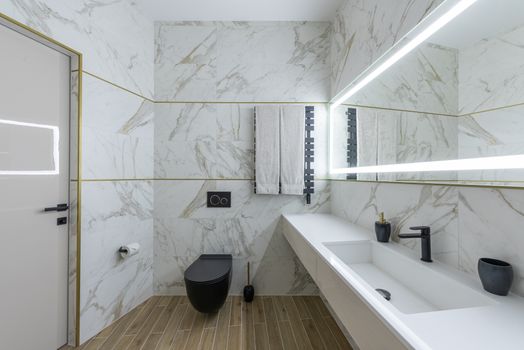
Amazon US Verified
Peel and Stick Textured Linen Wallpaper
Removable neutral wall covering providing architectural warmth and tactile depth.
Can I use dark colors on the floor or countertops instead of walls to avoid shrinking the space?
Dark floors can actually ground a small kitchen and make it feel more substantial, as long as the walls and cabinets remain light. Dark countertops work similarly — they add weight and sophistication without closing in the vertical space. The key is to keep dark surfaces below eye level. Once a dark color rises above the counter line, it starts to absorb light from the area you need to feel open. Limiting dark tones to lower surfaces is a safe way to enjoy deep color without sacrificing space.
As an Amazon Associate, azuloz.com earns from qualifying purchases.