Picture this: you’ve just finished cooking dinner, and the kitchen counter is a battlefield of rinsed yogurt containers, crumpled paper towel rolls, and an empty pasta sauce jar. You know they need to be recycled, but where do you put them? The designated bin is overflowing, a plastic bag full of cans is threatening to tip over, and sorting everything feels like an extra chore you just don’t have time for. This common scenario highlights a real problem—when kitchen recycling storage is inconvenient or chaotic, our good intentions to live sustainably often fall by the wayside. The solution isn’t just about buying more bins; it’s about integrating smart, thoughtful systems into the heart of your home to make the eco-friendly choice the easiest one.
The Core Principles of Effortless Kitchen Recycling
Before diving into specific solutions, it’s helpful to understand what makes a system truly “effortless.” Effective kitchen recycling storage is built on three pillars: proximity, clarity, and capacity. Proximity means having collection points right where waste is generated—next to the sink, under the counter, or integrated into your prep area. Clarity involves unambiguous labeling and distinct compartments so everyone, from adults to kids, knows exactly where a glass bottle or aluminum can should go. Capacity ensures your system can handle your household’s typical output between recycling pickups without creating overflow messes. A 2021 study by the Recycling Partnership found that households with clear, convenient recycling setups recycled 37% more material than those with haphazard systems. That statistic alone makes the case for a little upfront organization.
Smart Idea 1: The Integrated Pullout Cabinet Station
This approach turns a standard kitchen cabinet into a dedicated, hidden recycling hub. Instead of wrestling with freestanding bins, you install a pullout base cabinet unit that houses multiple containers. Think of it like a filing cabinet for your household waste.
How to Implement It
Start by measuring an underused cabinet, ideally near your primary cleanup zone. Many home improvement stores sell semicustom pullout kits designed for trash, but they can be easily adapted. You’ll typically install a frame with two or three fixed plastic bins. Label them immediately: one for landfill trash, one for mixed recyclables (if your municipality accepts them together), and perhaps a third for compostable food scraps. The beauty of this system is its seamless integration; you open the cabinet, slide out the entire unit, and have everything at your fingertips without any bins cluttering your floor space.
Pro Tip for Optimization
If your cabinet is deep, consider adding a shelf above the pullout unit. This shelf becomes perfect for storing a roll of compostable bags, a stack of flattened cardboard for later sorting, or even a small container for collecting plastic film like bread bags, which many stores now recycle.
Smart Idea 2: The Triangular Sorting System for Tight Spaces
Not everyone has a spare cabinet to convert. For kitchens with truly limited square footage, geometry can be your ally. The traditional rectangular bin takes up a full corner. By switching to triangular containers, you can fit three separate sorting bins into the same single-cabinet or corner footprint.
How to Implement It
Search for “triangular storage bins” or “corner storage containers.” Three of these will fit together snugly like a pie cut into slices. Assign one slice for paper and cardboard, one for plastics, and one for metals and glass. Place them inside a lower cabinet or even on a dedicated corner shelf. This method provides clear sorting right at the point of disposal, preventing the later headache of separating a mixed bag of recyclables.
Why This Works Psychologically
The distinct shapes and confined spaces create a natural “slot” for each material type. It simplifies decision-making at the moment you’re holding an item, which is crucial for habit formation. You’re not just tossing something into a big bin; you’re making a specific, simple choice.
Smart Idea 3: The Centralized Family Recycling Center
For homes with a garage, mudroom, or utility room adjacent to the kitchen, creating a primary sorting station outside the main cooking area can be a game-changer. This is especially useful for families generating higher volumes or dealing with multiple streams like deposits, hazardous materials, and standard recyclables.
How to Implement It
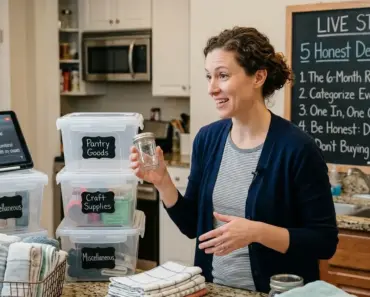
Choose a wall space and install a sturdy shelf unit or a series of stackable, clearly labeled bins. Use a pegboard backing to hang tools: bags for returnable bottles, a bucket for batteries, or a hook for your reusable shopping bags. The key is to make this station the family’s recycling “command center.” Post a simple chart from your local waste management authority detailing what can and cannot be recycled. According to the Environmental Protection Agency, about 25% of what ends up in recycling bins is actually non-recyclable “contamination,” which can cause entire loads to be rejected. A clear, accessible guide drastically reduces this.
Connecting It to the Kitchen
The kitchen still needs a primary collection point. Use a single, attractive catch-all bin in the kitchen. Then, make a daily or weekly routine of transferring items from this kitchen bin to the detailed sorting stations in your central hub. This two-step process keeps the kitchen tidy while ensuring meticulous sorting happens in a dedicated, less hectic space.
Smart Idea 4: The Disguised and Decorative Approach
Recycling doesn’t have to look industrial. If you prefer your kitchen to feel like a sanctuary, you can hide your systems in beautiful containers. This idea is about using attractive storage pieces that blend with your decor.
How to Implement It
An old wicker laundry basket, a large decorative ceramic pot, or a stylish wooden crate can sit in your kitchen holding the actual recycling bins inside. You place standard plastic bins inside these decorative shells. The outer container conceals the contents and adds to your room’s aesthetic. Simply lift the lid or open the front of the basket to access the functional bins inside.
Expanding the Concept
This principle can extend to drawer storage. If you have a deep, unused drawer, it can become a repository for flat items like newspapers, cardboard, and paper bags. Place a long piece of twine or jute rope at the bottom of the drawer before stacking. When the drawer is full, you pull the string around the stack, tie it up, and have a neat, bundled package ready for transport.
Smart Idea 5: The Mobile and Flexible Cart System
For ultimate flexibility, a rolling cart is a brilliant solution. It’s particularly ideal for kitchens with an island or for people who prefer to sort items right at the counter as they clean.
How to Implement It
Choose an affordable wire rolling cart with two or three shelves. On each shelf, place a different bin or basket—one for glass, one for plastic, one for paper. You can wheel the entire cart over to your cleanup area while you’re working, then roll it away to a corner or under a desk when finished. Some carts even have hooks on the sides for hanging bags for soft plastics or compost.
You may also enjoy reading: 7 Easy Breakfast Casserole Recipes for Busy Mornings.
The Advantage of Mobility
This system adapts to your activity. It can be your sorting station during a big cooking project, then become a transport aid on recycling day when you wheel it directly to your curb or garage. The mobility also makes it easy to empty and clean the individual bins, a task often overlooked with stationary systems.
Addressing Special Recycling Streams
A truly effortless system also accounts for items that don’t fit into the regular weekly bin.
Deposit Items
For states with bottle deposit laws, assign a specific, sturdy bag with a flat bottom. Hang it on two hooks (for stability) in your mudroom, garage, or near your centralized station. Label it clearly. This prevents deposit bottles from cluttering your main bins and makes the return trip a simple grab-and-go affair.
Hazardous Household Materials
Safety is paramount. Never mix batteries, old paint, electronics, or CFL bulbs with regular trash or recycling. Designate a single, sealed container (like a lidded plastic tub) in a safe, dry storage area. Check your local waste management website for disposal schedules—many communities offer quarterly or biannual collection events. Schedule your trip when the container is full.
Common Questions About Kitchen Recycling Storage
What is the most important feature to look for in a kitchen recycling bin?
The single most important feature is ease of use at the moment of disposal. This usually means a wide opening, a lid that opens smoothly (like a step-pedal), and clear, durable labels. If it’s awkward to use, you and your family will avoid it.
How can I get my family to consistently use the sorting system?
Make the system visually intuitive and involve everyone in its setup. Use different colored bins and large picture labels (e.g., a picture of a can on the metal bin). Hold a quick “family training” to show where everything goes. Consistency comes from clarity.
Do I need to wash my recyclables before putting them in the bin?
A quick rinse is generally recommended for food containers like jars, cans, and yogurt tubs. This prevents residue from attracting pests and reduces contamination at the processing facility. However, they don’t need to be dishwasher-clean; just free of major food scraps.
How do I handle recycling if my kitchen is very small?
Focus on single-stream recycling if your municipality offers it, using just one compact bin. Alternatively, adopt the triangular sorting system inside a cabinet or use a slim, vertical rolling cart that takes up minimal floor space.
What’s the biggest mistake people make with kitchen recycling storage?
The biggest mistake is using a system that’s too small or inconvenient, leading to overflow and piles of unsorted materials on countertops. This creates frustration and often results in recyclables being thrown in the trash instead. Always choose capacity over minimalism.
Transforming your kitchen recycling storage from a source of clutter to a pillar of efficiency is a tangible step toward a greener home. By choosing a system that aligns with your space, habits, and aesthetic, you remove the friction from the process. The goal is to make the right environmental choice feel automatic, turning daily recycling into a simple, seamless part of your kitchen routine.