When facing a breast cancer diagnosis, most people’s first instinct is to start treatment as quickly as possible. Kylie Minogue made a different choice. She delayed chemotherapy, a decision she has now shared publicly for the first time in her new Netflix documentary. Her reason was profoundly personal: she wanted to try to have a child.
The Australian pop star, now 57, has lived much of her life in the public eye. Yet this deeply private chapter — her fertility struggles intertwined with a second cancer diagnosis — remained hidden until her three-part series, titled Kylie, brought it to light. The confession is not just a celebrity revelation. It speaks to a dilemma many women face when illness and family planning collide.
What did Kylie Minogue reveal about her cancer diagnosis in the documentary?
The documentary explores two distinct cancer battles. The first, diagnosed in 2005 when she was 36, became a global news story. She received the all-clear in 2006. But a second cancer diagnosis came later, and she chose to keep that one completely private until now. No public statements, no press releases, no media appearances about it.
Viewers of the Netflix series see a side of Minogue rarely captured on camera. She speaks openly about the weight of carrying that secret. The second diagnosis did not receive the same fanfare as the first, which had drawn worldwide sympathy and support. This time, she processed her fear and uncertainty largely alone, away from the spotlight. Her decision to finally share this experience adds a layer of honesty to the documentary that fans have not seen before.
Why did Kylie Minogue delay her chemotherapy?
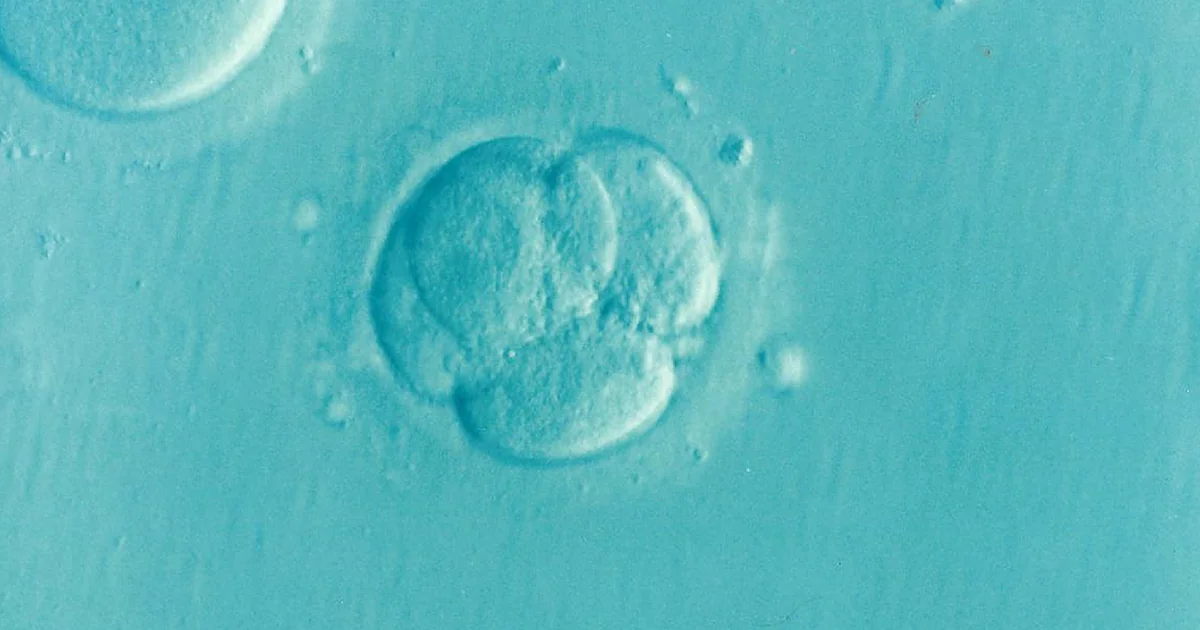
At age 36, Minogue knew her biological clock was ticking. Cancer treatment, particularly chemotherapy, can damage fertility. The window for having a child was narrowing. So she made a difficult calculation: postpone the very treatment that could save her life, and try to conceive through IVF first.
She described this period in the documentary with raw honesty. The risk felt enormous. Every day she waited, the cancer remained in her body. She wanted it out, gone, removed. Yet the pull toward motherhood was equally strong. She could not face the possibility of never trying. The IVF attempts carried what she called a thread of hope. Each cycle brought anticipation, followed by disappointment when it did not result in pregnancy.
For anyone who has faced a similar crossroads, the dilemma is agonizing. Do you prioritize survival now, accepting that fertility may be lost? Or do you gamble on hope, delaying treatment to preserve the possibility of a child? Minogue chose the latter, knowing full well the stakes.
What did Kylie Minogue’s letter to her child that might have been say?
One of the most touching moments in the documentary shows Minogue reading a letter she wrote. She addressed it to a baby that never came into existence. The words carry poetic longing and quiet acceptance.
She spoke of a flower blowing in the breeze, of a step into eternity that was not what it might have been. The letter wonders about a child wrapped in a blanket of hope, asleep on a bed of dreams. She asks whether that child can feel her breathing life into a vision that never materialized.
The final lines acknowledge uncertainty. Who knows which way the wind will blow? She waits for a whisper that may never arrive. For anyone who has experienced miscarriage, failed IVF, or the grief of infertility, this letter resonates as a tangible expression of loss. It gives voice to the ambiguous grief of loving someone who never existed, but who was deeply wanted.
How has Kylie Minogue’s perspective on motherhood changed over time?
In a 2019 interview with Sunday Times Style, Minogue reflected on where she stood at age 50. She admitted feeling more at ease with her life than she had in previous decades. Regret lingers, but she refuses to let it define her. Moving on, she explained, requires accepting that some doors close permanently.
She framed her journey philosophically. Destiny plays a role. If a miracle pregnancy had happened later in life, she wonders whether she could have managed it. That uncertainty suggests a shift from desperate hope to practical realism. She no longer chases a path that did not open for her. Instead, she focuses on what did unfold.
Minogue also expressed openness to being a stepmother. She told Elizabeth Day of the Sunday Times that it would be dishonest to claim there is no sadness about not having children. But she acknowledged that future partners may already have families, and she could imagine stepping into that role. That flexibility marks a significant evolution from the earlier, more driven desire to conceive her own child.
What other paths to parenthood has Kylie Minogue considered?
After her split from Andres Velencoso in 2014, Minogue gave an interview to The Sun where she considered adoption. Life had taken a different turn, she said. Accepting that having a baby of her own might not be meant for her opened a door to other possibilities. Adoption felt like a viable way to build a family.
The breakup with Joshua Sasse in February 2017 hit her hard. She described feeling broken after that relationship ended. Yet even through that pain, she maintained a practical outlook on family. She is a doting aunt to her nephews: Ethan, the 14-year-old son of her sister Dannii Minogue, and Charles, the 17-year-old son of her brother Brendan. Those relationships clearly matter deeply to her.
Her consideration of adoption and stepmotherhood shows that Minogue has not closed the door on parenthood entirely. She has simply expanded her definition of what a family can look like. That perspective offers comfort to readers who may struggle with the idea that one specific path is the only valid route to motherhood.
The emotional toll of IVF when facing a serious diagnosis
Fertility treatment is emotionally draining under normal circumstances. Adding a cancer diagnosis multiplies the stress exponentially. Minogue described her IVF attempts as being threaded with hope, but that hope came wrapped in fear. Every cycle carried the possibility of failure, and each failure brought her closer to the inevitable start of chemotherapy.
For readers who have faced a similar situation, the emotional weight is enormous. You are not just watching a calendar for ovulation. You are watching your health deteriorate. You are bargaining with time. The treatment schedule for IVF is grueling enough without the added pressure of a life-threatening illness.
Minogue has shown that it is possible to hold both hope and grief at the same time. She wanted a child desperately enough to postpone treatment. But she also accepted that her body and circumstances would not cooperate. That duality — longing for something while knowing it may never arrive — is a core human experience that her story illustrates powerfully.
You may also enjoy reading: Rock Star’s Wife Says 14-Year Marriage Done After Coming Out.
How Kylie Minogue’s letter to her child that might have been frames grief and hope
The letter Minogue read in the documentary functions as a ritual of release. It does not demand that the child exist. Instead, it honors the idea of that child, the possibility, the dream that once felt so real. Many people who experience fertility loss feel pressure to stay positive, to keep trying, to never give up. Minogue models a different response: acknowledging loss while still appreciating the beauty of what was hoped for.
The language of the letter — flowers, breezes, whispers, eternity — creates a soft landing for grief. It does not accuse fate or blame herself. It simply wonders. That tone of gentle curiosity rather than bitter regret may help readers who struggle to articulate their own feelings about unfulfilled dreams of parenthood.

Amazon US Verified
Little Spot of Emotion 8-Book Box Set
Engaging visual books and plushies that help children identify and regulate feelings.
Writing a letter to a child who never existed is a therapeutic exercise that therapists sometimes recommend. It externalizes the internal sorrow and gives it a name. Minogue’s public reading of her own letter may inspire others to try a similar practice as a way of processing their own losses.
The public vs. private experience of fertility struggles for celebrities
Minogue kept her second cancer diagnosis and fertility struggles hidden for years. That choice reveals something important about the pressure celebrities face. When you live in the public eye, every personal failure becomes a headline. Every failed IVF cycle becomes gossip. Every emotional breakdown becomes content.
She did not want that. She wanted to experience her grief privately, without the added weight of public commentary. Only now, on her own terms, has she chosen to share these details. This control over narrative matters. It allowed her to process the sadness without outside interference.
For readers who are not celebrities, the lesson is similar. You do not owe anyone your story of infertility or illness. You can choose when, where, and with whom to share. Minogue’s decade-long silence was not deception. It was self-protection. She shared when she was ready, and that timing belongs entirely to her.
How Kylie Minogue’s perspective on motherhood evolved after cancer
Minogue’s journey shows that life after cancer does not always follow a neat, happy narrative. She did not emerge from treatment with a baby in her arms. Instead, she emerged with a different understanding of what her life could hold.
At 57, she has built a career that spans decades. She has a devoted fanbase, creative fulfillment, and close family ties. She has said that she cannot imagine being able to manage a pregnancy at this point in her life. That is not a statement of defeat. It is a recognition of reality, paired with gratitude for what she does have.
Her advice to younger women facing similar crossroads might be this: you can try, even if the odds are against you. You can delay treatment for a dream. You can hope. And if it does not work out, you can still find a rich and meaningful life on the other side of that disappointment. The loss remains real, but it does not have to consume everything.
Frequently Asked Questions
Did Kylie Minogue reveal her second cancer diagnosis only in the documentary?
Yes. She kept the second cancer battle completely private until the Netflix documentary Kylie aired. No public announcements or media coverage existed prior to that. The documentary marks the first time she has spoken about that diagnosis and its connection to her IVF journey.
Why did Kylie Minogue decide to postpone chemotherapy for IVF?
She wanted to try to conceive a child before starting cancer treatment, which could permanently damage her fertility. At 36, she knew her window for natural conception was narrowing. She delayed chemotherapy to undergo IVF cycles, hoping for what she called a miracle, even though the decision carried significant medical risk.
What is the significance of the letter Kylie Minogue wrote to her child that might have been?
The letter is a poetic ritual that honors the idea of a child she never had. It expresses longing and acceptance simultaneously, without bitterness or blame. Many people who experience fertility loss may find comfort in this approach, as it validates the grief of an unfulfilled dream while allowing space for healing.
As an Amazon Associate, azuloz.com earns from qualifying purchases.