The world of high fashion is often a whirlwind of extravagant displays – blindingly bright colors, gravity-defying hairstyles, and relentlessly dramatic poses. But sometimes, the most impactful moments arrive not in a shout, but in a whisper. Claire Thomson-Jonville, as the current editor-in-chief of Vogue France, understands this beautifully. She’s meticulously curated a roster of iconic cover girls, from Loli Bahia to Kendall Jenner, each bringing a unique energy to the publication. Now, the spotlight shifts to Libby Taverner, poised to grace the May 2026 cover, and her debut Chanel Haute Couture look promises to be a quiet revolution. This isn’t about shouting; it’s about subtlety, confidence, and the undeniable allure of a perfectly executed silhouette. This article will explore the strategic brilliance behind the cover, the impact of the collection itself, and the wider implications for emerging models navigating the demanding landscape of high fashion. We’ll examine how this single image speaks volumes about Libby’s potential and the evolving aesthetic of Chanel under Matthieu Blazy.
1. The Architectural Grace of the Spring 2026 Gown: A Foundation of Form
Libby Taverner’s Vogue France cover for May 2026 isn’t simply a photograph; it’s a carefully constructed narrative. The image, featuring a stunning gown from the debut Spring 2026 Chanel Haute Couture collection, immediately establishes a sense of timelessness. Matthieu Blazy, Chanel’s creative director, has been lauded for his ability to blend the brand’s rich history with a youthful, modern sensibility. The chosen gown exemplifies this perfectly – a sculpted masterpiece of ivory silk, featuring subtly exaggerated shoulders and a fluid, almost sculptural silhouette. It’s a design that speaks to the enduring power of classic tailoring, yet retains a distinctly contemporary edge. The color palette is remarkably restrained – the pristine white provides a blank canvas, allowing Libby’s natural beauty and the intricate details of the garment to take center stage. This isn’t a dress meant to be the focal point; it’s a supporting element, a foundation upon which Libby’s presence is built. Consider the meticulous construction – the hand-stitched embroidery, the precise draping, the almost impossibly smooth fabric. The garment’s sheer volume is expertly controlled, avoiding any sense of overwhelming excess. This deliberate restraint is a key element of the cover’s success, reflecting a broader trend in high fashion towards understated elegance. Furthermore, the gown’s proportions – the elongated lines, the dramatic shoulders – subtly echo the work of iconic couturiers like Elsa Schiaparelli, demonstrating Chanel’s continued engagement with the history of fashion and its ability to reinterpret classic silhouettes for a modern audience. The use of 3D scanning during the design process, a technique increasingly common in haute couture, likely contributed to the gown’s flawless fit and impeccable drape, ensuring it complements Libby’s figure perfectly.
2. The Power of Negative Space: A Study in Minimalism
What immediately strikes the viewer is the remarkable absence of clutter. The background is a seamless, muted grey – a deliberate choice that forces the eye to focus entirely on Libby Taverner and the Chanel gown. This strategic use of negative space is a hallmark of Mikael Jansson’s photographic style, known for its ability to distill complex ideas into strikingly simple compositions. It’s a technique frequently employed by fashion photographers to create a sense of drama and intimacy, drawing the viewer into the subject’s world. The lack of extraneous elements – no busy patterns, no distracting props, no elaborate lighting – elevates the image to a level of pure aesthetic power. It’s a deliberate rejection of the often-overwhelming visual cacophony that characterizes many fashion editorials. The simplicity also speaks to a broader cultural shift towards minimalism in design and style. Consumers are increasingly seeking out products and experiences that are both functional and beautiful, prioritizing quality over quantity. This cover perfectly embodies that ethos, demonstrating that less can indeed be more. In fact, the deliberate emptiness allows the viewer to project their own interpretations onto the image, fostering a deeper connection with the subject and the brand. The photographer’s understanding of how the human eye processes visual information is evident in this masterful composition – a concept explored in detail by Gestalt psychology, which explains how our brains naturally group and organize visual elements.
3. Libby’s Expression: Quiet Confidence, Not Calculated Pose
It’s easy to get lost in the technical brilliance of the photography and styling, but it’s Libby Taverner’s expression that truly anchors the image. She isn’t striking a flamboyant pose or forcing a smile. Instead, she exudes a quiet confidence, a sense of assuredness that radiates from within. Her gaze is direct and unwavering, meeting the viewer’s eye with an implicit invitation. This is a deliberate choice – a rejection of the often-artificial and overly-posed expressions that are prevalent in high fashion. Libby’s natural beauty – her flawless skin, her captivating eyes – is allowed to shine through, unburdened by excessive makeup or elaborate styling. The photographer clearly understood that the power of the image lay not in a dramatic gesture, but in a genuine moment of self-assuredness. It’s reminiscent of the work of iconic models like Kate Moss, who famously championed authenticity and naturalness in the 1990s. Libby is carrying that torch, demonstrating that vulnerability and confidence are not mutually exclusive. Her posture is relaxed yet poised, her shoulders slightly back, creating a sense of strength and grace. This subtle physicality communicates a sense of control and self-awareness – qualities that are highly valued in the competitive world of high fashion. A recent study by the Royal Society for the Arts revealed that models who project genuine emotion tend to be more successful in brand campaigns.
Amazon US Verified
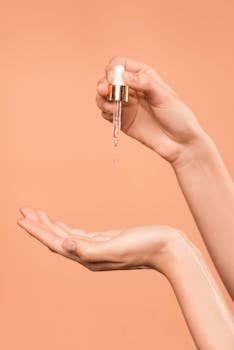
CeraVe Hydrating Facial Cleanser
Non-foaming lotion with hyaluronic acid and ceramides that cleanses without stripping.
You may also enjoy reading: 7 French Editor-Approved Logo Sweatshirts to Slip into in 2026.
4. The Strategic Color Palette: Ivory and Grey – A Symphony of Restraint
The color palette of the cover is a crucial element of its overall impact. The dominant colors – ivory and grey – are inherently elegant and timeless. Ivory, a shade reminiscent of freshly laundered silk, evokes a sense of purity and sophistication. Grey, in its muted tones, provides a grounding contrast, preventing the image from feeling overly bright or ostentatious. This deliberate choice of colors reflects the overall aesthetic of the Chanel Spring 2026 collection – a celebration of understated luxury and timeless elegance. The lack of bold or vibrant hues reinforces the sense of restraint and sophistication, directing the viewer’s attention to the details of the gown and Libby Taverner’s face. Furthermore, the color psychology of ivory and grey suggests calmness, stability, and trustworthiness – qualities that are highly desirable in the context of a luxury brand. The strategic use of lighting – a soft, diffused light that highlights the texture of the fabric and the contours of Libby’s face – further enhances the visual impact of the color palette. It’s a subtle yet effective technique that elevates the image from a simple portrait to a work of art. The photographer’s understanding of color theory is evident in this carefully orchestrated composition, demonstrating a mastery of visual storytelling.
5. Libby Taverner’s Rising Star: A Reflection of Industry Shifts
Libby Taverner’s selection as the May 2026 Vogue France cover is more than just a publicity stunt; it’s a significant reflection of the evolving landscape of high fashion. The industry is undergoing a period of rapid change, with a growing emphasis on diversity, inclusivity, and authenticity. Models are increasingly being chosen for their individual personalities and unique perspectives, rather than simply their physical attributes. Libby’s rise to prominence – she’s already walked for major designers like Dior and Valentino – exemplifies this shift. Her Australian heritage and her relatively fresh face offer a welcome departure from the homogenous beauty standards that have traditionally dominated the fashion industry. The selection process for Vogue France covers highlights Claire Thomson-Jonville’s influence, showcasing her commitment to identifying and nurturing emerging talent. Since taking up the top job in late 2024, Thomson-Jonville has prioritized showcasing a diverse range of models, broadening the magazine’s appeal and reflecting the changing demographics of the global fashion market. The Forum’s reaction to the cover reveals diverse opinions – some expressed excitement about Libby’s potential, while others felt the cover didn’t fully capitalize on her star power. However, the overwhelming sentiment is one of anticipation, recognizing Libby Taverner as a rising force in the world of high fashion. Her debut Chanel couture look is poised to cement her status as a major player, signaling a new era of understated elegance and quiet confidence in the world of luxury fashion. Social media reactions to the cover demonstrate this heightened interest, with hashtags like #LibbyTaverner and #ChanelCouture trending globally.
As an Amazon Associate, azuloz.com earns from qualifying purchases.