When expecting a baby, choosing a name carries weight. Some names feel timeless, but few carry the layered history and global reach of Mary. This name has topped charts for decades, inspired countless variations, and appears in nearly every language. Yet its origin story holds surprises that many overlook.
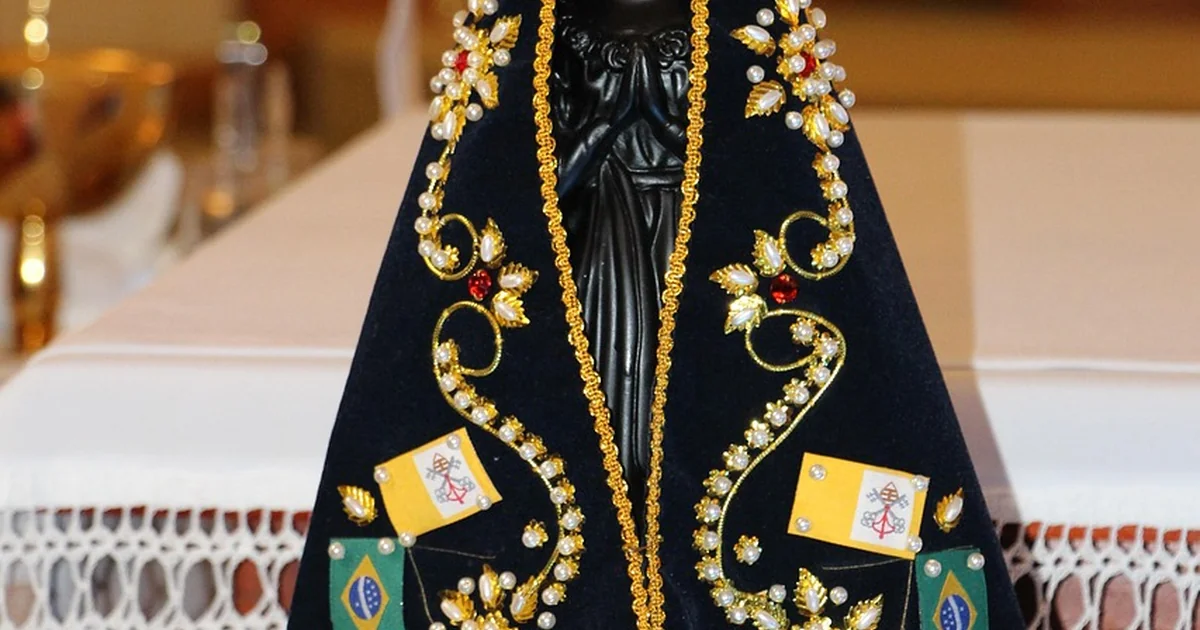
The Ancient Roots of Mary: From Miriam to the Modern World
The story of Mary begins far from English-speaking shores. It traces back to the Hebrew name Miriam, best known as the sister of Moses in the Old Testament. That original form, Miriam, already existed for centuries before evolving into the name we recognize today.
Scholars have debated the mary name meaning for generations. The Hebrew root may carry multiple interpretations. Some linguists believe it stems from a word meaning “beloved.” Others point to a different root that translates as “bitter” or “rebellious.”
This range of possible meanings reflects the biblical Miriam’s own story. She lived through the bitter experience of enslavement in Egypt. She also showed a rebellious spirit when she spoke out against Moses. The layered meanings fit a complex figure rather than a simple label.
How Miriam Became Mary
When Latin translators worked on the Bible, they rendered Miriam as Maria. This Latin form then traveled into French as Marie. English speakers eventually adapted Marie into Mary. That chain of translation took roughly two thousand years.
Each cultural shift added something. The name absorbed sounds and spelling conventions from every language it passed through. This explains why Mary feels both ancient and familiar in the modern world.
The Rise of Mary: A Century of Dominance in Baby Names
Mary held the number one spot for baby girls in the United States from 1900 through 1946. That represents nearly half a century at the top. No other name has matched that run of popularity in American history.
What drove this dominance? Religious tradition played the biggest role. Mary the mother of Jesus, known as the Virgin Mary, made the name sacred for Christian families. Generations of parents chose Mary to honor that figure and pass along faith.
Cultural habits also reinforced the pattern. Families often named daughters after grandmothers or aunts named Mary. The name became a tradition passed down like a family heirloom.

Amazon US Verified
Daily Visual Routine Chart for Toddlers
Interactive morning/bedtime chore chart that empowers independence and calm transitions.
When Linda Took the Crown
In the late 1940s, Mary finally dropped to number two. Linda claimed the top spot during those years. This shift reflected changing tastes after World War II. Parents began looking for fresher, less traditional options.
But Mary did not fade quietly. It reclaimed the number one position from 1953 through 1961. That comeback shows the lasting pull of a classic name. Even when newer choices emerged, many families still turned to Mary.
The Long Slow Decline
Mary remained in the top ten throughout the 1960s. Then in the 1970s, it started to slip. It stayed in the top twenty-five until 1980 before gradually losing ground.
In 2009, Mary fell below the one hundredth position for the first time since 1900. That milestone surprised many who assumed the name would always rank high. By 2024, Mary sat at number 132 on the Social Security Administration’s list.
This decline mirrors broader trends. Parents today favor shorter, less traditional names. Biblical names have lost ground to modern inventions and surnames used as first names. Mary now feels old-fashioned to many new parents.
A Name Without Borders: Mary in Every Language
One remarkable fact about Mary stands out: it has an equivalent in virtually every known language. Few other names cross cultures so completely. This global reach shows how deeply the name embedded itself worldwide.
Here are just a few international versions:
- Maria — Spanish, Italian, Portuguese, German, Scandinavian
- Marie — French, Czech
- Mariya — Russian, Ukrainian, Bulgarian
- Mária — Hungarian, Slovak
- Mariam — Arabic, Armenian, Georgian
- Maryam — Persian, Urdu
- Miren — Basque
- Moire — Scottish Gaelic
This consistency across languages happened because of the Bible. Christian missionaries carried the name wherever they traveled. Local communities adapted the pronunciation and spelling to fit their own tongues.
Spelling Variations and Modern Twists
English speakers have also created new spellings. Mariah gained popularity in the 1990s, partly due to singer Mariah Carey. Marya and Maryah offer other modern alternatives.
These variations let parents keep the spirit of Mary while giving their child a slightly different identity. For someone who loves the tradition but wants something less common, these options bridge the gap between old and new.
The Mary Family Tree: Similar Names and Creative Combinations
Mary has spawned an entire family of related names. Some combine Mary with other classic names to create fresh options. These hybrid names became especially popular in the mid-twentieth century.
Popular Mary combinations include:
- Maryann or Maryanne — Mary combined with Anne
- Marybeth — Mary plus Beth
- Marilee — Mary joined with Lee
- Marilu or Mary-Lou — Mary paired with Lou
- Marilyn — Mary blended with Lynne
These combinations let parents honor a family Mary while giving their daughter a name that feels distinct. Marilyn, in particular, became famous through actress Marilyn Monroe, though she was born Norma Jeane.
Similar Names for Girls Starting with M
If you like the sound or feel of Mary, other M names might appeal to you:
Madeleine, Madison, Maeve, Margaret, Martha, Meredith, Mia, and Myla all share a classic quality. Some feel more modern while others carry similar historical weight.
Names That Pair Well With Royal Roots
Mary has strong royal associations, so names with similar ties often complement it well. Consider Alexandra, Anne, Catherine, Charlotte, Diana, Elizabeth, Isabella, or Victoria as sibling or middle names.
Amazon US Verified
Little Spot of Emotion 8-Book Box Set
Engaging visual books and plushies that help children identify and regulate feelings.
These names share Mary’s dignified tone without sounding outdated. They also appear across multiple cultures, making them versatile choices.
The Biblical Legacy: Marys Who Shaped History
The New Testament features several women named Mary. This concentration of Marys in scripture reflects how common the name had already become by the first century.
Mary the Mother of Jesus
Known as the Virgin Mary, she remains the most famous bearer of the name. Her role as the mother of Jesus made the name sacred for billions of Christians. Countless churches, artworks, and devotions bear her name.
Mary Magdalene
An early and faithful follower of Jesus, Mary Magdalene appears throughout the gospels. She witnessed the crucifixion and the empty tomb. Her story of devotion and redemption has inspired books, films, and theological discussion.
Mary of Clopas and Mary of Bethany
These two women also appear in the New Testament. Mary of Clopas accompanied Mary Magdalene to Jesus’s tomb. Mary of Bethany was the sister of Lazarus who sat at Jesus’s feet to learn. Both show the diversity of women who carried this name in biblical times.
Royal and Influential Marys Through the Centuries
Beyond scripture, Mary has been a favorite name among royalty and historical figures. Three British queens have borne the name, each leaving a distinct legacy.
Queen Mary I of England
Known as Bloody Mary for her attempts to restore Catholicism in England, she ruled from 1553 to 1558. Her reign was marked by religious conflict, but she also demonstrated the political power a queen could wield.
You may also enjoy reading: 5 Reasons Gen V Isn’t Coming Back for Season 3.
Mary Queen of Scots
The mother of King James I of England, she lived a dramatic life of political intrigue and eventual execution. Her story continues to fascinate historians and storytellers.
Queen Mary II
She ruled jointly with her husband William III after the Glorious Revolution. Her reign helped establish the constitutional monarchy that shapes British government today.
Modern Notable Marys Across Different Fields
The name Mary appears across literature, science, entertainment, and social reform. These women show the range of achievement associated with the name.
Mary Shelley wrote Frankenstein at just eighteen years old. Her novel created an entirely new genre of science fiction. Mary Wollstonecraft, her mother, wrote early feminist philosophy that still influences gender equality discussions.
Mary Jackson broke racial barriers as a mathematician and aerospace engineer at NASA. Her work helped American spaceflight succeed. Her story gained wider attention through the book and movie Hidden Figures.
Mary Tyler Moore changed television by playing an independent single career woman. Her show proved that female-led comedies could draw huge audiences. Mary J. Blige earned multiple Grammy awards and helped define hip-hop soul music.
Mary Higgins Clark wrote suspense novels that sold millions of copies worldwide. Her ability to craft page-turners made her a bestselling author across decades. Mary Pickford was an early film star who co-founded United Artists studio.
Mary Baker Eddy founded Christian Science, a religious movement that still has followers today. Mary Lyon pioneered women’s education by founding Mount Holyoke College. Mary Todd Lincoln served as First Lady during one of America’s most difficult periods.
Mary L. Trump became a bestselling author and outspoken critic of her uncle Donald Trump. Mary Steenburgen won an Academy Award for acting. Mary Stuart Masterson appeared in beloved films of the 1980s and 1990s. Mary Wells sang hits like “My Guy” and helped define the Motown sound. Mary Shepard illustrated the original Mary Poppins books.
Is Mary Still a Good Choice for a Baby Today?
Many parents wonder whether a name that ranked 132nd in 2024 still works for a newborn. The answer depends on personal priorities. If you want a name that feels unique but carries deep roots, Mary fits well.
Modern parents often worry about the “bitter” or “rebellious” meanings tied to the name’s Hebrew origins. But most people do not associate Mary with those translations. The dominant association remains the Virgin Mary, which carries positive religious connotations for many families.
If the potential negative meanings bother you, consider using a variation. Mariah, Marya, or Maryah preserve the sound while distancing from the original Hebrew debate. You could also use Mary as a middle name, where it adds tradition without dominating the full name.
Practical Advice for Naming a Child Mary
If you plan to name your daughter Mary, try saying the full name aloud with your last name. Test how it sounds with possible middle names. Consider whether nicknames like May or Mimi feel natural to you.
Talk to family members named Mary to see how they feel about the name. Their experiences can give you real insight into what carrying a classic name feels like day to day. Ask if they have ever wished for a different name.
Think about how Mary will sound in professional settings later in life. A name with this much history can be an asset. It signals tradition and timelessness rather than trendiness.
Frequently Asked Questions About the Name Mary
What does the name Mary actually mean?
The mary name meaning likely comes from the Hebrew name Miriam. Scholars believe it may mean “beloved” or alternatively “bitter” or “rebellious.” The exact origin remains uncertain, which adds to the name’s mystique.
Is the name Mary too outdated for a baby born in 2025?
Not at all. While Mary peaked decades ago, classic names cycle back into fashion. Many parents today prefer names with historical weight over trendy inventions. Mary offers tradition, global recognition, and connection to countless inspiring figures.
What are the most common nicknames for Mary?
Popular diminutives include May, Mae, Mamie, Minnie, Molly, Polly, and sometimes Merry. Some families use the middle name as a nickname instead. Mary itself is short enough that many people use the full name.
Can Mary be a boy’s name?
Mary is traditionally feminine. Masculine equivalents include Marion, Marius, and Mario. These share the same root but have developed separate identities over time.
Why did Mary decline in popularity?
Several factors contributed. Parents began choosing less traditional, more diverse names after the 1960s. Biblical names overall lost ground to modern inventions. The cultural habit of naming daughters after grandmothers faded as families became smaller and more geographically scattered.
Mary remains a name with extraordinary depth. Its journey from ancient Hebrew through Latin, French, and into modern English spans millennia. The name has topped charts, crossed cultures, and appeared in sacred texts and royal courts. For parents who value tradition, global reach, and a connection to history, Mary still offers something few other names can match.
As an Amazon Associate, azuloz.com earns from qualifying purchases.