Why May Sets the Stage for Spectacular Hydrangea Blooms
There is a distinct shift in the garden when the calendar flips to May. The tentative green shoots of April harden into confident leaves. For hydrangea owners, this is the month that determines whether your summer will be filled with modest clusters or show-stopping, dinner-plate-sized blooms. Getting your may hydrangea care right during this growth surge is non-negotiable for bigger flowers. The plant is waking up hungry and thirsty, and your response to its needs over the next few weeks will directly influence the vibrancy of your entire summer display.
Amazon US Verified
Self-Watering Planters with Drainage Aerators
Elevated reservoir design that prevents soggy roots and ensures steady hydration.
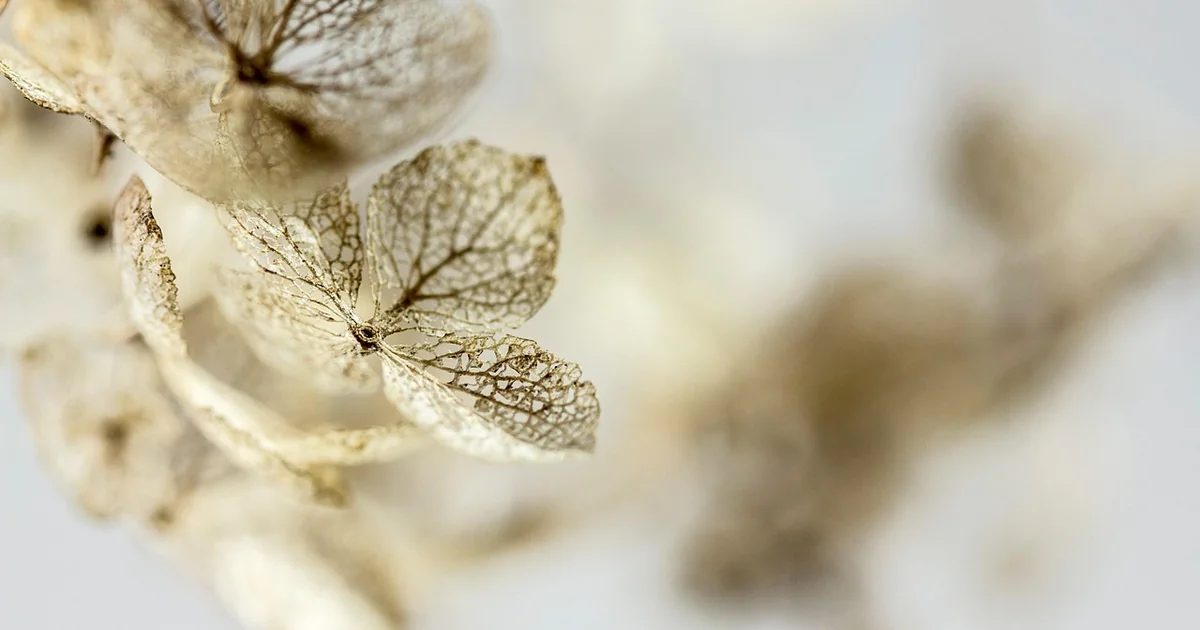
Many gardeners underestimate how quickly a hydrangea shifts gears in May. One week it looks like a collection of bare sticks. The next, it is covered in bright green foliage. This rapid transformation requires a lot of energy. If you fail to provide the right support now, the plant will still grow, but the blooms will likely be smaller and less impressive. Let’s explore the five specific actions that make the biggest difference for your shrubs this month.
1. Do a Spring Feeding for Sustained Energy
Think of May feeding as the starting line of a long race. Your hydrangea needs a solid fuel base to sustain its growth through the heat of July and August. While you may have added compost at planting time, those nutrients have likely been depleted over the winter or washed away by spring rains. A targeted application of fertilizer in May provides the steady nutrition required for large flower development.
Choosing the Right Fertilizer
A balanced, slow-release organic fertilizer is an excellent choice for hydrangeas. Look for a formulation such as 10-10-10 or a product specifically labeled for flowering shrubs. Slow-release options are particularly effective because they meter out nutrients over several weeks. This prevents a sudden, soft growth spurt that can attract aphids and other pests. Avoid high-nitrogen fertilizers. Nitrogen pushes lush green leaves at the expense of flowers. You want a formula that supports root health and bloom production equally.
How to Apply It Correctly
A common mistake is sprinkling fertilizer directly at the base of the main stems. This is not where the feeding roots are. The active roots extend outward to what is called the drip line—the outer circumference where the branches end. Scatter the granules evenly around this area. After applying, water the ground thoroughly. This helps the nutrients soak down into the root zone where they can be absorbed. If you are using a liquid fertilizer, dilute it according to the package instructions and apply it during your regular watering routine.
For container-grown hydrangeas, feeding is even more critical. The limited soil volume in a pot means nutrients are used up quickly. A half-strength liquid fertilizer applied every two weeks during May and June can make a dramatic difference in the size of your blooms.
2. Prune Out Dead Wood to Improve Airflow
Pruning hydrangeas often causes confusion because different varieties bloom on old wood or new wood. However, May is not the time for a major structural prune. The goal this month is far simpler and universally beneficial: clean up. Before the new foliage fills out completely, take the time to remove dead, damaged, or diseased wood. This simple task is a cornerstone of effective may hydrangea care.
Why Dead Wood Matters
Dead branches are more than just an eyesore. They act as a harbor for overwintering pests and fungal spores. When the weather warms and humidity rises, these problems can spread to the healthy parts of the plant. Removing dead wood improves air circulation in the center of the shrub. Good airflow is essential for preventing common issues like powdery mildew, which can disfigure leaves and weaken the plant.
How to Spot and Remove Dead Wood
Identifying dead wood is straightforward once you know what to look for. Live branches are supple and may have a green tint just under the bark. Dead wood, on the other hand, is brittle and hollow. It snaps easily when bent. It will lack any swelling buds or green tissue. Use a sharp pair of bypass pruners to cut these branches back to the base or to a healthy outward-facing bud. Make clean cuts to avoid crushing the stem. If you are removing wood that looks diseased, disinfect your pruners with rubbing alcohol between cuts to prevent spreading the pathogen.
3. Start a Consistent Watering Routine
As the weather warms and your hydrangea pushes out new leaves, its water demands increase dramatically. Hydrangeas have relatively shallow, fibrous root systems. These roots dry out much faster than the deep roots of trees or established perennials. Inconsistent watering is one of the most common reasons for small, lackluster blooms. Establishing a routine in May prevents the stress that causes buds to drop or flowers to remain small.
How Much Water Is Enough?
Aim to provide your hydrangeas with about one inch of water per week, either from rainfall or your garden hose. During a dry spell, this translates to a deep soaking once or twice a week. Deep watering encourages roots to grow deeper into the soil, making the plant more resilient to heat. A quick sprinkle every day does more harm than good, as it encourages shallow root growth and evaporates quickly.
Signs You Are Getting It Wrong
Your plant will give you clear signals. Drooping leaves and wilting stems are classic signs of thirst. If you see this in the afternoon heat, check the soil moisture. If it is dry, a deep watering is needed. On the other hand, constantly soggy soil and yellowing leaves indicate overwatering. This can lead to root rot. Always water in the morning at the base of the plant. Wet foliage overnight creates a perfect environment for fungal diseases. Container plants will likely need water daily, especially in late spring heat. Stick your finger about two inches into the soil. If it feels dry, it is time to water.
Amazon US Verified
Digital 3-in-1 Soil Moisture & pH Meter
Accurate probe to test deep root zone moisture and prevent accidental overwatering.
You may also enjoy reading: 5 Things to Know Before Planting Lemongrass Perennials.
4. Adjust Flower Color for Stunning Visuals
This is a fun and rewarding task for owners of bigleaf hydrangeas (Hydrangea macrophylla). May is the perfect time to influence the color of your blooms before the flower buds fully develop. The color of these hydrangeas is not fixed. It is directly tied to the pH of your soil and the availability of aluminum. Mastering this aspect of may hydrangea care allows you to create the exact palette you want for your garden.
The Science Behind the Color Shift
Acidic soil, with a pH below 6.0, makes aluminum naturally available to the plant. This aluminum is absorbed by the roots and turns the flowers a vivid blue. Alkaline soil, with a pH above 7.0, locks up the aluminum. When the plant cannot access aluminum, the flowers turn pink. White hydrangeas are not affected by soil pH and will remain white regardless of your amendments.
Amazon US Verified
Organic Perlite Horticultural Soil Conditioner
Lightweight volcanic mineral that improves root aeration and prevents compaction.
Making the Adjustment Safely
Before you start adding anything, test your soil pH. Simple home test kits are available at any garden center. This gives you a baseline. To turn your hydrangeas blue, apply a soil acidifier like aluminum sulfate. To turn them pink, apply garden lime. It is crucial to follow the package directions exactly. Applying too much aluminum sulfate can burn the roots and damage the plant. Spread the amendment around the drip line and water it in well. The color change is not instant. It takes time for the plant to absorb the amendment, so applying it in May sets the stage for the current season’s blooms.
5. Refresh Mulch to Protect Roots
Mulch is a gardener’s best friend, and hydrangeas absolutely thrive with a good layer of it. If you have not topped up your mulch since last year, May is the time to do it. A fresh layer of mulch is not just for looks. It is a functional tool that regulates soil temperature, retains moisture, and suppresses weeds. This is a finishing touch that completes your may hydrangea care routine.
The Benefits of a Fresh Layer
A 2 to 3-inch layer of organic mulch works hard for you. It keeps the soil cool and moist, which hydrangeas love. Their shallow roots are sensitive to heat, and a good mulch layer insulates them from the blazing summer sun. It suppresses weeds that would compete for water and nutrients. And as it breaks down over time, it adds valuable organic matter to the soil, improving its structure and fertility.
How to Mulch Correctly
The key is to apply it correctly. Spread the mulch evenly over the root zone, but keep it a few inches away from the main stems. Piling mulch up against the stems, sometimes called “mulch volcanoes,” can trap moisture against the bark. This leads to rot, disease, and creates a cozy home for slugs and voles. Use organic materials like shredded bark, pine needles, or composted leaves. Pine needles are excellent for acid-loving plants. A nice, even blanket over the roots is the goal.
Tending to your hydrangeas in May is an investment in your summer joy. By providing balanced nutrition, removing what is dead, watering wisely, managing soil chemistry, and insulating the roots with mulch, you create the perfect conditions for abundance. This attentive may hydrangea care is the secret behind the most admired gardens on the block. Now, sit back and watch the magic happen.
As an Amazon Associate, azuloz.com earns from qualifying purchases.