The Met Gala: More Than Just a Party – A Stage for Fashion Revolutions
The Met Gala. The name itself conjures images of glittering gowns, blinding lights, and A-list celebrities transforming into walking works of art. But beyond the champagne and the paparazzi flashes lies a profound influence on the world of fashion. These annual soirées, hosted by Vogue at the Metropolitan Museum of Art, aren’t simply parties; they’re meticulously curated events designed to celebrate a specific theme, and the dresses worn by attendees often become enduring symbols of style, innovation, and cultural moments. This isn’t just about beautiful dresses; it’s about the stories they tell and the echoes they continue to send through the fashion world.
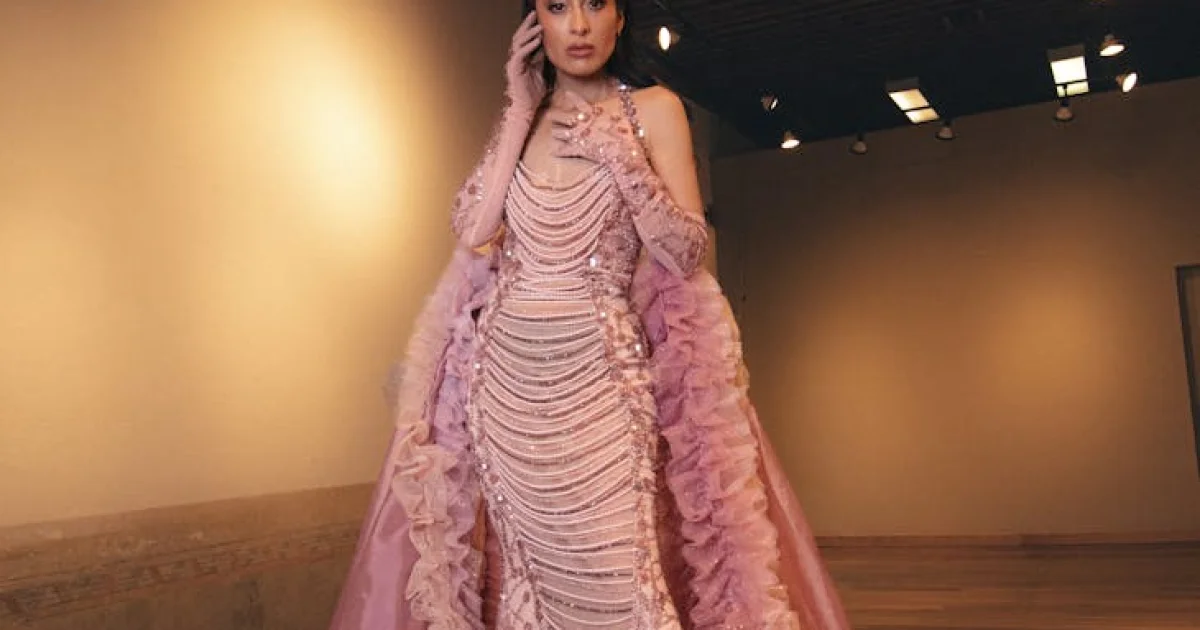
1. Marilyn Monroe’s “Happy Birthday, Mr. President” Dress (1962) – The Dawn of Iconicity
Norman Hartnell, the chief designer for the British Royal Family, created this shimmering, skin-tight gown for Marilyn Monroe to wear at a birthday tribute to President John F. Kennedy. The dress, covered in over 2,000 hand-stitched crystals and sequins, instantly cemented Monroe’s status as a fashion icon. It’s estimated to have taken over 300 hours to create – a significant investment that signified the growing importance of celebrity influence on fashion. More than just a dress, it was a carefully orchestrated performance, a visual embodiment of Monroe’s allure and a powerful statement about the evolving role of women in the spotlight. Interestingly, the dress’s construction required a custom-made, reinforced bodice to accommodate Monroe’s curves, a testament to the meticulous craftsmanship involved and a reflection of the era’s fascination with the female form. The dress’s impact extended beyond the immediate event; it triggered a trend for body-conscious silhouettes and cemented the idea that a single garment could become a cultural touchstone. It also demonstrated the power of a dress to become inextricably linked to a celebrity’s persona, creating a symbiotic relationship between the two.
2. Elizabeth Taylor’s Bulgari Diamond-Draped Gown (1968) – The Art of Illusion
For the 1968 Met Gala, Elizabeth Taylor stunned in a custom-made Bulgari gown covered in over 400 diamonds. Designed by Antonio Fogazzi, the dress featured a cleverly constructed illusion – the diamonds weren’t sewn on; instead, they were meticulously placed using a special adhesive on a layer of tulle. This technique, a relatively new development in couture at the time, demonstrated a sophisticated understanding of materials and construction. The dress wasn’t simply beautiful; it was a technological marvel, proving that fashion could be both breathtakingly glamorous and remarkably innovative. The gown’s shimmer captivated the audience, and it’s frequently cited as one of the most technically impressive dresses ever created. It showcased the growing influence of Italian jewelry houses in the fashion industry and highlighted the increasing demand for dramatic, statement-making pieces.
3. Audrey Hepburn’s Pink Valentino (1992) – Classic Elegance Redefined
In 1992, Audrey Hepburn’s granddaughter, Holly Hunter, wore a stunning pink Valentino gown to the Met Gala, paying homage to her iconic style. This dress, a reimagining of the classic pink Valentino gown Audrey wore to Breakfast at Tiffany’s, was a deliberate nod to the enduring legacy of the legendary actress. The gown, featuring a dramatic train and a fitted bodice, perfectly captured the essence of Audrey’s timeless elegance. It exemplified the enduring power of vintage style and demonstrated how fashion could be used to honor and celebrate the contributions of influential figures. The choice of pink, a color strongly associated with Audrey, was a deliberate and effective way to evoke her image and establish a connection with her enduring appeal. This dress wasn’t about groundbreaking design; it was about respecting and amplifying an established icon.
4. Lady Gaga’s Meat Dress (2010) – Performance Art Meets Fashion
Lady Gaga’s 2010 Met Gala dress, a towering structure made entirely of raw beef, caused a global sensation. Designed by Nicola Formichetti, the dress was a bold and provocative statement about the relationship between fashion, celebrity, and social commentary. The dress wasn’t just a garment; it was a performance piece, intended to challenge conventional notions of beauty and provoke a reaction. While controversial, it undeniably captured the attention of the world and sparked a global conversation about the role of fashion in expressing identity and challenging societal norms. The dress’s creation required a significant amount of planning and logistical coordination, highlighting the scale of the Met Gala and the level of commitment required to create such a dramatic visual statement. It demonstrated that fashion could be used to express complex ideas and engage in social activism.
5. Rihanna’s Guo Pei Atelier Dress (2015) – Celebrating Chinese Heritage
Rihanna’s 2015 Met Gala dress, a breathtakingly large, shimmering gold gown by Chinese designer Guo Pei, was a powerful celebration of Chinese heritage and a significant moment for diversity in the fashion industry. The dress, with its dramatic, arching shape, was unlike anything Rihanna had worn before and instantly became one of the most talked-about looks of the evening. The choice to honor Guo Pei, a relatively unknown designer at the time, was a deliberate act of support for emerging talent and a recognition of the importance of diverse voices in the fashion world. The dress’s success underscored the power of a single garment to represent cultural pride and promote inclusivity. It also highlighted the growing trend of designers collaborating with artists from diverse backgrounds, enriching the creative landscape of fashion.
6. Blake Lively’s Versace “Great Gatsby” Dress (2015) – A Return to Roaring Twenties Glamour
Blake Lively’s 2015 Versace gown, inspired by The Great Gatsby, was a stunning homage to the glamour and extravagance of the 1920s. The dress, adorned with intricate beading and feathers, perfectly captured the spirit of the decade’s iconic style. It demonstrated the enduring appeal of vintage fashion trends and highlighted the importance of historical inspiration in contemporary design. Lively’s look served as a powerful reminder of the timelessness of classic glamour and its ability to be reinterpreted for a modern audience. The dress’s success demonstrated the power of a carefully curated aesthetic to transport viewers to another era.
7. Zendaya’s Valentino “Celestial” Dress (2021) – Digital Couture
Zendaya’s 2021 Valentino dress, designed by Pierpaolo Piccioli, was a groundbreaking example of “digital couture.” The dress appeared to be constructed entirely of shimmering, iridescent crystals, but in reality, it was made of thousands of micro-LEDs, allowing the dress to change color and display dynamic patterns in real-time. This innovative use of technology pushed the boundaries of fashion design and demonstrated the potential for digital technology to transform the way we create and experience clothing. The dress wasn’t just a garment; it was a living work of art. It showcased the growing integration of technology into the fashion industry and highlighted the possibilities for creating truly interactive and personalized garments. The dress’s ability to change color and display patterns was a remarkable feat of engineering and a testament to the creative possibilities of digital couture.

Amazon US Verified
Natural Red Cedar Wood Coat Hanger Set
Contoured cedar hangers preserving jacket shoulders while repelling moths naturally.
8. Sarah Jessica Parker’s Alexander McQueen “Butterfly” Dress (1994) – A Symbol of Transformation
Sarah Jessica Parker’s 1994 Alexander McQueen dress, a voluminous, butterfly-inspired creation, was a remarkable display of the designer’s signature theatrical style. The dress, featuring cascading layers of tulle and intricate embroidery, evoked the imagery of a fluttering butterfly, symbolizing transformation and rebirth. It demonstrated McQueen’s ability to blend historical references with avant-garde design and created a truly unforgettable visual statement. The dress’s impact extended beyond the Met Gala; it influenced bridal trends and became a symbol of feminine grace and elegance. The dress’s construction required a significant amount of time and skill, showcasing the meticulous craftsmanship involved in creating McQueen’s elaborate designs.
You may also enjoy reading: Get 9 Game-Changing Ways to Customize Your Starface Pimple Patches Now.
9. Gwyneth Paltrow’s Chanel Couture (2005) – The Rise of Celebrity Influence
Gwyneth Paltrow’s 2005 Chanel Couture gown, a stunningly ornate and intricately beaded creation, exemplified the growing influence of celebrity style on the fashion industry. The dress, a testament to Chanel’s heritage and craftsmanship, was a deliberate statement of luxury and sophistication. Paltrow’s choice to wear a Chanel gown to the Met Gala solidified her status as a style icon and demonstrated the power of celebrity endorsement in driving consumer demand. The dress’s success underscored the growing trend of celebrities using fashion as a means of self-expression and brand promotion. It highlighted the symbiotic relationship between celebrity and fashion, where one influences the other.
10. Beyoncé’s Givenchy “Crystal” Dress (2018) – A Celebration of Black Culture
Beyoncé’s 2018 Givenchy dress, adorned with over 100,000 crystals, was a dazzling tribute to Black culture and a powerful statement about female empowerment. The dress, designed by Riccardo Tisci, was a celebration of Black beauty and a reflection of Beyoncé’s unapologetic self-expression. It demonstrated the growing recognition of Black artists and designers in the fashion industry and highlighted the importance of cultural representation. The dress’s shimmering surface reflected the light, creating a mesmerizing effect and symbolizing Beyoncé’s radiant presence. The dress’s creation was a monumental undertaking, requiring a team of skilled artisans to meticulously attach each individual crystal. It was a testament to the scale of the Met Gala and the level of commitment required to create such a dramatic visual statement.
11. Bella Hadid’s Versace “Renaissance” Dress (2021) – Futuristic Glamour
Bella Hadid’s 2021 Versace “Renaissance” dress, a futuristic creation inspired by the Italian Renaissance, was a bold and innovative take on historical style. The dress, featuring a dramatic, layered skirt and intricate detailing, showcased Versace’s ability to blend classic design with contemporary aesthetics. It demonstrated the growing trend of designers drawing inspiration from historical periods and reimagining them for a modern audience. Hadid’s look was a testament to the power of a single garment to evoke a sense of grandeur and elegance. The dress’s success highlighted the enduring appeal of historical motifs and the importance of experimentation in fashion design.
12. Florence Welch’s Alexander McQueen “Celestial” Dress (2015) – A Fairytale Come to Life
Florence Welch’s 2015 Alexander McQueen dress, a dramatic and ethereal creation inspired by the cosmos, was a visually stunning masterpiece. The dress, adorned with intricate embroidery and shimmering embellishments, evoked the imagery of a celestial being. It demonstrated McQueen’s ability to create otherworldly designs that transcended the boundaries of conventional fashion. Welch’s look was a testament to the power of imagination and the importance of artistic expression in the world of fashion. The dress’s intricate details and dramatic silhouette created a truly unforgettable visual statement. It was a celebration of creativity and a reminder of the transformative power of fashion.
13. Janelle Monáe’s Maison Margiela “Architectural” Dress (2018) – Deconstructed Elegance
Janelle Monáe’s 2018 Maison Margiela dress, a deconstructed masterpiece that resembled a collection of architectural fragments, was a daring and innovative take on traditional evening wear. The dress, designed by John Galliano, was a commentary on the evolving nature of fashion and the blurring of lines between art and design. It demonstrated Margiela’s signature approach to fashion – taking apart and reassembling familiar elements to create something entirely new. Monáe’s look was a statement of individuality and a celebration of unconventional style. The dress’s fragmented design challenged conventional notions of beauty and demonstrated the power of fashion to provoke thought and conversation. The dress’s success highlighted the growing trend of designers embracing deconstruction and experimentation in their creations.
These thirteen iconic Met Gala dresses represent more than just beautiful garments; they are tangible reminders of pivotal moments in fashion history, reflections of cultural shifts, and testaments to the enduring power of celebrity style. They demonstrate how a single dress can capture the zeitgeist of an era, influence design trends, and leave a lasting legacy on the world of fashion – and beyond.
As an Amazon Associate, azuloz.com earns from qualifying purchases.