There’s an unspoken truth in motherhood – one that’s so deeply ingrained it’s earned its own colloquialism: mom guilt. It’s a perpetual companion for many new mothers, often beginning the moment their baby is born. The societal expectations, lack of support, and internalized shame can create a toxic mix, making it difficult for moms to open up about their struggles, especially when it comes to postpartum depression (PPD). The consequences are far-reaching, causing feelings of isolation and disconnection from the very people they’re supposed to be bonding with.
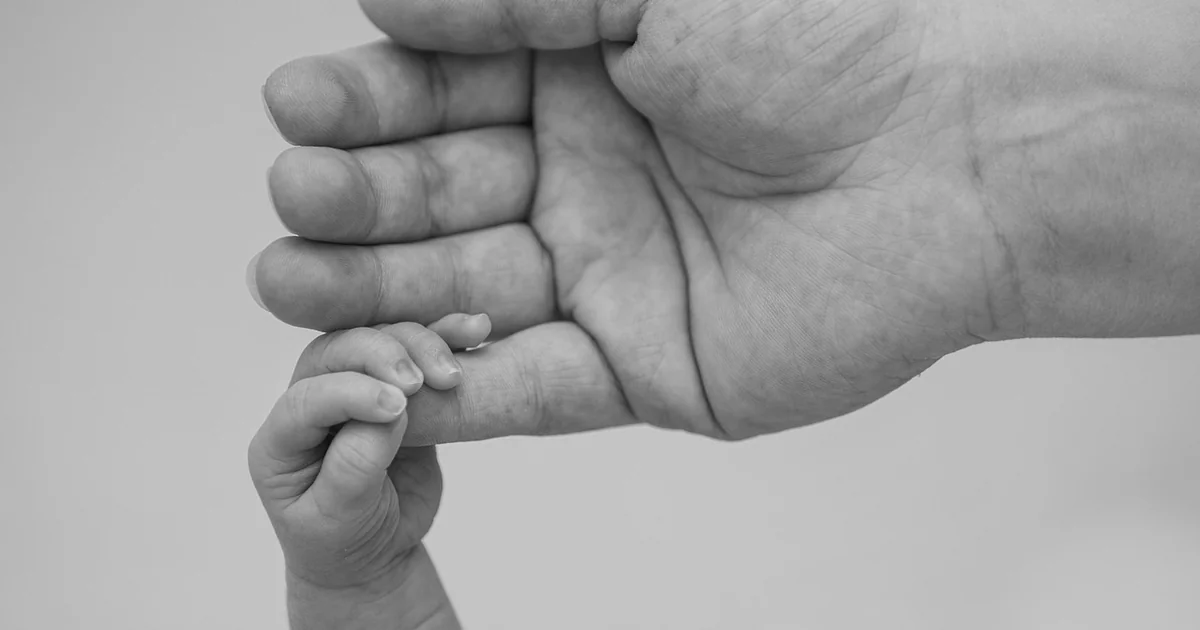
Why Moms Feel So Much Guilt and Shame
Dr. Marianna Strongin, a licensed clinical psychologist and founder of Strong In Therapy, explains that the concept of motherhood has been idolized for generations, leaving women with unrealistic expectations. “The idea of motherhood has been romanticized to the point where it’s almost impossible to meet these expectations,” she says. This conditioning can override good sense, even in the most level-headed individuals, leading to feelings of inadequacy and shame.
The Unseen Forces Behind Mom Guilt
One of the primary reasons for mom guilt is the societal pressure to be perfect. We see it in movies and media, where motherhood is portrayed as a natural, effortless experience. The reality, however, is far from it. “We’re not shown the messy, the difficult, or the unglamorous aspects of motherhood,” Dr. Strongin notes. This disparity creates a sense of failure, especially when new moms struggle to meet these unrealistic expectations.
Another factor is the lack of support systems for new parents. Parental leave is often inadequate, and mental healthcare is often inaccessible. “The questionnaires they give women completely miss the mark and are insensitive,” Dr. Strongin says, highlighting the issue with current support systems. This lack of support can exacerbate feelings of isolation and shame.
Additionally, the societal expectation that the baby comes first often takes a toll on moms’ mental health. “Mom’s mental health is an afterthought,” Dr. Strongin emphasizes. This neglect can lead to feelings of shame and guilt, making it even harder for moms to speak up about their struggles.
Shame and Postpartum Depression
Postpartum depression can be a silent companion for many new mothers. It’s often hard to diagnose and can be further hidden by feelings of shame and guilt. “Most people, when they have difficult or different feelings, stow those away and those become your own little secret,” Dr. Strongin says. This secrecy can lead to a vicious cycle of disconnection and isolation.
Dr. Strongin points out that new moms feel the most shame about their relationship or bond with their baby. “I’ve had a lot of patients who haven’t really liked their baby in the beginning, haven’t felt connected. I’ve had patients who have felt disappointed by who their babies were because they had various expectations,” she says. These feelings are often seen as abnormal, leading to intense feelings of shame and guilt.
However, Dr. Strongin emphasizes that these feelings are normal. “For some parents, it’s immediate love; for others, it’s something they have to grow into. It doesn’t mean you love your baby any less – it means you’re human,” she says. By normalizing these feelings, we can start to break down the stigma surrounding PPD and mom guilt.
Breaking Down the Stigma
Creating a nonjudgmental space is crucial for new moms to open up about their struggles. This can be achieved by having a therapist, sharing with friends, and educating themselves about PPD and mom guilt. Dr. Strongin recommends that new moms seek out support groups and online communities where they can connect with others who are going through similar experiences.
You may also enjoy reading: “13 Secrets to Succeeding on the Long Haul: Insights from Industry Leaders”.
Another crucial step is to challenge societal expectations and the media’s portrayal of motherhood. By showcasing the real, unglamorous aspects of motherhood, we can start to redefine what it means to be a good mother. “Only recently have we started to see how difficult and unsexy that time can be,” Dr. Strongin notes.
Practical Steps to Overcome Mom Guilt and Shame
1. Seek Support: Find a therapist, support group, or online community where you can connect with others who are going through similar experiences.
2. Challenge Societal Expectations: Educate yourself about PPD and mom guilt, and challenge the societal expectations that contribute to these feelings.
3. Practice Self-Compassion: Remind yourself that it’s okay to have difficult or different feelings. You’re not alone, and others have experienced similar emotions.
4. Focus on Self-Care: Prioritize your mental health and take care of yourself during this critical period. Engage in activities that bring you joy and help you relax.
Conclusion
Breaking down the stigma surrounding mom guilt and PPD requires a collective effort. By normalizing these feelings, creating a nonjudgmental space, and challenging societal expectations, we can start to rebuild a more compassionate community for new mothers. Remember, you’re not alone in your struggles, and it’s okay to feel difficult or different emotions. Seek support, practice self-compassion, and prioritize your mental health – you’re a good mother, regardless of your feelings.