Why Your Potted Plants Need a Seasonal Move
Many tropical houseplants spend summer on patios and porches, soaking up warmth and humidity. But as autumn approaches, those same plants face a survival challenge. Nighttime temperatures drop, and frost can damage tender leaves within hours. Moving them back inside before the cold arrives is not just a good idea — it is essential for their health.
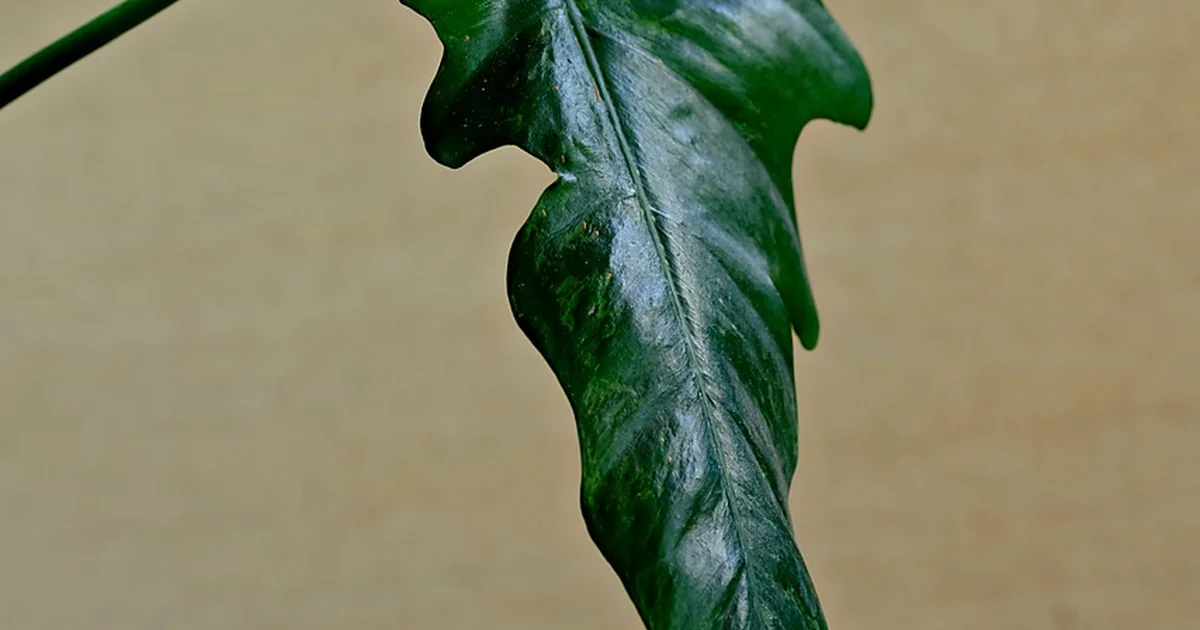
The process of transitioning plants from outdoor to indoor conditions requires careful timing and technique. A sudden shift can shock even hardy species. Understanding which varieties tolerate the move best, and how to prepare them, makes all the difference. Below are seven popular houseplants that thrive when you move houseplants indoors before winter sets in.
1. Pothos (Epipremnum aureum)
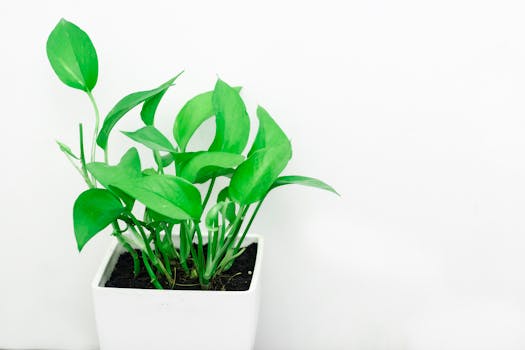
Pothos is one of the most forgiving plants you can own. Its trailing vines grow rapidly in summer heat and humidity, often doubling in length. When you bring it inside, the main task is trimming back excessive growth. Use clean pruning shears to cut vines to a manageable size before moving the pot indoors.
Inspect the leaves and stems for pests like aphids or spider mites. A gentle spray of water from a hose can dislodge most insects. After that, place the pothos in a spot with bright, indirect light. It adapts quickly to indoor conditions and continues growing, though at a slower pace. This plant’s resilience makes it a top candidate when you move houseplants indoors for winter.
2. Snake Plant (Dracaena trifasciata)
Snake plants tolerate neglect, poor soil, and low light. Their tall, lance-shaped leaves can reach up to five feet tall when container-grown. Outdoors, they add striking vertical interest to a porch. But they are tropical natives and cannot survive freezing temperatures.
Before bringing a snake plant inside, check the pot for drainage. Remove any dead or damaged leaves. Wipe the blades with a damp cloth to remove dust and potential pests. Snake plants handle transition well because they do not require a dramatic change in watering or humidity. Place them in a spot with indirect light, and they will settle in without fuss. This easygoing nature is why many gardeners choose the snake plant when they move houseplants indoors each fall.
3. Spider Plant (Chlorophytum comosum)
Spider plants produce graceful, arching leaves and numerous baby plantlets. Over summer, they thrive outdoors in hanging baskets or on tables, enjoying fresh air and humidity. The plantlets root easily, so you can propagate new plants before the move.
When temperatures drop below 50°F (10°C), it is time to bring spider plants inside. Trim off any brown leaf tips and check for pests. They prefer bright, indirect light indoors but tolerate lower light if necessary. Water less frequently during winter because growth slows. Spider plants are forgiving and will bounce back quickly after the transition. Their adaptability makes them a reliable choice for anyone who needs to move houseplants indoors before frost.
4. Anthurium (Anthurium spp.)
Anthurium, also called flamingo flower, produces bright spathes in red, pink, or white. It can bloom year-round with enough light. Outdoors, it enjoys shady, humid spots on patios. But it is sensitive to cold and must come inside before temperatures dip below 60°F (15°C).
Before moving anthurium indoors, inspect the roots. If the plant has outgrown its pot, consider repotting into a container one size larger. Trim any yellow or damaged leaves. Place it in a location with bright, indirect light — a north- or east-facing window works well. Humidity levels indoors are often lower than outside, so mist the leaves occasionally or set the pot on a pebble tray with water. With proper care, anthurium continues blooming through winter, adding color to your home.
Amazon US Verified
Self-Watering Planters with Drainage Aerators
Elevated reservoir design that prevents soggy roots and ensures steady hydration.
5. Peace Lily (Spathiphyllum spp.)
Peace lilies are known for their elegant white blooms and lush green leaves. They grow large outdoors, making a statement on shaded porches. Summer warmth and humidity stimulate vigorous growth and more flowers. But peace lilies are cold-sensitive and must be moved indoors before the first frost.
To prepare a peace lily for indoor life, first check for pests, especially on the undersides of leaves. Rinse the foliage with water if needed. Peace lilies prefer consistently moist soil but not soggy conditions. Indoors, they thrive in low to medium light, though flowering may decrease without enough brightness. Avoid placing them near drafts or heating vents. With a little attention, peace lilies adapt well and continue to purify indoor air through winter.
6. New Guinea Impatiens (Impatiens hawkeri)
New Guinea impatiens are often grown as annuals in garden beds and containers. But they are actually tender perennials that can be overwintered indoors. They bloom reliably from spring until the first frost, producing vibrant flowers in shades of pink, red, orange, and white.
To bring them inside, dig up the plants or bring in their pots before nighttime temperatures fall below 50°F (10°C). Cut back the stems by about one-third to reduce stress and encourage bushier growth. Place them in a bright window — they need several hours of direct sunlight daily to keep blooming indoors. Water when the top inch of soil feels dry. New Guinea impatiens may drop some leaves initially, but they will recover and continue flowering if given enough light. This makes them a rewarding choice when you move houseplants indoors for winter color.
7. Begonia (Various species)
Many begonias, including wax begonias, tuberous begonias, and rex begonias, are popular outdoor container plants. They thrive in summer shade and humidity. But they are not frost-hardy and must come inside before cold weather arrives.
For tuberous begonias, you can either lift the tubers and store them dormant or bring the entire pot indoors. Wax begonias and rex begonias can be treated as houseplants. Before moving them, prune away any leggy growth and check for powdery mildew or pests. Begonias prefer bright, indirect light indoors and moderate watering — let the soil dry slightly between waterings. They are sensitive to overwatering, especially in winter. With proper care, many begonias will bloom indoors through the colder months, providing a splash of color.
Amazon US Verified
Digital 3-in-1 Soil Moisture & pH Meter
Accurate probe to test deep root zone moisture and prevent accidental overwatering.
You may also enjoy reading: 5 Reasons Your Monstera Is Turning Brown.
How to Prepare Plants for the Indoor Transition
Moving plants from outdoors to indoors is more than just carrying pots through the door. A few steps can prevent shock, pest infestations, and disease.
Inspect and Clean
Examine each plant thoroughly. Look under leaves, along stems, and at the soil surface. Remove any dead or yellowing foliage. Rinse leaves with a gentle stream of water to wash off dust and hidden insects. For stubborn pests, use a mild soap solution or neem oil spray.
Quarantine New Arrivals
Keep incoming plants separate from your existing indoor collection for at least two weeks. This prevents any hitchhiking pests from spreading. Monitor the quarantined plants for signs of trouble before integrating them.
Adjust Light and Water Gradually
Outdoor light is much brighter than indoors. Place plants in a spot with similar light levels to their outdoor location, then slowly move them to their permanent indoor spot over a week. Reduce watering frequency because plants use less water indoors due to lower light and cooler temperatures.
Check Potting Mix
If the soil has become compacted or waterlogged, consider repotting with fresh potting mix. This also gives you a chance to inspect root health and remove any rotting roots.
Amazon US Verified
Organic Perlite Horticultural Soil Conditioner
Lightweight volcanic mineral that improves root aeration and prevents compaction.
Common Mistakes When Moving Plants Indoors
Even experienced gardeners sometimes make errors. Here are pitfalls to avoid:
- Moving too late — Waiting until after a frost damages leaves and invites disease. Check local frost dates and move plants at least two weeks before the first expected frost.
- Ignoring pests — Outdoor plants often harbor insects. Skipping inspection can lead to an indoor infestation that spreads to other houseplants.
- Overwatering after the move — Plants need less water indoors. Soggy soil leads to root rot. Let the top inch of soil dry before watering.
- Placing plants in dark corners — Lack of light causes leggy growth and leaf drop. Provide as much natural light as possible, or supplement with grow lights.
Frequently Asked Questions
When should I move houseplants indoors for winter?
Generally, bring plants inside when nighttime temperatures consistently fall below 50°F (10°C). For tropical plants like anthurium, move them when temperatures dip below 60°F (15°C). Check your local frost dates and aim to move plants at least two weeks before the first frost.
Can I move all houseplants indoors, or are some better left outside?
Most tropical houseplants should come inside. Hardy plants like succulents and cacti can tolerate cooler temperatures but still need protection from frost. Plants that require a dormant period, such as some bulbs, can be stored in a cool, dark place. Always research the specific needs of each plant.
How do I prevent pests from coming indoors with my plants?
Inspect plants thoroughly before moving them. Rinse leaves with water, remove any visible insects, and treat with insecticidal soap or neem oil if needed. Quarantine new arrivals for two weeks to monitor for pests.
Should I repot my plants before moving them indoors?
Only repot if the plant is root-bound, the soil is poor, or the pot is damaged. Repotting can stress plants, so do it at least two weeks before the move if possible. Otherwise, wait until spring.
What if my plant has grown too large to bring inside?
You can prune the plant back by up to one-third before moving it. This reduces stress and makes it easier to fit indoors. Alternatively, take cuttings and propagate new plants to overwinter indoors, discarding the parent plant if it is too large.
As an Amazon Associate, azuloz.com earns from qualifying purchases.