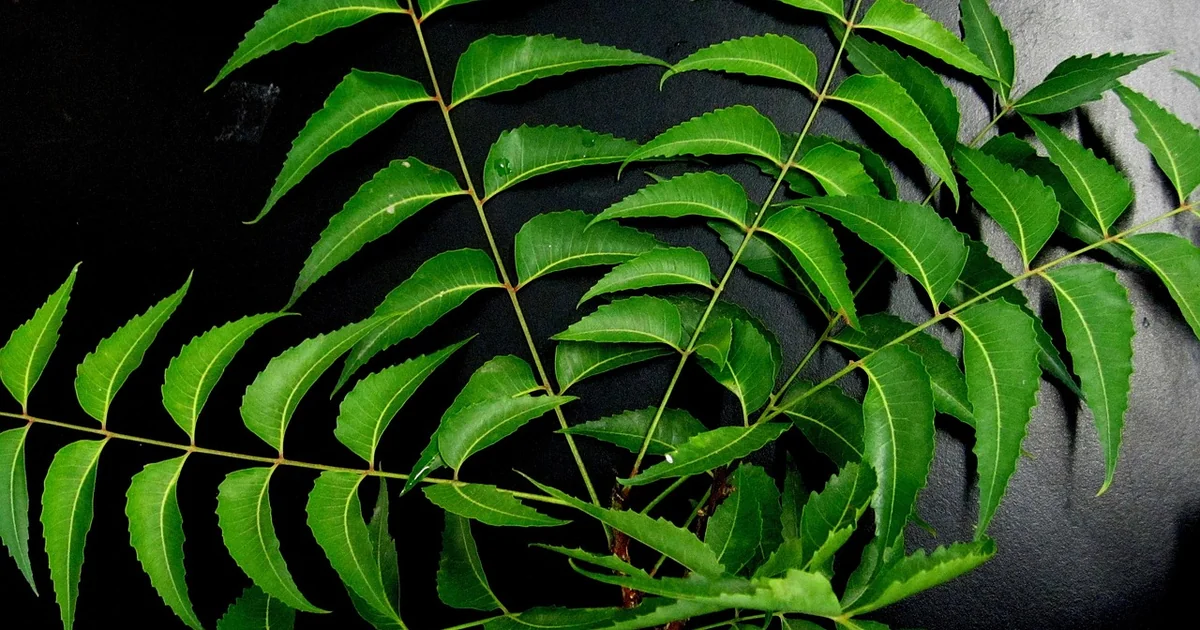
Neem oil is extracted from the seeds of the Azadirachta indica tree, native to the Indian subcontinent. For centuries, it has been valued for its remarkable properties, extending far beyond its ability to combat plant diseases. This organic solution is a potent ally in the fight against a host of garden woes, including sooty mold, black spot, and rust. Moreover, it effectively controls a broad spectrum of unwanted pests, such as scale, squash bugs, beetle larvae, caterpillars, lacebugs, leaf hoppers, leafminers, mealybugs, thrips, and whiteflies. Its versatility makes it a cornerstone of many organic gardening practices.
Benefits of Neem Oil in the Garden
The advantages of using neem oil extend beyond its pest and disease-fighting capabilities. As a natural product, it’s safe to apply to edible plants, ornamentals, and even houseplants when used correctly. Unlike many synthetic pesticides, neem oil breaks down naturally in the environment, minimizing its impact on beneficial organisms and the soil. Its multifaceted nature means it can also act as a repellent, disrupting insect feeding and behavior. Furthermore, neem oil contains azadirachtin, its primary active component, which interferes with the life cycle of insects, preventing them from molting and reproducing. This unique mode of action helps to break pest cycles, leading to long-term control.
How Neem Oil Works Against Powdery Mildew
Powdery mildew thrives in humid conditions with poor air circulation, often appearing as a white, powdery coating on the leaves of plants. While neem oil isn’t a cure for established infections, it acts as a powerful preventative and a stop-gap measure to halt the spread. The oil disrupts the fungal spores’ ability to germinate and colonize plant tissues. It also acts as an antifungal agent, inhibiting the growth of existing mildew. By preventing the fungus from spreading to healthy parts of the plant, neem oil can save your harvest and maintain the aesthetic appeal of your garden.
How to Use Neem Oil for Powdery Mildew
Despite being an organic solution for powdery mildew and other garden issues, neem oil does have certain considerations for both plants and beneficial insects. It can negatively impact pollinators like bees and butterflies, so careful application is key. It’s crucial to apply neem oil in the evening after sunset, when most pollinators have finished their activity. Avoid spraying neem oil on plants that are currently in bloom, as pollinators are most active during these times. Additionally, keep neem oil away from pollinator watering stations to prevent accidental contact. Overusing neem oil can also harm plants, particularly young or delicate seedlings. For the best results and to safeguard your plants, apply neem oil as soon as you notice the first signs of powdery mildew. Wait 7 to 10 days before reapplying, only if the problem persists or worsens. Neem oil often effectively stops powdery mildew after a single application, but it won’t eliminate existing infections. Observe whether the disease spreads before considering a repeat application.
Step-by-Step Application Guide
- Dilution is Key: Always dilute neem oil before application. A common ratio is 1-2 tablespoons of neem oil per gallon of water. For light infestations or preventative measures, you can use a weaker solution.
- Mix Thoroughly: Combine the neem oil and water in a spray bottle and shake well to ensure the oil is evenly dispersed.
- Test a Small Area: Before treating your entire plant, test the solution on a small, inconspicuous area to check for any adverse reactions. Wait 24 hours to observe.
- Apply Evenly: Thoroughly spray all surfaces of the plant, including the tops and undersides of the leaves, where powdery mildew often starts.
- Evening Application: Apply the neem oil spray in the evening to minimize harm to pollinators and allow the oil to work effectively overnight.
- Reapply as Needed: Monitor your plants regularly and reapply the neem oil spray every 7-10 days or as needed to prevent the spread of powdery mildew.
Other Ways to Prevent Powdery Mildew
Ultimately, powdery mildew won’t kill your plants, but severe cases can reduce yields and weaken them. Prevention is always the best strategy. To proactively combat powdery mildew, consider these measures:
- Improve Air Circulation: Ensure adequate spacing between plants to promote good air circulation. This helps to reduce humidity and create a less favorable environment for fungal growth.
- Avoid Overhead Watering: Water your plants at the base, avoiding overhead irrigation, which can create humid conditions that favor powdery mildew.
- Maintain Proper Soil Health: Healthy soil supports strong, resilient plants that are better able to resist diseases. Amend your soil with organic matter to improve drainage and fertility.
- Choose Resistant Varieties: When selecting plants, opt for varieties known to be more resistant to powdery mildew.
- Monitor Regularly: Inspect your plants regularly for early signs of powdery mildew. Early detection allows for quicker intervention and prevents the disease from spreading.
Important Considerations
While neem oil spray is a safe and effective option for controlling powdery mildew and other garden pests, it’s essential to use it responsibly. Avoid spraying during the hottest part of the day or when plants are stressed by drought or heat. Also, be mindful of the potential impact on beneficial insects and pollinators. By following these guidelines, you can harness the power of neem oil to create a healthy and thriving garden ecosystem.
You may also enjoy reading: 7 Times to Water New Grass Seed for Fall Success.
By incorporating neem oil spray into your gardening routine and implementing preventative measures, you can safeguard your plants from powdery mildew and other common problems. This natural solution offers a sustainable and effective way to maintain a beautiful and productive garden, without relying on harsh chemicals.
Image credit: FotoHelin / Shutterstock
Sign up for the Gardening Know How newsletter today and receive a free copy of our e-book “How to Grow Delicious Tomatoes”.
Neem oil spray often stops powdery mildew after just one application. However, it doesn’t get rid of powdery mildew that’s already present on leaves. So, monitor to see if the disease spreads before applying again.
Neem oil spray is available for purchase online at retailers like Amazon or at most garden centers. It’s a worthwhile investment for any gardener looking for a natural and effective solution to common plant problems.
Neem oil can be a valuable component of an integrated pest management (IPM) strategy, combining various methods to minimize pest and disease problems while promoting a healthy garden ecosystem.
Neem oil is a powerful tool for organic gardeners seeking effective and environmentally friendly solutions to common plant issues.
Neem oil offers a multifaceted approach to garden care, acting as a preventative measure, a treatment for existing problems, and even a deterrent to unwanted pests.