The Hidden Danger Beneath the Soil
Mint seems like the perfect herb. It smells fresh, grows easily, and adds flavor to teas, salads, and cocktails. Many gardeners plant it without a second thought. That first season, everything feels fine. The plant thrives, and you feel proud of your choice. But by year two, something shifts. What began as a small patch turns into a sprawling takeover. The truth is, mint does not play nice with others. Its root system operates like a quiet invasion, spreading far beyond where you placed it. If you value order in your garden, you may want to never plant mint in the ground at all.
We spoke with experienced growers who have learned this lesson the hard way. Anna Hackman, a farmer and managing member at The Naked Botanical, knows exactly how mint behaves when given free rein. Edwin Dysinger, co-founder of the garden planner app Seedtime, agrees that mint presents unique challenges. Their advice offers a clear picture of why this herb causes so much frustration.
1. Mint Spreads Through Underground Runners That Travel Far
Mint does not rely on seeds alone to multiply. It sends out rhizomes — horizontal underground stems — that shoot in every direction. These runners can travel several feet from the original plant in a single growing season. You might think you planted mint in one corner of your garden. By midsummer, it could be popping up among your tomatoes, your roses, or your lettuce.
Dysinger explains that this aggressive spreading habit makes mint “very invasive and difficult to get rid of once it has become established.” The root system forms a dense mat beneath the soil. Each piece of rhizome left behind can regenerate into a new plant. So even if you pull up what you see above ground, the battle continues below.
Why Mint Grows Faster Than Most Other Herbs
Most garden herbs like basil, oregano, or thyme grow at a moderate pace. Mint operates differently. Its biological design prioritizes expansion. The plant allocates energy toward producing more rhizomes and leaves rather than flowers or seeds. This strategy allows it to colonize new ground quickly. In a mixed herb bed, mint will outpace its neighbors every time. Within two years, a single mint plant can cover an area of roughly ten square feet or more if left unchecked.
Amazon US Verified
Self-Watering Planters with Drainage Aerators
Elevated reservoir design that prevents soggy roots and ensures steady hydration.
2. Once Mint Establishes Itself, Removal Becomes Extremely Difficult
If you decide later that you want mint gone, you face a serious challenge. Pulling the visible stems and leaves does little. The rhizomes remain below, waiting to resprout. Digging them out requires sifting through soil carefully, because even a fragment the size of your pinky finger can start a new colony.
Hackman recalls her own experience with buried containers. She thought she had found a clever solution. “I made the mistake thinking I could contain it in a container buried in my garden bed and mint found its way out,” she says. The rhizomes crept over the rim of the pot or pushed through drainage holes. Once mint escapes, reclaiming that soil takes seasons of persistent work.
The Hidden Cost of Years of Maintenance
Many gardeners underestimate the long-term labor mint demands. You cannot plant it and forget it. Every few weeks during the growing season, you must patrol the edges of the patch. You pull any shoots that have ventured into neighboring beds. You dig up stray rhizomes. Over five years, that adds up to dozens of hours of extra work. For a plant that costs a few dollars at the nursery, the hidden labor expense is steep.
3. Mint Crowds Out Other Plants and Steals Their Resources
Mint does not merely coexist with other plants. It actively competes for water, nutrients, and sunlight. Its dense foliage creates shade that suppresses low-growing neighbors. Its root mat absorbs moisture before surrounding plants can reach it. Hackman notes that mint “can very easily crowd out other plants so they don’t receive enough water, soil, nutrients, or even sunlight.”
Amazon US Verified
Digital 3-in-1 Soil Moisture & pH Meter
Accurate probe to test deep root zone moisture and prevent accidental overwatering.
Imagine a small urban garden where every square foot matters. You want to grow tomatoes, peppers, basil, and maybe some flowers. Introducing mint into that shared space puts everything else at risk. Within a single season, the mint can reduce your harvest from other crops by shading them and depleting the soil around them.
A Real Scenario for Beginner Gardeners
Consider someone new to gardening who plants a small raised bed with herbs. They add mint alongside cilantro and chives. By August, the mint has doubled in size. The cilantro bolts early, stressed by the competition. The chives struggle to get enough light. The beginner feels discouraged, not realizing that the mint caused the problem. This pattern repeats in countless gardens every year.
4. Mint Roots Can Damage Garden Infrastructure
Most people think of mint as a soft herb, harmless to hardscapes. But its rhizomes are surprisingly tough. They can work their way into cracks in pathways, between patio stones, and along the edges of raised beds. Over time, this growth can loosen pavers, lift edging, and create uneven surfaces.
If you have a stone path running through your garden, mint spreading underneath can cause the stones to shift. The same applies to the borders of a wooden raised bed. The rhizomes wedge themselves into gaps and expand, gradually pushing materials apart. Repairing this damage takes time and money that you probably did not plan to spend.
What Happens When Mint Escapes Into the Lawn
Mint does not always stay inside garden beds. It can creep into adjacent lawn areas. Once there, it forms patches that resist mowing. The leaves lie low, and the mower blades pass over them. The mint spreads further, creating a mosaic of herb and grass that many homeowners find unsightly. Removing mint from a lawn requires digging out sections of turf and carefully extracting the rhizomes — a labor-intensive process.
5. Mint Requires Constant Thinning to Avoid Choking Itself
Even if you dedicate an entire bed to mint alone, the plant still demands attention. Hackman explains that “you will need to pull out some of the mint periodically, so it doesn’t choke itself.” When mint grows too densely, the inner stems receive less light and air circulation. The plant becomes leggy, prone to disease, and less productive.
Thinning mint means pulling up clumps of stems and roots every few weeks during the active growing months. If you skip this task, the mint quality declines. The leaves become smaller, the flavor less intense, and the plant looks ragged. For a gardener who wants a low-maintenance herb patch, this ongoing chore becomes tiresome quickly.
The Difference Between Growing Mint in Pots Versus in the Soil
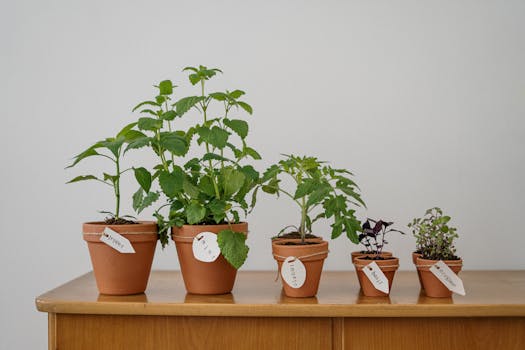
Growing mint in containers offers more control, but only if you follow strict rules. The pot must sit above ground, not buried. Drainage holes must be covered with fine mesh to block rhizomes from escaping. You must also elevate the pot on bricks or stones so roots cannot reach the soil below. Even then, you need to check periodically for stems that have crept over the rim and rooted into the ground nearby.
Amazon US Verified
Organic Perlite Horticultural Soil Conditioner
Lightweight volcanic mineral that improves root aeration and prevents compaction.
Hackman recommends containers as a viable option, but she emphasizes that burying the pot defeats the purpose. Her own mistake with a buried container taught her that mint finds a way out. Above-ground pots with solid bottoms and careful monitoring give you the best chance of keeping mint contained.
6. Mint Can Harbor Pests and Diseases That Affect Other Plants
Mint is not immune to problems. It can attract rust fungus, a disease that appears as orange or brown spots on the leaves. Rust spreads through the air and can infect other plants in your garden. Mint also hosts pests like spider mites, aphids, and cutworms. When mint grows in a dense, uncontrolled patch, these issues multiply.
If your mint becomes diseased, treating it is difficult because the plant covers so much ground. Fungicides may help, but they also affect beneficial insects. The safer approach is to remove affected plants entirely. But with mint, removal means digging up a large area and watching for regrowth for months afterward.
How Mint Affects Soil Health Over Time
A large mint patch depletes the soil of specific nutrients, particularly nitrogen and potassium. Over several years, the soil beneath a mint colony becomes less fertile for other plants. Even after you remove the mint, you may need to amend the soil with compost or fertilizer before planting something new. This hidden cost adds to the overall burden of choosing mint for your garden.
7. Even Experienced Gardeners Regret Planting Mint in the Ground
You might assume that seasoned gardeners know how to handle mint. But many of them have their own stories of regret. Hackman, despite her expertise, made the buried-container mistake. Dysinger warns about the difficulty of removal. These are people who manage large gardens and understand plant behavior. If they struggle with mint, beginners face an even steeper challenge.
You may also enjoy reading: 5 Pasta Casserole Recipes to Wow Your Dinner Guests.
The regret often surfaces in year two or three. By then, the mint has spread beyond its original zone. It mixes with other perennials. It appears in places where it was never planted. The gardener realizes that controlling mint now requires more effort than maintaining the rest of the garden combined. At that point, the choice becomes clear: either dedicate a section of the garden to mint forever, or wage a long campaign to remove it.
What If You Already Planted Mint in Your Garden?
If you already have mint growing in your garden, do not panic. You can still manage it, but you need a plan. Start by digging a deep trench around the patch, about twelve inches deep, and install a physical barrier like thick plastic or metal edging. This will slow the spread of rhizomes. Then, commit to regular patrols. Every two weeks, walk the perimeter and pull any shoots that have crossed the barrier. Over time, you can shrink the patch by digging out sections and replacing the soil.
Another option is to convert the mint patch into a dedicated mint bed. Accept that this area belongs to mint. Keep it separate from other plants. Harvest frequently to keep growth under control. This approach avoids the frustration of fighting the plant while still enjoying its benefits.
How to Still Grow Mint at Home Without Regret
If you love mint and want to grow it, you do not have to give up entirely. You just need to follow a few strict rules. Hackman suggests two reliable methods.
Dedicated Beds for Mint Only
Hackman uses dedicated beds for her mints in her own garden. She keeps each mint variety separated so one does not push out another. This means planting peppermint in one bed, spearmint in another, and so on. The beds have physical barriers underground to block rhizome travel. This system works well for experienced gardeners who have enough space.
Containers Above Ground
For most home gardeners, containers offer the safest path. Choose a large pot with a solid bottom. Cover any drainage holes with fine mesh. Place the pot on a hard surface like concrete, bricks, or a patio. Never bury the pot in the ground. Water and fertilize regularly, and thin the plant every few weeks. With this method, you can enjoy fresh mint without turning your garden into a mint farm.
Alternatives to Growing Mint That Offer Similar Benefits
If you like the aroma and appearance of mint but want something less aggressive, Hackman recommends two excellent alternatives.
Mountain Mint
Mountain mint looks similar to culinary mint and has a pleasant fragrance. Hackman describes it as “pollinator-friendly” and says it “will attract lots of bees.” It grows larger than common mint, reaching up to forty inches tall. Despite its size, it does not spread as aggressively. Mountain mint stays in clumps rather than sending out long runners. It works well in flower beds or herb gardens where you want height and pollinator activity without the invasive behavior.
Lemon Balm
Lemon balm offers a fresh citrusy scent and shares mint’s ease of growth. Hackman notes that it “will self-seed but you can cut it before it flowers.” The key is trimming the flower stalks before they set seed. Lemon balm generally stays in the same vicinity and does not grow very large. It makes a great choice for container gardens or small beds. You can harvest the leaves for tea, salads, and desserts just like mint.
Frequently Asked Questions About Growing Mint
Can I remove mint from my garden after it has spread?
Yes, but removal requires persistence. Dig up the entire area, sifting through the soil to remove rhizome fragments. Monitor the spot for several months and pull any regrowth immediately. Solarizing the soil with clear plastic during hot weather can also help kill remaining root pieces.
How deep do mint roots grow?
Mint rhizomes typically grow in the top six to twelve inches of soil. However, they can go deeper in loose or sandy soils. This shallow root system is why mint spreads horizontally rather than vertically, making containment challenging.
Will mint survive winter and come back the next year?
Yes, mint is a perennial in most climates. It dies back to the ground in winter but regrows from the rhizomes in spring. This hardiness is part of why it becomes so established once planted.
Can I grow mint indoors to avoid garden spread?
Absolutely. Mint grows well indoors in a pot on a sunny windowsill. Use a container with drainage and keep the soil moist. Indoor mint rarely becomes invasive because it lacks access to open soil. This is one of the safest ways to enjoy fresh mint year-round.
What herbs can I plant instead of mint that are not invasive?
Good alternatives include basil, chives, oregano, thyme, sage, and rosemary. These herbs grow in clumps or have slower spreading habits. They provide culinary value without the aggressive takeover that mint brings.
Mint offers a tempting combination of fragrance, flavor, and fast growth. But that speed comes with consequences. The choice to never plant mint directly in your garden saves you years of weeding, digging, and frustration. If you still want its benefits, containers or alternative plants give you a better path forward. Your garden will stay orderly, your other plants will thrive, and you will spend less time fighting a plant that refuses to stay in its place.
As an Amazon Associate, azuloz.com earns from qualifying purchases.