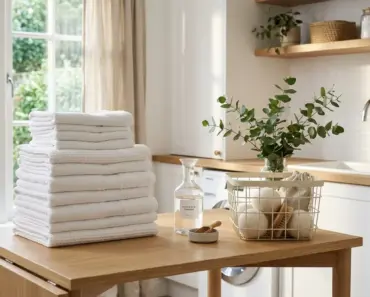
Oleander shrubs line highways in the southern United States, and they flourish in parking lot medians where other plants wither under reflected heat. This resilience makes them a favorite for gardeners who want beauty without constant fussing. Yet many people hesitate, worried about the plant’s reputation. The truth is, with a few straightforward oleander growing tips, anyone in a warm climate can enjoy months of pink, red, or white blossoms.
Understanding Oleander’s Needs Before You Plant
Oleander, known botanically as Nerium oleander, is not a plant that tolerates guesswork. Before you bring one home, assess your yard’s conditions. This shrub demands full sun, well-drained soil, and a spot far from curious children or pets. A single mistake, like planting in heavy clay that holds water, can lead to root rot within weeks.
The plant’s toxicity is not exaggerated. All parts contain multiple cardiac glycosides, compounds that disrupt heart function in mammals. Even dried leaves that fall to the ground remain dangerous. For this reason, think carefully about placement. A busy sidewalk where toddlers play is not suitable. A fenced side yard or a courtyard away from play areas works well.
Amazon US Verified
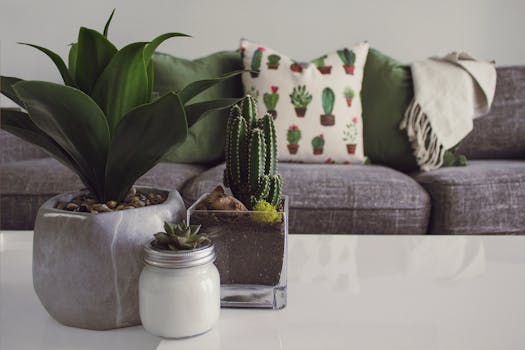
Self-Watering Planters with Drainage Aerators
Elevated reservoir design that prevents soggy roots and ensures steady hydration.
Oleander thrives in USDA Zones 9 through 11. If you live in a zone that dips below freezing for more than a few hours at a time, you will need to grow it in a container and move it indoors during winter. About 37 percent of U.S. households live in zones where oleander can stay outside year-round, so check your zone before committing.
Selecting the Right Location for Maximum Blooms
Sunlight directly determines how many flowers your oleander produces. A shrub planted in full sun, meaning at least six hours of direct light daily, will develop a dense, bushy shape and cover itself in blossoms. In partial shade, the same plant grows leggy, with long stretches of bare stem between leaves. It may produce a few flowers, but the display will be sparse.
Soil quality matters less than drainage. Oleander tolerates sandy, rocky, or even slightly alkaline earth. The one condition it cannot handle is soggy roots. If your yard has heavy clay, build a raised bed or mound the soil several inches high before planting. This simple trick allows water to run off rather than pool around the root ball.
Amazon US Verified
Organic Perlite Horticultural Soil Conditioner
Lightweight volcanic mineral that improves root aeration and prevents compaction.
Creating a Privacy Screen with Oleander
Many homeowners use oleander as a living fence. Planted three to four feet apart, the shrubs grow together to form a dense wall that blocks views and muffles street noise. For this purpose, choose a variety that reaches at least eight feet tall. Standard pink oleander is a common choice because it grows quickly and fills out well.
Keep the screen at least four feet away from property lines. This spacing gives you room to prune without trespassing onto a neighbor’s land. It also prevents the roots from interfering with foundations or underground pipes.
How and When to Plant Oleander for Success
Timing your planting matters more than you might expect. Early spring, while the shrub is still dormant, gives the roots time to establish before summer heat arrives. Late summer or early fall, after blooming finishes, is another good window. Avoid planting during the peak of summer, when heat stress can kill a young shrub within days.
Dig a hole two to three times wider than the nursery pot but no deeper. The plant must sit at the same soil level it occupied in the container. Burying the stem too deep invites rot. If your soil drains slowly, mix in compost or aged bark to improve texture. Place the shrub in the hole, backfill halfway, and water thoroughly. Let the water soak in, then fill the rest of the hole and water again at the base, keeping the leaves dry.
Watering at the base is a small habit that prevents fungal diseases. Wet foliage, especially in humid climates, encourages leaf spot and powdery mildew. A soaker hose or a gentle stream at ground level works perfectly.
Amazon US Verified
Digital 3-in-1 Soil Moisture & pH Meter
Accurate probe to test deep root zone moisture and prevent accidental overwatering.
Essential Oleander Care Tips for Healthy Growth
Once established, oleander demands very little from you. This low-maintenance nature is one reason it appears in so many public landscapes. But “low maintenance” does not mean “no maintenance.” A few routine tasks keep the plant looking its best.
Light Requirements for Dense Foliage
Full sun remains the single most important factor for a compact, well-shaped shrub. If your oleander has become leggy, lack of light is almost certainly the cause. You can prune it back hard, but without more sun, it will regrow in the same sparse pattern. Consider relocating the plant to a sunnier spot if shade is the problem.
In partial shade, oleander stems grow long and weak. They flop over under their own weight, especially after rain. Staking can help, but it is a temporary fix. The real solution is more light.
Watering Without Overdoing It
Oleander is remarkably drought-tolerant once mature. A shrub that has been in the ground for two years can survive on rainfall alone in most climates. During the first growing season, water deeply once a week if there is no rain. After that, ease off. Overwatering is a far more common mistake than underwatering.
Check the soil before you water. Stick your finger two inches into the ground near the root zone. If it feels moist, wait. If it is dry, water slowly and deeply. This simple test prevents the root rot that claims so many oleanders in home gardens.
Temperature and Humidity Considerations
Most oleander varieties can survive a brief dip to freezing, around 28 to 30 degrees Fahrenheit, but foliage damage is likely. Leaves turn brown and drop. The plant usually recovers from the roots if the freeze does not last long. In areas where temperatures routinely fall below freezing, move container-grown oleanders into a garage or basement for the winter.
Humidity around 40 percent is ideal. In drier climates, the shrub adapts without issues. In very humid regions, space plants well apart to allow air circulation, which reduces the risk of fungal problems.
Fertilizing Oleander the Right Way
Landscape oleanders need very little fertilizer. Too much nitrogen produces lush leaves at the expense of flowers. A single application of a slow-release balanced fertilizer, such as a 10-10-10 formulation, in early spring is usually enough. A second application in early fall helps the plant prepare for winter.
Container-grown oleanders are a different story. They exhaust nutrients faster because their roots cannot spread to find more. Fertilize every four weeks during the growing season, from spring through late summer, using the same balanced fertilizer. Stop fertilizing in early fall to let the plant slow down before winter dormancy.
A soil test every two or three years can reveal deficiencies you might miss. If leaves turn pale yellow between the veins, the plant may need iron or magnesium. A foliar spray of chelated iron corrects this quickly.
Pruning Oleander for Shape and Safety
Pruning is where many gardeners make mistakes. The timing, the technique, and the precautions all matter. Prune in late summer or early fall, after the main bloom period ends. This timing gives new growth time to harden off before cold weather arrives. Pruning too late in fall leaves tender new shoots vulnerable to frost damage.
You may also enjoy reading: 7 Ways to Get Rid of Crabgrass Before It Overtakes Your Yard.
Always wear gloves and long sleeves when pruning oleander. The milky sap that oozes from cut stems causes skin irritation in many people. If sap gets on your skin, wash it off immediately with soap and water. Avoid touching your face or eyes while working.
Start by removing any dead, diseased, or damaged stems. Cut just above a leaf node, the point where a leaf attaches to the stem. This encourages branching and creates a fuller shrub. Remove no more than one-third of the total foliage in a single session. Cutting more than that stresses the plant and reduces flowering the next season.
For overgrown shrubs, you can cut the entire plant back to about six inches above the ground. This severe pruning, called renewal pruning, forces the shrub to grow back from the base. Do this in early spring, and expect no flowers that year. The following year, the plant will be compact and vigorous.
Growing Oleander in Containers
Container gardening opens up oleander to gardeners in cooler climates. A large pot, at least 18 inches in diameter, gives the roots enough room. Choose a container with drainage holes. Fill it with a high-quality potting mix that drains freely.
Water container oleanders more frequently than in-ground plants. During hot summer weather, you may need to water every day. Check the soil moisture by lifting the pot. If it feels light, it is time to water. Fertilize every two weeks during the blooming period with a balanced liquid fertilizer diluted to half strength.
When temperatures drop below 40 degrees Fahrenheit, move the container to a cool, sheltered spot. An unheated garage or a basement with a window works well. Water sparingly during winter, just enough to keep the soil from drying out completely. The plant will drop some leaves, which is normal. In spring, move it back outside after the last frost date.
Common Problems and Practical Solutions
Even with good care, oleander can encounter issues. Yellowing leaves often signal overwatering or poor drainage. Check the soil and adjust your watering schedule. If the roots are mushy and brown, root rot has set in. Remove the plant and improve drainage before replanting.
Aphids sometimes gather on new growth, especially in spring. A strong blast of water from a hose knocks them off. For heavy infestations, insecticidal soap works well. Scale insects appear as small brown bumps on stems. Horticultural oil applied in early spring controls them.
Oleander leaf scorch is a bacterial disease spread by leafhoppers. It causes leaves to brown and die, starting at the tips. There is no cure. Remove affected branches and keep the plant healthy to slow the spread. In severe cases, remove the entire shrub to protect nearby plants.
Deer rarely bother oleander, which is a relief for rural gardeners. The toxicity makes it unpalatable to most browsing animals. This resistance is one reason oleander is such a reliable choice for hillsides and rural properties.
Frequently Asked Questions About Oleander Growing Tips
Can oleander grow in shade?
Oleander tolerates partial shade but grows lanky and produces fewer flowers. Full sun, at least six hours daily, gives the best results.
How fast does oleander grow?
Oleander grows quickly, adding one to two feet per year under ideal conditions. Some varieties reach their full height in three to five years.
Is oleander safe to have in a garden with pets?
No. All parts of the plant are highly toxic to dogs, cats, and horses. Even dried leaves pose a risk. Plant oleander only where pets cannot access it.
When should I prune oleander?
Prune in late summer or early fall after blooming ends. This timing allows new growth to harden before winter. Avoid pruning in late fall or winter.
Can oleander survive winter in cold climates?
Oleander survives brief freezes but not prolonged cold. In zones below 9, grow it in a container and move it indoors during winter.
As an Amazon Associate, azuloz.com earns from qualifying purchases.