Every family moves to its own natural rhythm. Some households thrive on predictable routines, while others find joy in spontaneous adventures. Your approach to raising your children shapes how they respond to structure, novelty, and emotional expression. When you choose activities that complement your family’s dynamic, the whole process becomes less forced and more fulfilling. Finding the right parenting style activities isn’t about adding another chore to your calendar. It is about weaving connection, learning, and joy into the fabric of your ordinary days. Below are thirteen distinct ideas, each designed to resonate with a specific approach to caregiving.
Tailored Parenting Style Activities for the Authoritative Parent
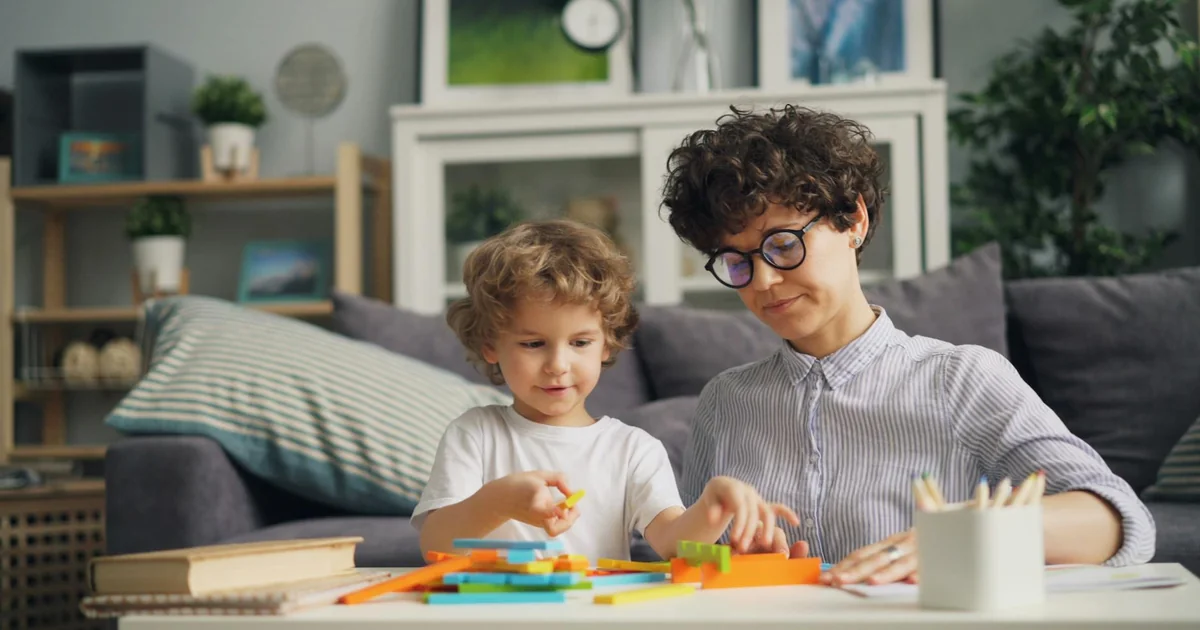
Authoritative parenting strikes a balance that many experts consider ideal. It combines high warmth with high expectations. Children feel heard, but boundaries remain clear. According to developmental psychologist Diana Baumrind, who pioneered research in this area during the 1960s, this style fosters independence while maintaining adult leadership. If you lean toward collaboration within a clear framework, these parenting style activities will feel very natural to you.
1. The Adventure Jar
Think of the Adventure Jar as a democratic tool for weekend planning. Gather the whole family and have each person write down a few ideas on slips of paper. Ideas could range from visiting a local museum to trying a new ice cream shop or hiking a nearby trail. When a free day arrives, let someone pull a slip at random. This practice honors every voice in the family while keeping the decision-making process contained and fair. It eliminates the fatigue of constant negotiation and turns planning into a shared ritual.
2. The Bored Jar
Busy parents don’t always have time to entertain their children on demand. The Bored Jar solves this problem by giving kids agency within a structured system. Sit down together and brainstorm screen-free activities your child enjoys. Write each one on a slip of paper and store them in a jar. When your child says they are bored, they pick from the jar. This gives them the power to choose while ensuring the options align with your family’s values. It builds independent play skills without you having to micromanage the afternoon.
3. Family Council Meetings
Set aside a short, scheduled time each week for a family check-in. Ten minutes on a Sunday evening works well. Use this space to discuss upcoming plans, resolve minor conflicts, or brainstorm ideas for the week ahead. Everyone gets a turn to speak without interruption. This mirrors the collaborative spirit of authoritative parenting. It teaches children that their opinions matter and that rules are not arbitrary. They see firsthand how decisions are made in a respectful group setting.
Gentle Parenting Style Activities for Deep Connection
Gentle parenting places empathy and emotional connection at the center. It prioritizes understanding the feelings behind a behavior rather than simply enforcing a consequence. This approach draws heavily from attachment theory and the work of Dr. Dan Siegel, who emphasizes the importance of emotional integration in a child’s developing brain. These parenting style activities are designed to nurture that deep sense of security and mutual respect.
4. Snuggle Storytime with ‘I Feel’ Cards
Create a cozy reading nook filled with pillows and soft blankets. After reading a picture book together, pull out a set of emotion cards. Ask your child how they think the main character felt during a difficult moment. Then ask if they have ever felt that way themselves. This activity opens a safe door for discussing big emotions without direct pressure. It builds emotional vocabulary and strengthens the bond between you through shared vulnerability and closeness.
5. The Mailbox Method
Decorate small shoeboxes for each family member and set up a little mail station in your home. Write short notes to your child, expressing appreciation, apologizing for a harsh moment, or simply sharing a funny observation. Encourage them to write back or draw pictures for you. This tangible form of communication can be less intimidating than a face-to-face conversation about feelings. It gives children time to process and articulate their inner world, building confidence in self-expression.
6. Connection Rituals
Small, predictable moments of warmth form the backbone of secure attachment. Develop a special handshake for morning drop-offs. Draw a tiny heart on your child’s hand before they leave for school as a reminder of your love. Sing a silly song during the car ride home. These brief rituals are like emotional anchor points. They reassure children that even when they are apart, the connection remains strong. The predictability of these gestures releases oxytocin, which calms the nervous system and builds trust.
7. Feelings Charades
Write a list of emotions on slips of paper. Take turns acting out feelings like disappointment, excitement, frustration, or pride without using words. This playful game builds emotional granularity, which is the ability to identify and label specific feelings. Children who can accurately name their emotions are better equipped to regulate them. It is a lighthearted way to practice empathy and reading social cues, all while laughing together on the living room floor.
Slow Parenting Style Activities for Intentional Living
Slow parenting is a deliberate rebellion against the over-scheduled childhood. It values boredom, unstructured time, and deep attention to the present moment. The philosophy encourages parents to step back and let children explore the world at their own pace. If you prefer to trade frantic extracurriculars for long, lazy afternoons, these activities will fit your rhythm well.
8. The Family Book Club
Choose a novel that suits your child’s age and read it aloud over the course of a week. There is no rush to finish the chapter. Stop to discuss characters, predict what might happen next, and connect the story to your own lives. This shared narrative creates a private world that belongs only to your family. It encourages deep listening, critical thinking, and a love for stories that no movie adaptation can replicate.
You may also enjoy reading: 5 Handy At-Home Treatments for Baby Runny Nose.
9. Cooking from Scratch Together
Turn the kitchen into a slow, sensory experience. Choose a recipe that requires kneading dough, chopping vegetables, or rolling out pasta. Focus on the process rather than the finished meal. Let your child measure ingredients, feel the texture of flour, and watch yeast bloom. These hands-on tasks build fine motor skills and patience. The conversation flows naturally while hands are busy, making it easy to connect without the pressure of direct eye contact.
10. The ‘Do Nothing’ Afternoon
Put away the screens and the schedule for an entire afternoon. Lie on a blanket in the yard and watch the clouds drift by. Draw with chalk on the driveway. Simply sit and talk. The goal is to resist the urge to fill every moment with planned activity. Boredom is a creative force. When children are allowed to sit in stillness, they eventually learn to generate their own entertainment. This builds intrinsic motivation and reduces the need for constant external stimulation.
Free-Range Parenting Style Activities for Independence
Free-range parenting emphasizes self-reliance and real-world problem solving. It trusts children to handle risks and challenges within safe boundaries. This approach has gained traction in recent years, with community-based free-range groups growing significantly since 2018. If your goal is to raise capable, confident individuals who can navigate their environment independently, consider these two ideas.
11. The Neighborhood Mapping Project
Give your child a simple map of your neighborhood or a compass. Challenge them to navigate to a specific landmark, such as the corner store or the neighborhood playground, while you follow at a safe distance. This builds spatial awareness, direction-following skills, and confidence. It turns a simple walk into an exciting adventure. Children learn to read street signs, recognize landmarks, and develop a sense of ownership over their local environment.
12. The ‘Big Build’ Challenge
Provide your child with raw materials such as cardboard boxes, duct tape, rope, and scissors. Set a challenge to build something functional, like a fort big enough to read in, a simple cart, or a catapult. Resist the urge to step in with solutions. Let them struggle, fail, and iterate. This hands-on process teaches physics principles, creative problem-solving, and persistence. The pride they feel from building something themselves is far more powerful than any store-bought toy.
Playful and Connection-Oriented Activities
Some families thrive on spontaneity and joy. While structure has its place, these activities are designed for parents who want to prioritize laughter, flexibility, and yes, a little bit of chaos. They borrow elements from permissive and attachment-focused approaches, but with thoughtful boundaries to keep things manageable.
13. The ‘Yes’ Day (With Guardrails)
Pick a day where the default answer to your child’s reasonable requests is yes. Yes, you can have pancakes for dinner. Yes, you can wear your superhero costume to the grocery store. Yes, we can build a blanket fort in the living room. The key is setting the guardrails together beforehand. Establish a list of things that are off-limits, such as anything dangerous or excessively expensive. This gives children a taste of agency while keeping everyone safe. It is a powerful way to say, I trust you, and I am on your team. The shared joy of a Yes Day often becomes a cherished family memory that strengthens your bond for years to come.




![The Gift of Being Fed [and a recipe for Pasta with Ground Turkey, Broccoli, and White Wine]](https://azuloz.com/wp-content/uploads/azuloz-oS1StHEu-370x297.webp "The Gift of Being Fed [and a recipe for Pasta with Ground Turkey, Broccoli, and White Wine]")