The New Young: Rethinking Our Relationship with Age
The comment in the boutique – “My store is more for juniors” – felt like a tiny, unexpected punch to the gut. It wasn’t malicious, and the owner likely meant it as a compliment, but it sparked a cascade of reflections about my own perception of age. I’ve always carried a slightly skewed view, a lingering echo of my teenage years when anyone over 35 was, well, noticeably older. Now, at 35, I find myself frequently reminiscing about friends and experiences from fifteen or twenty years ago, a feeling that’s become increasingly commonplace. The arrival of a child has further complicated things; my nine-year-old son often triggers a wave of nostalgia, a reminder of my own childhood and a disconcerting realization that I, too, am navigating a period of rapid change. It’s a surprisingly introspective experience, questioning the very definition of “grown-up,” and realizing that age isn’t a fixed point, but rather a constantly shifting landscape. This article explores the complex and often contradictory ways we perceive our own age, examining why those perceptions shift over time and how they influence our lives – and how we can cultivate a more positive and accepting relationship with the passage of years. The core of this exploration lies in understanding the “perception of age” – it’s not just about the number of candles on a birthday cake; it’s about how we feel about ourselves and how it’s worth noting others perceive us.
The Teenage Lens: A World Where ‘Old’ Was Over 35
Growing up, my definition of “old” was remarkably narrow. It wasn’t simply a matter of wrinkles or gray hairs; it was a judgment based on experience, on the assumption that wisdom and maturity were earned through a specific timeline. Anyone over 35 – my parents, my grandparents, even some of my teachers – was firmly categorized as “old.” It was a perspective shaped by adolescent invincibility and a romanticized idea of youth as a fleeting, precious commodity. This wasn’t about malice, of course. It was simply the lens through which a young mind viewed the world, a lens that prioritized perceived vibrancy and energy over the richness of a longer life. I remember vividly feeling a disconnect, a sense that I was on a different track, a faster-paced journey towards adulthood than those around me. The pursuit of ‘grown-up’ traits felt like a race against time, an urgent need to acquire the characteristics I associated with maturity – responsibility, seriousness, and a certain level of seriousness. It’s a surprisingly common experience, and it highlights how deeply ingrained early perceptions can be, often shaping our attitudes towards aging long after we’ve outgrown them. The boutique incident served as a potent reminder that this teenage “old” was, in retrospect, a rather arbitrary and somewhat judgmental categorization.
The Unexpected Shift: Parenthood and Re-evaluating ‘Young’
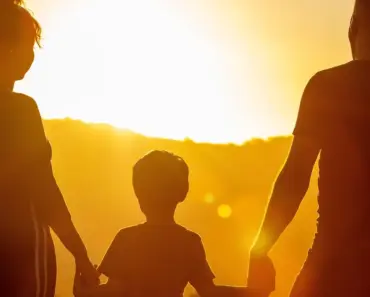
Becoming a mother fundamentally altered my perception of age. Suddenly, the milestones and markers of adulthood felt… different. The frantic rush to acquire “grown-up” traits slowed considerably. Instead of focusing on career achievements or financial stability, my priorities shifted dramatically. My son, at nine years old, became my primary focus, a constant reminder of my own youthfulness – not in a physical sense, but in terms of experience and perspective. Seeing him navigate the world with such boundless curiosity and a complete lack of self-consciousness was incredibly humbling. It forced me to confront the fact that I wasn’t necessarily “grown up” in the way I had once imagined. The idea of ‘grown up’ traits arriving with a specific birthday became increasingly absurd. Wisdom, understanding, and a certain level of self-assuredness seemed to emerge organically, not as a result of reaching a particular age, but through the challenges and joys of living a life. It’s a fascinating paradox: while my body might be changing, my spirit feels remarkably young, fueled by the constant learning and growth that comes with parenthood. This is not to say that I don’t embrace the realities of aging; it’s simply a recognition that ‘young’ is a far more nuanced concept than I once believed.
The Psychology of Aging: Why Our Perception Matters
The way we perceive our age isn’t just a matter of personal opinion; it’s deeply rooted in psychology. Social psychology, in particular, reveals how much of our self-perception is influenced by external factors. Studies have shown that we tend to overestimate the ages of people we don’t know, and we underestimate our own age. This phenomenon, known as the “facial age effect,” suggests that our brains are constantly interpreting cues – wrinkles, gray hair, and facial expressions – to estimate the age of others, and we subconsciously apply a similar process to ourselves. Furthermore, the concept of “social comparison” plays a significant role. We often measure our own worth and progress against others, and if we’re constantly surrounded by images of youthful beauty and seemingly effortless success, it can be easy to feel older than we actually are. Interestingly, research into lifespan development indicates that our sense of self-identity evolves throughout our lives. As we age, we may shift our focus from external achievements to internal qualities, such as values, relationships, and personal growth. This shift can lead to a more positive and accepting view of aging, as we prioritize inner fulfillment over outward appearance. The feeling of ‘youth’ isn’t just about physical appearance; it’s about feeling vital, engaged, and connected to the world – and these qualities can persist well into later life.
Cultural Variations: A Spectrum of Age Perceptions
It’s crucial to acknowledge that the perception of age isn’t universally shared. Cultures around the world have vastly different attitudes towards aging, and these differences can profoundly impact how people experience and navigate the aging process. In some Eastern cultures, for example, age is highly valued, and elders are revered as sources of wisdom and experience. Conversely, in Western societies, there’s often a strong emphasis on youthfulness and a tendency to view aging as a decline. These cultural norms shape everything from beauty standards to social roles, influencing how individuals perceive themselves and their place in society. For instance, consider the concept of “honor” in some Asian cultures, where elders are expected to maintain a certain level of physical and mental acuity, and their well-being is considered a reflection on the entire family. In contrast, Western societies often prioritize individual autonomy and freedom, which can lead to a greater acceptance of aging and a willingness to embrace a less active lifestyle. The idea of “retirement” itself is a relatively recent phenomenon, largely shaped by Western economic and social structures. Exploring these cultural variations highlights the subjective and socially constructed nature of age perception – it’s not simply a biological process; it’s a complex interplay of cultural values, personal experiences, and individual beliefs.
You may also enjoy reading: 11 Thoughtful Mother's Day Gift Ideas to Impress Mom This 2026.
The Illusion of Perpetual Youth: Social Media and the Filtered Self
Social media has undoubtedly exacerbated the pressure to maintain a youthful appearance. Platforms like Instagram and TikTok are saturated with images of seemingly flawless individuals, often heavily filtered and edited to project an unrealistic image of beauty and vitality. This constant exposure to curated online personas can create a sense of inadequacy and fuel the desire to resist the natural aging process. The algorithms that govern these platforms often prioritize younger faces and bodies, reinforcing the idea that youth is the ultimate goal. Furthermore, the emphasis on “self-optimization” – the relentless pursuit of improvement through cosmetic procedures, skincare products, and fitness regimes – contributes to a culture of anxiety and dissatisfaction around aging. It’s important to recognize that these images are often carefully constructed and don’t necessarily reflect reality. While it’s perfectly acceptable to want to look and feel your best, it’s crucial to maintain a healthy perspective and resist the temptation to equate youthfulness with happiness or success. The digital world often presents a distorted view of aging, creating an illusion of perpetual youth that can be incredibly damaging to self-esteem. Focusing on genuine connection, personal growth, and inner well-being is a far more sustainable approach to navigating the aging process.
Beyond the Surface: Experiences That Reshape Our Perception
Significant life experiences can profoundly reshape our perception of age. Loss, illness, or major transitions – such as a career change or a relocation – can force us to confront our mortality and re-evaluate our priorities. These events often trigger a period of introspection, prompting us to question our values, our goals, and our relationship with time. For example, someone approaching retirement may grapple with feelings of uncertainty and anxiety about their future, questioning their sense of purpose and identity. Conversely, someone who has overcome a serious illness may gain a newfound appreciation for life and a greater sense of resilience. These experiences can shift our focus from external achievements to internal qualities – gratitude, compassion, and a sense of connection – leading to a more profound and meaningful understanding of aging. Memories, both joyful and painful, shape our narrative and influence how we perceive our past, present, and future. The stories we tell ourselves about our lives become intertwined with our sense of self, shaping our perception of age and guiding our decisions moving forward. Ultimately, it’s not just how we age, but how we’ve lived that truly matters.
Looking Forward: Embracing the Fluidity of Age
Perhaps the most important takeaway is that “old” is a fluid and subjective concept. It’s not a fixed point on a timeline; it’s a constantly evolving process shaped by our experiences, our perspectives, and our values. Instead of resisting the natural aging process, we can embrace its inherent beauty and complexity. Focusing on maintaining physical and mental well-being, cultivating meaningful relationships, and pursuing passions can contribute to a sense of vitality and fulfillment throughout our lives. Let’s move beyond the narrow definitions of youth and age and embrace a more inclusive and nuanced understanding of what it means to grow old. It’s about recognizing that wisdom, experience, and resilience are not diminished by age; they are enhanced. It’s about celebrating the richness and diversity of human life, regardless of our chronological age. And, perhaps, it’s about remembering that the ‘new young’ is not about denying the passage of time, but about rediscovering the joy and wonder of living fully in each moment – at any age.