Tile is a remarkably durable and versatile surface, making it a popular choice for kitchens, bathrooms, laundry rooms, and even entryways. Its resilience to daily wear and tear is undeniable. Serving as backsplashes, flooring, and shower surfaces, tiles are easy to maintain with regular cleaning. However, the inevitable spills and mishaps that occur in these high-traffic areas can lead to stubborn stains that require more focused attention. Especially in showers, hard water and rust stains may build up over time, necessitating deeper cleaning efforts. Fortunately, with the right approach and gentle techniques, you can effectively remove these blemishes and keep your tile surfaces looking pristine. Tile materials such as ceramic, porcelain, marble, slate, and other natural stones each present unique cleaning considerations. Always refer to the manufacturer’s guidelines for the best cleaning products. Glazed ceramic and porcelain tiles are generally quite resilient and can withstand most cleaning techniques. For natural stone tiles like limestone and marble, however, it’s crucial to stick to non-abrasive cleaners specifically designed for stone to avoid damage. While tile appears robust, it requires gentle care. It’s always wise to test any stain removal technique on a hidden spot first to ensure it doesn’t cause discoloration or damage. Generally, non-abrasive cleaners will tackle most stains, but for tougher challenges, there are specific methods you can employ.
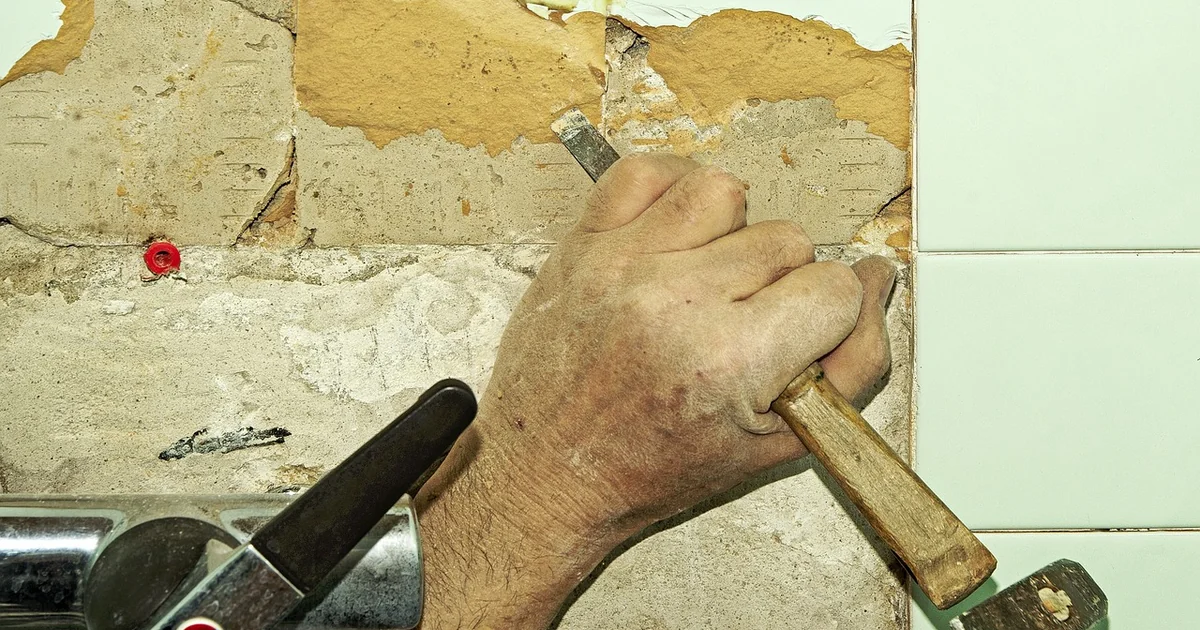
Dealing with Common Stain Types
Stains on tile can arise from a variety of sources, each requiring a slightly different approach. Understanding the type of stain is the first step toward successful removal.
Removing Blood Stains
Blood stains can be alarming, but they are often quite manageable if addressed promptly. A simple yet effective method involves using a cloth soaked in hydrogen peroxide or diluted bleach. Apply the solution directly to the stain and allow it to sit for a few minutes. The hydrogen peroxide acts as a mild bleaching agent, while diluted bleach can help break down the protein in the blood. Always test in an inconspicuous area first, particularly with colored tiles, as bleach can sometimes cause discoloration. Rinse thoroughly with clean water after the treatment. For stubborn old blood stains, you might need to repeat the process or try a paste of baking soda and water.
Tackling Coffee, Tea, or Juice Stains
Spills of coffee, tea, or fruit juices are common occurrences, especially in kitchens and dining areas. These stains are typically organic and can be effectively removed with a combination of mild detergent and hot water. Begin by gently scrubbing the stain with a soft cloth or sponge dampened with the soapy water. For more persistent stains, you can try blotting the area with a solution of hydrogen peroxide and water. The peroxide helps lighten the stain, and the blotting action prevents spreading. If the stain persists, a paste of baking soda and water can provide gentle abrasion without scratching the tile surface. Rinse thoroughly with clean water after each step.
Removing Gum, Wax, or Tar
Sticky substances like gum, wax, and tar can be particularly frustrating to remove from tile. A clever trick involves using ice cubes. Place a few ice cubes in a resealable plastic bag and apply the bag directly to the hardened material. The cold temperature will cause the gum, wax, or tar to become brittle and break away from the tile surface. Use a craft stick or a plastic scraper to gently lift the loosened material. For any residue left behind, try using non-flammable paint thinner, applying it with a cloth and wiping clean. It’s important to work carefully to avoid scratching the tile.
Addressing Grease or Fat-Based Stains
Grease and fat stains, common in kitchens, can be challenging to remove as they tend to penetrate the tile surface. A straightforward solution involves using club soda and water or a non-abrasive dish soap. Mix a small amount of dish soap with warm water and use a soft cloth to gently scrub the stain. Club soda, with its carbonation, can also help lift grease. Apply club soda directly to the stain, let it fizz for a few minutes, and then wipe clean. For stubborn grease, you can try a paste of baking soda and water, applying it to the stain and letting it sit for 15-20 minutes before rinsing. Always follow with a thorough rinse to remove any soap residue.
Removing Ink or Dye Stains
Ink and dye stains can be particularly difficult to remove, especially from light-colored tiles. Begin by applying a soaked cloth with diluted bleach to the stain. Allow the solution to sit for a few minutes, checking frequently to ensure it isn’t damaging the tile. For glazed ceramic or glass tiles, this method is generally safe. However, it’s crucial to avoid using bleach on natural stone tiles, as it can cause discoloration. If bleach isn’t suitable, try applying nail polish remover first. The solvents in nail polish remover can often dissolve ink. If needed, follow up with hydrogen peroxide or diluted bleach, being extra cautious and testing in an inconspicuous area first. Rinse thoroughly with clean water after each attempt.
Dealing with Iodine Stains
Iodine stains, often left behind from accidental spills or cleaning products, can be removed using diluted ammonia. Mix a small amount of ammonia with water in a spray bottle. Lightly spray the stain and let it sit for a few minutes. Gently scrub the area with a soft cloth or sponge. Rinse thoroughly with clean water and dry the tile immediately. Avoid mixing ammonia with bleach, as this can create toxic fumes. For a less potent approach, you can try a paste of baking soda and water, applying it to the stain and letting it sit for 15-20 minutes before rinsing.
You may also enjoy reading: 7 Times to Water New Grass Seed for Fall Success.
Removing Nail Polish Stains
Nail polish spills can quickly leave unsightly stains on tile. The most effective way to remove these stains is to use nail polish remover. Apply a small amount of nail polish remover to a clean cloth and gently blot the stain. Avoid rubbing, as this can spread the stain. The solvents in the nail polish remover will dissolve the polish. For glazed ceramic or glass tiles, this method is generally safe. However, avoid using acetone-based removers on natural stone tiles, as they can damage the finish. Once the stain is removed, rinse the area with clean water.
How to Remove Hard Water Stains from Tile
Hard water stains, often appearing as a filmy buildup around showers and faucets, are a common problem in homes with hard water. These mineral deposits can dull the appearance of tile and grout. The key to removing hard water stains is to use an acid-based cleaner. Vinegar is an excellent and readily available option for glazed ceramic or glass tiles. To use vinegar, soak a cloth with white vinegar and apply it to the stained areas. Let it sit for 15-20 minutes to dissolve the mineral deposits. Lightly scrub the tile with a non-abrasive sponge or brush. Rinse thoroughly with clean water and dry the tile immediately to prevent new spots from forming. For natural stone tiles, avoid frequent use of vinegar, as it can erode the surface. Select specific cleaning products made for stone to protect its finish. Another effective solution is a paste of baking soda and water. Apply the paste to the stained areas, let it sit for a few minutes, and then scrub gently before rinsing.
How to Remove Rust Stains from Tile
Rust stains, common in showers and on floors, typically occur when metal objects come into contact with moisture. These stains can be unsightly but are often removable. A natural and effective remedy involves creating a paste of equal parts lemon juice and borax. Apply the paste directly to the rust stain and gently rub it in with a soft cloth or brush. The citric acid in lemon juice helps dissolve the rust, while borax acts as a mild abrasive. Allow the paste to sit for 30-60 minutes, or longer for stubborn stains. Rinse thoroughly with clean water and wipe dry. Repeat the process as necessary until the rust vanishes. For delicate or colored tiles, test the paste in an inconspicuous area first to ensure it doesn’t cause discoloration.
Frequently Asked Questions
How do you remove stains from unsealed tiles? Unsealed tiles are more delicate because they lack a protective coating. Use mild, non-abrasive cleaning solutions and a soft-bristled brush to gently remove stains. Avoid harsh chemicals or scrubbing, as these can damage the porous surface. Will vinegar harm tiles with a ceramic coating? While vinegar is generally safe for glazed ceramic tiles, frequent or prolonged use can potentially dull the finish over time. It’s best to use vinegar sparingly and always dilute it with water. For natural stone tiles, avoid vinegar altogether. How do you clean tile floors? For routine cleaning, sweep tile floors with a soft-bristled broom to gently remove dirt and sand without causing damage. For deeper cleaning, use a solution of warm water and a mild detergent. Mop the floor with the solution, ensuring you rinse thoroughly with clean water afterward. For stubborn stains, address them individually using the methods described above.
Maintaining clean and stain-free tile surfaces doesn’t have to be a daunting task. By understanding the type of stain and employing the appropriate cleaning techniques, you can keep your tile looking its best for years to come. Remember to always test any cleaning solution in a hidden area first and to prioritize gentle methods over harsh abrasives. Regular maintenance, including prompt cleanup of spills, can also help prevent stubborn stains from forming in the first place.