It arrived the hard way, after a costly mistake that looked beautiful but never delivered the daily joy it should have. That question now sits at the center of every project we take on, big or small.

The One Question That Determines if a Renovation Is Worth It
Someone asked me in my DMs how we decide what is worth spending on a home project. I thought about it for days. The honest answer has shifted over the years as we have gained experience and made errors. But the core question we ask has never changed.
That question is simple: Will this look and feel X dollars better?
We do not ask whether the project will boost resale value. We are not house flippers, and we have never pretended to be. We do not ask what a designer would recommend. We ask only one thing: if we spend this specific amount on this specific project, will we walk through this room every day and feel the difference? Will the house feel X dollars more like us?
Sometimes the answer is an immediate yes. Sometimes it is a no, and the project quietly gets shelved. Sometimes it is a not yet, which is its own answer and often the most practical one.
Why the Staircase Renovation Was a Mistake Despite Looking Great
The best way to explain this question is to show where it came from. Chris and I renovated our front staircase before we even moved into this home. Looking back, that project was absolutely not worth it.
The stairs look fantastic. I pulled an inspiration image and designed them before we unpacked a single box. They matched the vision perfectly. But here is the problem: they cost a lot. And in the years that followed, I am not sure I drooled over those stairs even once.
We walk past them every day. They are functional, beautiful, and entirely forgettable in daily life. The cost never matched the daily enjoyment. That lesson cost us real money, but it taught us the right question to ask going forward. I regret nothing about how the stairs looked and everything about what they cost.
How Budgeting First Removes Guilt From Renovation Decisions
The other thing that changed everything for us was budgeting first. When a project has already been given its number, every decision inside that number feels allowed.
The tile is not a splurge. It is the tile. The light fixture is not a stretch. It is the fixture we said yes to. No guilt. No renegotiating with yourself at checkout. Just a clean set of decisions inside a line you already drew.
Amazon US Verified
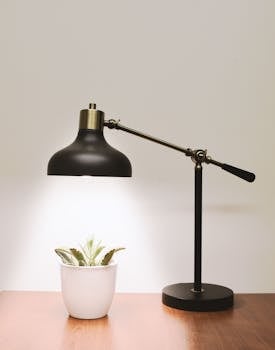
Smart LED Dimmable Warm Accent Bulbs
Energy-efficient 2700K warm white bulbs supporting customized ambiance scheduling.
This approach eliminates the second-guessing that drains energy from renovation projects. When you know the total number upfront, you stop asking whether you deserve the nicer option. You already decided you do. The budget is not a restriction. It is permission to spend freely within a boundary you set for yourself.
How to Handle Wants Versus Needs in a Renovation
Needs still come before wants. That rule is non-negotiable. When mold appeared on the exterior of our last house, the kitchen I had been dreaming about got pushed back. That is just how it goes.
But when something is a want, the question is always the same one. Will we use this every day? Will it make the house feel more like us? Will it look and feel X dollars better?
If the answer is yes, the project usually earns its place. If the answer is no, we let it go without drama. If the answer is not yet, we phase it in later. This framework removes the emotional weight from decisions that used to feel overwhelming.
What If You Cannot Tell Whether a Renovation Will Feel Worth It Until After It Is Done?
This is a real concern for many homeowners. You cannot always predict how a finished room will feel to live in. The staircase taught us that. The solution is to sit with the question longer. Imagine walking through the space six months after completion. Picture your morning routine in that room. Does the change improve your daily experience, or is it just decoration? If you are unsure, wait. The project will still be there next season.
How Do You Set a Budget Without Knowing All the Costs Upfront?
Start with a number that feels uncomfortable but possible. Research similar projects in your area to get a realistic range. Then add a 20 percent cushion for surprises. Once you have that number, commit to it. Every decision inside that number is allowed. If costs exceed the line you drew, scale back or phase the work. The budget protects you from the kind of regret the staircase taught us about.
Why Does Asking Will This Look and Feel X Dollars Better Work Better Than Asking About Resale Value?
Resale value is a guess. Market conditions change. Buyer preferences shift. What feels smart for resale today may feel dated in five years. But how a room makes you feel every single day is real. You cannot predict what a future buyer will pay, but you know whether you will enjoy your kitchen tile each morning. Renovating for daily enjoyment gives you a return you actually collect.
What It Means to Renovate in Phases
Some of my favorite rooms in this house were built in three trips, not one. Phased renovation means you spend where it counts now and revisit the rest later.
This approach works for several reasons. First, it keeps the project manageable. You are not trying to make every decision at once. Second, it lets you live in the space before committing to the next phase. You learn what you actually need versus what you thought you wanted. Third, it spreads the cost over time, which makes the question of whether a renovation is worth it easier to answer for each piece individually.
You may also enjoy reading: Say Goodbye to Grass Growing in Gravel.
When the answer is not yet, you are not saying no forever. You are saying not right now. That distinction matters. It keeps the door open for future improvements while preventing you from overspending on things that will not deliver daily value.
The Difference Between Renovating for Resale Value Versus Renovating for Daily Enjoyment
These two approaches lead to very different decisions. Renovating for resale value means choosing neutral finishes, following market trends, and prioritizing the projects that offer the highest return on investment. Renovating for daily enjoyment means choosing what makes you happy, even if it is not the safest bet for a future sale.
Neither approach is wrong. But you need to know which one you are doing. If you are renovating for resale, the question changes. You ask: Will a future buyer pay more for this? If you are renovating for daily enjoyment, you ask: Will this look and feel X dollars better to us?
Mixing the two leads to confusion and regret. Decide upfront which game you are playing. Our choice is clear. We renovate for how we live now, not for someone who may buy the house years from now.
How to Know When a Not Yet Answer Is the Right One
A not yet answer is right when the project would genuinely improve your daily life but the timing or budget does not support it at the moment. It is wrong when you are using it to avoid a decision you should just say no to.
We have learned to distinguish between the two by asking a follow-up question: If money were no object, would we do this project today? If the answer is yes, then it is a not yet. If the answer is anything else, it is a no.
This follow-up question cuts through the noise. It separates what you actually want from what you think you should want. It also prevents the kind of mistake we made with the staircase, where we rushed into a project because it looked good in an inspiration image, not because it would change how we experienced our home every day.
The Staircase Lesson in Perspective
The stairs, for the record, were gorgeous. I regret nothing about how they looked and everything about what they cost. A renovation can be both of those things at once. That is the whole lesson.
When you ask whether a renovation is worth it, you are really asking whether the cost matches the daily experience. The staircase failed that test. It looked beautiful but delivered no recurring joy. The cost was too high for the return we actually received.
Since that project, we have applied the same question to every renovation. Some projects pass. Others fail. The ones that pass are the ones we use every day, the ones that make the house feel more like ours, the ones where the cost and the daily experience are in balance.
Frequently Asked Questions
How do I apply the will this look and feel X dollars better question to a project that has many small decisions?
Apply the question to the overall project budget first. Decide whether the whole scope feels worth the total cost. Then apply the same question to each major line item. If the countertops cost three thousand dollars more than the basic option, ask whether you will feel that difference daily. If the answer is yes, spend the money. If the answer is no, choose the basic option and redirect the savings to something that will matter more.
What if my partner and I disagree on whether a renovation is worth it?
Each person should answer the question independently. Write down what the room will look and feel like at the proposed budget. Compare your answers. If one person says yes and the other says no, dig deeper. Ask why. Often the disagreement is about different priorities, not different values. If you still cannot agree, phase the project so you only spend on what you both feel good about. The remaining pieces can wait until you are aligned.
Is it ever worth renovating a room I rarely use, like a guest bathroom?
Only if the condition of the room bothers you every time you walk past it. A guest bathroom you see daily from the hallway can still deliver daily enjoyment through pride of ownership. But if the room is tucked away and you never think about it, the money is better spent on a space you actually inhabit. Apply the same question: will this look and feel X dollars better to you, given how often you experience it?
As an Amazon Associate, azuloz.com earns from qualifying purchases.