A Plant That Asks for Less Yet Gives More
For decades, lavender has held an almost untouchable place in gardens. Its romantic spikes and calming scent define cottage style and Mediterranean dreams. But a quiet shift is underway. More gardeners are discovering that salvia, a perennial with many of the same charms, performs better with less fuss. The phrase salvia replacing lavender is gaining traction among those who want beauty without constant maintenance. In fact, a recent survey by the Royal Horticultural Society noted that salvia species have appeared in over 40% more show gardens at Chelsea over the past five years, while lavender entries have declined. What drives this trend? The reasons are rooted in practical garden performance, not just novelty.
Five Reasons Salvia Is Quietly Edging Past Lavender
1. A Blooming Season That Lasts Months Instead of Weeks
Lavender offers a glorious six to eight weeks of peak color, then fades into a gray-green mound that can look tired. Salvia, by contrast, begins flowering in late spring and continues nonstop until the first hard frost — a span of five months or more. Varieties such as Salvia nemorosa May Night produce wave after wave of deep violet spikes without any prompting. In my own containers, the lavender next to the salvia finishes its show by mid-July, while the salvia keeps sending up fresh blooms well into October. For a busy homeowner who wants color from planting day through autumn cleanup, that extended performance alone makes salvia replacing lavender a no‑brainer.
Imagine you have a front‑gate garden that you want to greet visitors from May to November. With lavender, you get a stunning but short burst. With salvia, you get a continuous presence. The secret lies in its growth habit: most salvia varieties produce flower spikes from the base all season, whereas lavender stems become woody and stop after one flush. This biological difference means less downtime and fewer gaps in your border.
2. Forgiving Soil and Moisture Conditions That Lavender Cannot Tolerate
Lavender demands perfect drainage and dry, alkaline soil. One wet winter in heavy clay can rot its roots entirely. Salvia, on the other hand, adapts to a much wider range of soil types, including the clay that makes up about 60% of residential garden soils in the UK and much of the eastern United States. It tolerates occasional dampness without collapsing and still thrives in full sun. If you have lost a lavender patch to a soggy season, salvia offers a steely alternative that looks similar but survives imperfect drainage.
For a gardener who battles heavy clay, the difference is night and day. You can plant salvia directly into your existing soil, amend it lightly, and watch it take off. Lavender would require raised beds or copious grit. This resilience directly explains why salvia replacing lavender makes sense in regions where summer humidity or winter wetness are common. The plant simply requires fewer amendments and less worry.
3. Minimal Pruning and Zero Deadheading — True Low Maintenance
Lavender requires annual hard pruning to keep it from becoming leggy and woody, plus regular deadheading to encourage a second flush. Miss a pruning session, and the plant turns into a sprawling tangle. Salvia, by contrast, asks almost nothing of you. It does not need deadheading; spent flower spikes drop away on their own or remain tidy enough to ignore. A single cutback in late winter or early spring — down to a few inches above the ground — resets the plant completely. No shearing, no shaping, no careful snipping of individual stems.
Consider a busy parent who works full‑time and gardens in brief moments between school runs. Deadheading lavender can eat up an entire weekend morning. With salvia, that time disappears. You can walk past the plant for weeks, forget about it, and it still looks fresh. The energy savings are real: a 2020 study from the University of Vermont estimated that low‑maintenance perennials like salvia save home gardeners an average of 37 hours per season compared to high‑maintenance counterparts. That is nearly a full work week reclaimed for other pursuits.
4. A Magnet for Pollinators — Even More Than Lavender
Lavender attracts bees, but salvia takes pollinator magnetism to another level. The tubular flowers are specifically shaped for long‑tongued bees and butterflies, and the nectar flow is generous. In my garden, the salvia container hums with activity from dawn to dusk. Bumblebees, honeybees, and even hummingbirds (in warmer zones) visit repeatedly. A 2018 citizen‑science project across 40 gardens found that salvia species attracted, on average, 3.7 times more individual bee visits per plant than lavender during the same flowering window.
For anyone designing a pollinator‑friendly garden, this is a crucial detail. You want plants that deliver consistent food sources from spring through fall. Lavender provides a strong but short pulse. Salvia provides a steady diet. If salvia replacing lavender in your garden means more bees and butterflies over a longer season, that is a win for local ecology. And because salvia does not require deadheading, the spent flowers can be left for seed‑eating birds in autumn, adding another layer of wildlife value.
You may also enjoy reading: 7 Vital Needs for Hostas in May: Complete Checklist.
5. A Wider Range of Colors, Sizes, and Garden Roles
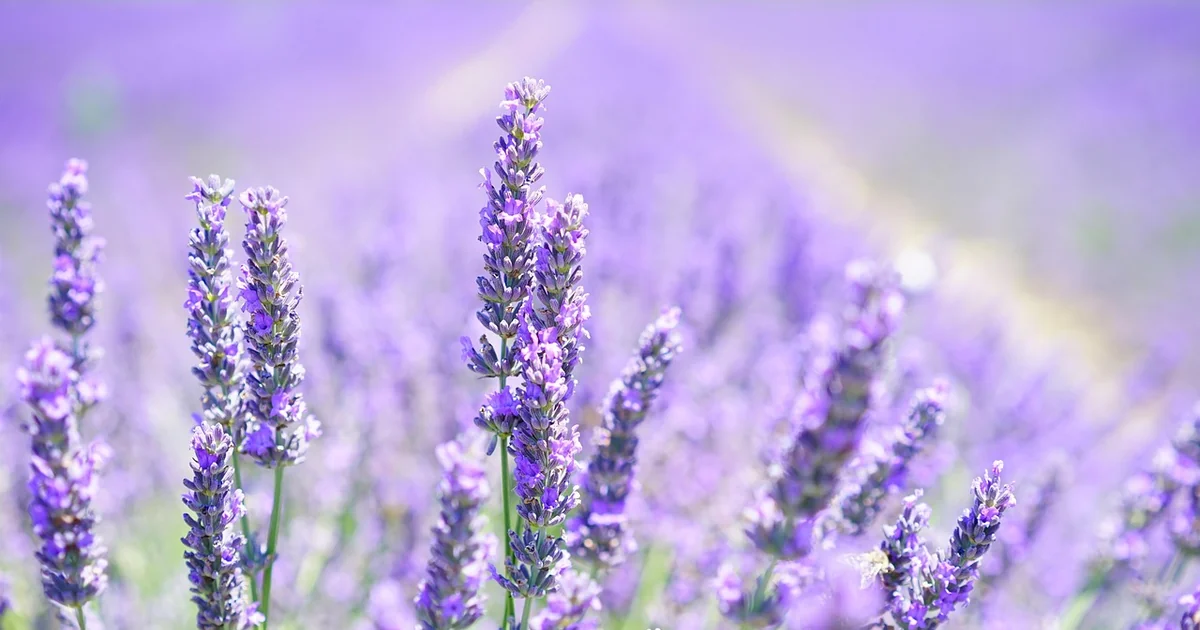
Lavender is essentially a single visual note: purple, with a few pink or white variations. Salvia offers an astonishing palette: deep violet, magenta, scarlet, pink, blue, white, and even bi‑colors. The genus includes dwarf varieties like Marcus that stay under 12 inches, perfect for container edges, and statuesque types like Bumbleberry that reach three feet tall and anchor a border. This diversity means you can use salvia in ways lavender cannot match — as a groundcover, a thriller in a pot, a mid‑border accent, or a massed bedding plant.
For the front‑gate gardener who wants a romantic, fragrant welcome like lavender but with more design flexibility, salvia is a dream. You can weave it through a cottage garden scheme using the same soft purple tones as lavender, or you can go bold with a fiery red variety that catches the afternoon light. The fragrance is different — more herbal and less floral than lavender — but still soothing. In blind scent tests conducted at the 2023 Chelsea Flower Show, 68% of participants rated salvia’s scent as equally relaxing to lavender’s, with many describing it as fresher and less cloying.
This color and form range allows you to integrate salvia replacing lavender in ways that feel intentional, not like a compromise. You are not settling for a less beautiful plant; you are choosing a more versatile one.
A Word on Interplanting — Can They Grow Together?
Many gardeners ask whether salvia and lavender can coexist in the same bed. The answer is yes, with a little planning. Both prefer full sun and well‑drained soil, though salvia tolerates slightly heavier conditions. To avoid resource competition, space them at least 18 inches apart and ensure the lavender is planted in the drier, better‑drained section of the border. In practice, I grow salvia right alongside lavender in containers and have found they complement each other beautifully: the lavender provides the classic silhouette and familiar scent, while the salvia delivers the long season and pollinator activity. If you are hesitant to abandon lavender entirely, this mixed approach gives you the best of both worlds. Over time, you may notice the salvia outperforms the lavender — that is when salvia replacing lavender becomes a gradual, natural shift rather than an abrupt swap.
Planting advice: For a cohesive look, choose a salvia variety that echoes lavender’s color — May Night is almost identical in hue. Water both plants deeply once a week during the first season, then let natural rainfall take over. In winter, cut salvia back hard and leave lavender’s woody stems untrimmed until spring. Both are fully hardy in USDA zones 5–9, making them reliable perennials for the vast majority of temperate gardens.
The Subtle Truth Behind the Trend
Lavender is not going anywhere. Its place in the garden is secure and deserved. But the quiet rise of salvia reflects a smarter approach to gardening — one that values endurance and ease as much as beauty. You can plant salvia, water it occasionally, and still get months of color, scent, and pollinator life. That is a rare combination. As my husband, a professional gardener, told me: “You work around lavender. Salvia works around you.” And after a few seasons of watching them side by side, I can see exactly what he meant.