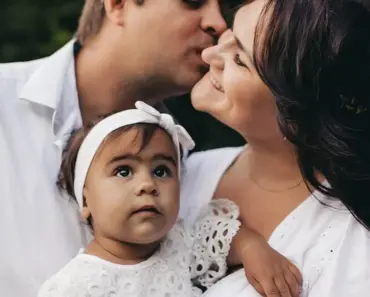
Picture a beloved Bollywood star, a grandmother with decades of life behind her, admitting on a podcast that she pleads with her daughter-in-law to let her slip a single chocolate to her granddaughter — and being gently but firmly told no. Sitting across from Soha Ali Khan on the All About Her podcast, Neetu let her guard down about the fears, the self-doubt, and the quiet heartaches that come with watching your children raise children of their own in a world that looks nothing like the one you knew.

How Do Parenting Styles Differ Across Generations According to Neetu Kapoor?
Neetu did not mince words when the conversation turned to how dramatically the parenting playbook has been rewritten. She acknowledged, with a humility that surprised many listeners, that parenting approaches have evolved with changing times. What worked in the 1980s and 1990s — the era when she raised Ranbir Kapoor and Riddhima Kapoor Sahni — would draw sharp criticism today. She recalled a household where the television ran freely, where sugar was not the villain it has become, and where the concept of structured screen limits simply did not exist.
That candor matters because it sidesteps the defensiveness that often poisons intergenerational conversations about child-rearing. Neetu did not claim her way was better. She said she did the best she could in her own time, a quiet admission that releases both generations from the need to prove the other wrong. For any grandparent who has bitten their tongue while watching their child enforce a no-juice policy or a strict bedtime routine, that stance offers a template: honor your own efforts without undermining theirs.
What makes this generational pivot particularly disorienting, she hinted, is the speed of it. In roughly three decades, the consensus on what children need has flipped on sugar, on passive screen consumption, on structured versus free play, and on the very definition of parental vigilance. No wonder grandparents sometimes feel like strangers in a land they thought they knew.
The Chocolate Conflict: A Microcosm of Every Intergenerational Parenting Clash
The Chocolate Standoff — Saying No When Every Instinct Says Yes
If there is a single image from the podcast that has lodged itself in the public imagination, it is Neetu laughing as she recounted her running battle with Alia Bhatt over chocolate. “I’m always fighting with her… let me give her one chocolate,” she recalled saying. Alia’s response was swift and evidence-backed: sugar is not good for Raha. Neetu Kapoor said Alia Bhatt limits sugar for Raha because sugar is not good for her, a stance rooted in pediatric guidance that links early sugar exposure to everything from dental decay to metabolic disruption.
For a grandmother, the calculus feels entirely different. A chocolate is not a dietary decision; it is a love language. It is the small, conspiratorial joy of watching a child’s face light up, of being the soft place in a world of rules. Alia’s firmness — “can you understand sugar is not good for her” — represents one of the core scary parenting happenings that grandparents of this generation must navigate: the realization that gestures they believed were pure affection are now reframed as health risks.
This is not about chocolate. It is about the quiet grief of discovering that the grandparenting you imagined — the one with sticky fingers, smuggled treats, and delighted squeals — does not match the grandparenting the parents will permit. For someone who is a grandparent struggling to balance their desire to indulge with their child’s strict rules, Neetu’s honesty on the podcast offers solidarity. You are not alone in feeling a pang every time you return a sweet to the pantry shelf.
Who Is the Stricter Parent Between Alia Bhatt and Ranbir Kapoor?
Screen Time — The New Frontier Where Grandparents Feel Lost
Neetu painted a vivid picture of the parenting dynamic inside her son’s home, and it challenges some of the assumptions outsiders might hold. Neetu Kapoor said Raha listens to Alia Bhatt and that Alia is a great mother, a tribute that carries weight coming from a woman who has watched mothers up close for decades in the film industry and beyond. Alia, Neetu explained, is the parent who draws the boundaries — no television, no unrestricted snacking, a steady emphasis on discipline and healthy habits.
On the other hand, Neetu Kapoor said Ranbir Kapoor is like a friend to Raha. He is the parent with whom the little girl does all her “masti,” the one who brings lightness and play into her days. This division is not unusual in modern households, but hearing it articulated by a grandmother who observes it daily underscores something important: effective co-parenting does not require both parents to be identical. The stricter parent teaches limits; the friendlier parent teaches joy. Raha gets both.
Yet for a grandparent watching this dynamic unfold, the screen-time rules can feel particularly alienating. Neetu recalled that in her time, there was no awareness of “no TV.” Ranbir and Riddhima watched television every day. Today, Alia’s mindful approach means screens are tightly controlled, and grandparents who once used the television as a reliable co-conspirator — a way to steal twenty minutes of peace while the child was entertained — find themselves stripped of a familiar tool. Imagine a new mother who constantly has to tell her own mother-in-law “no screens” and worries about hurting her feelings. That friction point is real, and it is one of the scary parenting happenings that can quietly erode family harmony if left unspoken.
What Is Neetu Kapoor’s Biggest Worry for Her Grandchildren?
Social Media — The Unseen Threat That Keeps Her Awake
Here is where it gets interesting. When the conversation on the podcast turned toward the future — toward the world Raha will inhabit as a teenager and young adult — Neetu’s tone shifted. She did not speak about sugar or television schedules. She spoke about something far less tangible and far more menacing. Neetu Kapoor said social media is scary and is a concern for today’s parenting. The phrase hung in the air, weighted with a fear that many grandparents feel but few can articulate with such clarity.
Her reasoning was sharp. She noted that much of today’s parenting anxiety stems from the rise of social media and excessive screen exposure. In her own parenting years, the dangers were physical and local — a child might fall off a bicycle, might wander too far from the house, might encounter a stranger on the street. Today, the dangers arrive through a device that sits in a child’s pocket. The stranger is in the bedroom. The fall is emotional, reputational, and its impact can spread globally in hours.
Neetu pointed to the addictive architecture of these platforms — “you get so addicted to that screen” — and the cascade of harms that addiction can unlock. Cyberbullying, predatory contact, distorted body image, the warping of social comparison during formative years: these are not abstract risks. They are documented outcomes that have made social media the defining parental terror of this era. For a grandmother who cannot control what algorithm serves content to her granddaughter, the helplessness is profound. This is not one scary parenting happening among many; for Neetu, it appears to be the apex fear, the one that dwarfs all others.
Consider a young parent facing pressure from both sides — a partner who is the fun parent and a grandmother who wants to spoil — and then layer on the anxiety of social media’s encroaching presence. The cumulative weight is enormous, and Neetu’s willingness to name it publicly strips away some of the isolation that modern parents feel.
Why Does Neetu Kapoor Believe a Nani Shares a Closer Bond Than a Daadi?
The Daadi’s Ache — When Circumstance Seems to Favor the Other Grandmother
In one of the more emotionally nuanced moments of the podcast, Neetu reflected on grandparent dynamics that rarely get discussed in public. Neetu Kapoor said a maternal grandmother often becomes emotionally closer to a child than a paternal grandmother. She grounded this observation in something practical rather than sentimental: the mother is always talking about her own mother with her child. That constant, ambient presence — the stories, the references, the casual mentions at mealtime — builds a bridge that the paternal grandmother must work harder to construct.
This is not a grievance. Neetu did not frame it as one. But it is a reality that many daadis feel acutely, and hearing a figure as prominent as Neetu Kapoor voice it brings a kind of validation. The maternal grandmother is woven into the child’s daily consciousness through the mother’s memories and habits. The paternal grandmother, however loving, exists at one remove unless conscious effort is made to close the gap. Neetu Kapoor said she wants to be a good grandmother, and that aspiration takes on particular weight when you understand that she is navigating this dynamic in real time.
That said, this awareness can become productive rather than painful. Recognizing the structural advantage the nani enjoys does not mean resigning yourself to second place. It means understanding that closeness is not automatically bestowed — it is built through presence, through showing up, through finding your own rituals and stories that the child comes to associate with you alone. Neetu’s candor here transforms what could be a source of quiet resentment into a piece of emotional intelligence that every daadi can use.
What Advice Does Neetu Kapoor Give About Married Children’s Privacy?
The Tightrope Walk — Loving Without Overstepping
Perhaps the most countercultural thing Neetu said on the podcast was not about sugar or screens or social media. It was about space. Neetu Kapoor said parents should give married children space and respect their privacy. In a culture where extended family involvement is both the norm and the expectation, where dropping by unannounced is considered a love language and unsolicited advice is dispensed freely, her stance is quietly radical. She articulated a philosophy of deliberate restraint: when your children get married, you have to leave them alone.
You may also enjoy reading: 7 Ways to Safely Dye Hair While Breastfeeding.
This is not coldness. It is a calculated act of love designed to protect the marriage from the thousand small erosions that parental over-involvement can cause. She acknowledged that she does not want to interfere in her children’s parenting choices. That sentence carries more weight than it seems. Interfering is easy. It is the default. Holding back — watching a parenting decision you disagree with, seeing a small conflict you could mediate, knowing a piece of advice that might help — and choosing silence: that takes a discipline most grandparents never develop.
For a grandmother who adores her granddaughter, the fear lurking beneath this hands-off approach is one of the subtler scary parenting happenings she faces: the terror that pulling back too far might mean missing out, that respecting privacy might calcify into distance, that the bond she desperately wants might slip through her fingers precisely because she is trying so hard not to grip it. Neetu Kapoor said she wants to be a good grandmother, and the paradox is that being good, in her framework, means knowing when to recede.
Nevertheless, this approach has a quiet wisdom. Married couples need room to become a unit, to make mistakes, to develop their own language of conflict and repair without an audience. Parents who grant that room are not abandoning their children; they are trusting them. And trust, over the long arc of a relationship, builds a far stronger foundation than proximity enforced through obligation.
How Neetu Kapoor’s Hands-Off Approach Reveals Deeper Anxiety About Being a ‘Good’ Grandparent
Running beneath every anecdote Neetu shared on the podcast is a current of self-interrogation. What does it mean to be a good grandmother when the metrics keep shifting? In her own mother’s generation, a good grandmother fed the child generously, told stories, provided unlimited affection, and stepped in when the parents were tired. Today, a good grandmother must check the ingredient list, must ask about screen-time limits, must navigate the minefield of parental philosophies she does not always understand.
The anxiety is not theoretical. It surfaces in the small moments — the chocolate she is not allowed to give, the television she is not supposed to switch on, the Instagram account she worries Raha will one day open. Each restriction, however reasonable, can feel like a small rejection, a signal that her instincts are untrustworthy. And yet Neetu does not push back. She complies, even when it stings, because she has made a larger calculation: the relationship with her son and daughter-in-law, and by extension with her granddaughter, matters more than winning a skirmish over a sweet.
In addition, her willingness to discuss these tensions publicly performs a service. It normalizes the discomfort that countless grandparents feel but rarely express. The grandmother who bites her tongue at the birthday party, who watches another sugary treat get whisked away, who nods along to the screen-time rules she privately finds excessive — she now knows that Neetu Kapoor, with all her resources and cultural capital, is in the same boat. That recognition alone can soften the edges of a difficult family dynamic.
For instance, the chocolate conflict is not really about chocolate. It is about a grandmother asking, through the only language available to her in that moment: Do I still matter? Am I still allowed to bring joy into this child’s life? Alia’s no is not cruel — it is medically sound parenting — but it lands on a grandmother’s heart with a weight the parent may not fully register. Acknowledging that weight, as Neetu did, is the first step toward a family culture where both the rules and the feelings can coexist.
Frequently Asked Questions
What exactly did Neetu Kapoor say about Alia Bhatt being the stricter parent?
On Soha Ali Khan’s All About Her podcast, Neetu Kapoor explained that Alia Bhatt is the parent who focuses on discipline and healthy habits in raising Raha. She described Alia as a great mother whom Raha listens to, and she noted that Alia enforces clear limits around sugar, television, and daily routines. By contrast, Neetu characterized Ranbir Kapoor as more of a playful friend to Raha, the parent with whom the little girl shares her mischief and lighthearted moments.
Why does Neetu Kapoor think social media is one of the scariest parenting challenges today?
Neetu pointed out that social media introduces risks that simply did not exist when she was raising Ranbir and Riddhima. She highlighted the addictive nature of screens, the difficulty of monitoring what children encounter online, and the broader dangers — from cyberbullying to predatory behavior — that can infiltrate a child’s life through a smartphone. For her, the helplessness of not being able to fully control that digital environment is what makes social media the most frightening aspect of modern parenting.
How can grandparents maintain a close bond with grandchildren while respecting the parents’ rules?
Neetu’s approach offers a practical model: comply with the parents’ boundaries around sugar and screen time even when you privately disagree, and focus instead on building connection through presence, storytelling, and undivided attention. She emphasized that grandparents should not interfere in parenting choices and must respect married children’s privacy. The bond, she implies, is not built through indulging every impulse to spoil — it is built through showing up consistently and honoring the parents’ authority.
What lingers after hearing Neetu Kapoor speak so openly on the podcast is the image of a woman who is learning — at an age when many people stop learning — how to love on someone else’s terms. She is not parenting Raha. She is grandparenting her, which is a different art entirely. And if she sometimes stumbles, if the chocolate nearly makes it into the tiny hand before being intercepted, that stumble is part of the story too. It is the story of every grandparent who is trying, in a world that has rewritten the rules, to find their place in a child’s heart without disrupting the home that child’s parents are building.