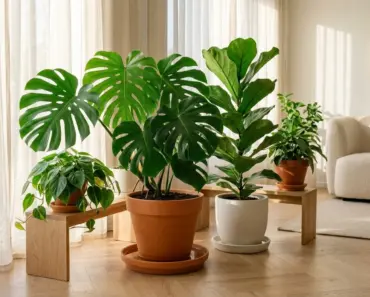
Your spider plant’s June care routine unlocks year-round lushness. This month marks a pivotal transition as your plant shifts from gentle spring growth into its most active summer season. The choices you make now — how you water, trim, repot, and propagate — directly determine whether your spider plant looks full and vibrant through the coming winter months. June is not just another month on the calendar; it is the single most impactful window for setting your spider plant up for success. Let’s walk through the five essential care areas that turn a decent spider plant into a truly statement-making houseplant.
Why Is June the Critical Month for Spider Plant Care?
Many houseplant owners treat all summer months the same. They water a little more, maybe fertilize once, and hope for the best. Spider plants, however, operate on a specific biological clock. June sits at the intersection of two important phases: the end of the spring growth spurt and the beginning of the intense summer push for new leaves, runners, and baby plants. Giving your spider plant focused attention in June means you are catching it at its most receptive moment.
The plant has already spent spring waking up from lower winter light levels. By June, daylight hours are long, and natural light intensity is high. This combination triggers your spider plant to produce chlorophyll efficiently and channel energy into leaf production. If you intervene with proper care now, the plant builds energy reserves that sustain its lush appearance straight through shorter, darker winter days. Neglect this window, and you may see leggy growth, pale leaves, or a sharp decline in fullness by October.
What Should You Check First When Giving Your Spider Plant a June Glow-Up?
Before you reach for a watering can or grab your scissors, take a hard look at the pot your spider plant is living in. Pot size is the foundation of everything else. If the roots have filled the container completely, the plant cannot access water or nutrients efficiently, no matter how carefully you water or feed it.
Spider plants are known for their vigorous root systems. They quickly outgrow containers, and a root-bound plant tends to push roots up against the sides of the pot or even out of the drainage holes. In June, the growing season demands that roots have room to spread. A cramped root ball limits how many leaves the plant can support and reduces its ability to stay hydrated during hot weather.
Amazon US Verified
Organic Perlite Horticultural Soil Conditioner
Lightweight volcanic mineral that improves root aeration and prevents compaction.
How to Tell If Your Spider Plant Needs Repotting
Lift the pot gently and look at the drainage holes. Do you see thick white roots poking through? Slide the plant out of its container and examine the root ball. If roots circle the bottom densely or form a thick mat around the soil, repotting is overdue. A spider plant that looks healthy on top but stops producing new leaves is often silently suffering below the soil line.
If the roots are pushing up the sides of the pot, it is time to give it a new, bigger home. Choose a terracotta pot with drainage holes that is slightly bigger than the existing root ball. Terracotta breathes, which helps prevent overwatering. A pot that is too large holds excess moisture and can lead to root rot. Go up just one size — about two inches wider in diameter than the current pot.
Amazon US Verified
Digital 3-in-1 Soil Moisture & pH Meter
Accurate probe to test deep root zone moisture and prevent accidental overwatering.
Payoff: Checking the pot size first prevents wasted effort on watering and feeding that the plant cannot use. A slightly larger terracotta pot gives roots room to grow without drowning them in soggy soil.
How Should You Water Your Spider Plant in June?
Watering a spider plant in June requires a shift from your cooler-month routine. The plant is actively growing, and the warmer temperatures mean the soil dries out faster. But the goal is not simply to water more often. The goal is to water with precision.
The Balance Between Deep Watering and Avoiding Soggy Soil
Spider plants like evenly moist soil, but they absolutely hate sitting in waterlogged conditions. In June, aim to water deeply enough that moisture reaches the entire root ball. Then let the top inch of soil dry out before you water again. Stick your finger into the potting mix. If it feels dry at your first knuckle, it is time to water.
You may need to water every five to seven days in June, depending on your home’s temperature, humidity, and light levels. A south-facing windowsill with bright indirect light will dry out faster than a spot in a north-facing room. Adjust your schedule based on the plant’s signals, not a fixed calendar day.
Why Tap Water Can Cause Crispy Leaves
One common frustration with spider plants is brown leaf tips. Many owners assume this is a humidity issue or a sign of underwatering. Often, the real culprit is tap water. Municipal water supplies contain chlorine and fluoride, two chemicals that spider plants are particularly sensitive to. Over time, these compounds accumulate in the leaf tips, causing them to turn brown and crispy.
Using tap water can make the leaves crispy if that water is chlorinated or fluoridated. In June, when the plant is actively transpiring and taking up more water, the effect is more pronounced. Switch to distilled water or captured rainwater for the best results. If you must use tap water, let it sit out in an open container for 24 hours to allow some of the chlorine to evaporate. This won’t remove fluoride, but it helps reduce the immediate impact.
Payoff: Watering evenly moist with distilled or rainwater in June prevents crispy leaves and supports the intense growth phase ahead.
What Should You Do About Crispy Leaves on Your Spider Plant in June?
Speaking of crispy leaves, June is the ideal time to trim them away. Brown tips or entire leaves that have turned yellow or withered do not heal. Leaving them on the plant wastes energy that could go toward healthy new growth. Trimming them now gives your spider plant a cleaner, fuller appearance and redirects resources where they matter most.
How Trimming Crispy Leaves in June Sets Your Spider Plant Up for a Lush Winter
When you remove damaged foliage, the plant stops trying to repair cells that cannot recover. Instead, it channels carbohydrates and water into producing fresh leaves from the crown. By doing this trim in June, you give the plant the entire summer and fall to regenerate before winter slows its metabolism. A spider plant that enters winter with a full set of healthy green leaves looks dramatically better than one dragging browned tips into the darker months.
Use a pair of clean garden scissors to make the cuts. Trim away either the entire leaf at its base or just the browned tip. If you trim tips, follow the natural shape of the leaf by cutting at an angle that mimics the pointed end. This keeps the plant looking natural rather than chopped.
Giving Your Spider Plant a Full Cleaning
While you have the scissors out, give the whole plant a wipe down. Dust accumulates on broad leaves over winter and spring. A layer of dust blocks sunlight from reaching the leaf surface, reducing photosynthesis. In June, when the plant relies on maximum light absorption, a clean leaf is a productive leaf.
Wipe the plant with a damp cloth, gently supporting each leaf from underneath. This is also the moment to check for pests that thrive in warmer weather. Spider plants are generally resilient, but mealybugs and scale insects can appear when temperatures rise. Look closely at the leaf axils — the spots where leaves meet the stem — and along the undersides of leaves. If you spot any pests, remove them by hand or treat the plant with an organic insecticidal soap or neem oil spray.
You may also enjoy reading: Protect Veggies With a Simple 3-Ring Pest Method.
Payoff: Trimming browned tips and cleaning leaves in June clears the way for strong summer photosynthesis and prevents pest populations from building up unnoticed.
How Can You Propagate Spider Plants in June for a Fuller Display?
One of the best things about spider plants is how generously they produce offsets — the baby plants, often called spiderettes or pups. These little plants grow on long runners that extend from the mother plant. In spring, your spider plant produced small white flowers, and from those flowers, the babies develop. By June, many of these spiderettes will have started forming their own tiny root systems.
The Role of Baby Spider Plant Propagation in Maintaining a Full, Healthy Mother Plant
Leaving every single baby attached to the mother plant can drain her energy. She sends water and nutrients out along those runners to support the pups. While this looks lush in the short term, it can weaken the mother plant over time, reducing her ability to produce large leaves and stay resilient through winter.
June is the perfect time to propagate these babies. To propagate spiderettes that have started to form roots, cut them off of the mother plant and set the root end in a small pot filled with container mix. Keep the soil lightly moist for the first week or two while the baby establishes itself. You can also plant the little pups in the same pot as the mother plant, leaving them attached, which will make your original spider plant look extra lush. This technique creates a clustering effect that hides any bare soil and gives the pot a denser, more impressive appearance.
Alternatively, you can divide plants that have gotten too large. If your spider plant has multiple crowns or clumps, you can split off whole sections — roots and above-ground growth — and replant them immediately. This is a faster way to create a second mature plant compared to starting from a baby spiderette.
Payoff: Cutting off rooted spiderettes and potting them separately, or planting pups in the same container, maintains a healthy mother plant while building a fuller, more lush arrangement.
Why Pests Tend to Appear in June and How Proactive Checks Prevent Infestations
Warmer weather does not just encourage plant growth. It also wakes up pests that were dormant during cooler months. Mealybugs, scale insects, and spider mites all become more active as temperatures rise. Spider plants are less prone to severe infestations than some tropical houseplants, but they are not immune — especially if they have dusty leaves or sit in a low-airflow corner.
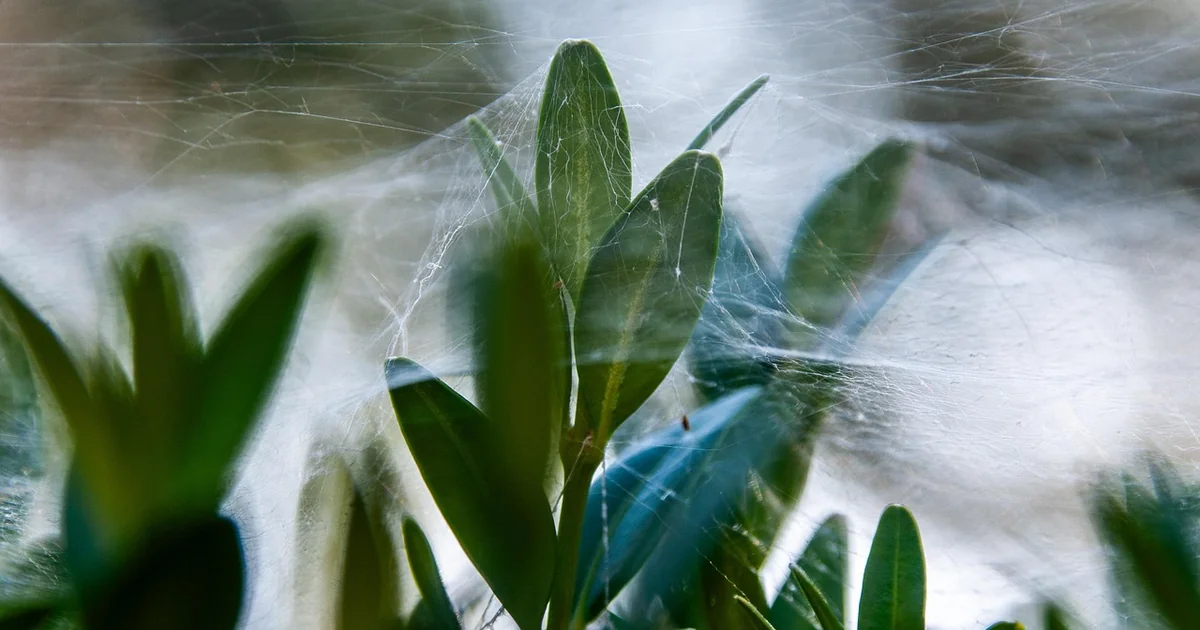
A proactive check in June takes only a few minutes. Run your fingers along the undersides of leaves. Look for tiny white cottony clusters (mealybugs), small brown bumps (scale), or fine webbing between leaf stems (spider mites). If you catch these early, you can remove them with a cotton swab dipped in rubbing alcohol or a quick spray of neem oil. Once a population establishes, it becomes much harder to control without resorting to harsher chemicals.
Payoff: A simple weekly check in June stops pest problems before they spread, keeping your spider plant healthy and stress-free through the growing season.
Frequently Asked Questions
How often should I water a spider plant in June if the topsoil dries out quickly?
In June, spider plants often need water every five to seven days, but the best guide is your finger. Insert it about one inch into the potting mix. If it feels dry at that depth, water thoroughly until moisture runs out of the drainage holes. If the top inch still feels damp, wait another day or two. Pots in bright, warm spots will dry faster than those in lower light, so observe your plant’s specific environment rather than following a rigid schedule.
What if my spider plant is already in a pot that seems too large — should I still repot in June?
If your spider plant already sits in a container that is significantly larger than its root ball, repotting into an even larger pot is not necessary. In fact, oversize pots hold excess moisture that can lead to root rot. Instead, focus on the other June care tips: water carefully with distilled water, trim any crispy leaves, clean the foliage, and propagate any spiderettes. Only repot if the roots are visibly circling the pot or pushing out of the drainage holes.
Amazon US Verified
Self-Watering Planters with Drainage Aerators
Elevated reservoir design that prevents soggy roots and ensures steady hydration.
Why does June matter more for spider plant care than other summer months?
June is the transition month between spring’s moderate growth and summer’s high-energy push. Day length peaks around the summer solstice, giving your spider plant maximum light exposure. The plant’s metabolism is fully active, but the intense heat of July and August has not yet arrived. Addressing watering, pot size, leaf health, and propagation in June allows the plant to build strong reserves before the hotter, drier weeks ahead. This timing directly influences how lush the plant remains through the following winter.
As an Amazon Associate, azuloz.com earns from qualifying purchases.