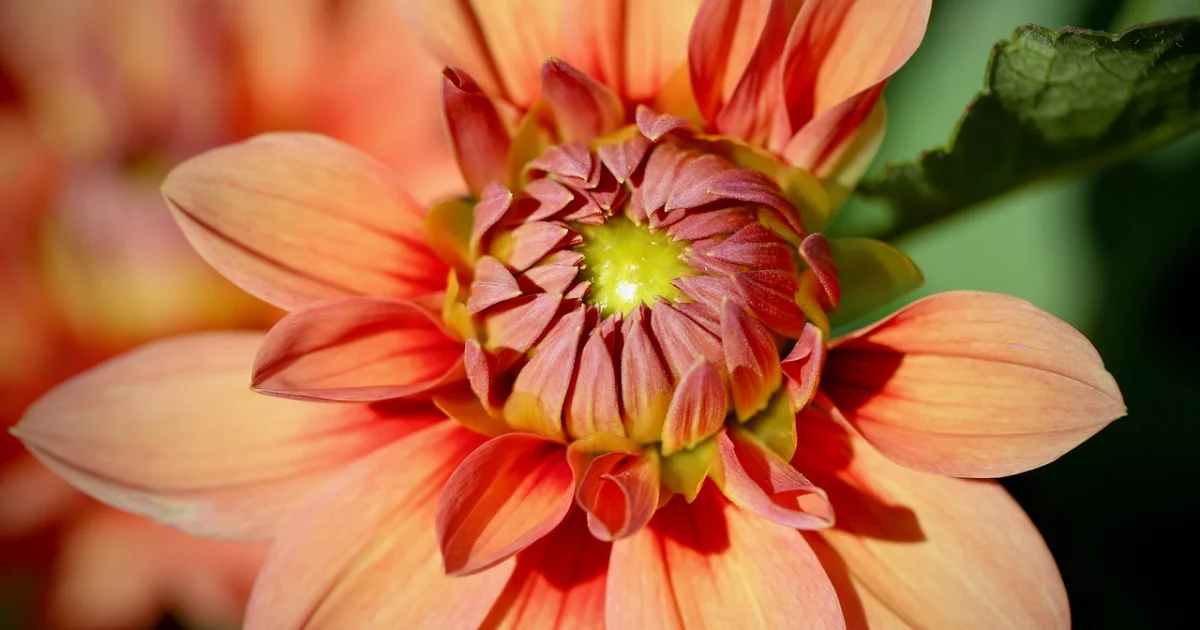
The thrill of witnessing a dahlia explode into a riot of color in the midst of summer is a truly special experience. For many of us, the wait until August feels a little too long, a period of hopeful anticipation punctuated by the inevitable disappointment of delayed blooms. But what if you could shift that timeline, moving the party forward and enjoying those magnificent flowers weeks earlier? It’s entirely possible, and it hinges on a surprisingly simple, yet powerful, set of spring care techniques. These aren’t just gardening tricks; they’re a deep dive into understanding the needs of your dahlia tubers and how to gently but effectively coax them into a more vigorous growth phase. Forget the usual waiting game – it’s time to jumpstart dormancy and double your flower count! This isn’t about forcing blooms; it’s about activating the natural processes within your tubers, giving them a headstart they desperately need. Think of it as a gentle nudge, a strategic intervention that rewards you with a spectacular display of dahlias in July.
1. The Rehydration Ritual: Giving Your Tubers a Bath
The most surprising, yet arguably most crucial, step in spring dahlia care is simply giving your tubers a bath. It sounds almost counterintuitive – why would you rehydrate something that’s been dormant? The reality is that storing dahlias, even in cool conditions, can lead to a slight desiccation. Many growers, understandably focused on preventing rot, err on the side of dryness, believing that a slightly shriveled tuber is better than a rotten one. However, a truly viable tuber needs to be just barely moist, like a well-wrung-out sponge. If you wake up your tubers this year only to find they look shriveled, don’t panic. A soak can often revive them. Even tubers that look healthy and firm can benefit from rehydration. The key is to gently submerge the tubers in lukewarm water – not hot, not cold – for approximately 24-48 hours. This rehydration process activates the cambium layer, the actively growing tissue beneath the outer skin, essentially jumpstarting the plant’s internal clock. This step alone can make a dramatic difference in your dahlia’s overall health and vigor.
2. Temperature Manipulation: The Hotboxing Technique
Dahlias, like many plants, have a strong connection to temperature and moisture. Their metabolic rate is directly tied to these factors. By artificially manipulating these elements in April, you can effectively bypass the slow start phase that typically occurs when planting in the cool, damp ground of early May. The technique is known as “hotboxing,” and it’s surprisingly effective. After rehydrating your tubers, place them in a dark, enclosed space – a cardboard box works perfectly – and maintain a temperature of around 75-85°F (24-29°C). This warm environment stimulates early eye activation – the small buds that will eventually develop into flowers. This process can dramatically accelerate the growth and development of the tubers, giving them a significant advantage when they’re planted in the garden. Interestingly, this technique is most effective with dahlias that are intended to bloom in the summer. For optimal results, use a thermometer to monitor the temperature and ensure it remains within the desired range. Remember, consistency is key – maintain the warm, dark environment for about 10-14 days.
3. Seaweed Extract – A Natural Hormone Boost
Dahlias, much like other flowering plants, respond positively to natural growth regulators. Seaweed extract is a fantastic natural source of these hormones, particularly auxins, which play a vital role in cell division and growth. Adding a few drops of seaweed extract to the water used for the rehydration soak can provide an extra boost to the cambium layer, further encouraging eye activation. This isn’t a magic bullet, of course, but it’s a relatively inexpensive and organic way to support your dahlias’ early development. Look for a seaweed extract specifically formulated for horticultural use; avoid products containing added fertilizers or chemicals. The concentration doesn’t need to be high – a few drops per liter of water is usually sufficient. This simple addition can noticeably improve the vigor and overall health of your tubers.
4. Light Exposure – Strategic Brightening
While hotboxing provides warmth, it’s equally important to expose your rehydrated tubers to some light. After the 10-14 day hotboxing period, gently remove the tubers from the dark environment and place them in a bright, indirect light location. Avoid direct sunlight, which can scorch the skin. This exposure helps the developing eyes to become acclimatized to light conditions, preparing them for successful blooming. A north-facing window is often an ideal choice, providing consistent, diffused light. The goal is to create a gradual transition from darkness to light, mimicking the conditions they would experience once planted in the garden.
5. Soil Temperature Monitoring – The Luster Leaf Thermometer
Knowing the soil temperature is critical for successful dahlia planting. If you need clear, easy-to-understand temperature readings, the Luster Leaf Rapitest Digital Soil Thermometer, available from Amazon, takes the guesswork out of expensive tuber planting. This digital thermometer accurately measures soil temperature, allowing you to ensure it’s within the optimal range – 60-70°F (15.6-21°C) – for planting. Planting in cooler soil can stunt growth and delay blooming, while planting in excessively warm soil can inhibit eye activation. Using a soil thermometer is a small investment that can yield significant results, particularly if you’re growing dahlias in colder climates. Don’t rely on guesswork; accurate temperature readings are essential for success.
6. Gentle Spacing – Avoiding Overcrowding
Once your tubers have begun to sprout, it’s crucial to provide them with adequate space to grow. Overcrowding can lead to competition for resources, hindering growth and reducing flower production. When planting, space the tubers approximately 18-24 inches (45-60 cm) apart. This spacing allows each tuber to receive sufficient sunlight, nutrients, and water. Consider using larger pots if you’re growing dahlias indoors, providing ample room for their roots to develop. Proper spacing is not just about aesthetics; it’s about maximizing the potential for vigorous growth and abundant blooms.
You may also enjoy reading: 7 Essential Ingredients to Create the Best Snake Plant Soil Mix for Healthy Growth.
7. Choosing the Right Soil – A Drainage Champion
Dahlias thrive in well-draining soil that is rich in organic matter. Heavy, clay-based soils can lead to root rot, a common problem that can devastate dahlia plants. Amend your soil with compost, aged manure, or other organic materials to improve drainage and aeration. A slightly acidic soil pH (6.0-6.8) is also ideal. Before planting, test your soil pH to ensure it falls within the optimal range. Adding lime can raise the pH, while sulfur can lower it. Proper soil preparation is the foundation of successful dahlia growing, ensuring that your plants have the resources they need to thrive.
8. Watering Wisely – Consistent Moisture
Consistent moisture is essential for dahlia growth, particularly during the early stages of development. However, avoid overwatering, which can lead to root rot. Water deeply and less frequently, allowing the soil to dry out slightly between waterings. A good rule of thumb is to water when the top inch of soil feels dry to the touch. Mulching around the base of the plants with organic material, such as straw or wood chips, can help retain moisture and suppress weeds. Pay particular attention to watering during hot, dry weather, ensuring that your dahlias have access to adequate hydration.
9. Fertilizing Strategically – A Balanced Approach
Dahlias are heavy feeders and benefit from regular fertilization. Use a balanced fertilizer with an NPK ratio of 10-10-10 or similar, applying it every two to four weeks during the growing season. Start feeding your dahlias once they begin to sprout, using a diluted solution. Avoid over-fertilizing, which can burn the roots. Consider using a liquid fertilizer, which is readily absorbed by the plants. Seaweed extract, mentioned earlier, can also serve as a natural fertilizer, providing essential micronutrients.
10. Pest and Disease Prevention – Vigilance is Key
Dahlias are susceptible to a variety of pests and diseases, including aphids, spider mites, and fungal infections. Regularly inspect your plants for signs of infestation or disease. Take preventative measures, such as washing the foliage with water and applying insecticidal soap if necessary. Good air circulation can also help prevent fungal diseases. If you notice any problems, address them promptly to avoid widespread damage. Early detection and treatment are crucial for maintaining healthy dahlia plants.
11. Patience and Observation – The Art of Dahlia Growing
Growing dahlias is a journey that requires patience and observation. Don’t be discouraged if you don’t see immediate results. Dahlias are slow-growing plants, and it takes time for them to develop into their full potential. Pay close attention to your plants, observing their growth patterns and adjusting your care accordingly. Each dahlia variety will respond differently to the techniques described above. Experiment and learn what works best for your specific plants and growing conditions. The key to success is to understand the needs of your dahlias and provide them with the care they require. Remember, these secret tips for spring dahlia care aren’t about forcing blooms; they’re about unlocking the plant’s natural potential and enjoying a spectacular display of color this summer.