Unlocking a Bountiful Strawberry Harvest: 7 Proven Tips for an April Reset
April marks a pivotal moment for strawberry growers – a “make or break” period when dormant plants begin their upward surge towards a summer filled with juicy berries. It’s a time for careful observation, strategic action, and a little bit of proactive care. This isn’t about complicated techniques; it’s about understanding your plants’ needs as they awaken from winter’s slumber. By focusing on a few key tasks, you can dramatically increase your chances of a truly exceptional strawberry harvest. Let’s delve into seven proven tips to transform your strawberry patch from a winter slumber to a thriving, berry-producing powerhouse.
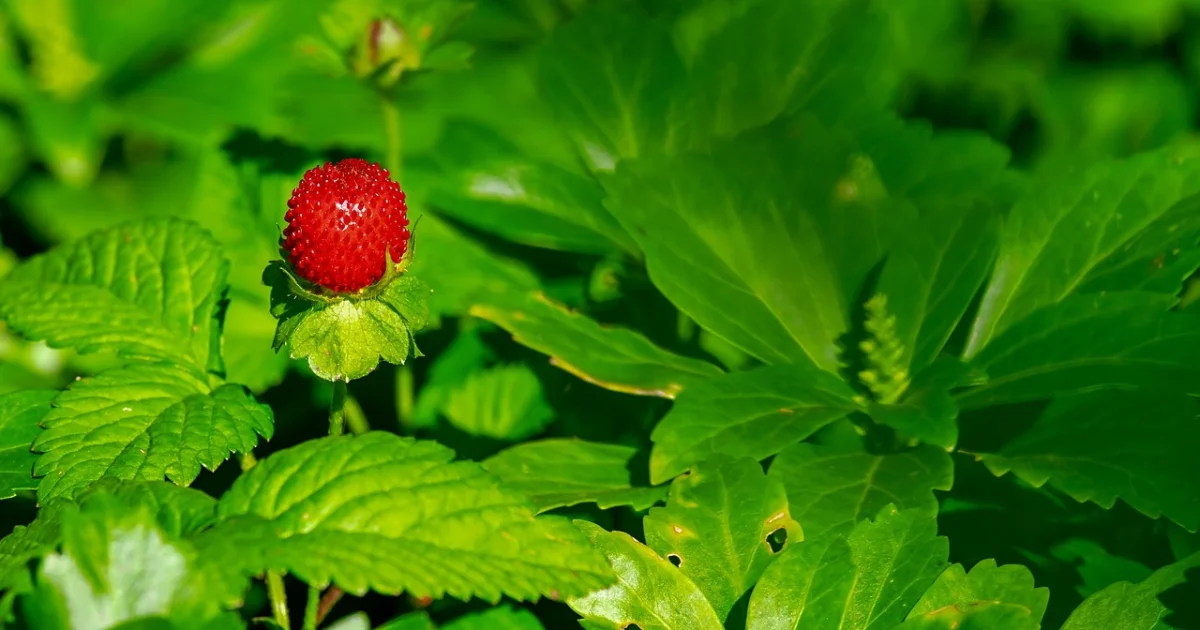
1. Tidy Your Patch: Clearing the Stage for Growth
After a long winter, your strawberry patch is likely to resemble a slightly chaotic landscape – a mixture of decaying leaves, brittle twigs, and perhaps a bit of lingering mulch. This isn’t a sign of failure; it’s simply the natural consequence of winter’s grip. But now, as the plants are waking up from dormancy, it’s time to clear the stage for healthy growth. Removing debris isn’t just aesthetically pleasing; it’s fundamentally important for preventing rot and promoting airflow around the crown of the plant. The crown is where the roots and stems meet, and a damp, cluttered environment here can quickly lead to disease. Start by pulling away any dead leaves and twigs, making sure to get as close to the base of the plant as possible. Next, tackle the old mulch – the kind that’s breaking down and becoming soggy. This decaying material can trap moisture and create a breeding ground for fungal diseases. Don’t be overly aggressive; you want to remove the truly detrimental elements, leaving some of the existing mulch in place to retain moisture. Finally, a targeted weed pull is beneficial. While you’ll need to continue weeding throughout the season, removing those early seedlings now gives you a significant advantage. It’s a relatively quick task that yields substantial results. Consider using Fiskars’ Micro-Tip snips for precise trimming and weeding – their thin blades allow you to reach tight spaces without disturbing the surrounding soil.
2. Adding Fresh Mulch: A Shield Against the Elements
Mulch is arguably one of the most important tools in a strawberry gardener’s arsenal. It’s more than just a decorative layer; it’s a vital component of a healthy strawberry patch. As we’ve discussed, removing old, decaying mulch is crucial, but replacing it with fresh mulch is equally important. Mulch acts as a natural insulator, protecting the roots from extreme temperature fluctuations – a valuable asset in unpredictable spring weather. It also helps to retain moisture in the soil, reducing the need for frequent watering. This is particularly beneficial during dry spells, but it’s consistent moisture that really encourages robust growth. And of course, mulch suppresses weed growth, giving your strawberry plants a competitive edge. For strawberries, straw is an excellent choice. It’s lightweight, breathable, and decomposes slowly, providing long-lasting protection. Avoid using bark mulch, as it can be too heavy and restrict airflow, potentially leading to root rot. A good quality HealthiStraw GardenStraw is a solid investment. The key is to apply a layer of mulch approximately 2-4 inches thick, ensuring it’s in direct contact with the soil around the plants.
3. Feeding Your Berry Plants, Maybe: Understanding Spring Fertilization
The question of when to fertilize strawberry plants in the spring is a surprisingly complex one. While strawberries are undeniably heavy feeders, simply dumping a load of fertilizer on them in April isn’t necessarily the best approach. June-bearing strawberry plants, which produce one large crop in the summer, are particularly sensitive to over-fertilization in the spring. Adding extra nutrients now can lead to excessive foliage growth at the expense of fruit production – resulting in softer, less flavorful berries that are prone to rot. Instead, focus on providing a light feeding, if at all. The goal in April is to support the plants’ initial growth, not to encourage a massive flush of leaves. However, everbearing and day-neutral varieties – which produce multiple harvests throughout the season – benefit from a spring feeding. These plants are continuously growing and require a boost of nutrients to sustain their production. A balanced fertilizer, such as a 10-10-10, or a specialized strawberry fertilizer like TPS Plant Foods Strawberry Fertilizer, is a good choice. Apply the fertilizer according to the package instructions, ensuring it’s evenly distributed around the base of the plants. It’s worth noting that soil testing can provide valuable insights into your soil’s nutrient levels, allowing you to tailor your fertilization strategy accordingly.
4. Protecting Early Blooms from Late Frosts: A Vigilant Eye
As temperatures rise in April, you may begin to notice that your strawberry plants are starting to flower. This is a beautiful sight – a promise of the delicious berries to come. However, late frosts are still a possibility in many regions, and even a brief period of freezing temperatures can damage or destroy these delicate blossoms. Protecting early blooms from frost requires a bit of vigilance. One simple strategy is to cover the plants with a sheet or blanket when frost is predicted. Make sure the covering extends to the ground to trap heat. Horticultural fleece is an excellent option, as it’s lightweight and allows sunlight to penetrate. Another technique is to use cloches – inverted plastic bottles or buckets – to create a mini-greenhouse effect around individual plants. This can provide localized protection from frost. It’s crucial to act quickly when frost is predicted, as even a short exposure can cause significant damage. Monitoring the weather forecast and being prepared to take action is key to safeguarding your early blooms.
5. Trimming Runners: Directing Energy to the Main Plants
Strawberry plants naturally produce runners – horizontal stems that sprout from the mother plant and eventually develop into new plants. While runners can be a source of new plants, they can also be detrimental to the health of the mother plant. As the plants mature, they tend to prioritize spreading their runners over producing large, flavorful berries. Therefore, it’s important to trim off these runners to direct the plant’s energy towards fruit development. The goal isn’t to eliminate all runners entirely, but to control their spread. Snip off the runners at their point of origin, using sharp pruning shears. Press the runners you keep into the soil to encourage new plants to grow and fill in any empty spaces. This is a simple yet effective way to manage the growth of your strawberry patch and maximize your berry yield.
You may also enjoy reading: 7 Essential Steps to Grow Massive Potatoes: The Ultimate Complete Care Guide.
6. Spotting Frost Damage: Recognizing the Signs
Frost damage can be a tricky thing to spot, especially in the early stages. A telltale sign of frost damage is a dark spot in the center of the flower – often referred to as a “brown heart.” This discoloration indicates that the flower has been damaged by freezing temperatures and will not produce a berry. It’s important to inspect your plants regularly for signs of frost damage, particularly after a cold night. If you notice a brown heart, simply remove the flower head to prevent it from spreading. Don’t try to salvage the flower – it’s already too late. The plant will usually produce a new flower, but it may take longer to develop a berry.
7. Bare Root Planting and Plug Plants: Choosing Your Strawberry Start
Now is the time to get your strawberry plants in the ground, whether you’re working with bare-root plants or nursery plug plants. Bare-root plants, which are shipped without soil around their roots, require careful handling and planting. Soak the roots in water for 30 minutes before planting to rehydrate them. Dig a hole deep enough to accommodate the roots, and plant the crown (the point where the roots and stems meet) just above the soil surface. Plug plants, on the other hand, are already potted and ready to plant. They can be planted in April or May, depending on your local climate. When planting plug plants, make sure to space them adequately to allow for proper air circulation. Aim for about 18-24 inches between plants.
By implementing these seven tips, you’ll be well on your way to a bountiful strawberry harvest this summer. Remember, careful observation and proactive care are key to success. Take the time to assess your plants’ needs, address any potential problems, and provide them with the resources they need to thrive. With a little effort, you’ll be rewarded with a delicious abundance of homegrown strawberries.