Are you feeling completely frustrated by your backyard garden, constantly battling hungry wildlife and poor native soil only to harvest a few sad, unripe tomatoes at the end of the summer? For millions of aspiring home gardeners, the beautiful dream of stepping outside to pick fresh, sun-ripened vegetables often clashes violently with the harsh reality of pests, disease, and lackluster yields. You might start to believe you simply do not possess a “green thumb,” but the reassuring truth is that successful gardening is not a magical genetic trait—it is a learned, highly practical craft.
We have all experienced the deep disappointment of nurturing delicate seedlings for months, only to watch them wither during the peak of summer heat or get devoured by a passing deer. It is incredibly discouraging to invest your precious weekend hours and hard-earned money into a hobby that feels like it yields absolutely nothing in return. However, these early setbacks are not the end of your gardening journey; they are essential lessons that pave the exact way for massive future success.
Just ask Kyle Hagerty, a dedicated Sacramento firefighter who transformed his early, disastrous gardening failures into a spectacular 6,500-square-foot home bounty that now feeds his entire firehouse crew. Two decades ago, deer decimated his very first tomato plants, proving that simply putting a plant in the dirt does not guarantee a meal. He committed to mastering the craft, and today, his property is a lush, highly productive urban farm. If you are ready to turn your disappointing patch of dirt into a thriving oasis, let us dive deeply into the seven practical summer harvest tips he uses to guarantee an incredibly bountiful season.
Give Your Plants a Flawless Start by Mastering Your Soil
How did Hagerty overcome those incredibly frustrating early failures? He made a crucial decision to stop fighting his poor native soil. Countless gardeners struggle endlessly with dirt that is far too sandy, excessively clay-heavy, or simply completely devoid of essential nutrients. Hagerty bypasses this issue entirely by growing the vast majority of his vibrant vegetables in eight large raised beds. This brilliant, contained approach allows him to strictly control exactly what his plants experience from delicate root to leafy canopy.
His ultimate, highly successful raised bed mix is a carefully curated combination of rich topsoil, nutrient-dense compost, and volcanic lava fines. Lava fines, frequently referred to as lava sand, serve a highly specific and critical purpose in the garden. They actively help oxygenate the soil structure, which strongly encourages deep root development and guarantees superior water drainage. Plants equipped with healthy, sprawling roots can access vital nutrients much more efficiently. Crucially, they also handle extreme heat stress significantly better during the punishing peak of summer.
For someone who is entirely new to gardening and already deeply frustrated by early failures like pests or poor soil, raised beds offer a completely fresh, highly controlled start. You are physically building a contained, pristine environment above ground level. By filling it with a premium blend specifically designed for hungry vegetables rather than whatever mysteries lie beneath your lawn, you instantly transform a disappointing patch into a highly productive plot.
Grow Upwards to Maximize Space and Actively Prevent Disease
What is the ultimate secret to maximizing a tiny garden space? You must look up. Hagerty brilliantly built beautiful, soaring arched trellises crafted from bent, heavy-duty hog paneling. These sturdy structures give sprawling, climbing vegetables the exact physical support they desperately need while simultaneously adding breathtaking architectural beauty to the garden. However, the incredible benefits go far beyond simply saving ground space.
Embracing vertical gardening with highly simple structures can literally double your overall yield within the exact same square footage. Vining crops like crunchy cucumbers, prolific pole beans, and small heavy-producing squash varieties naturally desperately want to climb. When you intentionally train them upward along a trellis, you immediately free up highly valuable ground space for other compact plants. But there is another massive, often-overlooked advantage that matters just as much.
Air circulation improves dramatically when plants are encouraged to grow vertically rather than sprawling chaotically on the damp ground. Excellent, consistent airflow helps actively ward off powdery mildew, an incredibly common, devastating fungal disease that absolutely thrives in still, humid, crowded conditions. If you have a small urban backyard and want to grow enough fresh vegetables to actively supplement your weekly grocery bill, vertical structures let you pack significantly more production into far less space while keeping your plants remarkably healthier.
Plant for a Continuous Harvest Through Strategic Successive Sowing
How can you actually guarantee a continuous, reliable harvest all summer long? You must completely avoid the common beginner trap of planting absolutely everything at once. Hagerty meticulously practices successive sowing, a brilliant agricultural method where you plant small, manageable batches of the exact same crop every few weeks. He also strategically plants multiple distinct varieties that naturally ripen at completely different times throughout the season.
The logic behind spacing out your planting times to prevent a massive glut and extend the harvest season is incredibly simple but wildly effective. If you eagerly plant all your tomato seedlings in early May, they will all inevitably ripen simultaneously around late August. You will suddenly end up with vastly more fruit than you can possibly eat, can, or give away to neighbors in a few frantic weeks. Then, tragically, you will have absolutely nothing left for the rest of the season.
By intentionally staggering your specific planting dates, you beautifully spread the harvest across several months. Try planting a fresh row of crisp bush beans every two weeks starting from late spring straight through midsummer. You will happily have fresh, tender beans from July until the very first hard frost. This exact same genius principle applies to leafy lettuce, spicy radishes, sweet carrots, and many other fast-growing vegetables. A steady, manageable trickle always beats an overwhelming flood.
Add Vibrant Flowers to Powerfully Boost Pollination and Fruit Production
Why should you dedicate precious space to adding flowers to a purely functional vegetable garden? They are absolutely not just there for pretty decoration. Near his many sprawling fruit trees, Hagerty intentionally plants a massive, vibrant bed of annual flowers. This instantly brightens the area and provides incredibly easy access for gorgeous fresh-cut bouquets. More importantly, it actively acts as a massive magnet for vital local pollinators.
The critical role flowers play in heavily boosting vegetable production through superior pollination simply cannot be overstated. Hardworking bees, beautiful butterflies, and other essential beneficial insects desperately need reliable nectar sources throughout the entire growing season. When you strategically provide a diverse array of flowers that bloom at different times, you permanently keep these highly beneficial insects residing in your garden. They will happily visit your vegetable blossoms in return.
More active pollination translates directly into significantly more food. Tomato flowers that get frequently visited by buzzing bees naturally produce much larger, heavier, and more evenly shaped fruit. Sprawling squash plants with excellent pollination will successfully set significantly more fruit per vine. Even strictly self-pollinating crops benefit massively from the increased, buzzing insect activity. Planting a bright border of marigolds, tall zinnias, or cheerful sunflowers near your vegetable beds literally pays for itself in drastically increased yields.
Seamlessly Integrate Edibles Into Your Everyday Living Spaces
How can you brilliantly integrate edibles into your outdoor living space? You must start thinking entirely beyond the traditional, boxed-in vegetable bed. Hagerty creatively lines his entertaining bocce court with heavily containerized, fruit-bearing blueberries. In another lush corner of his yard, he strategically shades a small, refreshing stock tank pool with a breathtaking subtropical fruit forest featuring avocado, banana, and sweet mango trees. The food garden is no longer completely separate from the entertaining space; it is beautifully, seamlessly woven directly into it.
This highly creative approach works flawlessly for absolutely any yard, completely regardless of its total square footage. Blueberry bushes naturally make incredibly attractive ornamental shrubs featuring delicate spring flowers, abundant summer fruit, and brilliant, fiery fall foliage. Dwarf fruit trees can easily thrive in large decorative containers sitting on a sunny patio. Sweet, trailing strawberries spill absolutely beautifully over the hard edges of raised beds or suspended hanging baskets.
You may also enjoy reading: Lower Hanging Baskets Give Vertical Gardens a Lift.
Consider a dedicated community gardener actively facing extremely limited space and desperately looking for clever ways to maximize every single square foot. Every empty border, sunny pathway, and warm south-facing wall is an incredible opportunity. You can easily trellis vining cucumbers along a bare fence line. Plant fragrant herbs directly at the edge of a traditional flower bed. Tuck a large, colorful container of sweet cherry tomatoes right next to the back door for easy snacking. When edibles become a beautiful part of your everyday landscape, you harvest significantly more without dedicating any extra space to a traditional, formal garden plot.
Spend Intentional Time With Your Plants as Proactive Pest Control
What is Hagerty’s absolute favorite, highly effective method of pest control? Simply spending intentional, quiet time with his plants. He makes it a strict habit to walk slowly through his garden daily, carefully observing the backs of leaves, checking stems, and inspecting developing fruit. This highly grounding habit allows him to catch minor problems long before they explode into complete garden catastrophes.
A small cluster of aphids discovered on a single tomato stem can be easily pinched off or gently washed away with a quick spray of water. However, if left completely unchecked for a week, they can aggressively spread to every single plant in the entire bed. Destructive slugs hiding quietly under a wooden board can be manually removed by hand long before they devour your young, tender seedlings. Hungry caterpillars munching on delicate cabbage leaves can be easily picked off while the physical damage is still incredibly minor.
This brilliant, observational method requires absolutely no harsh chemical sprays, no complicated traps, and zero special equipment. It simply asks for your daily attention. Just fifteen minutes a day of peaceful walking and looking is very often more than enough. You will quickly learn to notice which plants look deeply healthy and which ones seem slightly stressed. You will immediately spot the very first subtle signs of a nutrient deficiency or dangerous water stress. Early, gentle intervention is undeniably the cheapest, safest, and most effective pest control strategy available to any gardener.
Boldly Experiment With Different Cultivars Every Single Year
Understanding exactly how experimenting with different cultivars helps you find the absolute best performers for your highly specific local climate is a crucial lesson Hagerty learned through years of practice. He actively trials completely different varieties of his absolute favorite crops every single year. He impressively grows twenty distinct types of tomatoes, including the incredibly sweet ‘Sungreen’ and the massive ‘Striped German’. He strongly prefers chiles like ‘Flaming Flare’ and ‘Carmen’. His top peach picks are ‘Eva’s Pride’ for midseason sweetness and ‘O’Henry’ for a late-season harvest. For zucchini, he highly favors the ‘Sophy’ hybrid specifically because of its neat upright habit and complete lack of irritating, thorny hairs.
The hard truth is that not every single variety thrives in every garden. Your highly specific soil type, daily sun exposure, extreme temperature ranges, and local rainfall patterns all heavily dictate exactly how a plant performs. By bravely trying a few entirely new cultivars each season, you will quickly discover which specific ones handle your unique microclimate best. You will also discover incredible, complex flavors you might never have encountered at a standard grocery store.
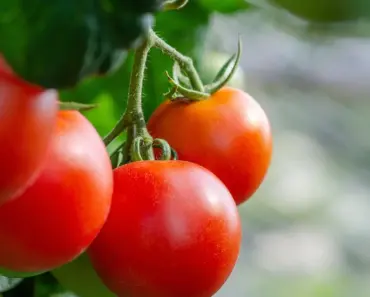
For example, a ‘Sungreen’ cherry tomato naturally ripens to a pale, surprising green color that many novice gardeners would easily mistake for completely unripe, sour fruit. It is actually incredibly sweet and deeply complex when fully mature. A ‘Striped German’ tomato produces massive, breathtaking fruits that can easily weigh up to 2-1/2 pounds each. You will never know these incredible varieties even exist unless you are willing to experiment. Keep a detailed garden journal with strict notes on what thrived and what failed completely. Over time, you will successfully build a highly personalized, foolproof list of absolute winners for your specific backyard.
Frequently Asked Questions About Summer Harvesting
How do I easily start a raised bed garden if I have terrible, poor native soil?
You can easily build a highly productive raised bed at least eight inches deep using sturdy untreated lumber, natural stone, or galvanized metal. Fill it to the brim with a premium mix of equal parts rich topsoil and high-quality compost, plus a small amount of lava sand or perlite for excellent aeration. This instantly gives your young plants a highly controlled, perfect environment with rich, loose, well-draining soil right from the very start, completely bypassing your poor native dirt.
What is the actual difference between successive sowing and planting multiple varieties?
Successive sowing specifically means planting the exact same crop in small, staggered batches every two to three weeks to drastically extend the overall harvest period and prevent a glut of vegetables all at once. Planting multiple varieties means intentionally choosing completely different types of the exact same vegetable (like an early-season tomato and a late-season tomato) that naturally mature at different rates. You can easily use both of these brilliant methods together for the longest, most abundant possible harvest season.
Can I successfully grow my own food in containers if I do not have space for a traditional garden bed?
Yes, absolutely! Many delicious vegetables grow incredibly well in containers. You must intentionally choose dwarf or compact bush varieties of tomatoes, peppers, and cucumbers. Always use large pots that are at least 12 inches deep and feature excellent drainage holes at the bottom. Place them in a warm spot that gets a minimum of six to eight solid hours of direct sunlight daily. Container gardening works exceptionally well for fresh herbs, leafy greens, and highly compact fruiting plants on patios or balconies.
The Final Takeaway:
Transforming your backyard into a highly productive, beautiful oasis does not happen overnight, and early failures are simply essential stepping stones to greater knowledge. By actively taking control of your soil, utilizing vertical space, staggering your planting times, and intentionally welcoming pollinators, you are building a resilient, thriving ecosystem right outside your back door. Gardening is a lifelong journey of experimentation, patience, and daily observation.
If this comprehensive gardening guide inspired you to get your hands dirty and completely transform your summer harvest, be sure to pin it to your favorite Pinterest gardening board so you have these expert tips ready for your next weekend project!