The Unexpected Cut: Decoding Sydney Sweeney’s Disappearance from The Devil Wears Prada 2
The internet exploded last summer with rumors of a dazzling cast addition to The Devil Wears Prada 2, fueled by a single photograph of Sydney Sweeney on the set of the highly anticipated sequel. The anticipation was palpable – a collision of two distinct worlds: the razor-sharp world of Andy Sachs and Miranda Priestly, and the rising star power of Sydney Sweeney. However, the excitement quickly morphed into a quiet disappointment when it was confirmed that Sweeney’s planned cameo had been completely excised from the final film. This seemingly minor detail sparked a wave of speculation, raising questions about creative decisions, celebrity influence, and the delicate balance of maintaining a beloved franchise. Let’s delve deeper into the story behind Sydney Sweeney’s absence, exploring the reasoning, the context, and the surprising layers of controversy that have surrounded this unexpected cut.
The Initial Buzz: A Celebrity Cameo in Prada’s World
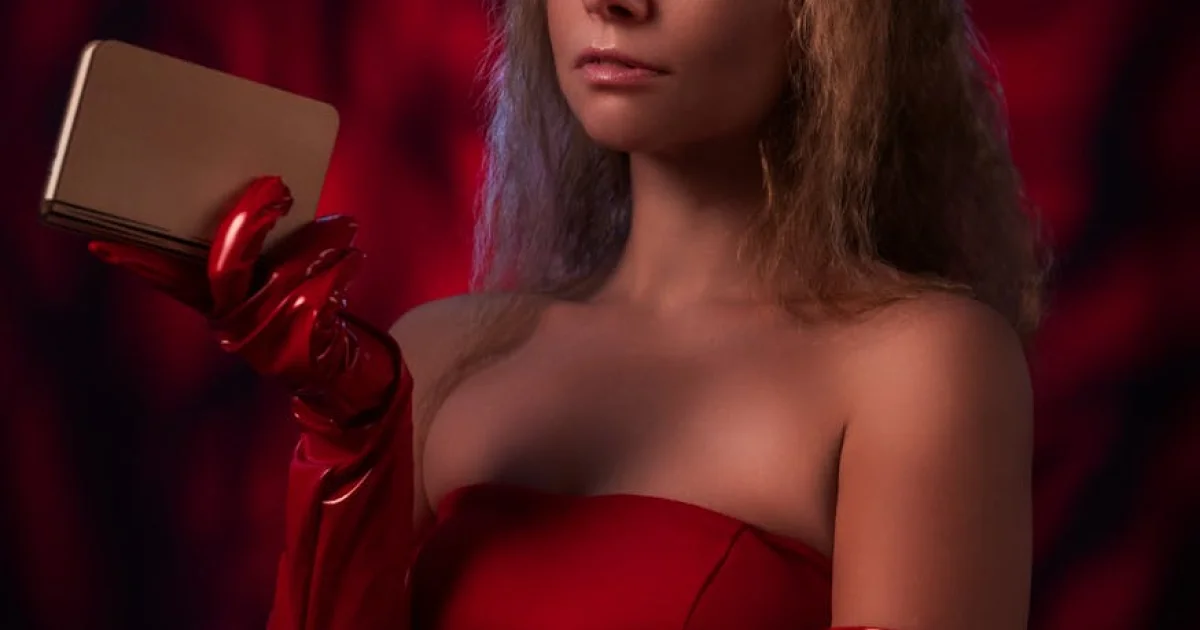
The genesis of the excitement began with a seemingly innocuous image – Sydney Sweeney, known for her captivating performances in shows like Euphoria and The White Lotus, captured on location in New York City. Immediately, social media went wild. Theories abounded: was she playing a new, ambitious fashion editor? Perhaps a quirky, slightly offbeat celebrity client that Miranda Priestly was desperate to secure? Rumors quickly spread, amplified by celebrity gossip accounts and fan speculation. It wasn’t just about Sweeney’s presence; it was about the perceived synergy between her rising stardom and the established world of The Devil Wears Prada. Initial reports suggested she would appear alongside Emily Blunt, who reprises her role as Emily Charlton, a former Runway assistant, now heading up Dior’s U.S. operations. The idea of Sweeney, a millennial icon, interacting with Blunt’s sophisticated, older character felt like a perfect blend of past and present – a strategy many studios employ to attract a wider audience.
From Three Minutes to Zero: The Scene’s Removal
Despite the initial optimism and the widespread speculation, the cameo was ultimately cut. Entertainment Weekly reported that Sweeney’s scene, which reportedly clocked in at around three minutes, was removed entirely. The reason cited wasn’t a lack of enthusiasm for Sweeney’s performance or a conflict with Blunt’s schedule; rather, the scene “did not work structurally with the rest of the sequence.” This phrase, while seemingly professional, is often a euphemism for a scene that simply didn’t fit the overall narrative flow of the film. It’s a common occurrence in filmmaking – a scene might be perfectly serviceable on its own, but it disrupts the pacing or clashes with other elements of the story. Film production is a complex puzzle, and sometimes, pieces need to be removed to ensure the final picture is cohesive.
The Scene’s Content: Dressing a Celebrity Client
The details of Sweeney’s scene have been pieced together through various reports. It involved her playing herself, dressing a celebrity client for an event. This wasn’t a grand, sweeping monologue or a pivotal plot point; it was a relatively contained scene designed to expand Emily Charlton’s introduction and showcase her burgeoning influence within the fashion industry. The purpose, seemingly, was to illustrate how Emily was already navigating the complexities of high-end fashion even before being tasked with securing funds for Runway. It was a subtle but potentially effective way to establish her character and her place within the film’s universe.
Beyond the Cut: Controversy and Public Perception
The story surrounding Sweeney’s cameo quickly became entangled with other controversies, adding a layer of complexity to the situation. Just weeks before the film’s release, Sweeney faced significant backlash over an American Eagle advertisement. The ad featured a seemingly innocuous line, “I love my new jeans,” alongside a photograph of Sweeney. However, the phrase was interpreted by many as a subtle reference to eugenics, a pseudoscientific and deeply problematic belief in the superiority of certain races. The controversy sparked widespread criticism, with many accusing Sweeney of perpetuating harmful stereotypes. This incident, happening concurrently with the news of the cameo’s removal, undoubtedly influenced the decision to cut the scene. Some speculate that Disney, wary of associating Sweeney with negative publicity, opted to remove the appearance altogether. It’s important to note that Disney has not officially commented on this connection, but the timing is undeniably significant.
Sydney Sweeney’s Response to the American Eagle Controversy
Sydney Sweeney addressed the American Eagle controversy head-on, releasing a statement through Cosmopolitan. She stated, “Those aren’t my values, but I feel like I’ve never needed to correct people who don’t know who I am. It’s definitely not a comfortable thing to have people saying what you believe or think, especially when that doesn’t align with you. It’s been a weird thing having to navigate and digest, because it’s not me. None of it is me. And I’m having to watch it happen. I’m online and I see things, but I’m slowly pulling myself away. It’s definitely gone to a level where it’s just not healthy for me to digest it all.” This response highlights the pressures faced by celebrities navigating public scrutiny and the challenges of maintaining a personal brand in the age of social media. The incident underscores how quickly a single statement can lead to widespread criticism and potentially impact professional opportunities.
Analyzing the Decision: Creative Choices and Sequels
The decision to cut Sydney Sweeney’s cameo raises fascinating questions about the creative process in sequel filmmaking. Sequels often face the challenge of balancing nostalgia with fresh content, while also satisfying the expectations of established fans. Introducing a celebrity cameo can be a tempting strategy to generate buzz and attract a wider audience, but it also carries inherent risks. As Entertainment Weekly’s source explained, the scene “did not work structurally with the rest of the sequence.” This suggests that the cameo, while potentially interesting in isolation, disrupted the film’s overall rhythm and pacing. It’s a common challenge: sometimes, a brilliant idea can’t be integrated seamlessly into the existing narrative.
You may also enjoy reading: Discover Your Holy Grail Skincare Products: 11 Game-Changing Must-Haves.
Film Production and the Editing Process
Film production is a highly collaborative process, and editing is often the final, crucial step. Editors have the power to shape the narrative, trim scenes, and adjust pacing. The decision to remove Sweeney’s scene likely involved extensive discussions between the director, the producers, and the editor. It’s possible they felt it detracted from the story’s core themes or that it simply didn’t serve a clear purpose within the film’s structure. The editing process is not always about adding content; it’s equally about removing what doesn’t enhance the overall experience.
Reader Scenarios: Imagining the Fan Reaction
Let’s consider how a reader who is a devoted fan of The Devil Wears Prada and a significant admirer of Sydney Sweeney might react to this news. Imagine a scenario: They’ve eagerly anticipated The Devil Wears Prada 2 for years, anticipating a return to the witty dialogue, the sharp fashion commentary, and the iconic characters. The initial rumors of Sweeney’s cameo sparked immense excitement – a chance to see a contemporary star reimagined within the world of Prada. The disappointment of the cut would undoubtedly be significant, a feeling of having a cherished element of the franchise unexpectedly removed. It’s a reminder that even the most meticulously planned projects can be subject to unforeseen changes.
Beyond Sweeney: Anticipated Celebrity Cameos
For someone who closely follows celebrity rumors and casting news, the Sweeney cameo highlights the often-illusory nature of such speculation. Rumors of other celebrity cameos were initially widespread, with names like Dua Lipa and Miley Cyrus circulating. Eventually, these rumors were debunked, illustrating how quickly information can spread online and how difficult it is to verify the accuracy of celebrity casting news. The Sweeney situation serves as a cautionary tale – a reminder that not every rumor holds true and that the pursuit of celebrity appearances in film can be a volatile and often disappointing endeavor.
A Critic’s Perspective: Reviewing a Sequel with an Absent Star
Consider the challenge faced by a film critic reviewing The Devil Wears Prada 2. The presence of a celebrity cameo, even a small one, can significantly influence audience expectations and contribute to the overall perception of the film. The absence of Sweeney’s scene creates a noticeable gap, a missing piece that some viewers might subconsciously notice and potentially interpret as a weakness. The critic would need to acknowledge this absence and address its potential impact on the film’s reception. It’s a reminder that even seemingly minor details can shape a viewer’s experience and influence their overall assessment of the movie.
Conclusion: A Complex Cut, A Lasting Question
The story of Sydney Sweeney’s cut cameo from The Devil Wears Prada 2 is more than just a behind-the-scenes anecdote; it’s a microcosm of the challenges and complexities inherent in contemporary film production, celebrity culture, and the ever-shifting landscape of social media. While the initial excitement surrounding Sweeney’s potential appearance quickly faded, the controversy and the cut itself sparked a wave of discussion and speculation. The decision to remove the scene, driven by concerns about structural integrity and potentially influenced by the American Eagle controversy, ultimately highlights the delicate balance between creative vision and public perception. It serves as a reminder that even in the world of blockbuster sequels, not every idea can – or should – make the final cut.