Imagine stepping into your garden on a crisp spring morning to find the branches overhead transformed into clouds of delicate white blossoms. That serene, luminous effect can become a reality with careful selection. Trees with white flowers offer more than just a seasonal spectacle; they bring structure, shade, and vital support for bees, butterflies, and birds to your outdoor space. The right choice can anchor your landscape design for decades, becoming a living heirloom.
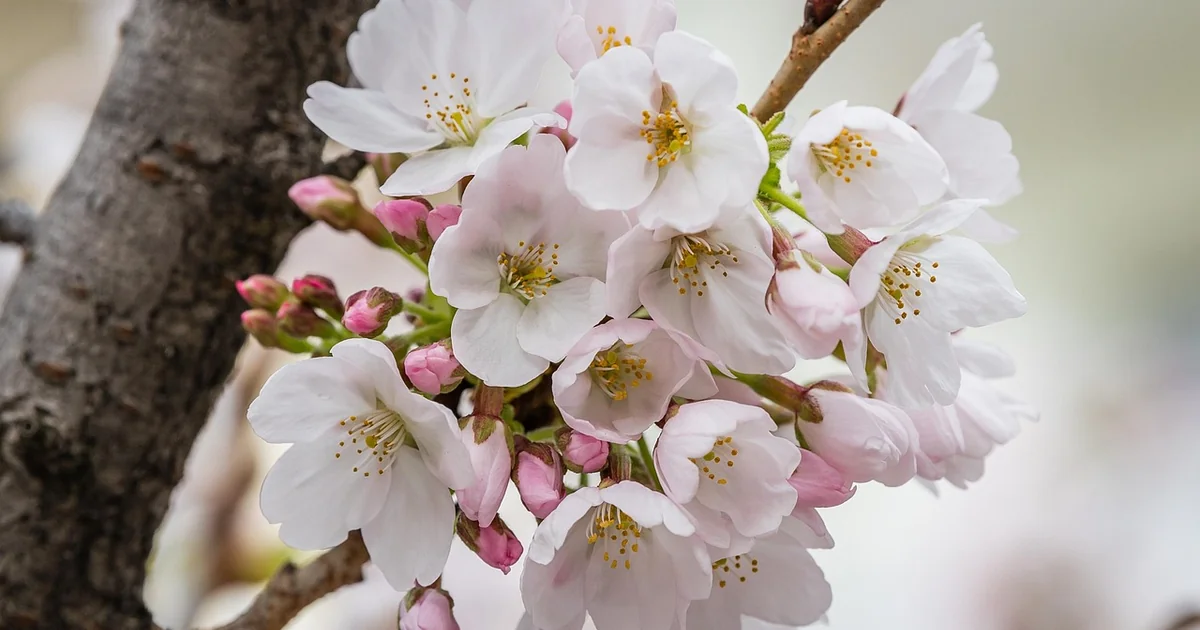
However, many gardeners face a common dilemma: choosing a beautiful bloomer that also fits their practical constraints. Issues like limited yard space, poor soil drainage, harsh winter climates, or the desire for low-maintenance care can quickly complicate the search. The key is matching a tree’s inherent needs—its preferred soil, sunlight, and climate zone—with the realities of your property. This guide focuses on five exceptional trees with white flowers, each solving a specific landscaping challenge while delivering breathtaking beauty.
Navigating the Key Challenges of Selecting White-Flowering Trees
Before exploring specific species, it’s helpful to understand the typical hurdles. A tree that thrives in Georgia’s humidity might perish in a Michigan winter. Similarly, a species known for its expansive, surface-level roots could damage patios or foundations if planted too close to a home.
Climate hardiness, dictated by the USDA Plant Hardiness Zone Map, is the foremost consideration. This system divides North America into zones based on average annual minimum winter temperature. Planting a tree suited to zones 7-10 in a zone 5 garden almost guarantees its failure in the first hard freeze. Always verify your zone and the tree’s recommended range.
Another critical, yet often overlooked, factor is mature size. A sapling in a five-gallon pot seems manageable, but it may grow into a 60-foot giant with a 40-foot canopy. Underestimating this leads to costly removal or constant, unhealthy pruning. Consider both the vertical height and the spread of the branches at maturity.
Finally, consider ecological impact. Some ornamental trees, praised for their fast growth and showy flowers, have become invasive menaces. The Bradford pear (Pyrus calleryana ‘Bradford’) is a prime example. Its weak branch structure is prone to storm damage, and it cross-pollinates with other cultivars to produce fertile fruit spread widely by birds, choking out native plants. Opting for a non-invasive, preferably native, species supports your local ecosystem instead of harming it.
The 5 Best Trees with White Flowers for Your Landscape
The following selections address a range of needs, from compact urban lots to sprawling country properties. Each entry highlights the tree’s standout features, the specific problem it solves, and clear, actionable steps for successful planting and care.
1. Flowering Dogwood (Cornus florida): The Four-Season Star for Shady, Moist Spots
If you have a damp, partially shaded area where other trees struggle, the flowering dogwood is your champion. This native understory tree excels in the dappled light beneath taller pines and oaks, a condition that mimics its natural woodland habitat. It solves the problem of adding spring color and structure to those tricky, wetter corners of the yard.
In early spring, before its leaves fully emerge, it produces a stunning display of what appear to be large, white, four-petaled flowers. These are actually showy bracts surrounding a cluster of tiny, true flowers. By fall, shiny red berries attract over 35 species of birds, from bluebirds to wild turkeys, while the foliage turns a brilliant maroon to purple. It typically reaches a manageable 15 to 30 feet tall, making it a perfect focal point without overwhelming a residential garden.
Practical Solution & Planting Steps: For success with this tree, soil preparation is crucial. It prefers moist, well-drained, acidic soil rich in organic matter.
First, test your soil’s pH; dogwoods thrive in a range of 5.5 to 6.0. If needed, amend with elemental sulfur to lower pH. At planting, dig a hole twice as wide as the root ball but no deeper. Gently loosen circling roots. Place the tree so the top of the root flare is slightly above the surrounding soil grade to prevent rot. Backfill with a mix of native soil and compost, water deeply, and apply a three-inch layer of mulch (like pine bark) to retain moisture and keep roots cool. Avoid planting in full, hot afternoon sun, which can scorch the leaves.
2. Serviceberry (Amelanchier spp.): The Bird-Friendly Edible for Small Spaces
For homeowners who want maximum wildlife value and visual interest from a compact tree, the serviceberry is unbeatable. Native to eastern North America, it solves the “small yard” dilemma by offering multiple seasons of interest without consuming vast amounts of space. Its delicate, lacy white flowers appear in early spring, often coinciding with the shad fish runs, which is why it’s sometimes called “shadbush.”
The real magic happens in early summer when it produces sweet, dark purple berries that taste like a cross between blueberries and almonds. The fruit is rarely a mess because birds eagerly devour it. In fact, serviceberries support over 40 species of caterpillars, making them a powerhouse host plant for butterflies and moths. Autumn brings a final show with leaves turning vibrant shades of orange, red, and gold. Cultivars like Amelanchier x grandiflora ‘Autumn Brilliance’ live up to their name with particularly fiery fall color.
Practical Solution & Planting Steps: To enjoy a trouble-free serviceberry, select a cultivar that fits your size needs. The standard downy serviceberry (Amelanchier arborea) can reach 25 feet, while the Allegheny serviceberry (Amelanchier laevis) stays around 15 to 25 feet. For very tight spaces, look for columnar forms.
Plant in a spot with full sun to part shade. While adaptable to various soils, it performs best in moist, well-drained, slightly acidic conditions. Space trees at least 10 to 15 feet apart if planting a grouping. Minimal pruning is required; simply remove any dead, damaged, or crossing branches in late winter. If you wish to beat the birds to the harvest, consider netting the tree when berries begin to ripen.
3. Carolina Silverbell (Halesia carolina): The Underused Beauty for Part-Shade Gardens
The Carolina silverbell deserves far more attention for solving a common problem: finding a medium-sized, flowering tree that blooms reliably in partial shade. While many flowering trees demand full sun, this southeastern native thrives with just a few hours of direct light, making it ideal for east-facing exposures or the edge of a woodland.
In mid to late spring, it becomes a vision of elegance, with its branches dripping with clusters of pure white, bell-shaped flowers. Each blossom dangles from a slender stalk, creating a gentle, dancing effect in the breeze. As a member of the Styracaceae family, it’s related to the storax tree, which produces aromatic resin. The silverbell is largely pest and disease-free, a significant advantage over more finicky ornamentals. It matures into a lovely, rounded form, typically 30 to 40 feet tall, with attractive, striped gray bark that adds winter interest.
Practical Solution & Planting Steps: The main requirement for this low-maintenance tree is protection from harsh, drying winds and intense afternoon sun. Choose a location with morning sun and afternoon shade, or consistent dappled light.
You may also enjoy reading: Best Hose Reels Tested: Top 7 for 2026!.
It prefers rich, moist, acidic soil similar to its native mountain stream habitats. Amend heavy clay with generous amounts of compost and peat moss to improve drainage and fertility. Water young trees regularly during their first two growing seasons to establish a deep, extensive root system. Once established, it is quite drought-tolerant. Pruning is rarely needed except to remove the occasional wayward branch or to maintain a clear trunk for a tree-like form.
4. Yellowwood (Cladrastis kentukea): The Fragrant Showstopper for Large Properties
For those with ample space, the yellowwood solves the search for a large, majestic, and exceptionally fragrant specimen tree. This midwestern and southern native is a slow grower but is worth the wait, eventually forming a broad, rounded crown of smooth, gray, beech-like bark. Its botanical name, Cladrastis kentukea, hints at its origins, with “kentukea” referring to Kentucky.
In late spring to early summer, after most spring bloomers have finished, it produces spectacular, foot-long clusters of fragrant, pea-like white flowers. The scent is often compared to sweet, fresh-cut hay or vanilla, and it can perfume an entire yard. It’s a legume, so it fixes nitrogen in the soil, naturally enriching its surroundings. Fall color is a clear, bright yellow. With a mature height of 30 to 50 feet and an equal spread, it commands attention and requires room to showcase its graceful, vase-shaped form.
Practical Solution & Planting Steps: Due to its size, site selection is paramount. Plant it as a lawn specimen where it has at least 20 feet of clearance from structures and other large trees. It prefers deep, fertile, well-drained soil and full sun.
A critical care note: Yellowwood is known for its “bleeding” sap if pruned in spring or summer. Always prune only in mid-summer after the leaves have fully developed, or in late fall when the tree is dormant. This prevents the loss of sap and reduces the risk of disease entry. Its brittle wood also means it’s best planted in a location sheltered from strong, icy winds that could break branches.
5. Fringe Tree (Chionanthus virginicus): The Pollution-Tolerant Urban Warrior
Urban and suburban gardeners often face the dual challenges of compact space and poor air quality. The native fringe tree, also called old man’s beard, elegantly solves both. This large shrub or small tree is remarkably adaptable, thriving even in polluted city environments where other species might falter.
Its bloom is unforgettable. In late spring to early summer, it erupts in airy, cascading clusters of fragrant, strap-like white petals that give the plant a soft, frothy appearance. It is dioecious, meaning individual plants are either male or female. Both sexes flower beautifully, but female plants will produce dark blue, olive-like fruits in late summer if a male is nearby for pollination. The fruits are a favorite of birds. It offers fantastic multi-season appeal, with yellow fall foliage and attractive, exfoliating bark on mature specimens.
Practical Solution & Planting Steps: This is one of the most low-maintenance trees with white flowers you can select. It tolerates a wide range of soils, including heavy clay, and conditions from full sun to part shade.
For the best floral display, aim for at least six hours of sun. Its slow growth rate and ultimate size of 12 to 20 feet tall and wide make it perfect for planting near patios, under power lines, or as part of a mixed border. It rarely needs pruning; simply let it develop its naturally pleasing, spreading form. To ensure fruit production for wildlife, consider planting a small grouping rather than a single specimen. Its deep root system also makes it an excellent choice for erosion control on slopes.
Beyond Planting: Ensuring Long-Term Success
Choosing the right tree is only the first step. Proper planting and aftercare determine whether it will flourish for generations. A common fatal mistake is planting too deep, which suffocates the root flare and leads to girdling roots and disease. Always locate the point where the trunk begins to widen and root out; this should be visible just above the final soil grade.
Consistent watering during the first two to three years is non-negotiable. A deep, slow watering once a week is far better than frequent, shallow sprinklings. This encourages roots to grow downward, creating a drought-resistant anchor. Apply a wide ring of organic mulch, but avoid piling it against the trunk in a “volcano” shape, which invites pests and rot.
Finally, practice patience. These trees with white flowers are long-term investments. They may take several years to become established and produce their first spectacular bloom. Resist the urge to over-fertilize, which can spur weak, leafy growth at the expense of flowers and hardiness. By understanding each tree’s unique character and providing a thoughtful start, you create a legacy of beauty that will brighten your landscape for decades to come.