Navigating the Wonderful World of Two: A Guide to Your Two-Year-Old’s Developmental Milestones
The age of two is a whirlwind – a chaotic, beautiful, and utterly transformative period for both you and your child. It’s a time of burgeoning independence, dramatic emotional shifts, and an explosion of new skills. While every child develops at their own pace, understanding the typical milestones can provide reassurance, spark joy, and help you best support your little one’s incredible journey. At Azuloz, in celebrating the small victories and embracing the messy moments that come with raising a toddler. Let’s dive into what to expect and how to nurture your two-year-old’s growth.

A two-year-old’s brain has twice as many synapses as an adult’s, a remarkable testament to the rapid development occurring during this stage. This incredible plasticity – the brain’s ability to adapt and change – means that positive and negative experiences alike significantly impact their development. It’s a delicate balance, and understanding this foundational element is key to fostering a secure and supportive environment.
Movement and Physical Development: Tiny Bodies, Big Adventures
Two-year-olds are becoming increasingly mobile and capable. Their gross motor skills – the ability to control large movements – are rapidly improving. They’re likely walking confidently (though occasional stumbles are still common!), running with a bit of a wobble, and starting to kick a large ball. Many can now take the first steps up the stairs with a little help, and some are even attempting to climb larger structures like small slides. It’s a truly exciting time to witness their growing physical prowess.
- Large Movement Milestones: By this age, most children can walk and run, kick a large ball, and walk up the stairs with or without assistance. They’re beginning to understand the concept of cause and effect in their movements – pushing a button makes a sound, for example.
- Fine Motor Skills Take Flight: Fine motor skills – the control of small muscles – are also developing rapidly. They can now typically take the lid off a container using two hands, flip simple switches, open knobs, and push buttons. Stacking blocks is becoming increasingly sophisticated, and they’re starting to show a preference for using one hand over the other.
- Jumping and Exploring: Jumping is a big one! Two-year-olds are often able to jump off of objects and jump in place. This isn’t just about physical movement; it’s about gaining a sense of control and confidence in their bodies.
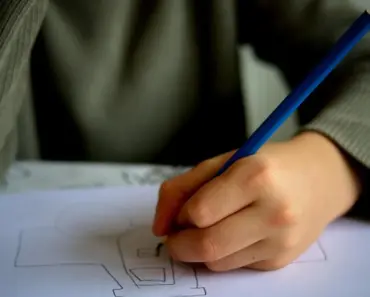
- Creative Play with Tools: Introducing tools like crayons, colored pencils, and sidewalk chalk provides opportunities to strengthen fine motor skills and ignite their creativity. Let them explore different textures and colors.
Parental Support: Encourage their movement by providing ample opportunities for exploration and play. Create obstacle courses using pillows and boxes, and offer support and encouragement as they navigate new challenges. Remember, a two-year-old’s brain is incredibly susceptible to positive and negative experiences, so celebrate their accomplishments and provide a calm and reassuring environment when they encounter difficulties.
Brain, Language, and Cognitive Development: Expanding Worlds
Beyond physical development, this year brings tremendous advancements in a child’s cognitive and language abilities. Their brains are undergoing a remarkable transformation, shifting from relying primarily on sensorimotor systems (learning through senses and movement) to developing higher-order thinking skills and language comprehension.
- Cognitive Boost: At two, children can play with multiple toys simultaneously – combining a firefighter figurine with a firetruck or a food toy with a plate. This demonstrates an emerging understanding of object relations and symbolic thinking.
- Sorting and Categorizing: They’re increasingly able to sort by shapes and colors, a foundational skill for future mathematical concepts. This isn’t just about recognizing colors; they’re beginning to understand relationships between different categories.
- Problem-Solving Skills Emerge: When faced with a problem (like a toy that won’t fit together), they’ll start to attempt to find solutions, demonstrating an early form of problem-solving.
- Language Takes Shape: Two-year-olds are rapidly expanding their vocabulary and starting to combine words to form simple sentences. They can now typically put two to three words together to form a sentence – “More juice,” “Daddy go,” or “Big dog.”
- Following Instructions: They begin to follow simple instructions, showing a growing understanding of directions and expectations.
- Recognizing Body Parts: When asked where they are, they can point to different body parts – “My nose,” “My ear,” “My hand.”
- Expressing Emotions: They can recognize the names of familiar people and express emotions through gestures like blowing kisses or nodding yes. They’re also beginning to understand the concept of sharing.
Supporting Cognitive Growth: Provide a stimulating environment filled with age-appropriate toys and activities. Read aloud regularly, engaging them in conversations and asking questions. Introduce puzzles and building blocks to foster problem-solving skills. It’s important to remember that a two-year-old’s brain is going through tons of changes, and they’ll be more prone to overstimulation, so schedule downtime and quiet activities to help them regulate their energy levels.
Understanding Tantrums and the Push-Pull Dynamic
Let’s be honest: tantrums are a very common occurrence at this age. It’s not necessarily a sign of bad behavior, but rather a reflection of their developing self-regulation skills. Two-year-olds are grappling with the push-pull dynamic of wanting independence and needing comfort simultaneously. They want to explore and do things on their own, but they also crave closeness and reassurance from you.
Understanding that what looks like defiance might actually be self-will is crucial. They’re learning to assert their needs and boundaries, and tantrums are often their way of expressing frustration when they can’t get what they want or when they’re feeling overwhelmed.
You may also enjoy reading: 11 Eco-Friendly Gift Ideas That Will Make the Conscious Mom in Your Life Go Green.
Strategies for Managing Tantrums: When a tantrum erupts, try to remain calm and empathetic. Acknowledge their feelings – “I see you’re really upset.” Offer a hug or comfort if they desire it. Sometimes, simply removing them from the situation can help them regain control. Focus on teaching them coping mechanisms for managing their emotions, such as taking deep breaths or asking for help.
Recognizing Variations and Seeking Support
It’s vital to remember that every child develops at their own pace. Some two-year-olds may reach certain milestones earlier than others, while others may take a little longer. Don’t compare your child to other children; focus on their individual progress. However, if you have concerns about your child’s development, don’t hesitate to discuss them with your pediatrician. Early intervention can make a significant difference.
Premature babies, in particular, may meet milestones later than their peers, but they often catch up by age five. However, speaking to your pediatrician if you suspect your child is experiencing a developmental delay is essential. Early interventions work well because there is so much opportunity to grow in early childhood. A child with a developmental delay may benefit from speech therapy, occupational therapy, or other specialized services.
Celebrating the Journey
The two-year-old stage is a truly remarkable time. It’s a period of rapid growth, exploration, and discovery. By understanding the typical developmental milestones and providing a supportive and stimulating environment, you can help your child thrive and reach their full potential. Remember to celebrate the small victories, embrace the occasional chaos, and cherish the unique bond you share with your little one. And don’t forget to take a deep breath – you’re doing a fantastic job!
From a push-pull dynamic of independence and need for help to regulation skills, and from recognizing names of familiar people to following simple instructions, this stage is filled with incredible learning and growth. Your child’s brain is double the size of an adult’s, with twice as many synapses, allowing for a rapid accumulation of knowledge and experiences.