April: A Fresh Start for Your Orchids – It’s More Than Just Watering
April marks a significant turning point for orchids. After the relative dormancy of winter, these elegant plants are eager to respond to increasing light and warmer temperatures. However, many orchid owners continue to apply the same care routines they used during the colder months, inadvertently hindering their plants’ potential. This month isn’t about simply continuing what you’ve been doing; it’s about recognizing a fundamental shift in the orchid’s needs and adapting your approach accordingly. A proactive approach to orchid care during April – focusing on light, watering, pruning, and potting mix – will dramatically increase your chances of a vibrant and rewarding bloom season. Let’s dive into six key tasks that will help your orchids not just survive, but truly thrive this spring, all centered around the core goal of maximizing their potential – and featuring a quick peek at a budget-friendly orchid selection available on Amazon.
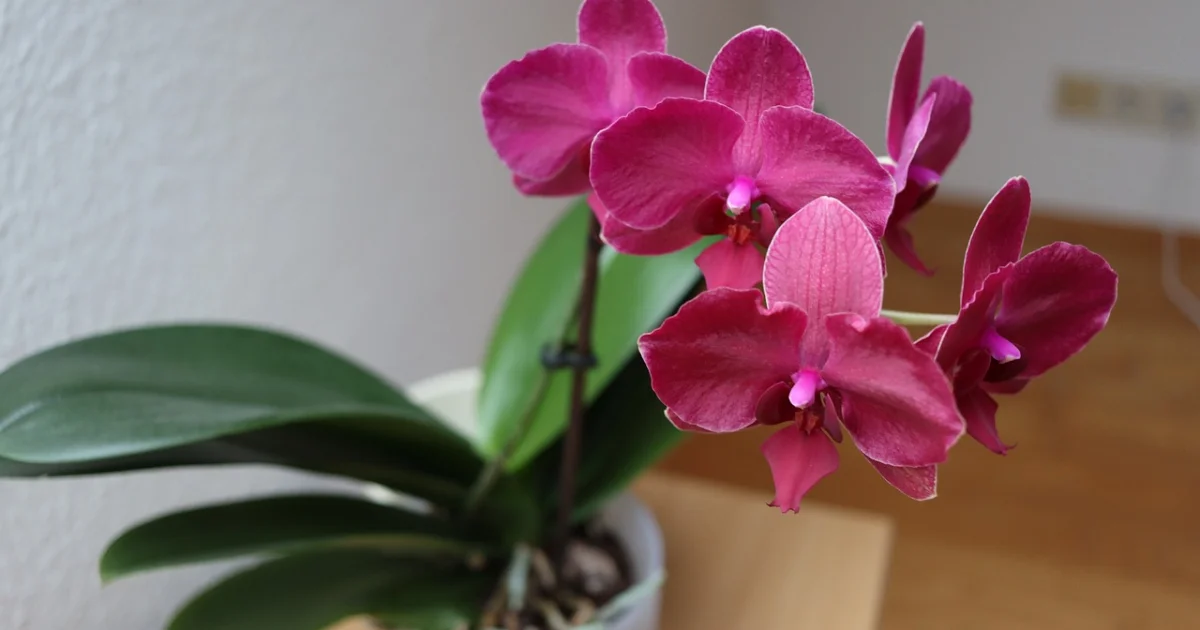
Six Crucial Steps to Revitalize Your Orchids in April
Orchids, famed for their beauty and seeming aloofness, are actually quite sensitive to sudden changes. A consistent, predictable environment is their preference, but a gradual shift in care is what signals spring. Strong orchid care separates those who consistently produce stunning blooms year after year from those who get a single spike and then nothing. The key to unlocking your orchid’s full potential lies in observing its signals and adjusting your care accordingly. These six steps offer a roadmap for success, focusing on the subtle cues your orchid provides and how to respond effectively.
1. Watch for a New Flower Spike – Patience is Key
After a winter of dormancy, April often brings the first signs of renewed growth in your orchids. Keep a close eye out for the emergence of a new flower spike. These spikes can appear from the base of the plant – a sign that the plant is putting energy into a new flush of blooms – or from nodes, which are small bumps along existing stems. The appearance of a new spike is a hugely positive sign, indicating that the plant is responding favorably to the increased light and warmer temperatures. The specific appearance of the spike varies by orchid type. Phalaenopsis spikes, for example, have a distinctive mitten-like tip, while other varieties may have a more elongated shape. Regardless of the shape, once a spike appears, the most critical thing is to leave it undisturbed. Orchids are notoriously sensitive to sudden changes, and abruptly moving the plant or rotating the pot can cause the spike to abort – essentially, the plant will stop developing the flower and redirect its energy elsewhere. Finding a stable, well-lit location and simply letting the spike grow is the best course of action. To help the spike grow upright, you can use a stake and soft clip, such as the ones available on Amazon, to gently guide it. This is especially helpful for varieties with long, drooping spikes.
2. Adjust Watering for the Season – Less is Often More
Winter orchid care typically involves dramatically reduced watering – often every two to three weeks, or even longer, depending on the species and the environment. April represents a significant shift in this routine. As temperatures rise and light increases, the potting mix will dry out much faster, and the plant’s metabolic activity will increase, requiring more moisture. While this doesn’t mean you should suddenly start watering daily, you should increase the frequency to approximately every seven days. However, and this is crucial, don’t rely solely on the calendar. The best indicator of when to water is the potting mix itself. Stick your finger about 5-8 cm (2-3 inches) into the mix – if it still feels damp, wait a day or two before watering again. Also, be mindful of the watering method. Avoid using ice cubes to water your orchids, as the sudden temperature change can shock the roots. Instead, run the pot under lukewarm water for 30 seconds to thoroughly soak the roots and flush out any accumulated fertilizer salts. Fertilizer salts build up over time, especially if you’re using a high-concentration fertilizer solution. After watering, allow the pot to drain completely before returning it to its usual spot. Constantly soggy roots are a death sentence for orchids; they lead to root rot, a devastating condition that can be difficult to treat. The goal is to provide consistent moisture without letting the roots sit in standing water—a tricky balance that requires careful observation and adjustment.
3. Trim the Old Spike – Clearing the Way for New Blooms
Once an orchid finishes blooming, the old spike will naturally begin to fade and turn yellow and papery. This is a completely normal process, and it’s essential to remove the spent spike promptly. Leaving a dead spike on the plant can attract pests and diseases, and it will prevent the plant from putting its energy into producing new flowers. While some people are tempted to leave green spikes hoping for a second flush, this is often a gamble. A green spike indicates that a node – a small bump along the stem – is still viable and potentially capable of producing a new flower. However, there’s no guarantee that it will work. Cutting the spike back to a healthy node – just above one of the bumps – can sometimes stimulate a secondary spike, but it’s not a reliable method. A safer approach is to cut the old spike back to the base with clean scissors or pruners, sterilizing the tools first to prevent the spread of bacteria. Remember, a healthy plant is a vibrant plant, and removing the old spike is a crucial step in supporting new growth.
4. Check the Potting Mix – A Foundation for Success
Orchid potting mix is a unique blend of ingredients designed to provide excellent drainage and aeration for the roots. However, over time, this mix breaks down as the bark decomposes and compacts. This compaction is a common problem that can lead to poor drainage, root rot, and ultimately, plant decline. If your orchid potting mix looks more like fine, dark compost than chunky bark, it’s time to repot. Repotting provides the orchid with fresh, well-draining mix and allows you to inspect the roots for any signs of rot. When repotting, be gentle with the roots – they are delicate and easily damaged. Avoid pulling or tugging on the roots; instead, carefully loosen them with your fingers or a chopstick. Choose a pot that’s only slightly larger than the previous one – orchids prefer to be snugly contained, not root-bound. The ideal potting mix is a blend of bark chips, perlite, and charcoal, providing a balance of drainage, aeration, and moisture retention. Don’t use regular potting soil or garden soil, as these are too dense and will suffocate the orchid’s roots. A good quality orchid mix—like those from Miracle-Gro or Southern Specialties—will make a world of difference in your orchid’s health and vigor.
You may also enjoy reading: 11 Essential Tips for Buying, Planting, Growing, and Caring for Trees the Right Way Every….
5. Increase Light Exposure – Fueling Growth and Bloom
Winter light levels are significantly lower than in spring and summer, and this can limit your orchid’s growth and flowering potential. April is the time to gradually increase the amount of light your orchid receives. Orchid leaves provide a clear signal about light needs: deep green and soft means not enough light, while pale and dry indicates too much light. Finding the right balance is key. Orchids generally prefer bright, indirect light – meaning they need plenty of light but don’t want to be exposed to direct sunlight, which can scorch the leaves. An east-facing window is often a good choice, as it provides gentle morning light. If you don’t have an east-facing window, you can supplement with a grow light. A simple LED grow light can provide the extra illumination your orchid needs to thrive. Gradually increase the amount of time your orchid spends under the grow light, monitoring the leaves for any signs of stress. If the leaves start to turn pale or yellow, reduce the intensity or duration of the light exposure.
6. Monitor for Pests and Diseases – Early Detection is Key
As your orchids begin to recover and grow, they become more vulnerable to pests and diseases. Regularly inspect your plants for any signs of infestation, such as spider mites, mealybugs, or scale. These pests can suck the sap from the leaves and stems, weakening the plant and hindering its growth. If you spot any pests, treat them promptly with an appropriate insecticide or horticultural oil. Also, be on the lookout for signs of fungal or bacterial diseases, such as spots on the leaves or stem. Proper ventilation and avoiding overwatering can help prevent these diseases. Maintaining a clean growing environment is crucial for the health of your orchids. Remove any dead leaves or flowers promptly, and regularly clean the leaves with a damp cloth to remove dust and debris. A proactive approach to pest and disease management can help you keep your orchids healthy and thriving throughout the growing season.
With these six steps in mind, you’ll be well-equipped to help your orchids blossom this April and beyond. Don’t just react to their needs; actively observe, adjust, and provide the right conditions for them to flourish. And, if you’re looking for a beautiful addition to your collection, check out this budget-friendly set of five orchids from Angel’s Orchids on Amazon – a great way to kick off your spring orchid obsession!