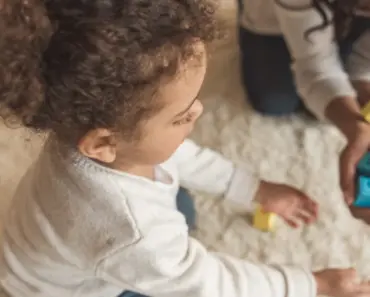
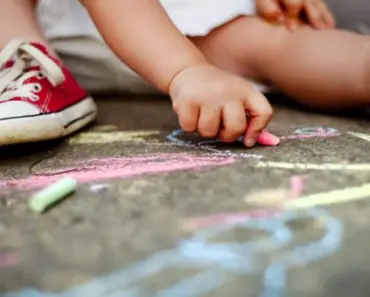
One of the most challenging skills that every pre-schooler struggles with is writing. Many parents have been at the receiving end of resistance from their kids who refuse to hold a pencil and practice writing. Don’t worry. Developing pre-writing skills and learning to write can be fun.
I went to a Montessori preschool and I loved it. The Montessori preschool activities were designed to help develop skills through natural play. Today, I will share with you five Montessori pre writing activities that help develop writing skills in a fun way. Your child will enjoy these fun activities that feel free play to them but help them to develop their fine motor skills at the same time. I hope you also enjoy watching your child’s letter formation progress with these pre-writing activities for preschoolers.
Montessori Preschool Activities That Will Help Your Child Develop Pre-Writing Skills
You do not have to wait for your child to be in preschool to help develop those pre writing skills. Even toddlers can be given activities that they will enjoy and at the same time, will help improve their dexterity and fine motor skills that will make them better equipped at holding a pencil and writing on paper. This is principle applied in the Montessori approach when it comes to developing pre-writing skills. Provide young kids with activities that will help them learn through play.
As children grow, these early games naturally evolve into more structured tasks—think tracing shapes, using scissors, or building with blocks. Resources that outline fine motor skills activities for 5-6 year olds demonstrate how simple play, such as bead threading or cutting paper designs, builds on the same foundations toddlers start with, just in more refined ways.
Here are some Montessori preschool activities that will help your child develop pre-writing skills. These pre writing activities for preschoolers are fun and effective!
5 Preschool Writing Activities
- Draw on a Montessori sand tray
This is one of the easiest Montessori materials to DIY because it is basically a box with sand in it. You can try to substitute the sand with cornmeal, salt, or colored sand. You can also get sandpaper letters which the child can play side by side with the sand tray. The child sensitizes his fingers, traces the letters while saying the phonics sound then traces over and over again until the experience is imprinted into the child’s brain.
These materials are both sensorial and tactile materials that encourage the child to learn through play. When your child is ready to use a writing tool and paper, he will be familiar with the shapes of the letters, while his fingers and hands will remember the motion of making these shapes. Kids are sure to love this Montessori writing activity!
- Manipulation toy play
Playing with toys that strengthen their ability to manipulate objects and improve their visual motor skills is important. It is also one of a variety of ways to increase hand strength. Again, it seems like they are just playing when they use toys for stacking blocks, sorting sizes, or matching shapes, but they are also improving their ability to manipulate an object which will come in handy when they go try writing.
Montessori toys are great choices for improving their perceptual skills and hand-eye coordination which will help them be more successful when they try writing. The toy you see my son manipulating above is the Cuboro wooden marble run. Fine motor activities allow younger preschoolers to perfect fine motor movements before they try to form letters. This will naturally help the child’s ability to use pencil strokes to create simple shapes.
- Paint with fingers and paintbrushes
Art is an easy way to support free play in a Montessori environment and it helps develop hand-eye coordination. Painting encourages your child to use fine motor skills as well hand muscles. Gently strengthening these muscles at a young age helps prepare your toddler for writing in the future.
The beauty of finger painting is that it engages multiple senses simultaneously. The child feels the texture of the paint, sees the colors blend, and experiences the motion of creating marks. This multisensory approach is particularly effective for young learners who are still developing their fine motor control.
For a more structured approach, you can introduce paintbrushes of various sizes. Starting with larger brushes and gradually moving to smaller ones helps children develop the precision needed for writing. You can also introduce different painting surfaces—paper, cardboard, or even windows with washable paints—to keep the activity fresh and engaging.
- Threading and beading activities
Threading beads onto strings or pipe cleaners is an excellent pre-writing activity that develops the pincer grasp, which is essential for holding a pencil correctly. This activity also enhances hand-eye coordination and concentration.
Start with larger beads and thicker strings for younger children, then gradually introduce smaller beads and thinner strings as their skills improve. You can make this activity more interesting by using beads of different colors, shapes, and sizes. Creating patterns with the beads adds an additional cognitive challenge.
For a variation, try using pasta shapes, large buttons, or even Cheerios. The key is to provide materials that require the child to use their thumb and forefinger to grasp and manipulate small objects.
- Playdough manipulation and modeling
Playdough is a versatile material that offers numerous benefits for pre-writing development. Squishing, rolling, pinching, and shaping playdough strengthens the small muscles in the hands and fingers. These same muscles are used when gripping a pencil and forming letters.
Encourage your child to create various shapes, letters, and objects with the playdough. You can provide tools like rolling pins, cookie cutters, and plastic knives to add variety to the activity. For an added challenge, you can hide small objects in the playdough and have your child dig them out.
Making homemade playdough together can be an additional activity that teaches measuring and mixing while creating a material for further play and development.
Additional Montessori-inspired pre-writing activities
Sensory bins with small objects
Create sensory bins filled with rice, beans, or sand and hide small objects inside. Have your child search for and retrieve these objects using tweezers or their fingers. This activity develops fine motor skills and hand strength while providing a fun sensory experience.
Tearing and crumpling paper
Simple activities like tearing paper into strips or crumpling paper into balls help develop hand strength and finger dexterity. These activities also provide a good opportunity to discuss recycling and environmental awareness.
Using tongs and tweezers
Provide activities that require the use of tongs or tweezers to transfer objects from one container to another. This could involve sorting pompoms by color, transferring small stones, or picking up cotton balls. These activities strengthen the pincer grasp and improve hand-eye coordination.
Tracing in various textures
Beyond sand trays, children can trace shapes and letters in other textures like shaving cream on a tray, finger paint in a ziplock bag, or even in dirt or mud outside. The variety of textures keeps the activity interesting while reinforcing the shapes and movements needed for writing.
Practical life activities
Many practical life activities in Montessori education contribute to pre-writing development. Pouring water between containers, using clothespins to hang items, opening and closing containers, and using scissors to cut paper all develop the fine motor skills necessary for writing.
The importance of a prepared environment
In Montessori education, the environment plays a crucial role in learning. For pre-writing activities, this means creating a space that is organized, accessible, and inviting. Materials should be arranged on low shelves where children can easily reach them. Activities should be presented in an orderly fashion, with all necessary components together.
The prepared environment also includes ensuring that furniture is appropriately sized for young children. Tables and chairs should be at the right height to allow for proper posture when engaging in writing activities. This attention to physical comfort helps children focus on the task at hand rather than being distracted by discomfort.
Observation and following the child’s lead
One of the key principles of Montessori education is observation. By carefully watching your child engage with various activities, you can gain insights into their interests, strengths, and areas that may need more support. This observation allows you to tailor activities to your child’s developmental stage and interests.
It’s also important to follow your child’s lead. If they show particular interest in one activity, allow them to explore it deeply. If they seem frustrated or disinterested in another, it may be too advanced or not engaging enough. The goal is to create a positive association with learning and skill development.
Integrating pre-writing activities into daily routines
Pre-writing activities don’t have to be limited to designated “learning time.” Many of these activities can be integrated into daily routines and play. For example, drawing in the condensation on windows after bath time, writing in the sand at the beach, or creating shapes with sticks in the park all contribute to pre-writing development.
By incorporating these activities naturally into your child’s day, you help them see learning as a part of life rather than a separate, potentially stressful activity. This approach aligns with the Montessori philosophy of learning through natural experiences.
The role of the adult in supporting pre-writing development
While Montessori emphasizes independence and self-directed learning, the role of the adult is still crucial. Adults provide the prepared environment, introduce activities, and offer guidance when needed. However, it’s important to strike a balance between offering support and allowing the child to explore independently.
When introducing a new activity, demonstrate it slowly and clearly, then allow the child to try it themselves. Resist the urge to correct every mistake immediately. Instead, observe and offer guidance when necessary, always aiming to build the child’s confidence and independence.
Celebrating progress and effort
As your child engages in these pre-writing activities, celebrate their progress and effort rather than focusing solely on the end result. Acknowledge the fine motor skills they’re developing, their growing concentration, and their creativity. This positive reinforcement helps build a growth mindset and a love for learning.
Remember that every child develops at their own pace. Some may show interest in writing-like activities earlier than others, and that’s perfectly normal. The goal of these activities is to provide opportunities for skill development through enjoyable experiences, not to rush children into writing before they’re ready.
Conclusion
Developing pre-writing skills through Montessori activities offers a holistic approach to preparing children for writing. By focusing on fine motor development, hand strength, and hand-eye coordination through playful, engaging activities, children build a strong foundation for future writing success. These activities not only prepare children physically for writing but also foster a positive attitude towards learning and skill development.
The beauty of these Montessori pre-writing activities is that they feel like play to children while providing valuable skill development. Whether it’s tracing in a sand tray, manipulating playdough, or threading beads, each activity contributes to the complex skill of writing in an enjoyable, developmentally appropriate way.
As you introduce these activities to your preschooler, remember to observe, follow their lead, and celebrate their efforts. With patience and consistency, you’ll likely be amazed at how these playful experiences translate into confident, capable young writers.