April: A Critical Month for Your Swiss Cheese Plant’s Growth
Swiss cheese plants possess a remarkable ability to appear content even when their growth is stagnant. This seemingly resilient nature, while charming, can mask underlying needs. April marks a pivotal shift – the plant emerges from its winter dormancy, ready to actively grow, but only if we provide the right support. This month isn’t about drastic changes; it’s about gently nudging your Monstera into a period of vibrant expansion. Proper care during this timeframe will dramatically influence the plant’s appearance and overall health throughout the growing season.
1. Bump Up Watering – Listen to the Soil
Winter watering for Swiss cheese plants is typically a conservative approach – the plant’s growth slows considerably, the soil retains moisture for longer, and the risk of overwatering escalates if the schedule isn’t adjusted. April reverses this dynamic. The root system is actively expanding, pulling more water from the soil, and the soil’s absorption rate accelerates compared to the slower pace of February. A general guideline of every seven to ten days is a good starting point, but the most reliable indicator is the soil itself. Stick your finger two or three inches (approximately 5-8 centimeters) into the soil. If it feels dry all the way down, it’s time for a thorough soak. Don’t just rely on the calendar; gauge the moisture level. Using a soil moisture meter, such as the Raintrip 4-in-1 Soil Meter, provides an objective reading. Crucially, avoid placing the pot in a saucer filled with water. This creates a consistently wet environment, drastically increasing the risk of root rot – a common and devastating problem for houseplants. Water deeply until excess drains from the bottom, then allow the soil to dry slightly before the next watering. The goal is to provide consistent moisture without creating a soggy environment.
2. Strategically Position for Increased Light
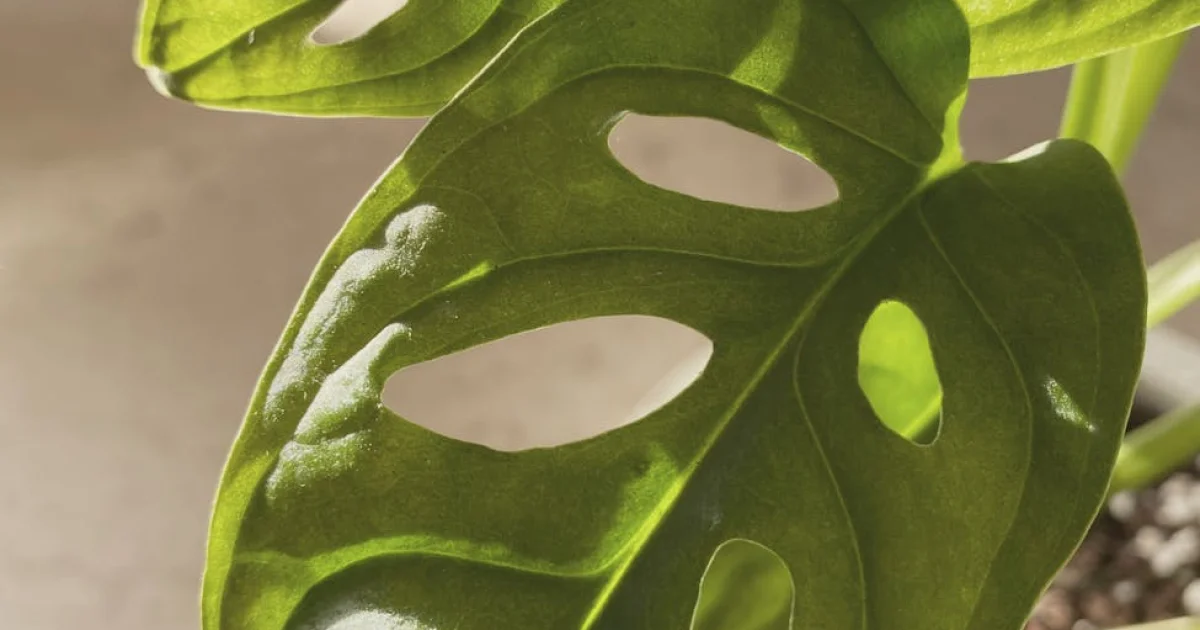
While Swiss cheese plants can tolerate lower light conditions, they truly flourish in brighter environments. They’ll survive in dimmer corners, but their growth will be slower, and their characteristic fenestrations (the holes and splits in the leaves) will be less pronounced. April is the month to reassess the plant’s light exposure. If you’re noticing smaller, less-defined leaves, or a lack of significant fenestrations, it’s a strong indication that the plant isn’t receiving enough light. Aim for “bright indirect light,” meaning a spot where the plant receives ample light for several hours each day without direct, intense afternoon sunlight. East-facing windows are often ideal, offering gentle morning light. South- or west-facing windows can work, but you’ll need to shield the plant from the harshest rays, perhaps using a sheer curtain or a reflective barrier. Direct sunlight can scorch the leaves, causing brown patches and hindering growth. Consider a product like the Yesus Sunshade mesh from Amazon to provide extra protection on hotter days. Providing adequate light is one of the most impactful steps you can take to encourage vigorous growth and stunning leaf development.
3. Resume Fertilizing – Fueling the Growth Spurt
During the winter months, houseplants enter a period of reduced metabolic activity, rendering fertilizer largely unnecessary. April signals a return to active growth, triggering the plant’s need for nutrients. Start resuming fertilization with a balanced liquid fertilizer, diluted to half strength, applied once a month. A 20-20-20 fertilizer is a good choice, providing equal proportions of nitrogen, phosphorus, and potassium – the macronutrients essential for plant growth. However, it’s crucial to avoid fertilizing dry soil. First, water the plant thoroughly to ensure the soil is adequately moistened. Allow the excess water to drain away completely. Then, apply the diluted fertilizer. Over-fertilizing can damage the roots, leading to yellowing leaves and stunted growth. A slow, steady supply of nutrients will support the plant’s active growth phase and contribute to the development of larger, more developed leaves with those coveted splits and holes. Consider a product like TPS Nutrients Monstera Fertilizer for easy dilution and consistent feeding.
4. Gently Clean the Leaves – Maximize Photosynthesis
Dust accumulation on the leaves significantly reduces their ability to photosynthesize – the process by which plants convert sunlight into energy. Over time, a layer of dust can build up, blocking the light and hindering the plant’s growth. April is an excellent time to give your Swiss cheese plant a thorough cleaning. Use a damp microfiber cloth to gently wipe down each leaf, removing dust and debris. Be gentle, avoiding excessive pressure that could damage the delicate foliage. A slightly damp sponge can also be effective, but ensure it’s not dripping wet. Cleaning the leaves not only improves photosynthesis but also helps to prevent pests and diseases. A clean leaf surface is less hospitable to insects and fungal spores. Consistent leaf cleaning is a simple yet highly effective way to promote healthy growth and maintain the plant’s vibrant appearance.
You may also enjoy reading: 11 Insanely Cheap Costco Deals You Need to Know About This Week, Starting with a 65-Inch….
5. Inspect the Roots – Early Detection is Key
Swiss cheese plants, like all houseplants, require root health to thrive. While they’re remarkably tolerant of neglect, root rot is a serious threat that can quickly kill the plant. April is a good time to check the roots for any signs of trouble. Gently remove the plant from its pot and examine the roots. Healthy roots are firm and light-colored, typically white or tan. If the roots are dark brown or black and mushy, it’s a clear indication of root rot. Root rot develops when the roots are deprived of oxygen, often due to overwatering. If you find signs of root rot, carefully trim away the affected roots with clean, sharp scissors. Allow the roots to dry out for a few days before repotting the plant in fresh, well-draining potting mix. Repotting every two years is generally recommended to provide the plant with fresh nutrients and to prevent the roots from becoming pot-bound. Regular root inspections are a proactive way to catch problems early and prevent serious damage.
6. Provide Humidity – Mimicking Their Native Environment
Native to the rainforests of Southeast Asia, Swiss cheese plants thrive in humid environments. During the drier months, indoor air can become significantly less humid, which can stress the plant and lead to leaf drop. April marks a noticeable increase in humidity as temperatures rise, but you can further enhance the humidity around your plant. Several methods can be employed. Grouping plants together creates a microclimate with higher humidity. Using a pebble tray filled with water (making sure the pot isn’t sitting directly in the water) is another effective strategy. The evaporating water increases the humidity around the plant. A humidifier is the most reliable option for consistently high humidity levels. Aim for a humidity level between 50% and 70%. Increased humidity encourages robust growth, prevents leaf drop, and helps the plant maintain its vibrant foliage.
7. Monitor for Pests – Early Intervention Matters
While Swiss cheese plants are relatively pest-resistant, they aren’t immune. April’s increased humidity and warmer temperatures can create favorable conditions for certain pests. Regularly inspect the plant for signs of infestation, such as webbing, sticky residue, or small insects. Common pests include spider mites, mealybugs, and scale. If you detect pests, act quickly to eliminate them. Wipe the leaves with a damp cloth to remove surface pests. For more stubborn infestations, use insecticidal soap or neem oil, following the product instructions carefully. Early detection and treatment are crucial to prevent a full-blown infestation and minimize damage to the plant. Maintaining a healthy plant – with adequate light, watering, and fertilization – is the best defense against pests.