Understanding Your Houseplants: Beyond the Repotting Rule
The prevailing wisdom in the world of houseplants is that immediately repotting a plant when you see roots escaping the drainage holes is the right thing to do. It’s a quick fix, a visual cue that signals a need for more space. However, for a surprising number of beloved houseplants, this action can actually cause more harm than good. These plants, known as “root-bound” plants, have evolved to thrive in confined spaces, and disrupting this natural state can stifle their growth, prevent flowering, and even lead to root rot. Let’s delve deeper into the nuances of root-bound houseplants – what it means, how to recognize it, and which species are happiest when crammed into a smaller pot.
Amazon US Verified
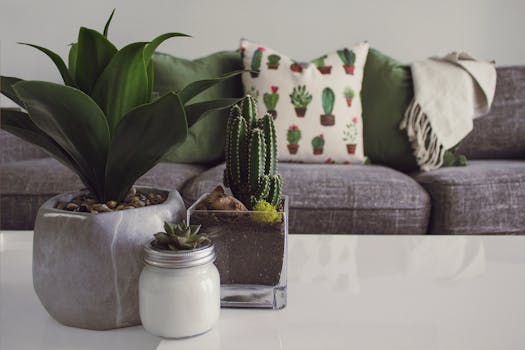
Self-Watering Planters with Drainage Aerators
Elevated reservoir design that prevents soggy roots and ensures steady hydration.
Introducing the Concept of Root-Bound Plants
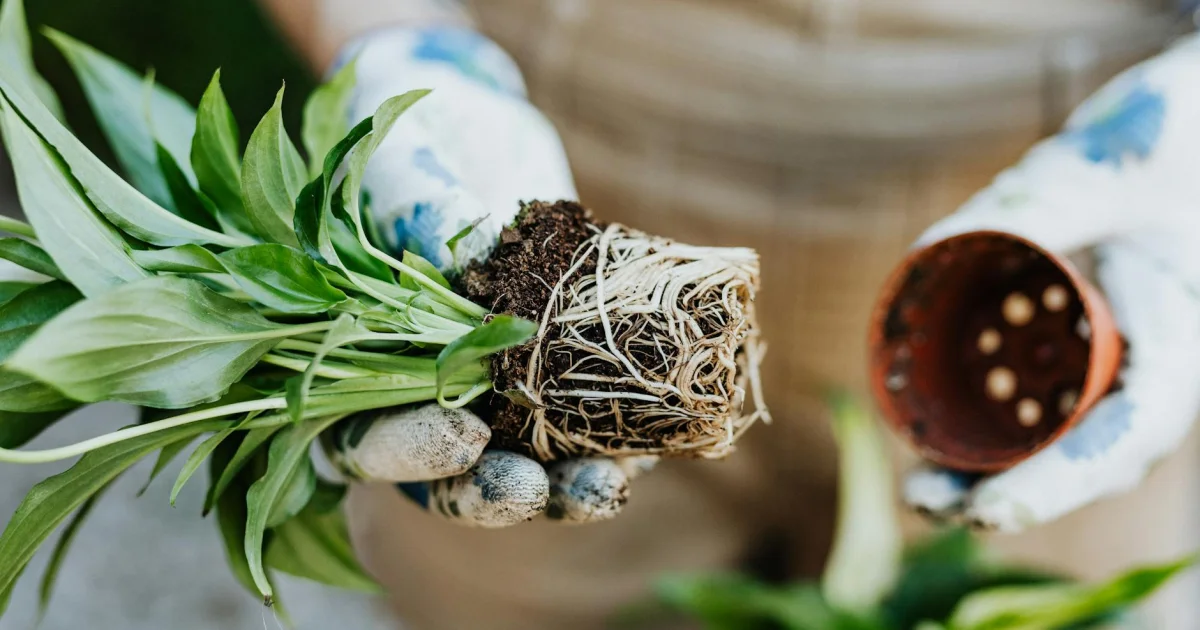
The standard repotting rule – if you see roots coming out of the drainage holes, it’s time for a bigger pot – is a useful guideline for many plants. But it’s a blanket rule, and like many things in gardening, it doesn’t apply universally. Root-bound doesn’t simply mean “roots are growing out of the pot.” It signifies a fundamental shift in the plant’s physiology – an adaptation to restricted root space. When a plant runs out of room in its pot, the roots don’t just stop – they keep growing and looping around the walls of the pot, stacking up at the bottom, and eventually finding their way out the drainage holes. Soil gets shouldered aside in the process. And less soil means the potting mix can’t hold water the way it used to, so the pot dries out fast and your plant may look thirsty right after watering. Pop a root-bound houseplant out of the container and you’ll see the problem immediately – a solid mass of roots with almost no soil left between them. This isn’t just an aesthetic issue; it’s a stress response that fundamentally alters how the plant functions. The plant interprets the stress of being root bound as a signal to reproduce, often prioritizing the production of new leaves or runners over the development of flowers. The plant is essentially saying, “I’m struggling here, so let’s make more babies!”
Amazon US Verified
Organic Perlite Horticultural Soil Conditioner
Lightweight volcanic mineral that improves root aeration and prevents compaction.
Let’s explore seven houseplants that don’t just tolerate, but actually benefit from being somewhat root-bound. These aren’t delicate, sprawling plants that need sprawling roots to thrive; they’ve evolved to do just fine – and often better – in a more compact environment. Recognizing these species is key to providing them with the care they truly need. Each of these plants demonstrates a fascinating adaptation to limited root space, highlighting the incredible diversity of the plant kingdom. It’s a matter of understanding their evolutionary history and respecting their natural tendencies.
1. Peace Lily (Spathiphyllum wallisii)
The peace lily is perhaps the most well-known example of a plant that thrives in root-bound conditions. In fact, repotting a peace lily too soon—when you’re just noticing the roots escaping the drainage holes—is a common mistake. Peace lilies produce leaves instead of flowers when repotted too soon. The plant is desperately trying to secure more root space, diverting its energy away from the delicate process of flower production. Bright, indirect light is best for peace lily plants. Water them once the top inch (2.5 cm) has dried and don’t rush to repot. You should wait at least two to three years between moves and only repot peace lily plants when roots are clearly out of room. Peace lilies are epiphytes in their natural habitat, meaning they grow on other plants and obtain nutrients from the air and rain. This natural lifestyle has ingrained in them a preference for a tight, somewhat confined root system. A self-watering planter from Amazon is a solid pick for peace lilies. It keeps moisture consistent without the risk of standing water that causes root rot in houseplants.
Amazon US Verified
Digital 3-in-1 Soil Moisture & pH Meter
Accurate probe to test deep root zone moisture and prevent accidental overwatering.
2. Spider Plant (Chlorophytum comosum)
Spider plants are notoriously adaptable and resilient, and they’re also fantastic root-bound champions. Packed roots seem to flip a switch in spider plants. Suddenly there are runners everywhere – those long trailing stems with little spiderettes hanging off the ends, which is really the whole appeal of this low-maintenance houseplant. The spider plant’s ability to quickly propagate via runners is significantly enhanced when its roots are relatively constrained. Spider plants are easy-going about almost everything else: low-light, missed waterings, dry air. Just leave them be and watch them thrive. When the pot itself starts distorting or cracking from root pressure, that’s the sign it’s time to repot your spider plant. Otherwise, only transpla
3. Snake Plant (Sansevieria trifasciata)
Often referred to as “mother-in-law’s tongue,” the snake plant is legendary for its drought tolerance and resilience. Remarkably, snake plants thrive in dry soil and are incredibly sensitive to wet conditions. This inherent preference for dryness extends to their root system. Root-bound snake plants are less likely to suffer from root rot because the limited soil volume drains more quickly. They’re also more prone to producing those distinctive, sword-like leaves that give them their name. The plant’s ability to store water efficiently is further augmented by its compact root system. A snake plant in a slightly snug pot is a snake plant perfectly content. Overwatering is a far more common threat to snake plants than root-bound conditions. The key to success with a snake plant is to let the soil dry out completely between waterings – often, that means waiting two to four weeks.
You may also enjoy reading: 7 Reasons Why Hardy Geranium is the Ultimate Low-Maintenance Perennial to Plant This April.
4. Hoyas (Hoya carnosa species)
Hoya, or wax plant, varieties are known for their stunning, star-shaped flowers and velvety foliage. Many Hoyas, particularly the more common varieties like ‘Koonsii’ and ‘Obtusifolia,’ benefit greatly from being root-bound. These plants naturally grow attached to bark in their native Southeast Asian habitat, and this association with limited root space has shaped their growth patterns. They’ll produce abundant blooms when their roots are somewhat constricted, a response to the perceived stress. Hoyas require bright, indirect light and well-draining soil. Repotting a Hoya too frequently can disrupt this flowering cycle, so it’s best to wait until the pot is noticeably bulging or the roots are circling the bottom. A well-draining mix, such as a cactus and succulent blend, is crucial to prevent root rot.
5. Philodendron ‘Brasil’ (Philodendron hederaceum ‘Brasil’)
The ‘Brasil’ philodendron, with its strikingly patterned leaves, is another excellent candidate for root-bound care. This climbing philodendron, native to Brazil, often grows in tangled root systems amidst tree roots in its natural environment. The ‘Brasil’ variety, in particular, seems to exhibit a stronger preference for a slightly cramped root system, which encourages prolific growth and vibrant foliage. Allowing the roots to gently circle the pot’s interior is perfectly acceptable for this species. Philodendrons generally prefer bright, indirect light and consistently moist (but not soggy) soil. Regularly pinching back the vines will encourage bushier growth and prevent the plant from becoming leggy.
6. Alocasia (Various Species – e.g., Alocasia Polly)
Alocasia, often called elephant ear plants, boast dramatic, oversized leaves that add a touch of tropical flair to any indoor space. Many Alocasia species, including the popular ‘Polly’ variety, enjoy being slightly root-bound. Like Hoyas, Alocasia naturally grow attached to bark in their native habitats, and this experience influences their growth patterns. When root-bound, Alocasia tend to produce more robust stems and larger, more vibrant leaves. Alocasia are sensitive to cold drafts and prefer consistently warm temperatures. They need bright, indirect light to thrive. Avoid overwatering, as Alocasia are prone to root rot if the soil remains consistently damp. Providing a slightly snug pot can actually promote healthier growth and more spectacular foliage displays.
7. String of Hearts (Ceropegia woodii)
String of Hearts, with its cascading, heart-shaped leaves, is a charming trailing plant that’s surprisingly tolerant of root-bound conditions. This succulent naturally grows along rocky outcroppings in its native South Africa, where space is often limited. The plant’s ability to conserve water is enhanced by its compact root system, allowing it to thrive in relatively dry conditions. String of Hearts require bright, indirect light and well-draining soil. Allowing the soil to dry out completely between waterings is essential to prevent root rot. Don’t be tempted to overwater this delicate succulent; a little neglect is preferable to too much moisture. A slightly smaller pot can actually promote a fuller, more abundant display of trailing hearts.
As an Amazon Associate, azuloz.com earns from qualifying purchases.