The Cabin Trip Aesthetic: How to Plan a cozy, immersive getaway involves more than booking a cabin—it’s about crafting an experience that blends nature, comfort, and style. This aesthetic creates a warm, peaceful ambiance, perfect for escaping the hustle of daily life. Whether you’re in the United States or elsewhere, thoughtful planning is key to achieving this vibe.
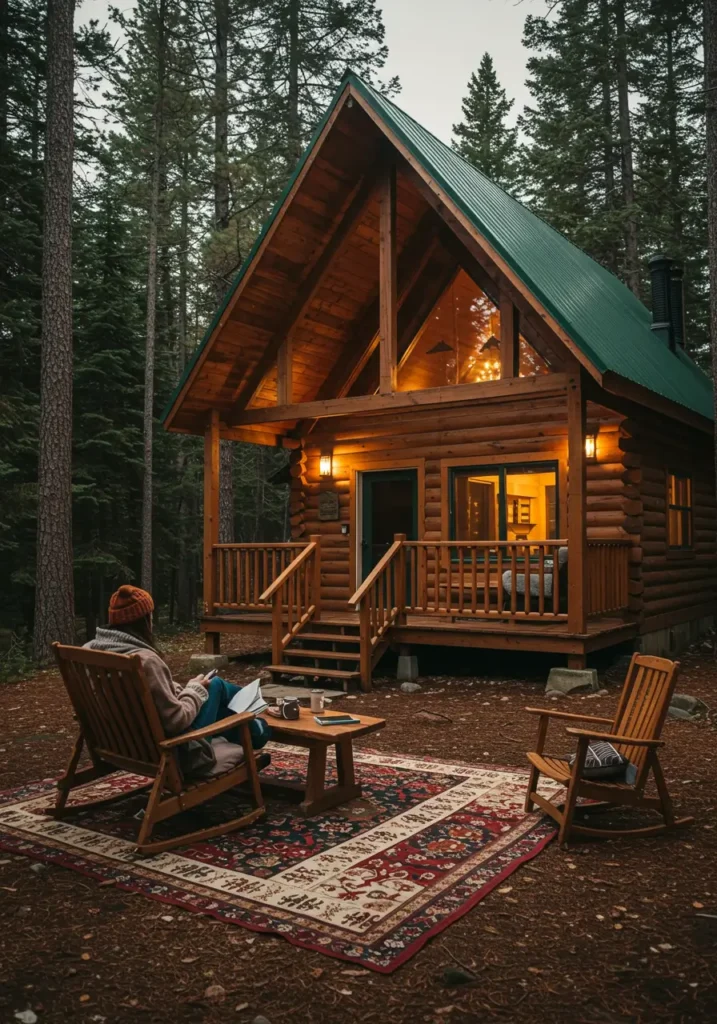
The Cabin Trip Aesthetic: How to Plan guide focuses on curating every detail—destination, cabin type, activities, meals, and packing—to foster tranquility. Explore related travel ideas in our guide to the most walkable cities in the US.
This article provides practical steps for the Cabin Trip Aesthetic: How to Plan your retreat, from selecting the right location and cabin features to packing essentials and curating the atmosphere. Create a memorable, cozy cabin escape tailored to your vision.
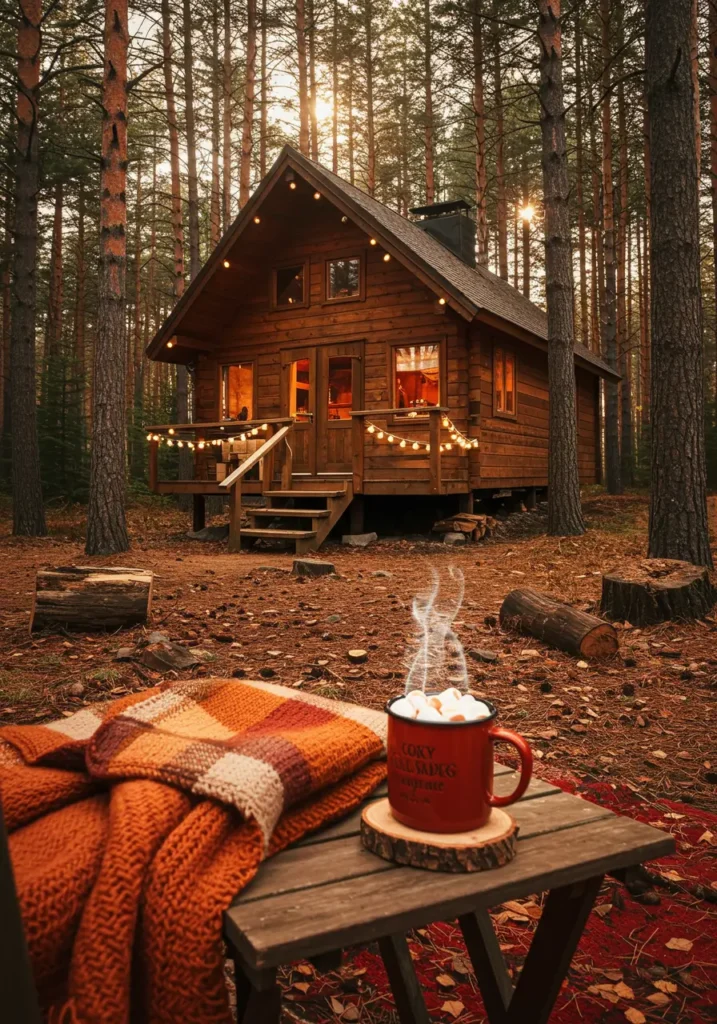
Cabin Trip Aesthetic: How to Plan with Regional Styles
America’s diverse landscapes inspire unique styles for the Cabin Trip Aesthetic: How to Plan your getaway. Understanding regional differences helps you choose the perfect setting.
🌲 Pacific Northwest
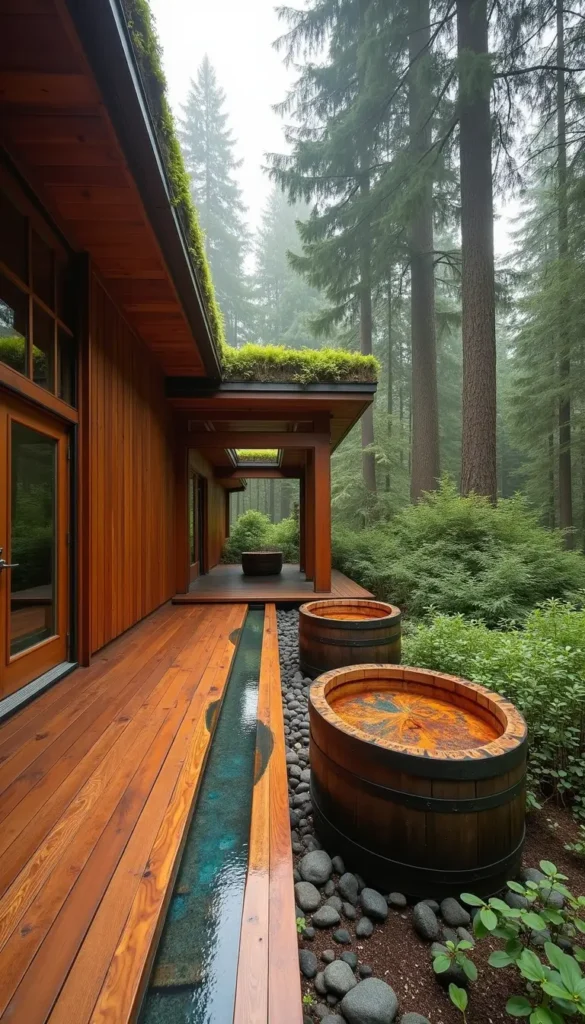
Known for sustainable cedar construction and organic modern design. Signature elements include:
- Live-edge wooden countertops with resin river designs
- Outdoor soaking tubs made from reclaimed wine barrels
- Moss-covered green roofs blending into forest canopies
Pro Tip: Look for cabins with “forest bathing” platforms to enhance your Cabin Trip Aesthetic: How to Plan experience.
⛰️ Rocky Mountains
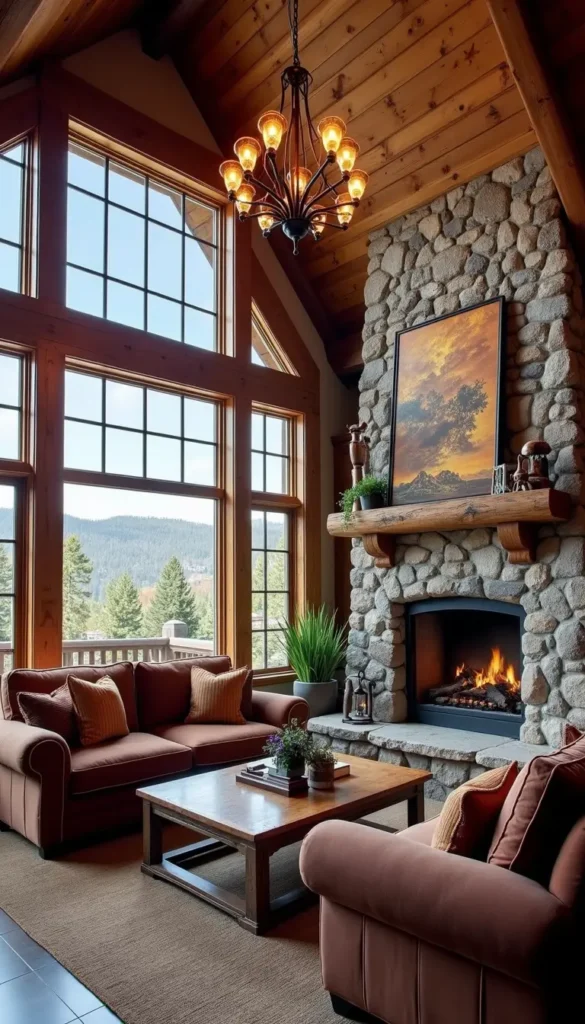
Grand timber-and-stone structures for a dramatic Cabin Trip Aesthetic: How to Plan. Key features:
- Massive river rock fireplaces with wrought iron tools
- Antler chandeliers with Edison bulb lighting
- South-facing picture windows for winter sun
Pro Tip: Book cabins near hot springs for ultimate relaxation.
🍁 New England
Charming coastal and woodland retreats with colonial influences. Distinctive touches:
- White clapboard siding with navy blue shutters
- Nautical rope and lobster trap decor elements
- Fieldstone patios with Adirondack chairs
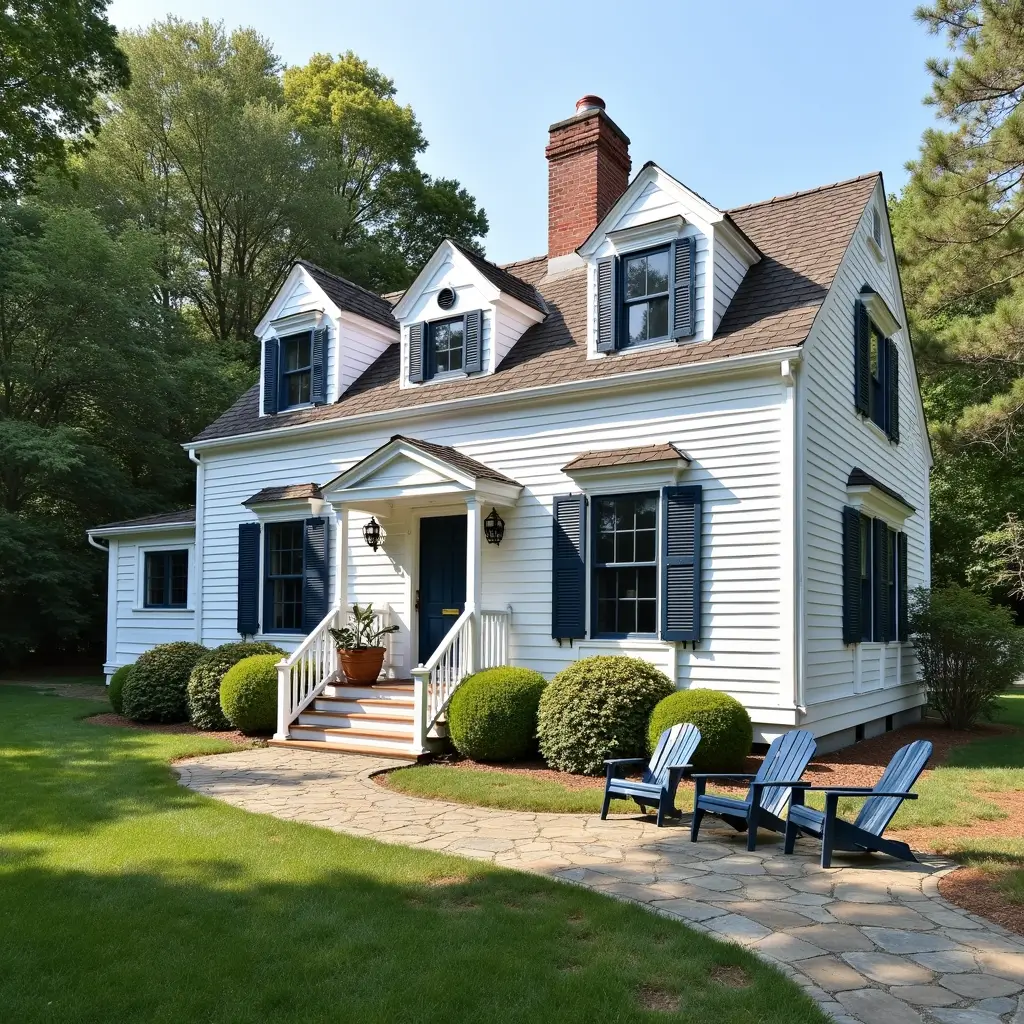
Pro Tip: Autumn stays should prioritize cabins with sugar maple groves for spectacular foliage.
🌿 Southern Appalachians
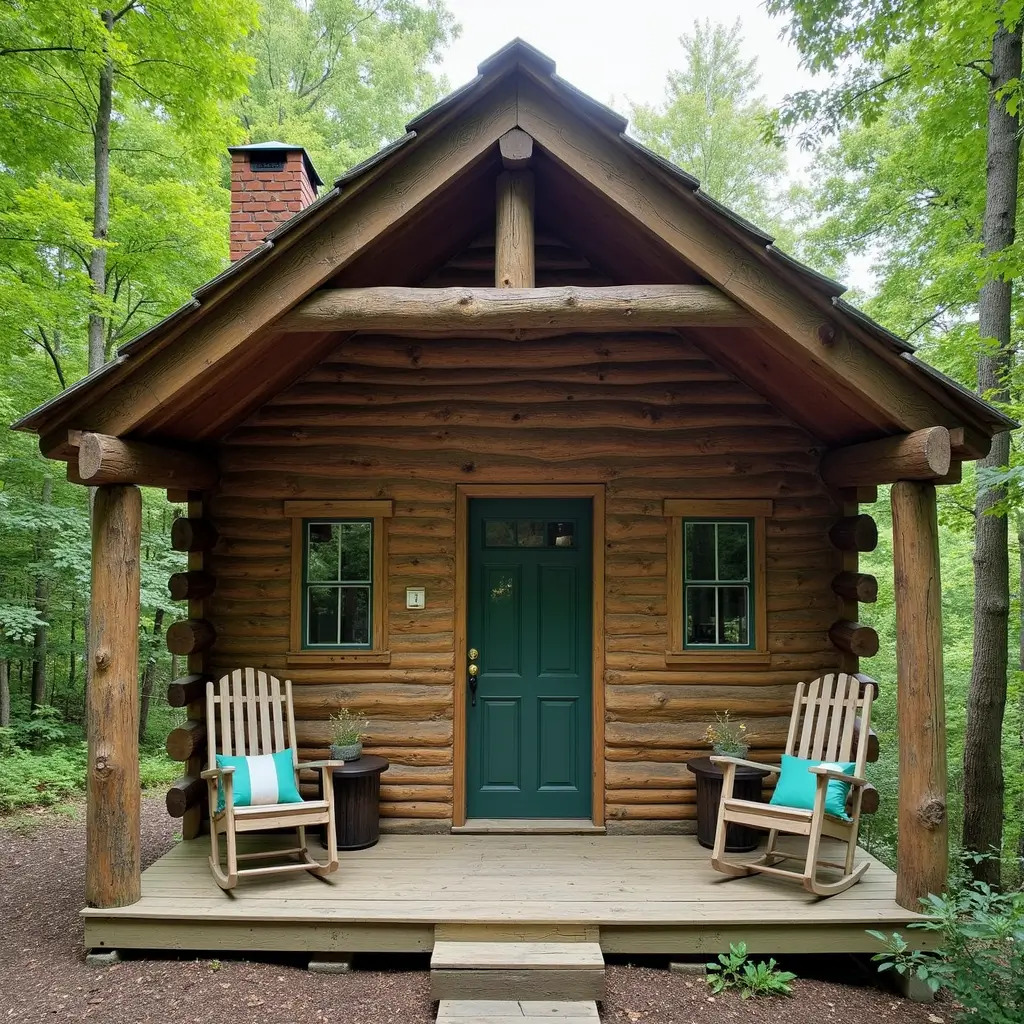
Authentic pioneer-style cabins with modern comforts. Notable features:
- Hand-hewn log construction with dovetail joints
- Wide porches with continuous rocking chairs
- Creek-side locations with private swimming holes
Pro Tip: Seek cabins with artisan partnerships offering local pottery or quilting workshops.
Booking Platforms for Cabin Trip Aesthetic: How to Plan
Selecting the right platform is crucial for the Cabin Trip Aesthetic: How to Plan your getaway. Here’s the 2024 breakdown:
| Platform | Best For | Unique Features | Success Rate |
|---|---|---|---|
| Airbnb | Design-forward cabins | “Tiny home” and “A-frame” categories | 92% satisfaction for aesthetics |
| VRBO | Family gatherings | Detailed amenity checklists | 88% for multi-gen stays |
| Hipcamp | Off-grid experiences | “Farm stays” and “stargazing” filters | 95% for nature immersion |
| Cabinscape | Designer retreats | Architect-curated collections | 89% for Instagram appeal |
Verification Tips
- Cross-reference with Google Earth for location accuracy
- Request unedited photos of bathrooms and kitchens
- Verify heating/cooling systems in property details
Booking Strategies
- Midweek bookings average 30% cheaper
- Last-minute summer deals appear 2-4 weeks out
- Winter holidays book 6-9 months in advance
Architectural Features for Cabin Trip Aesthetic: How to Plan
These structural elements define the Cabin Trip Aesthetic: How to Plan a functional and stylish retreat.
Structural Integrity
- Dovetail Notching: Handcrafted log joints indicating quality construction
- Foundation Type: Stone piers or basements outperform concrete slabs in humid climates
- Roof Pitch: Steeper 12/12 pitches shed snow better in northern regions
Functional Design
- Mudroom Layout: Seek heated floors, boot dryers, and ample coat hooks
- Window Placement: South-facing for solar gain, north-facing for consistent light
- Deck Construction: Cantilevered designs maximize views without support posts
2024 Trend Alert: Hybrid Cabins
- Glass-walled sections connecting log structures
- Solar panel roofs disguised as cedar shakes
- Smart home tech concealed in vintage-style controls
Interior Design for Cabin Trip Aesthetic: How to Plan
Transform your rental into a cozy haven with these elements for the Cabin Trip Aesthetic: How to Plan your stay.
Textile Layers
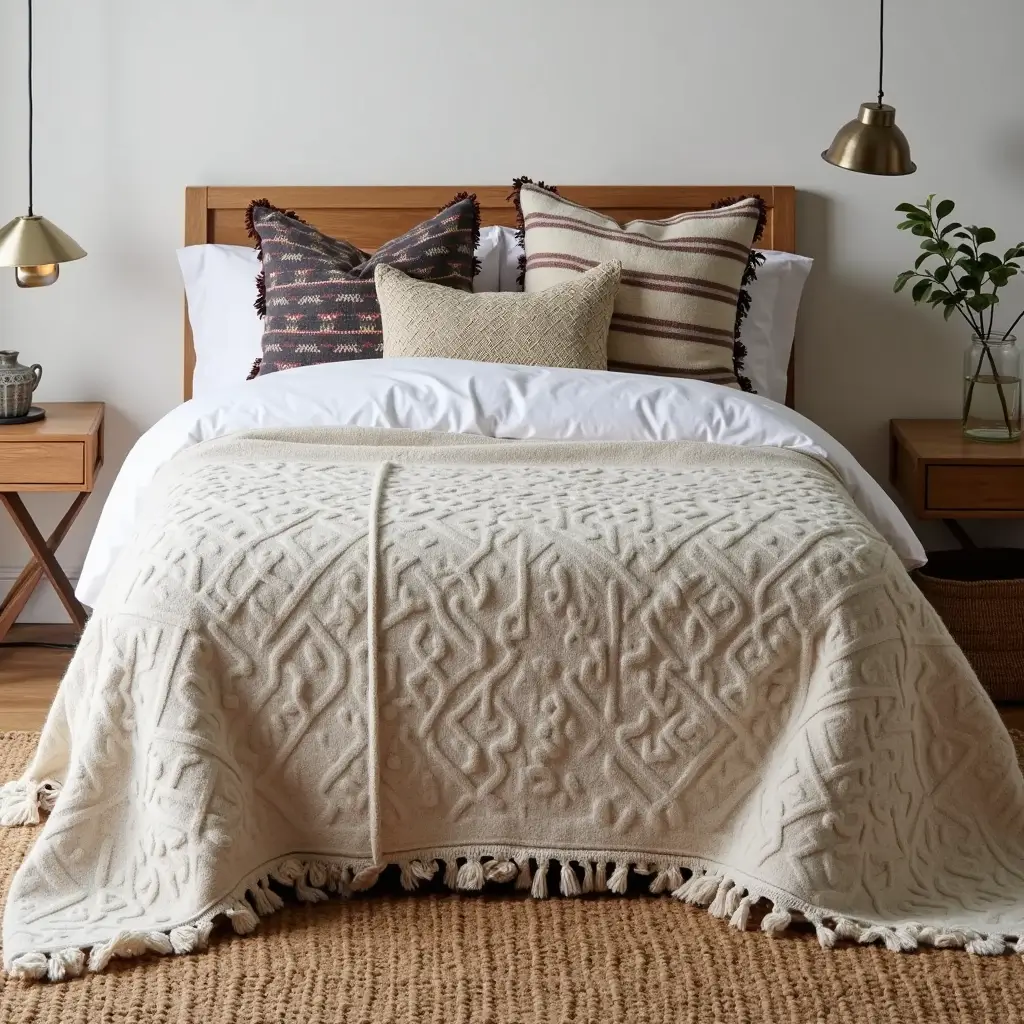
- Weighted Blankets: 15-20 lbs in neutral linen for chilly evenings
- Throw Pillows: Mix Navajo patterns with solid wool covers
- Area Rugs: Jute or braided wool for high-traffic zones
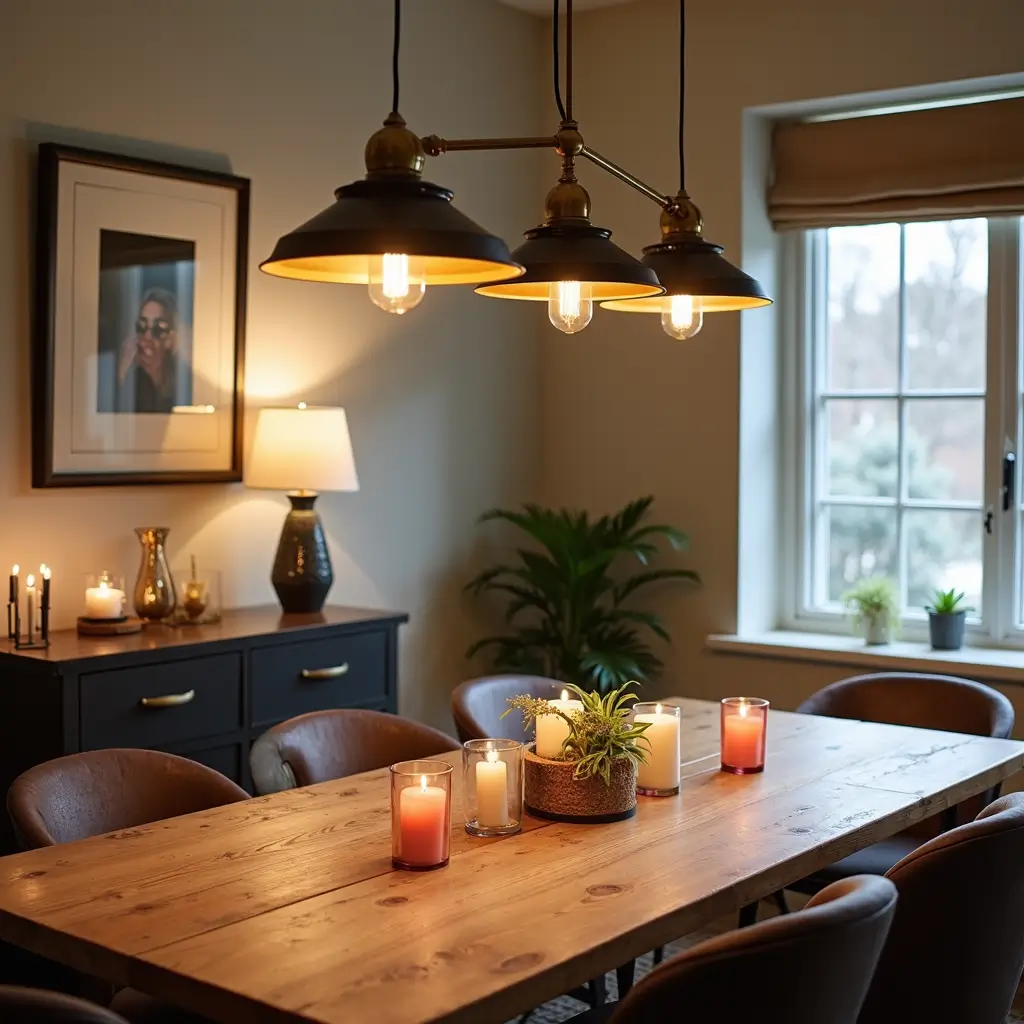
Lighting Elements
- Task Lighting: Adjustable wall sconces with brass finishes
- Ambient Lights: Clustered pendant lights over dining tables
- Accent Lighting: Battery-operated candles in vintage holders
Professional Styling Secrets
Wood Tone Mixing:
- Dark walnut tables
- Light pine wall paneling
- Medium oak flooring
Texture Contrast:
- Smooth ceramic mugs
- Rough burlap napkins
- Knit wool throws
Winter Cabin Trip Aesthetic: How to Plan
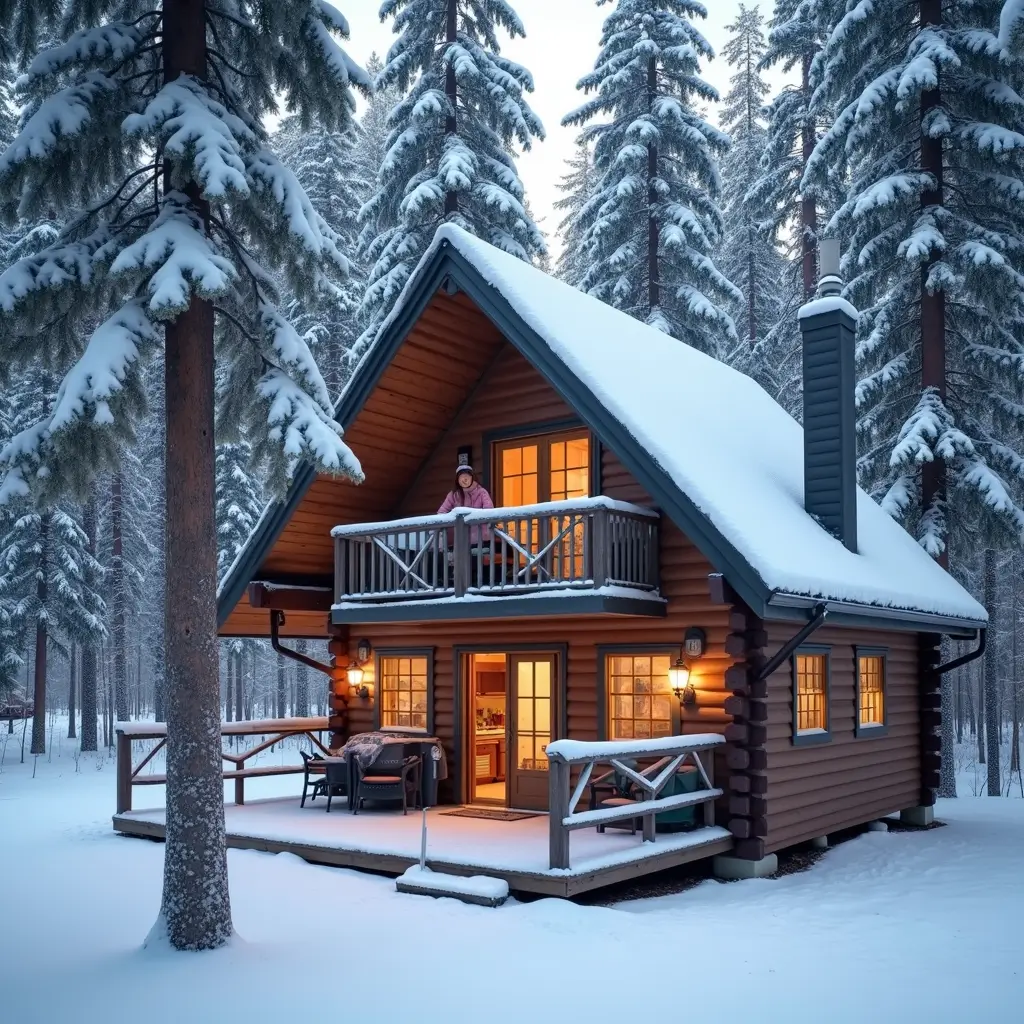
Snowy escapes require careful planning for the Cabin Trip Aesthetic: How to Plan a cozy winter retreat. Check winter safety tips at NOAA.
Essential Preparations
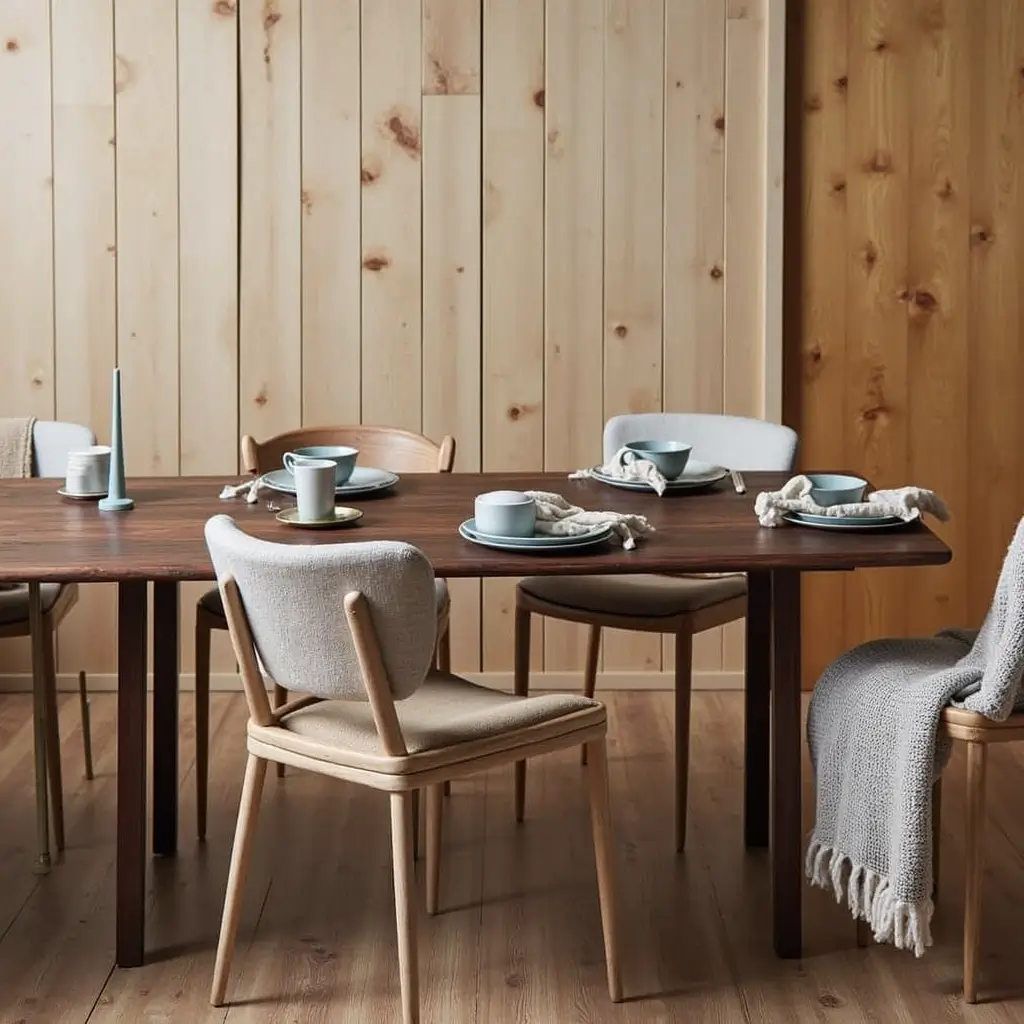
- Thermal Checks: Ask hosts about draft-proofing and insulation quality
- Vehicle Readiness: Pack tire chains, ice scrapers, and emergency kits
- Provisions Strategy: Schedule grocery deliveries 2 days before arrival
Cozy Rituals
- Morning: Melt chocolate for snow-dipped spoons (traditional Quebec treat)
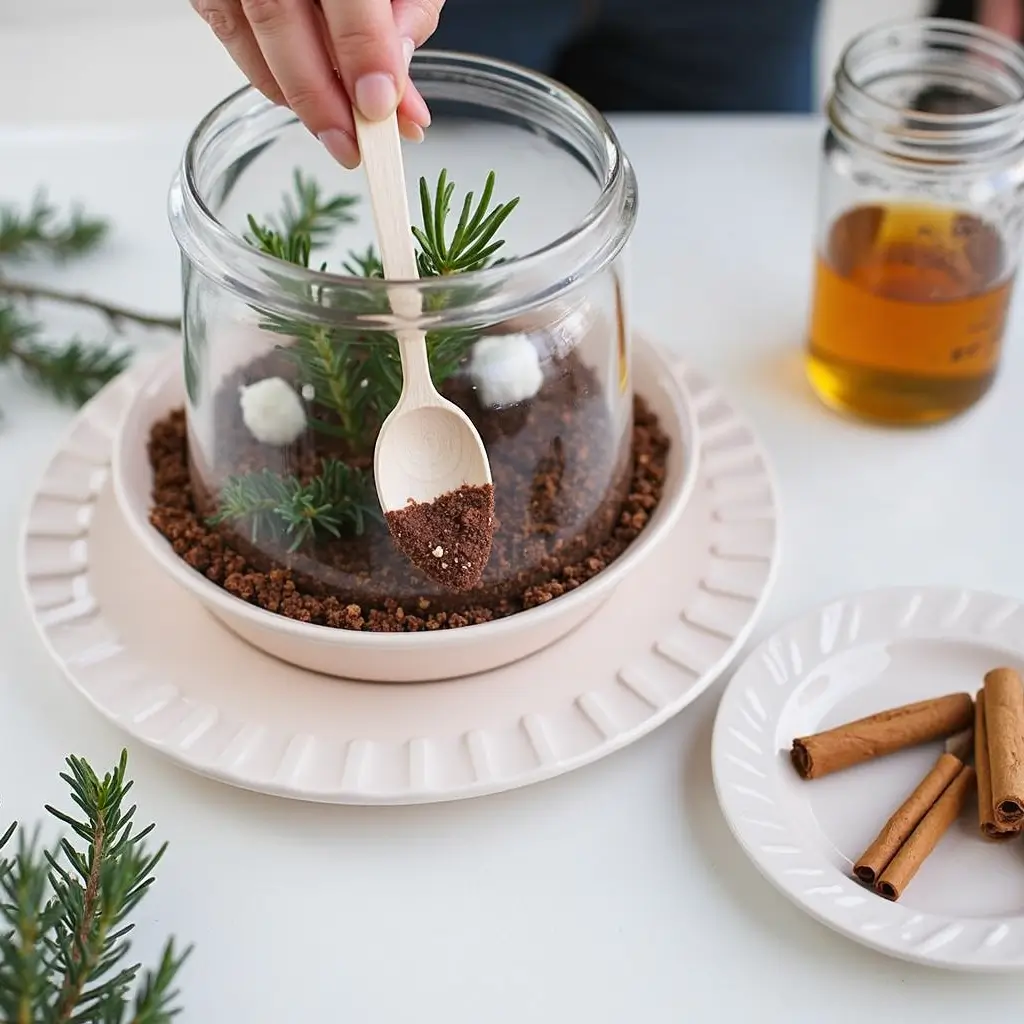
- Afternoon: Craft snow globes using mason jars and miniature evergreens
- Evening: Set up hot toddy bars with local honey and cinnamon sticks
Winter Photography Tips
Golden Hour:
- 3:30-4:30 PM in winter months
- Shoot through frost-laced windows
Indoor Shots:
- Place reflective surfaces near firelight
- Style wool socks “drying” by the hearth
Summer Cabin Trip Aesthetic: How to Plan
Warm-weather planning enhances the Cabin Trip Aesthetic: How to Plan a vibrant summer retreat.
Cooling Solutions
- Strategic Ventilation: Create cross-breezes by opening opposite windows
- Shade Management: Use blackout curtains during peak heat hours
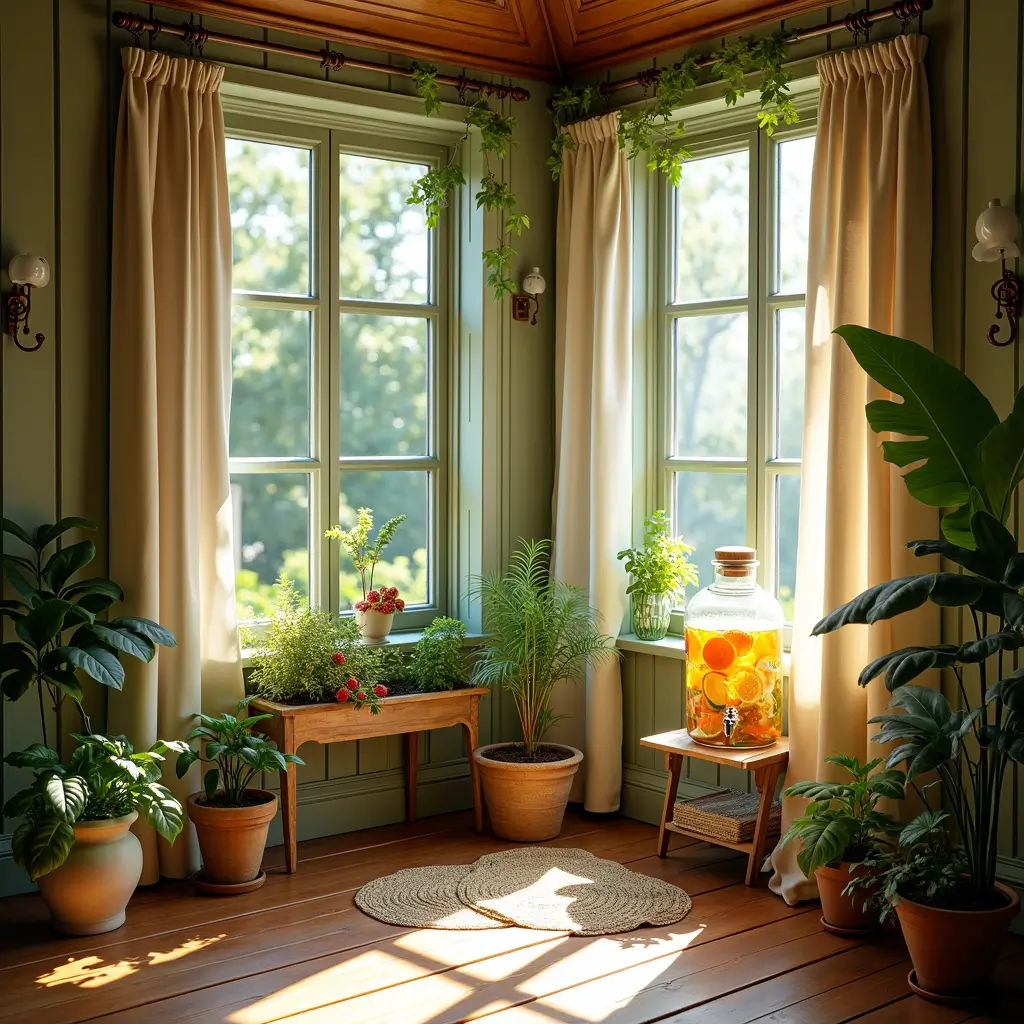
- Hydration Stations: Set up infused water dispensers with citrus and herbs
Water Activities
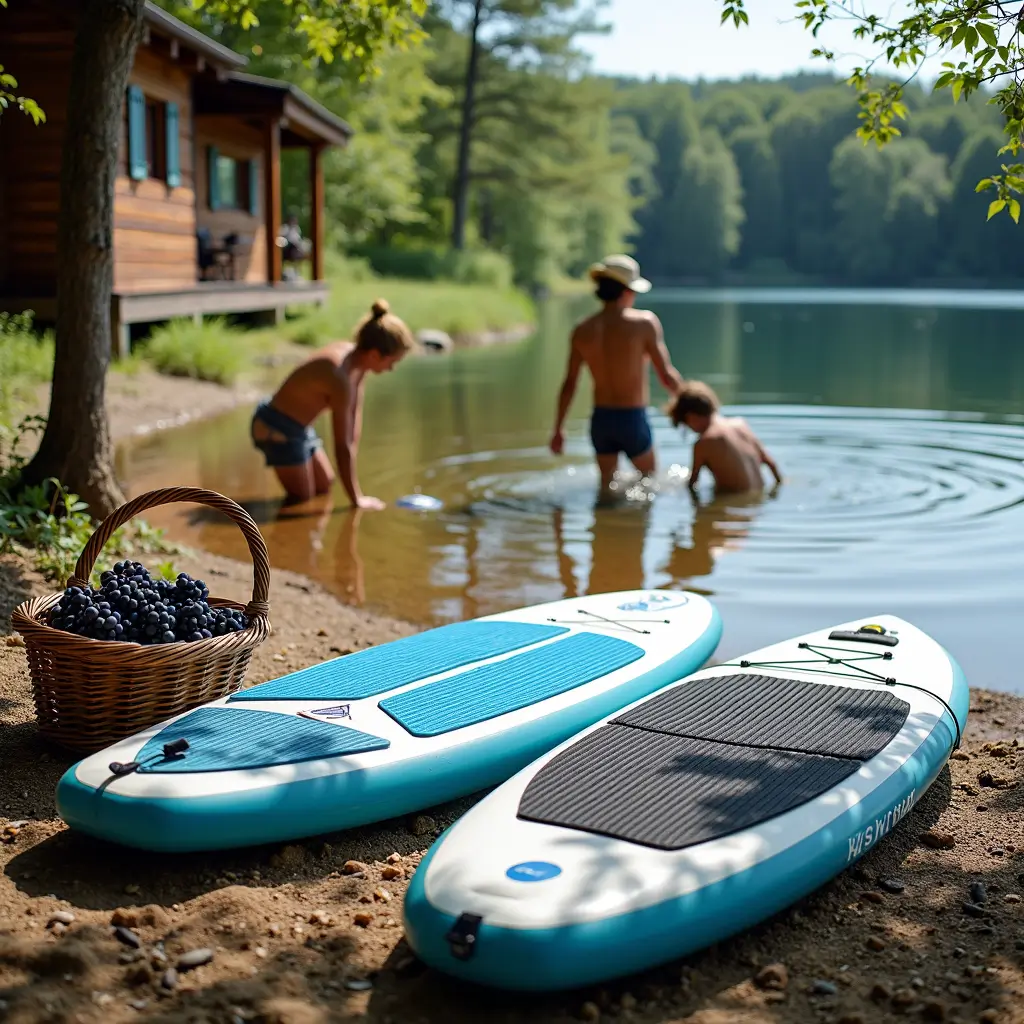
- Gear Essentials: Inflatable paddleboards with built-in coolers
- Safety First: Test water depth before diving at swimming holes
- Refreshment Hacks: Freeze grapes for cooling snacks by the lake
Summer Evening Magic
Firefly Viewing:
- Peak activity 8:30-10 PM in June/July
- Set up hammocks near tree lines
Stargazing:
- Download night sky apps before arrival
- Bring red-light headlamps to preserve night vision
Capsule Wardrobe for Cabin Trip Aesthetic: How to Plan
Pack efficiently with the Cabin Trip Aesthetic: How to Plan your wardrobe.
Base Layers
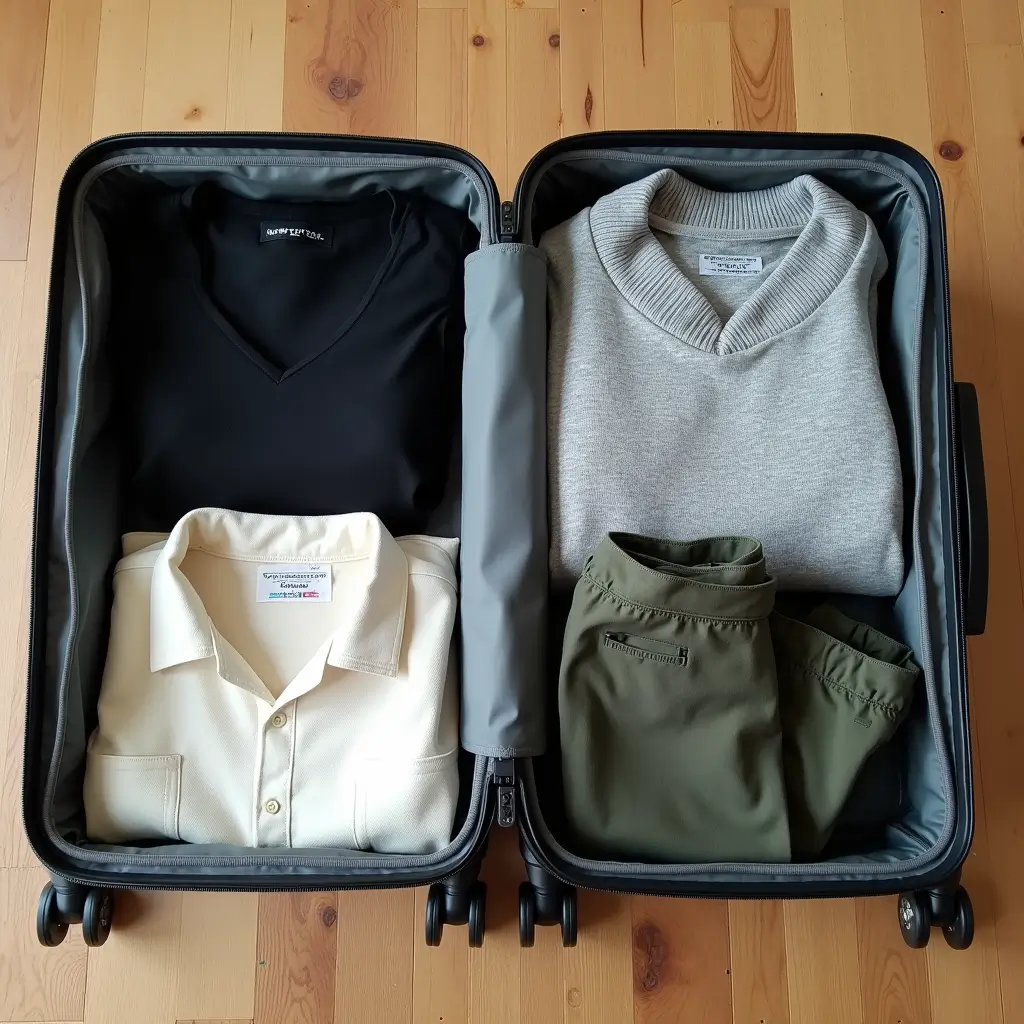
- Top Rotation: 3 merino wool tees (black, gray, cream)
- Bottom Rotation: 2 quick-dry leggings (black, olive)
- Sleepwear: Linen pajama set doubles as lounge wear
Outer Layers
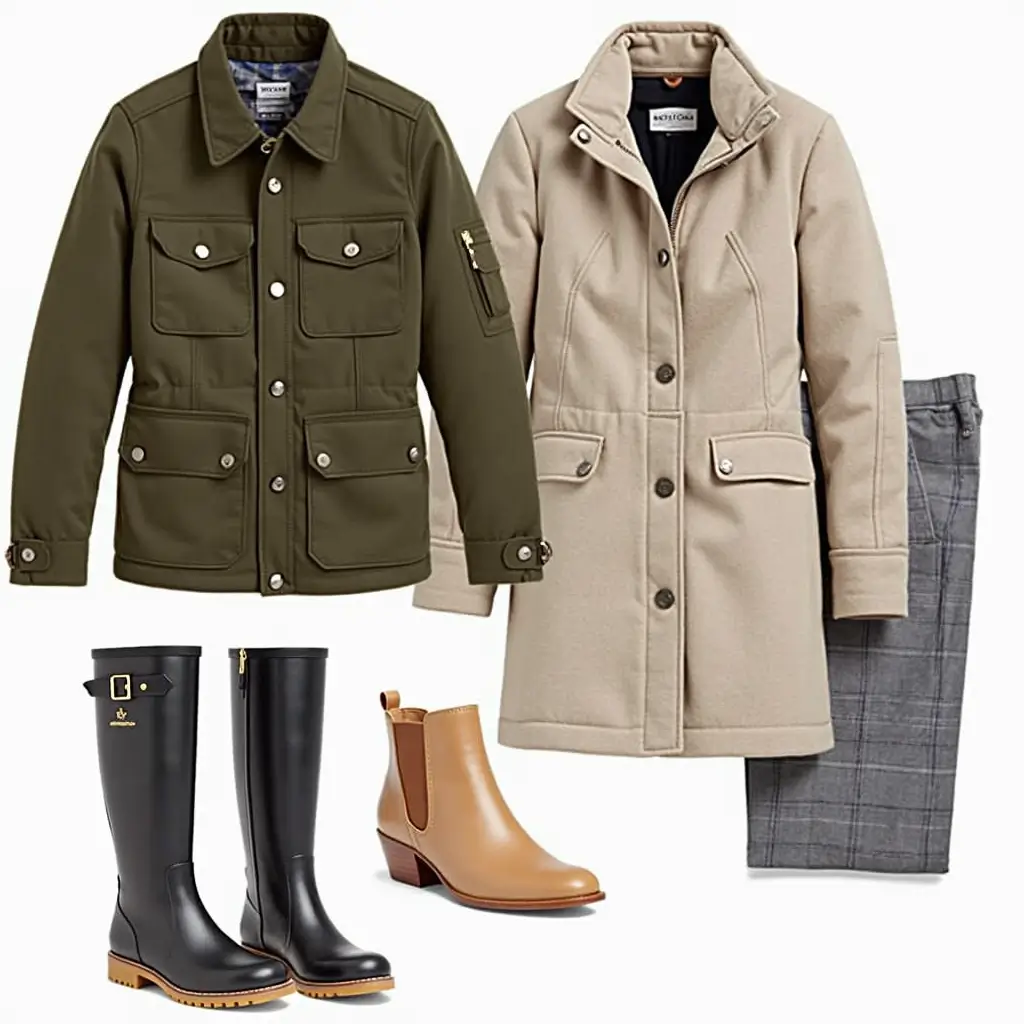
- Jackets: Unlined waxed cotton for showers, packable down for chill
- Evening Wrap: Cashmere shawl in neutral plaid
- Footwear: Waterproof ankle boots + camp sandals
Color Palette Strategy
Rich Brown
Warm Taupe
Muted Clay
Soft Linen
This palette ensures your wardrobe aligns with the Cabin Trip Aesthetic: How to Plan a cohesive look.
Aesthetic Essentials Kit for Cabin Trip Aesthetic: How to Plan
Portable items to elevate your Cabin Trip Aesthetic: How to Plan a picture-perfect retreat.
Textural Elements
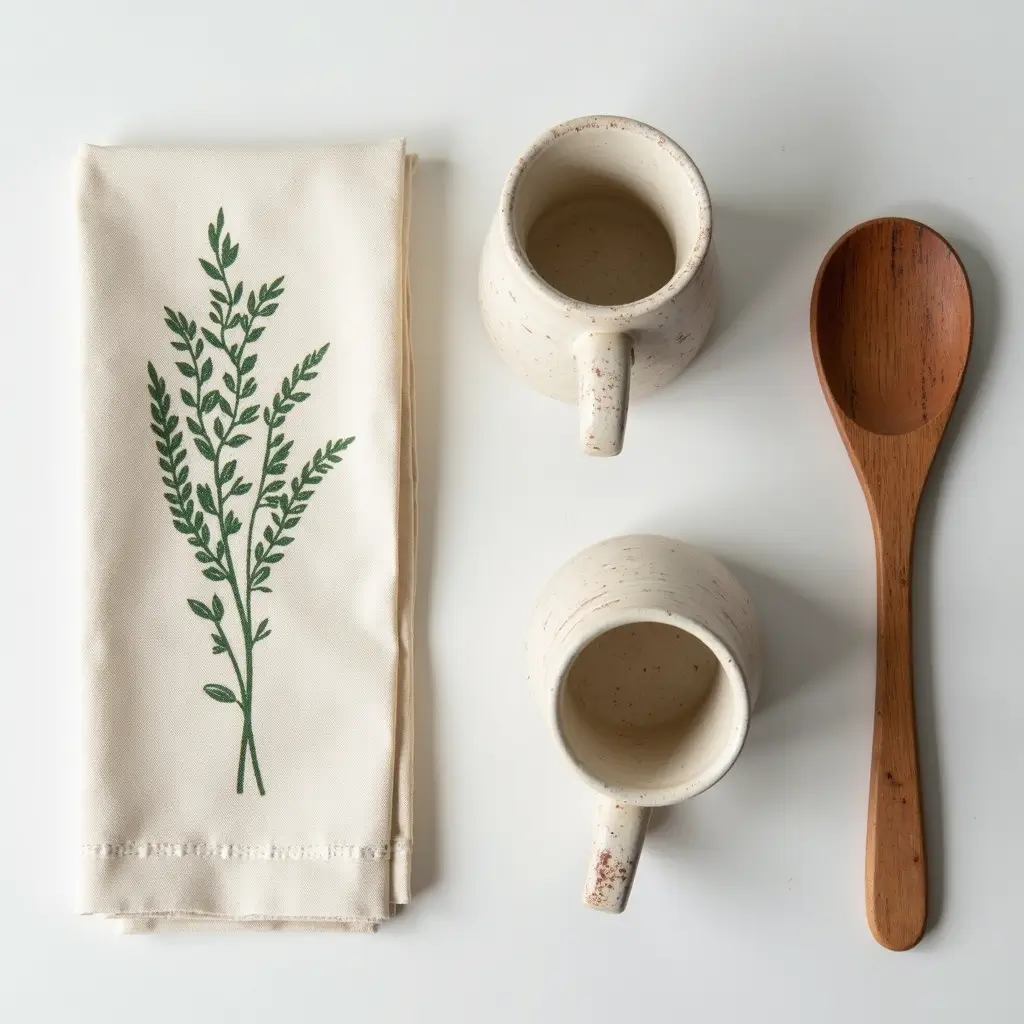
- Linen Napkins: Herb-stamped for rustic tablescapes
- Ceramic Mugs: Hand-thrown with organic imperfections
- Wooden Utensils: Olivewood serving pieces double as decor
Atmosphere Enhancers
- Essential Oil Blends: “Forest Rain” or “Cedar & Sage” scents
- Vintage Alarm Clock: Wind-up style for nostalgic charm
- Brass Candle Tools: Snuffer and matches in leather pouch
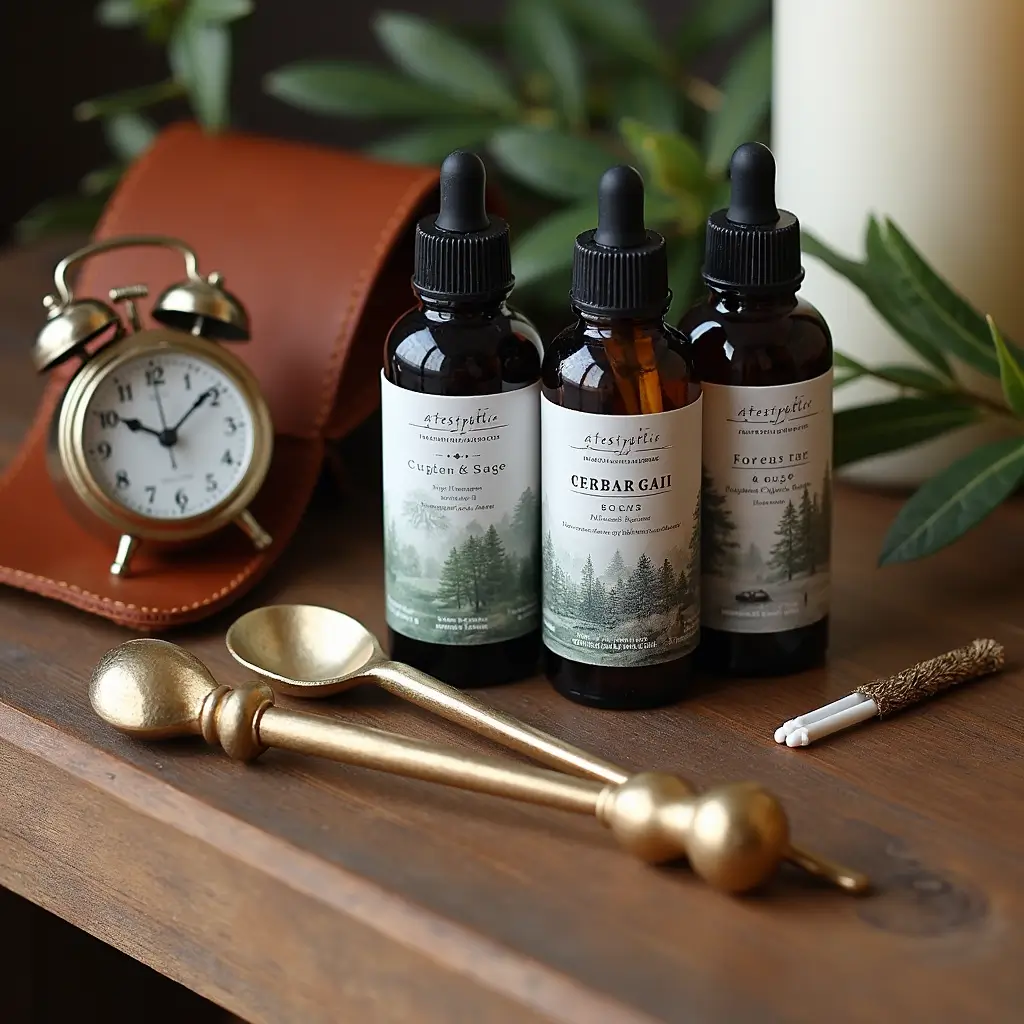
Packing Pro Tip
Use a vintage leather doctor’s bag or wooden crate to store your essentials kit—these containers enhance the Cabin Trip Aesthetic: How to Plan when displayed.
Photo Opportunities for Cabin Trip Aesthetic: How to Plan
Capture stunning shots with these scenes for the Cabin Trip Aesthetic: How to Plan your photogenic retreat.
Morning Magic

- Window Light: Shoot through dew-covered panes at dawn
- Coffee Ritual: Steam rising from enamel mugs on porch rails
- Bedside Still Life: Open books with reading glasses and half-drunk water
Evening Ambiance
- Firelight Glow: Capture ember sparks with slow shutter speeds
- Twinkle Lights: Drape string lights in foreground for bokeh effects
- Table Settings: Overhead shots of rustic dinner setups
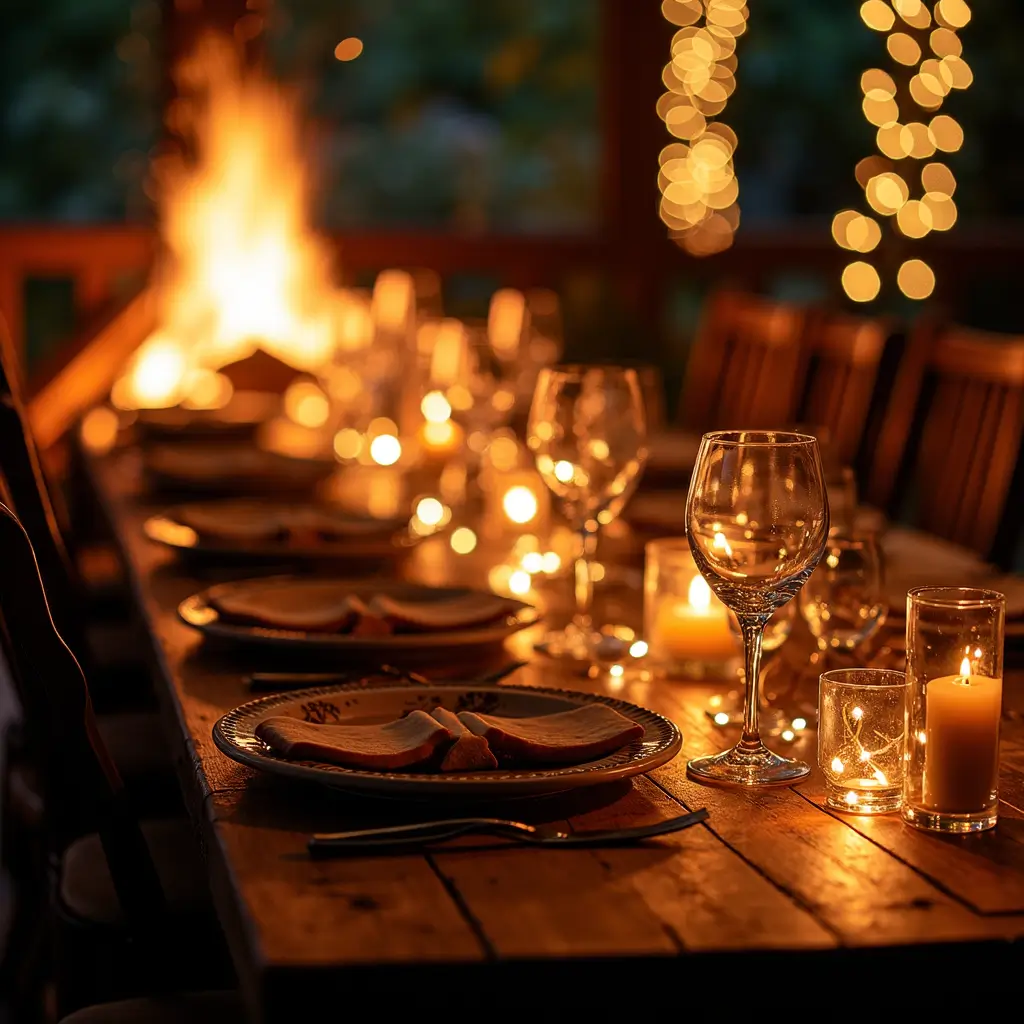
Composition Secrets
The Rule of Thirds:
- Place horizon lines on lower third for landscapes
- Position mugs/books at intersection points
Leading Lines:
- Use cabin beams to guide the eye
- Arrange rugs/deck boards as natural lines
Lighting Techniques for Cabin Trip Aesthetic: How to Plan
Master lighting to perfect the Cabin Trip Aesthetic: How to Plan your ambiance.
Natural Light
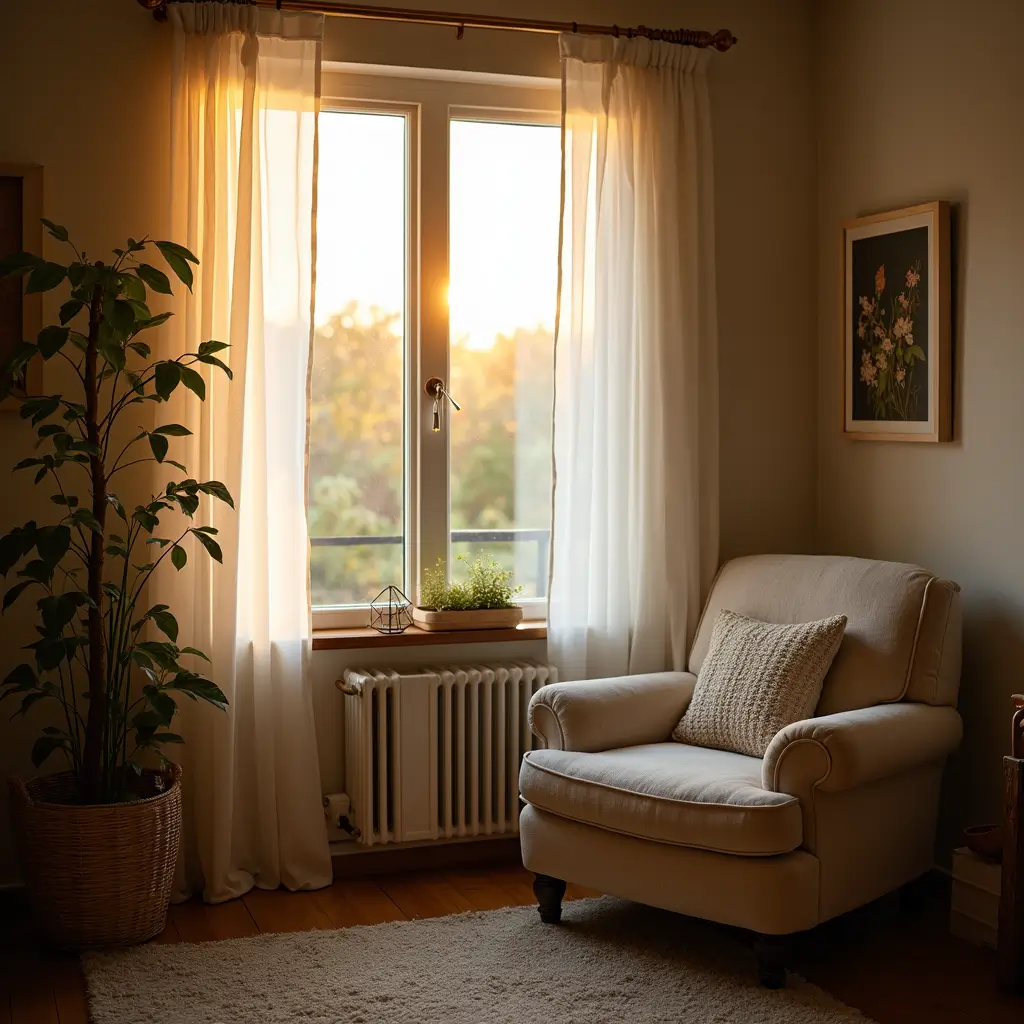
- Morning: Sheer curtains diffuse harsh east light
- Midday: Position reflective trays to bounce light
- Golden Hour: Shoot through west windows 1.5 hours before sunset
Artificial Lighting
- Layered Approach: Overhead + task + ambient sources
- Temperature: 2700K bulbs for warm, fire-like glow
- Hidden LEDs: Under beds/couches for floating effects
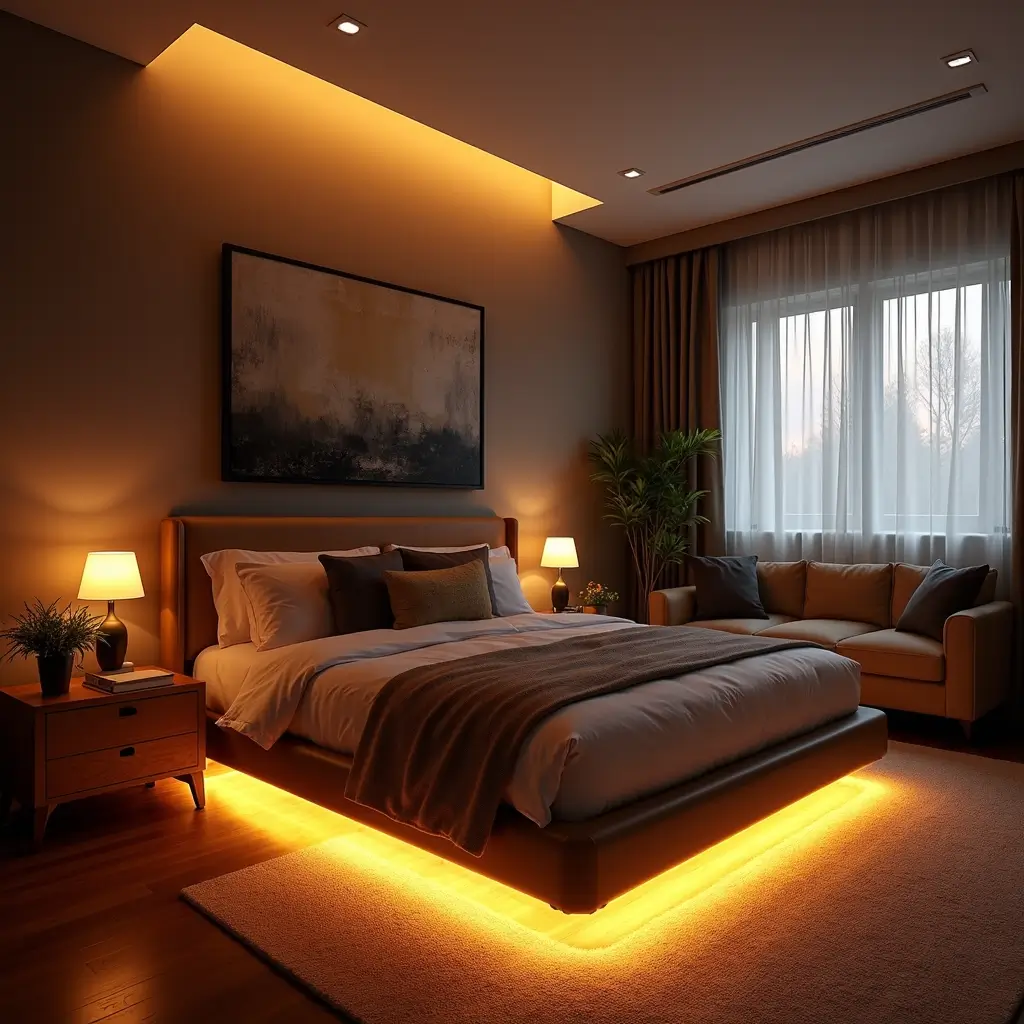
Professional Lighting Hack
Create a flickering firelight effect with a battery-operated flicker light behind logs in the fireplace, enhancing the Cabin Trip Aesthetic: How to Plan ambiance.
Creating Lasting Memories with Cabin Trip Aesthetic: How to Plan
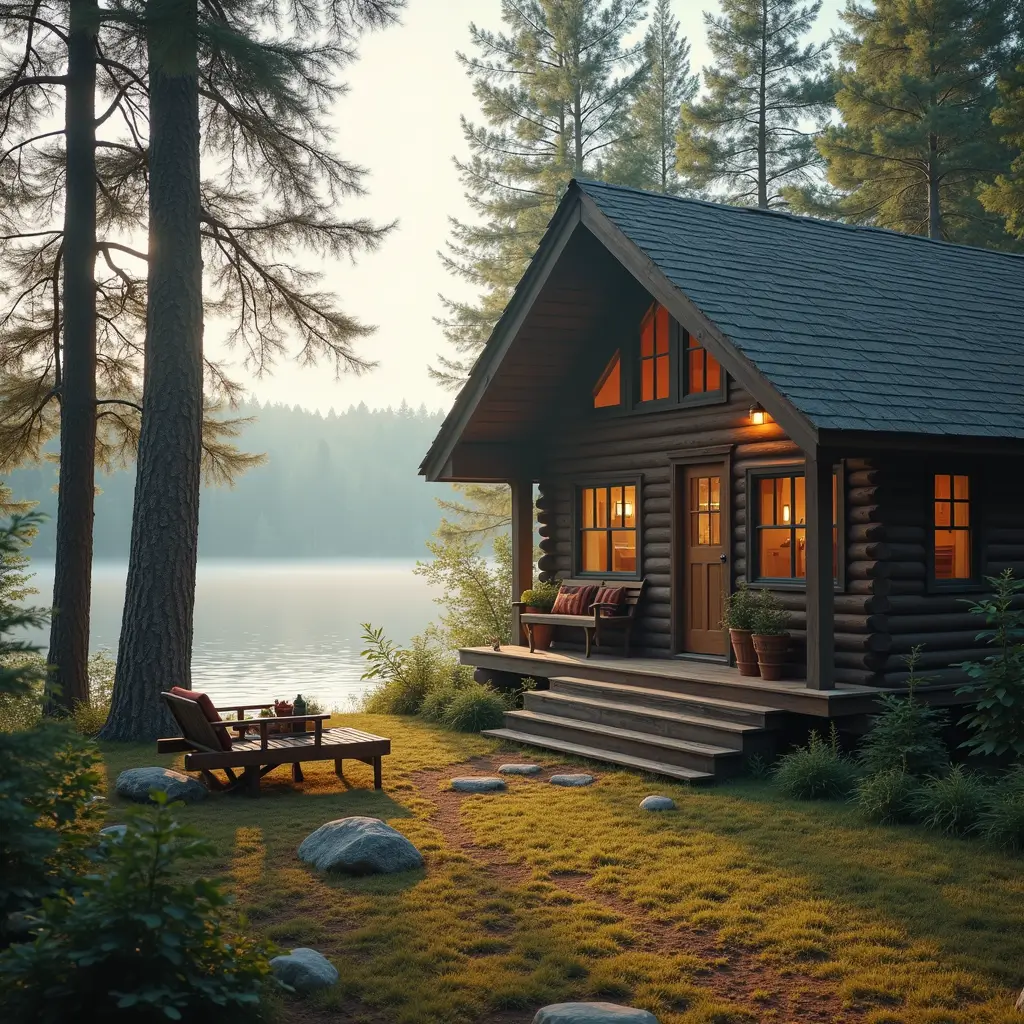
The Cabin Trip Aesthetic: How to Plan a getaway lies in slowing time and reconnecting with nature. This guide offers comprehensive advice, but the best moments often come from spontaneity—wildlife sightings, campfire laughter, or misty lake mornings. Use these tips as a foundation, then embrace the unexpected.
FAQs for Cabin Trip Aesthetic: How to Plan
How far in advance should I book for peak foliage season?
Book 9-12 months ahead for prime foliage areas like Vermont or Aspen. Cabins with great views sell out early. For last-minute plans, try midweek dates or nearby locations.
How do I make a rental cabin feel homey?
Bring a throw blanket, pillowcases, and a small rug. Spritz with a familiar scent for instant comfort, aligning with the Cabin Trip Aesthetic: How to Plan a cozy stay.
What are red flags in cabin listings?
Watch for listings with few interior photos, vague “rustic charm” descriptions, inconsistent heating/cooling reviews, or unclear water sources. Ask about cell service and pest control.
How can I protect electronics from cabin humidity?
Use silica gel packets in camera bags, store devices in airtight containers, and refrigerate them overnight in sealed bags to prevent condensation damage.
What’s the ideal cabin size for a group?
Plan for 300-400 sq ft per person. For 6 people, aim for 1,800-2,400 sq ft with enough bathrooms (1 per 3 people), seating, dining space, and outdoor areas.