13 Cabin Trip Aesthetic Essentials for a Cozy, Practical Getaway
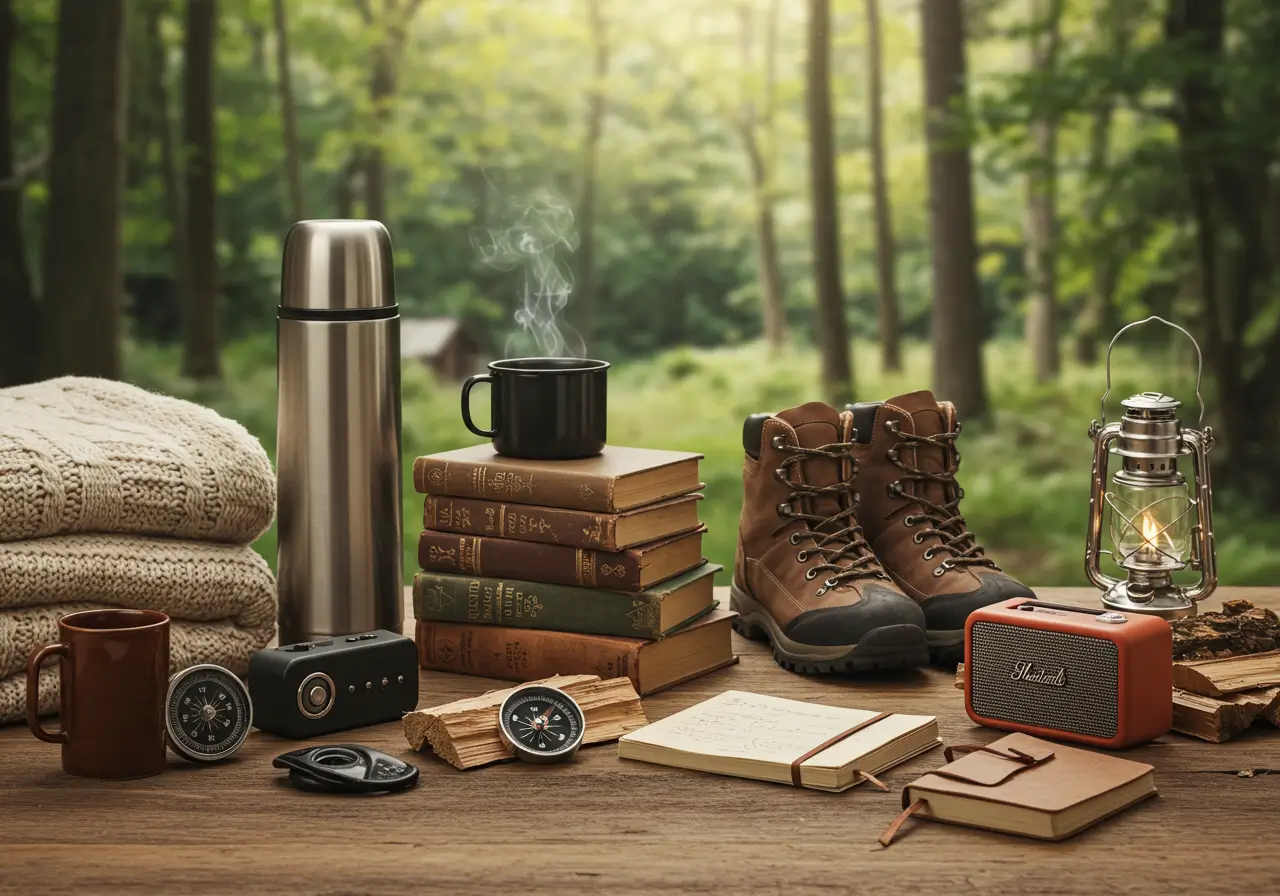
A memorable cabin trip combines rustic style with genuine comfort. Warm layers, soft lighting, simple entertainment, and a few practical outdoor essentials can make an unfamiliar rental feel inviting without filling your car with unnecessary decor.

Amazon US Verified
Ceramic Fluted Decorative Vase Set
Modern minimalist ceramic vases perfect for shelves, consoles, and dried florals.
The key is to pack items that serve more than one purpose. A blanket adds warmth and texture, a reusable bottle supports both road trips and hikes, and a cast-iron skillet can handle several meals. Before leaving, check the property listing for supplied linens, kitchen equipment, heating, drinking water, fire restrictions, Wi-Fi, and outdoor seating so you do not bring items the cabin already provides.
1. A Cozy Throw Blanket
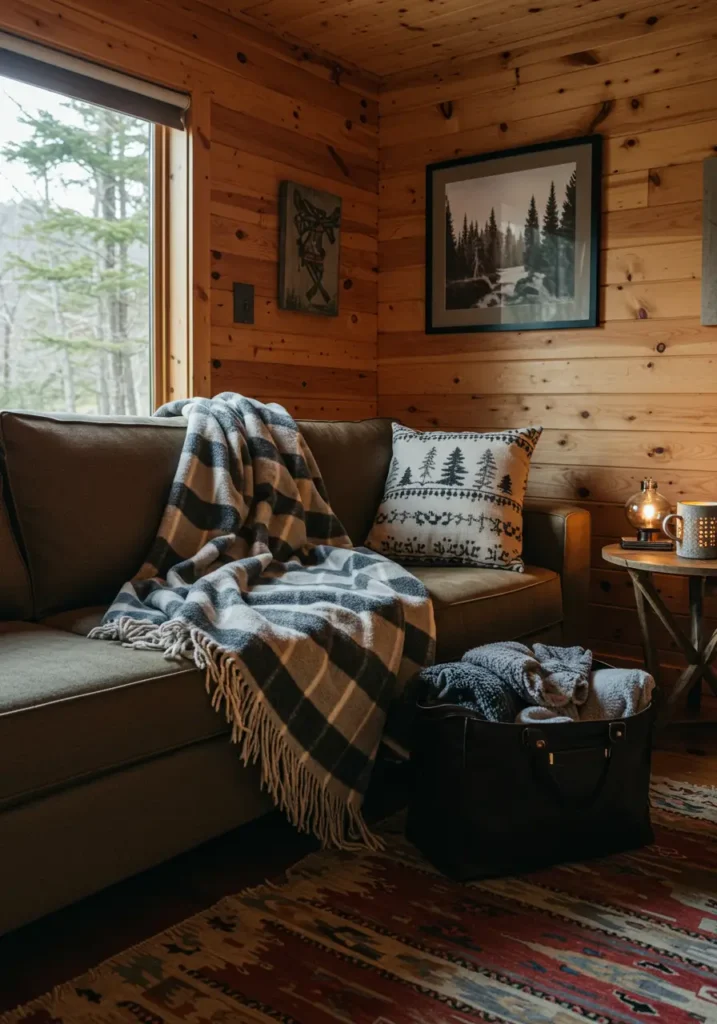
A throw blanket is one of the easiest ways to create a cozy cabin trip aesthetic. It softens a plain sofa, adds another layer to the bed, and keeps you comfortable during cool mornings on the porch.
Choose a washable blanket that is warm without taking up your entire bag. Wool and wool blends provide excellent insulation, while fleece is lightweight, affordable, and easy to clean. Cotton works well during mild weather but may not be warm enough for a winter cabin.
Plaid, forest green, warm brown, rust, cream, and muted red complement wood interiors naturally. Instead of packing several decorative blankets, bring one useful throw for each sleeping or lounging area that needs extra warmth.
2. Supportive Slippers or Cabin Shoes
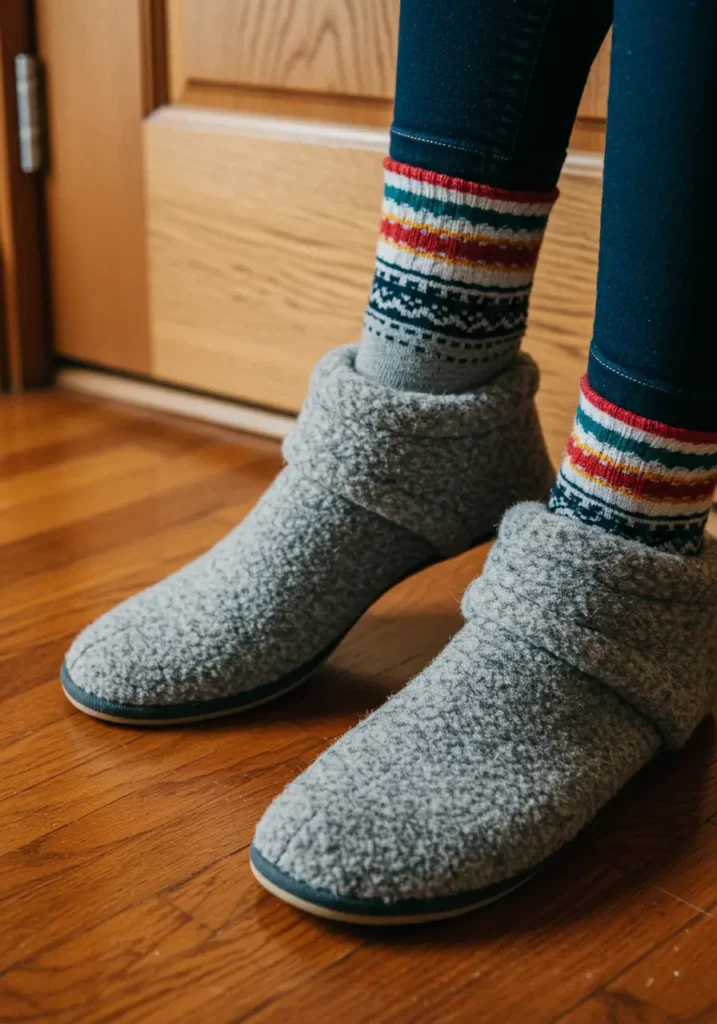
Wood, tile, and stone floors can feel surprisingly cold, especially in the morning. Slippers with a nonslip sole help keep your feet warm while providing more grip than socks alone.
Look for a pair with a durable outsole if you expect to step onto the porch or walk to an outdoor hot tub. Pack them in a washable shoe bag so dirt from the floor does not transfer to your clothes on the return journey.
Thick socks are useful too, but they should complement supportive footwear rather than replace it on smooth stairs or unfamiliar floors.
3. Warm, Battery-Powered String Lights
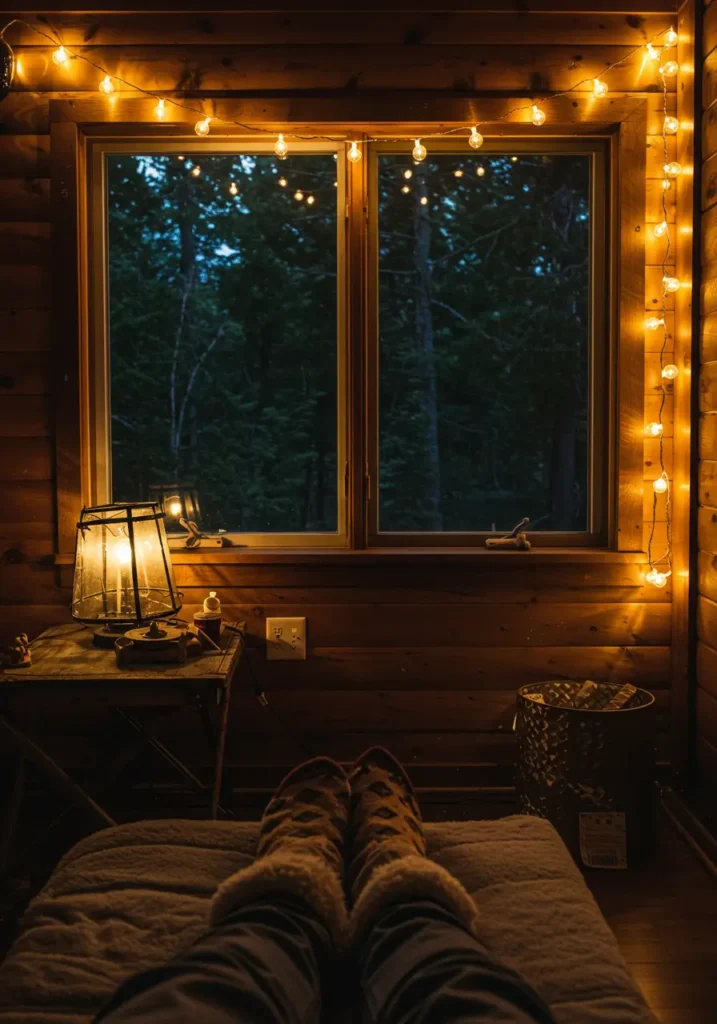
Warm-white string lights can soften a dark room and create gentle evening illumination. Battery-powered or rechargeable lights are especially convenient when outlets are limited.
Choose lights designed for the setting in which you will use them. Indoor lights should stay indoors, while outdoor areas require a product rated for exterior use. Keep cords clear of doors, fireplaces, heaters, and walking paths.
Always read the rental rules before attaching anything to walls or furniture. Removable hooks may still damage some finishes, so draping lights over an existing curtain rod or placing them inside a glass container may be more appropriate. Switch them off before sleeping or leaving the cabin.
4. Flameless Candles for Safe Ambience
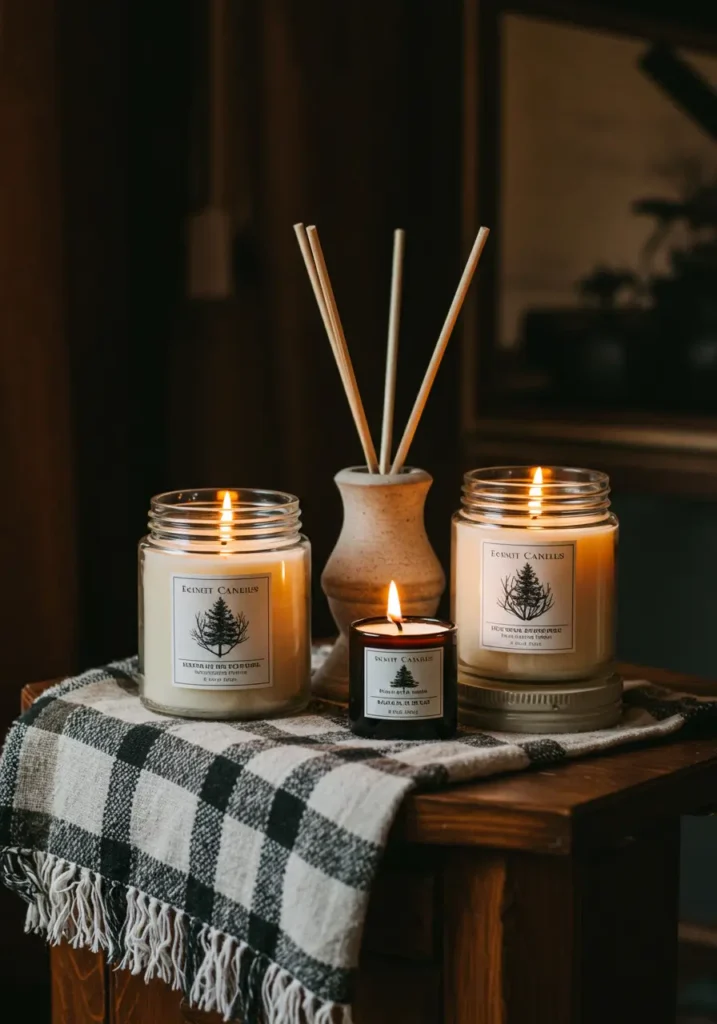
Candlelight suits a rustic setting, but many vacation rentals prohibit open flames. Battery-operated flameless candles provide a similar glow without smoke, dripping wax, or an exposed flame.
The U.S. Fire Administration recommends considering flameless candles. If the property permits traditional candles, place them in stable holders, keep them at least 12 inches from anything that can burn, and extinguish them whenever you leave the room or go to bed.
Fragrance-free options are considerate when traveling with people who are sensitive to strong scents. If you prefer fragrance, use one mild scent rather than combining several competing aromas.
5. A Compact Portable Speaker
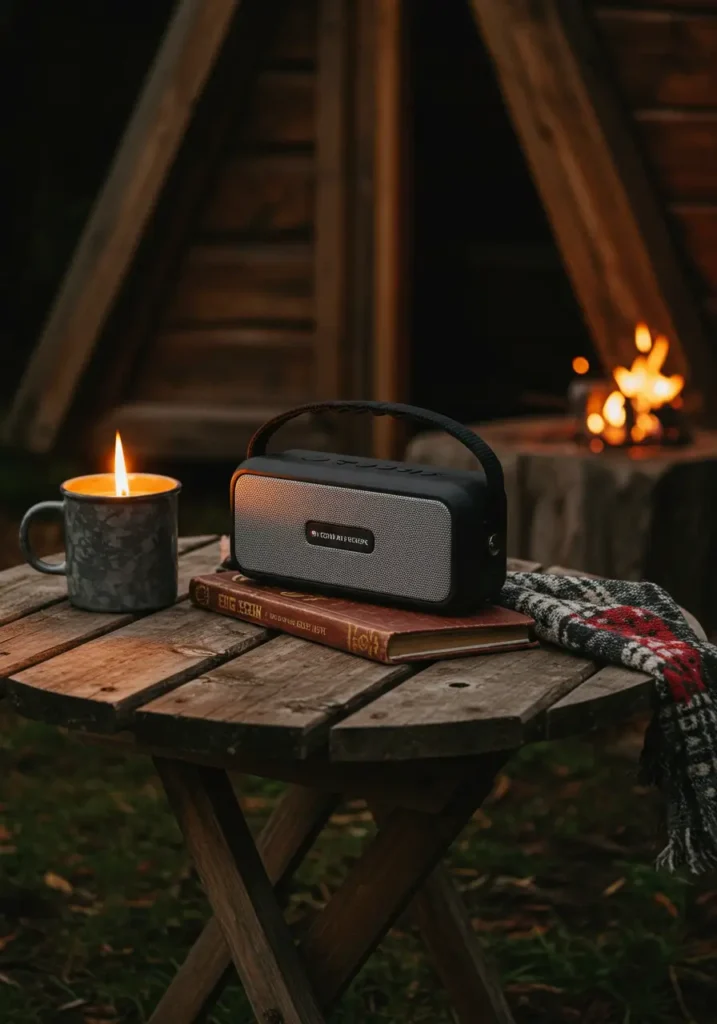
A small speaker can provide background music for cooking, games, or a quiet evening by the fire. Download playlists, podcasts, or audiobooks before traveling because rural cabins may have slow or unreliable internet service.
Choose a rechargeable model with enough battery life for the length of your stay. A water-resistant speaker is useful around porches, lakes, and hot tubs, although water resistance does not necessarily mean the device can be submerged.
Keep the volume moderate, particularly outdoors. Sound travels easily across lakes and quiet wooded areas, and neighboring guests may have chosen the location for its peace.
6. Cards and Easy-to-Learn Board Games
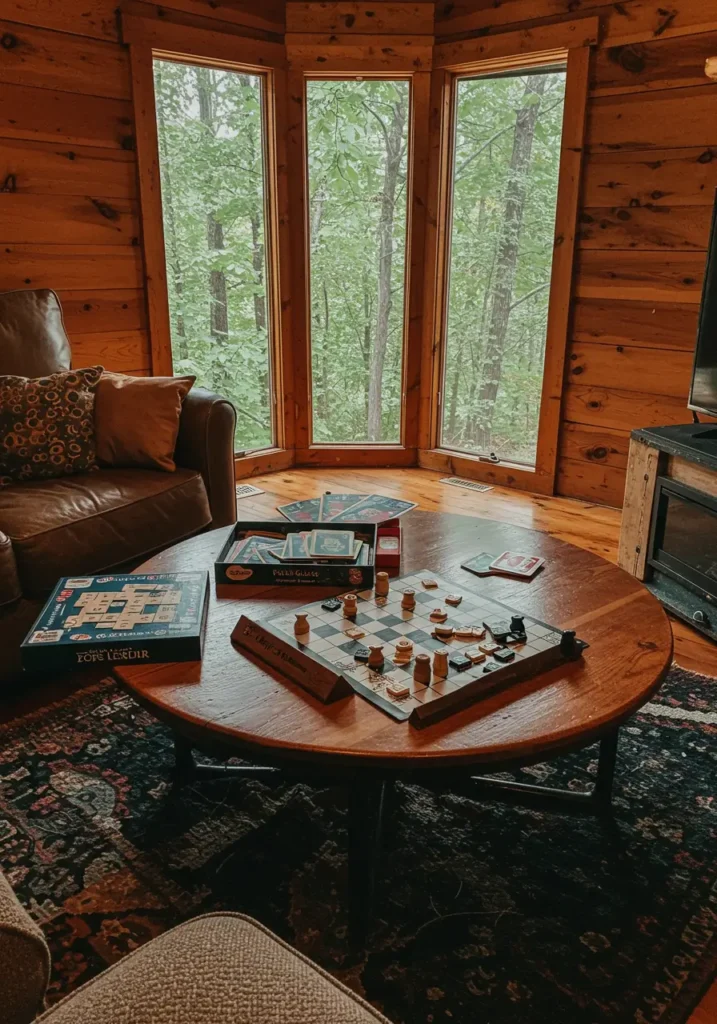
Games turn bad weather or a screen-free evening into part of the experience. Pack one quick game, one longer group activity, and a deck of cards rather than carrying a large collection.
| Type of game | Best for | Packing advantage |
|---|---|---|
| Playing cards | Two people or groups | Fits in a pocket |
| Word game | Relaxed evenings | Encourages conversation |
| Strategy game | Long indoor sessions | Good for rainy days |
| Fast family game | Mixed ages | Simple rules and short rounds |
Confirm that every piece is in the box before packing, and choose games that suit the ages and interests of your group.
7. A Versatile Flannel Shirt
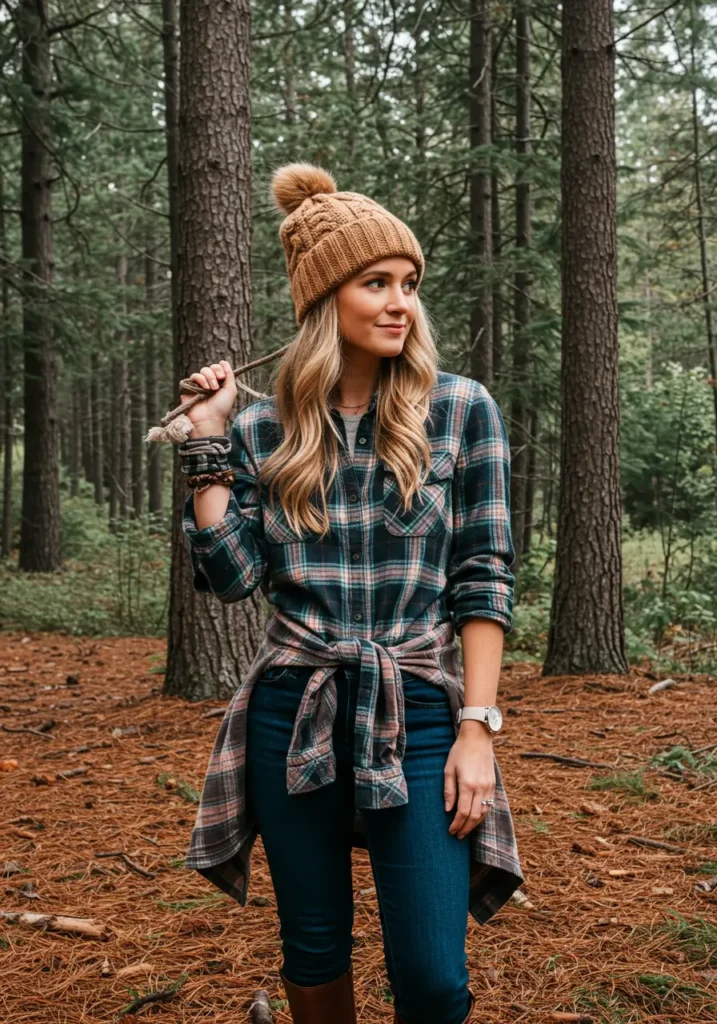
A flannel shirt fits the cabin look, but its greater value is versatility. Wear it over a T-shirt during a cool morning, under a jacket after sunset, or around your waist when the temperature rises.
Check the destination’s forecast rather than assuming every cabin area will be cold. Mountain weather can change quickly, while lakeside locations may be humid or rainy. A practical layering system usually includes a moisture-managing base layer, a warm middle layer, and a rain-resistant outer shell.
Pack clothing that can be reworn and combined easily. Coordinated earthy shades create a cohesive look in photos without requiring separate outfits for every day.
8. A Journal and Reliable Pen
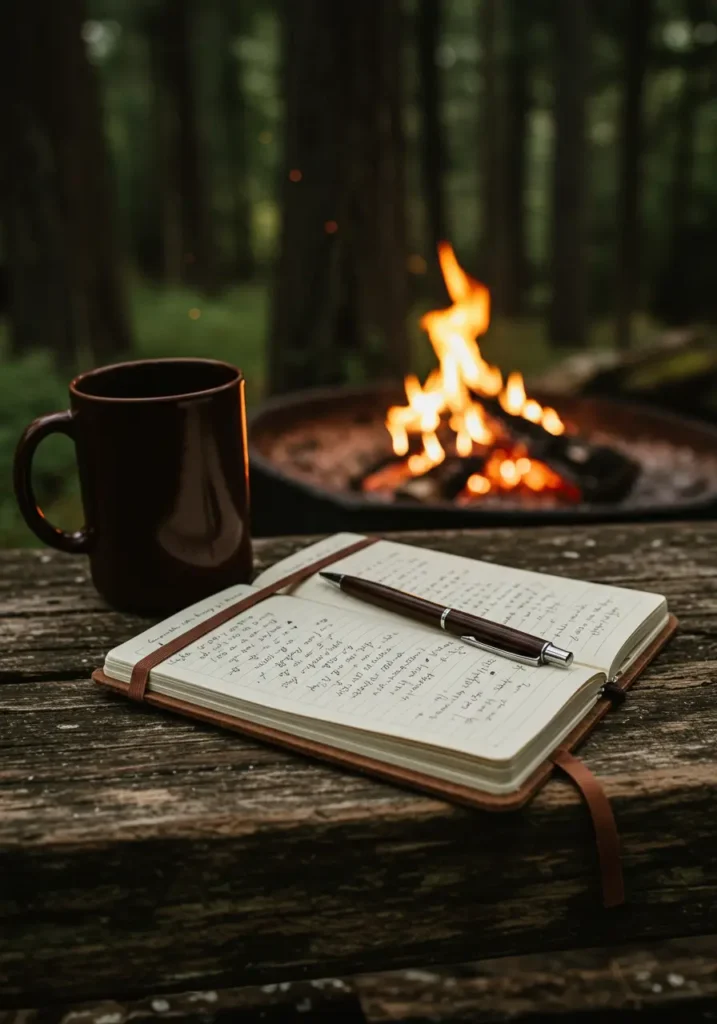
A journal provides a quiet way to record trail names, wildlife sightings, recipes, conversations, and favorite moments. It can also become a shared guest book in which each traveler contributes a short entry.
You do not need an elaborate leather-bound notebook. A compact journal with a sturdy cover is easier to carry on hikes and less precious if it gets scratched. Store it in a resealable bag when rain, snow, or lakeside humidity is expected.
Useful prompts include “the best moment today,” “something new I noticed,” and “a place I want to revisit.” These specific details often preserve a trip more vividly than a general summary.
9. An Insulated Reusable Water Bottle
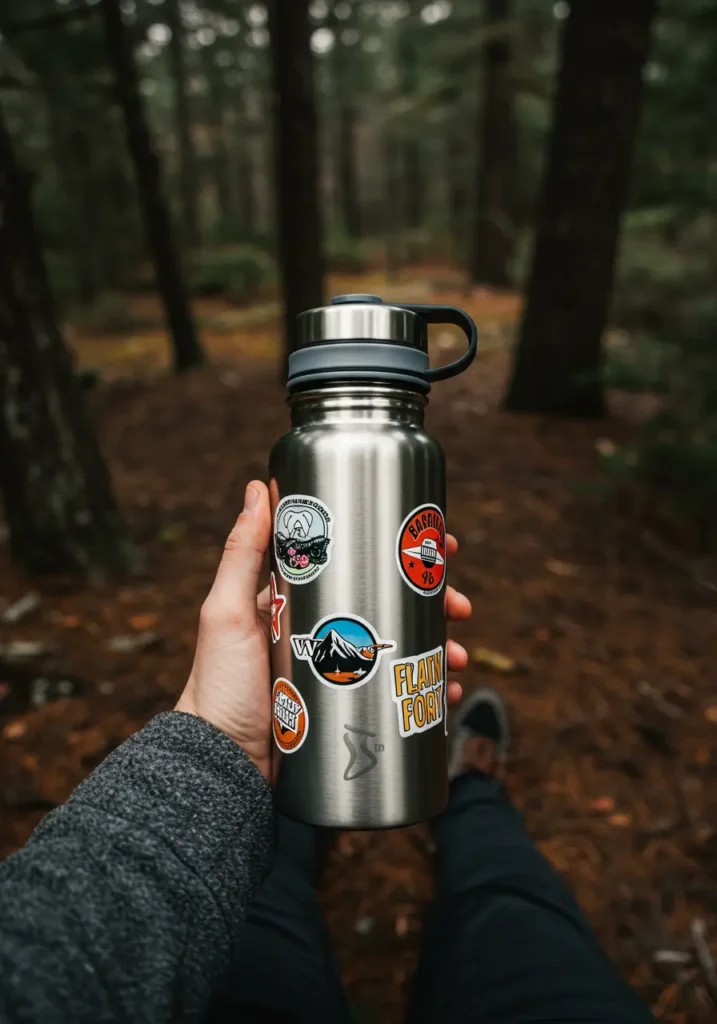
An insulated bottle is useful in the car, around the cabin, and on outdoor excursions. A wide opening makes it easier to add ice and clean the bottle, while a secure lid reduces leaks inside a backpack.
Ask the host about the property’s water source before arrival. A mineral taste or hard-water deposits do not automatically mean water is unsafe, and filling a reusable bottle does not purify questionable water. The CDC explains that private wells require proper testing and maintenance. If the host cannot confirm that the water is suitable for drinking, follow local advisories and bring an appropriate supply from a verified source.
10. A Cast-Iron Skillet—When the Kitchen Needs One
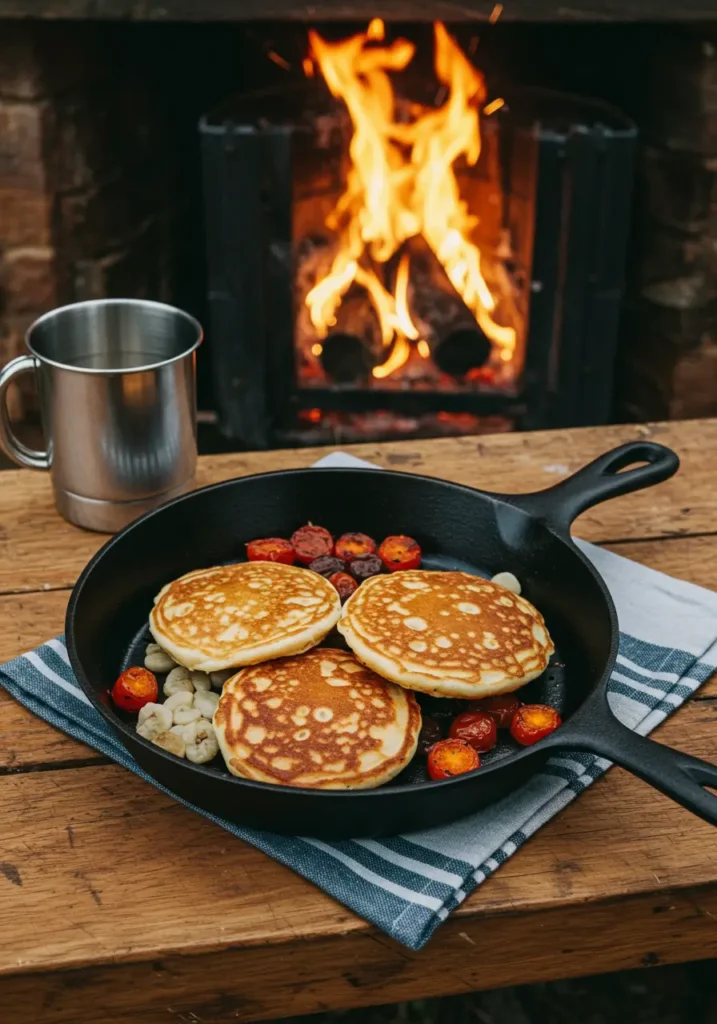
A cast-iron skillet can cook pancakes, eggs, vegetables, cornbread, and one-pan dinners. However, it is heavy, so ask whether the cabin already supplies one before packing your own.
Confirm which cooking surfaces are available. Not every skillet is appropriate for every glass cooktop, grill, or open fire, and using cookware over a campfire may be prohibited during a burn ban. Never assume that an indoor fireplace is designed for cooking.
Bring a heat-resistant mitt, a suitable utensil, and the ingredients for one or two flexible meals. A simple meal plan reduces waste and prevents the cabin kitchen from becoming cluttered with specialty groceries.
11. A Foldable Camping Chair
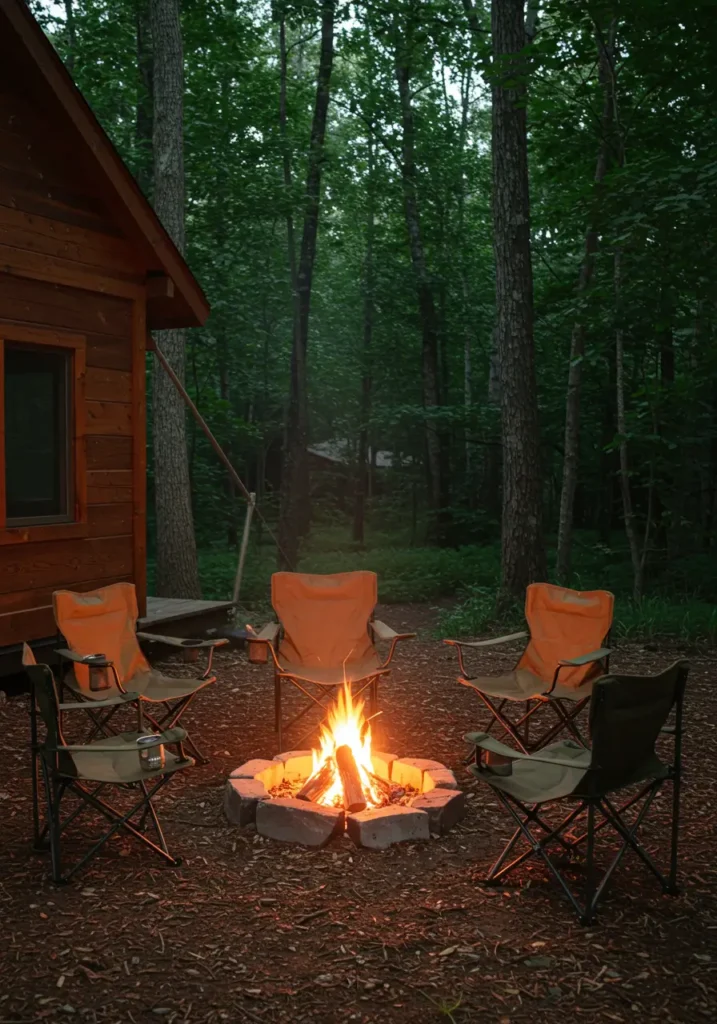
A portable chair provides a dependable place to sit beside an approved fire ring, near the water, or at a scenic viewpoint. Look for a stable frame, an appropriate weight rating, and a carrying strap.
Amazon US Verified
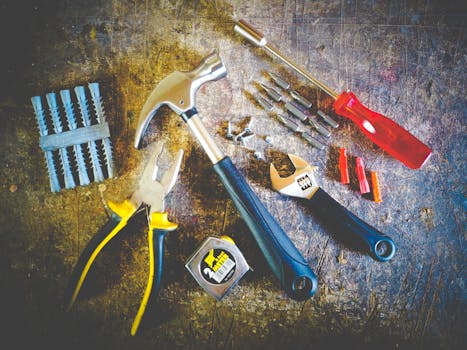
Hang-O-Matic All-in-One Picture Hanging Tool
Tape measure, sliding level, and markers in one tool for flawless gallery walls.
Set the chair on firm, level ground and keep it a safe distance from flames. Do not place it on fragile vegetation or block paths and steps. Before going home, brush soil, seeds, and plant material from the chair, boots, and other outdoor equipment. Cleaning gear helps reduce the accidental movement of invasive pests.
12. Lightweight, Removable Decor
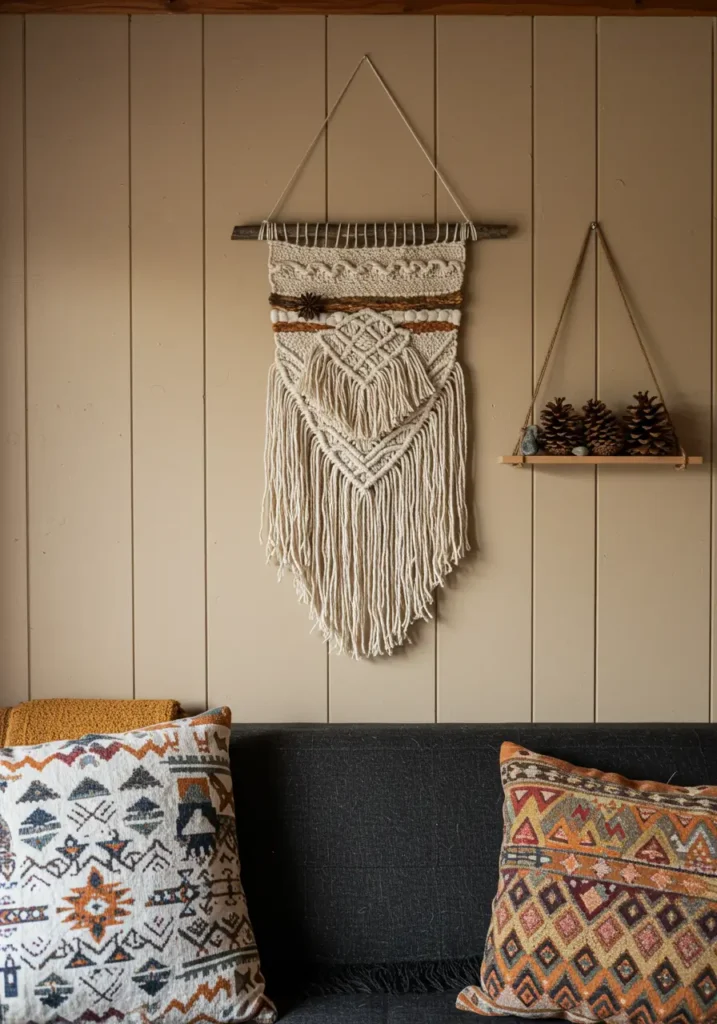
A small woven hanging can add texture to a plain room, but personal decor should be optional rather than a major part of your luggage. First consider whether a folded blanket, a basket for games, or a vase already provided by the host can create the atmosphere you want.
Amazon US Verified
Peel and Stick Textured Linen Wallpaper
Removable neutral wall covering providing architectural warmth and tactile depth.
Never use nails, screws, tape, or adhesives without the owner’s permission. Avoid bringing branches, stones, pinecones, flowers, or other natural objects indoors from protected land. Taking natural materials may violate local rules and can disturb the environment.
If you want a decorative focal point, arrange your journal, blanket, and flameless candle neatly on an existing table. It creates a warm scene using items you already need.
13. A Quick-Dry Towel
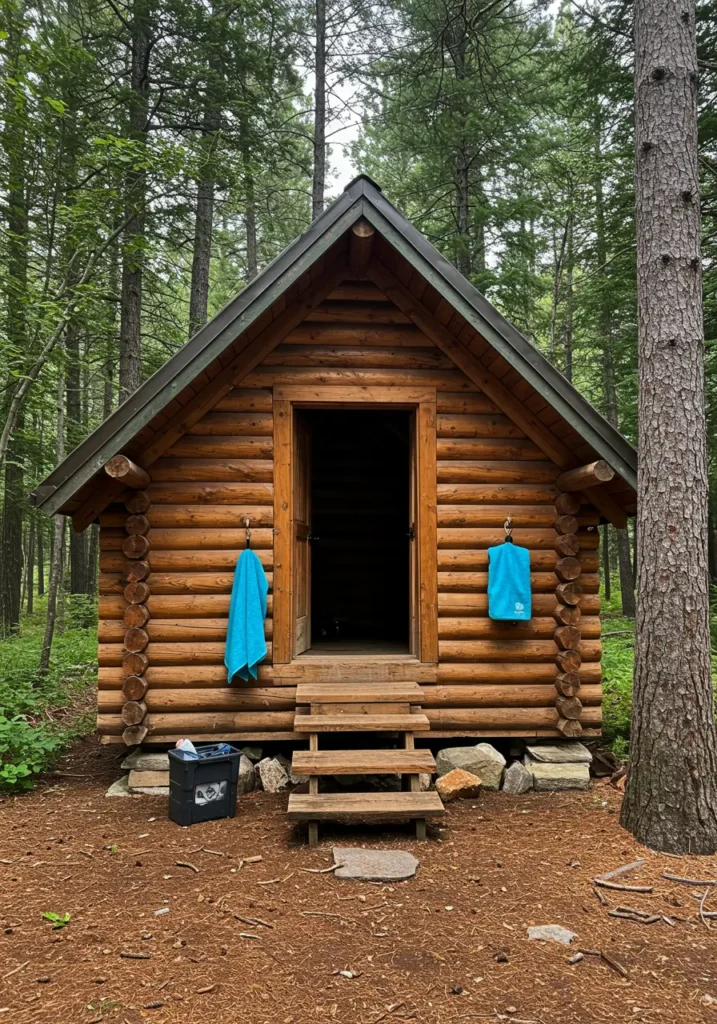
A quick-dry towel is helpful after swimming, hiking in the rain, using a hot tub, or cleaning an unexpected spill. It packs smaller than a standard bath towel and usually dries faster in a limited space.
Assign a different color to each traveler and hang towels with enough space for air to circulate. Do not leave wet towels on wood furniture, bedding, or floors. Confirm whether the rental provides bath towels and whether those towels may be taken outdoors.
How to Keep a Cabin Comfortable, Clean, and Safe
Inspect the property shortly after arrival. Make sure doors and windows close securely, locate smoke and carbon-monoxide alarms, review fireplace or stove instructions, and note the address in case you need emergency assistance. Contact the host promptly about leaks, visible mold, damaged heating equipment, pest activity, or unsafe conditions instead of attempting a major repair yourself.
Manage Moisture Properly
Use bathroom and kitchen exhaust fans when available, hang wet clothing and towels to dry, and wipe up spills promptly. The EPA recommends keeping indoor relative humidity below 60%, ideally between 30% and 50%, to help control moisture and mold.
If you find significant visible mold or a persistent musty odor, document it and notify the owner or property manager. Guests should not conceal mold, paint over it, or perform extensive remediation in a rental.
Store Food With Wildlife in Mind
Keep food, trash, pet food, and scented products secured according to the property’s local wildlife instructions. Wash dishes after eating, close doors and windows when the cabin is unattended, and never feed animals. The National Park Service provides specific food-storage guidance for cabins in bear country, but local park and host rules should always take priority.
Use Local or Heat-Treated Firewood
Do not transport untreated firewood from home. Invasive insects and plant diseases can travel inside wood even when it appears clean. The USDA recommends buying firewood where you will burn it or choosing certified heat-treated wood when movement is necessary. Check local burn bans and property rules before lighting any fire.
A Simple Cabin Packing Checklist
- Reservation information, directions, and host contact details
- Weather-appropriate layers, rain protection, and sturdy footwear
- Prescription medicines and a basic first-aid kit
- Food plan, sealed containers, and any required drinking water
- Phone chargers, power bank, flashlight, and spare batteries
- Throw blanket, slippers, and quick-dry towel if not supplied
- Reusable bottle and daypack for outdoor activities
- Games, journal, speaker, and downloaded entertainment
- Flameless lighting and only rental-approved removable decor
- Local maps and offline directions for areas with weak reception
For more ideas about organizing the complete getaway, read Cabin Trip Aesthetic: How to Plan the Perfect Cozy Escape.
Creating the Right Cabin Atmosphere
A good cabin trip aesthetic is not about transporting an entire styled room into the woods. It comes from a few thoughtful choices: warm light, comfortable layers, organized belongings, simple meals, and enough unplugged entertainment to enjoy slower hours.
Start with safety and the cabin’s actual amenities, then add the items that fit your group, destination, and season. When everything you pack has a practical purpose, the space feels more comfortable and the trip remains easier to manage from arrival to checkout.
As an Amazon Associate, azuloz.com earns from qualifying purchases.