Wide Shoes for Women: How to Find a Comfortable, Stylish Fit
The best wide shoes for women provide enough room across the forefoot without slipping at the heel, squeezing the toes, or forcing you to buy unnecessary extra length. A good fit should feel comfortable immediately, support your intended activity, and follow the natural shape of your foot.
Wide-width footwear is now available in running shoes, walking sneakers, work pumps, loafers, sandals, and boots. However, the word “wide” is only a starting point. Width labels, toe-box shapes, materials, and overall shoe volume vary between brands and models.
This article contains Amazon affiliate links. Azuloz may earn a commission from qualifying purchases at no additional cost to you.
How to Tell If You Need Wide Shoes
Your feet do not need to look unusually wide for standard shoes to feel restrictive. You may have a broad forefoot, high instep, swelling, bunions, hammertoes, or simply a foot shape that does not match a particular shoe.
Common signs that you should try a wider width include:
- Pinching or pressure along either side of the forefoot
- Toes that overlap, feel compressed, or cannot move comfortably
- Red marks, blisters, corns, or calluses after wearing shoes
- The sides of your feet extending over the edges of the sole
- Numbness or tingling while wearing a particular pair
- An upper that stretches or bulges noticeably at the sides
- Buying longer shoes solely to obtain more width
Persistent pain, numbness, or swelling should not be treated only as a sizing inconvenience. A podiatrist or another qualified healthcare professional can check for an underlying condition and recommend suitable footwear.
Understanding Women’s Shoe Widths
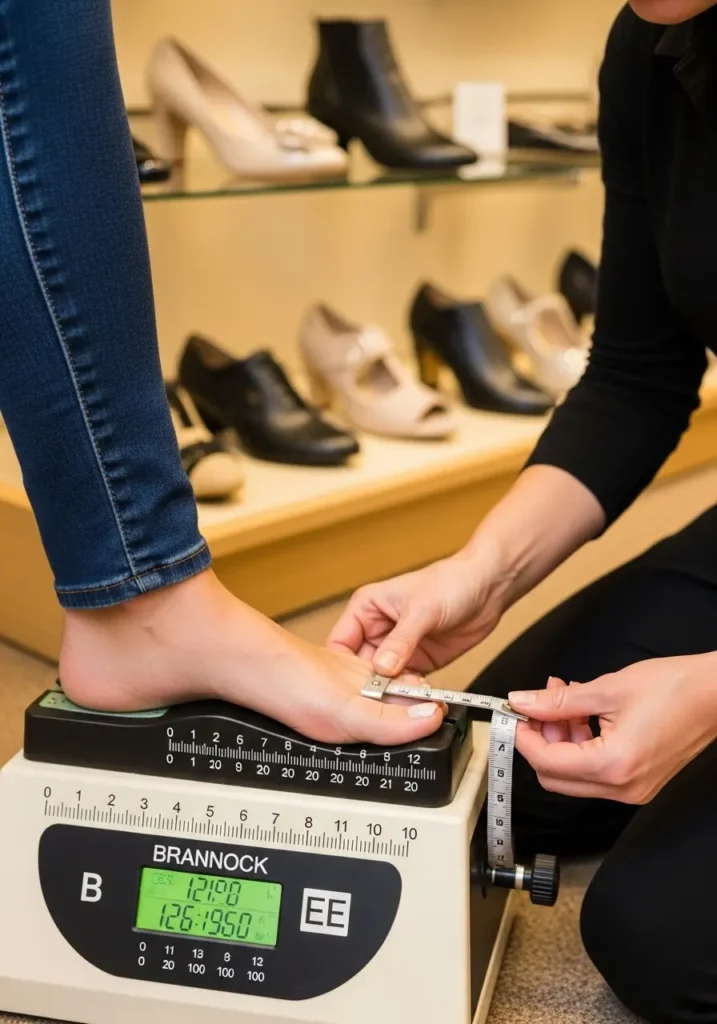
In many US women’s footwear systems, B represents a standard or medium width, D is wide, and 2E is extra wide. Narrow shoes are frequently marked 2A. Some manufacturers use W, WW, or XW instead, while international sizing systems may follow different conventions.
| Common label | Typical meaning | Who might consider it |
|---|---|---|
| 2A or N | Narrow | Feet that slide inside standard-width shoes |
| B or M | Medium or standard | Feet that fit without side pressure |
| D or W | Wide | Broad forefeet or feet compressed by medium widths |
| 2E, WW, or XW | Extra wide | Very broad or higher-volume feet |
| 4E or wider | Extended extra wide | Available from selected specialist and athletic brands |
Width labels are not perfectly standardized. Compare your measurements with the size chart for the exact model rather than assuming every D or W fits identically.
Width Is Not the Same as Toe-Box Shape
A shoe can be labeled wide yet still taper sharply at the toes. Conversely, a medium-width shoe with a rounded toe box may feel spacious in front but remain too tight across the ball of the foot.
Consider four separate dimensions:
- Forefoot width: The room across the ball of your foot
- Toe-box shape: Whether the front follows the outline of your toes
- Depth: The vertical space available for your toes and instep
- Heel fit: How securely the rear of the shoe holds your heel
How to Measure Your Feet Correctly
Foot size and shape can change with age, pregnancy, weight fluctuations, health conditions, and normal daily swelling. Measure both feet periodically rather than relying indefinitely on an old shoe size.

Measure Later in the Day
Feet can become larger after hours of standing and walking. Trying shoes during the afternoon or evening helps you judge how they may feel after extended wear.
Measure Both Feet
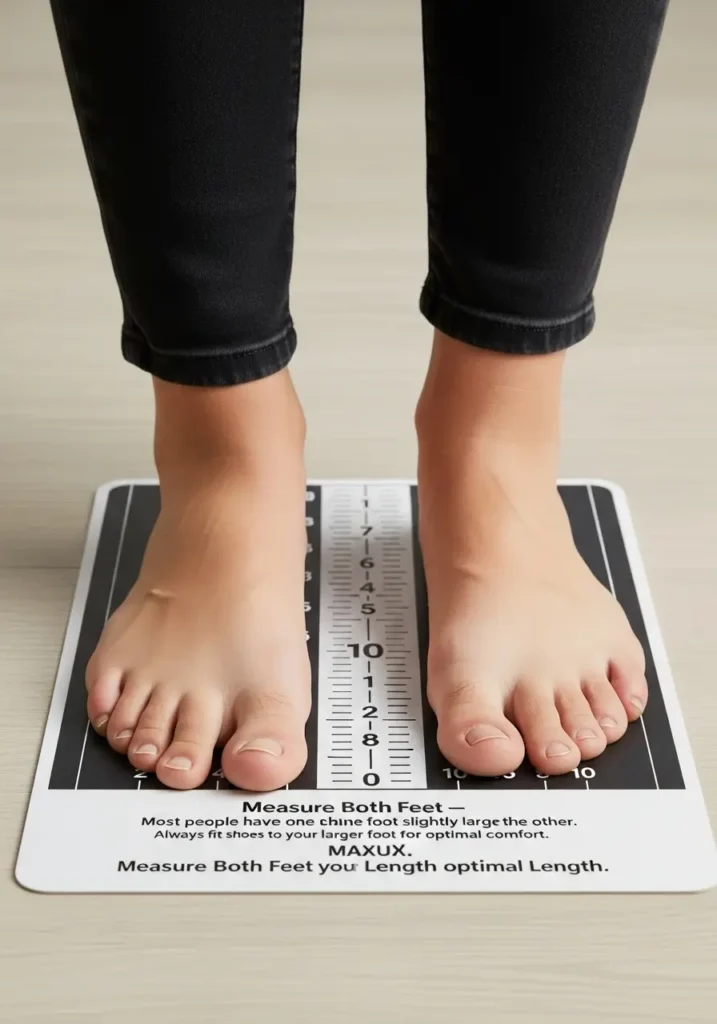
One foot is often slightly larger than the other. Measure the length and width of both, then select a size that accommodates the larger foot. Wear the socks or hosiery you intend to use with the shoes while measuring and trying them on.
How a Properly Fitting Wide Shoe Should Feel

A new shoe should feel secure and comfortable without requiring a painful break-in period. Stand, walk, turn, and, when appropriate, climb a few steps before deciding.
- The ball of your foot should sit in the widest part of the shoe.
- Your toes should move without rubbing against the upper or one another.
- The shoe should not compress a bunion or another prominent area.
- Your heel should remain reasonably secure while walking.
- Your foot should not slide forward when you stop.
- No seam, strap, or decorative element should create a pressure point.
- The shoe should bend where your foot naturally bends.
Soft leather and some textiles may relax slightly, but stretching cannot correct the wrong length, unsuitable toe-box shape, or poor heel placement.
Wide Shoes for Different Activities
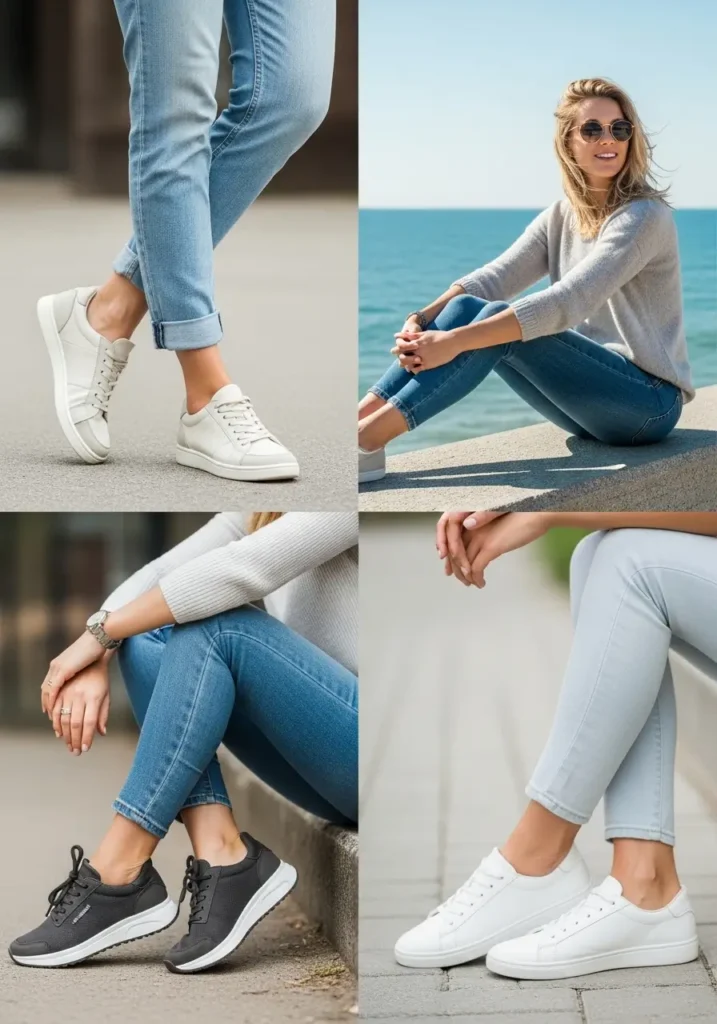
The right width is essential, but it is not the only consideration. Cushioning, stability, flexibility, grip, heel height, and upper construction should match how you intend to use the shoe.
Walking and Cross-Training Shoes
Walking shoes should provide sufficient forefoot room, a secure heel, suitable cushioning, and an upper that does not press on sensitive areas. Adjustable lacing and removable insoles can be useful for higher-volume feet or compatible orthotics.
New Balance Women’s 608 V5 Casual Comfort Cross Trainer
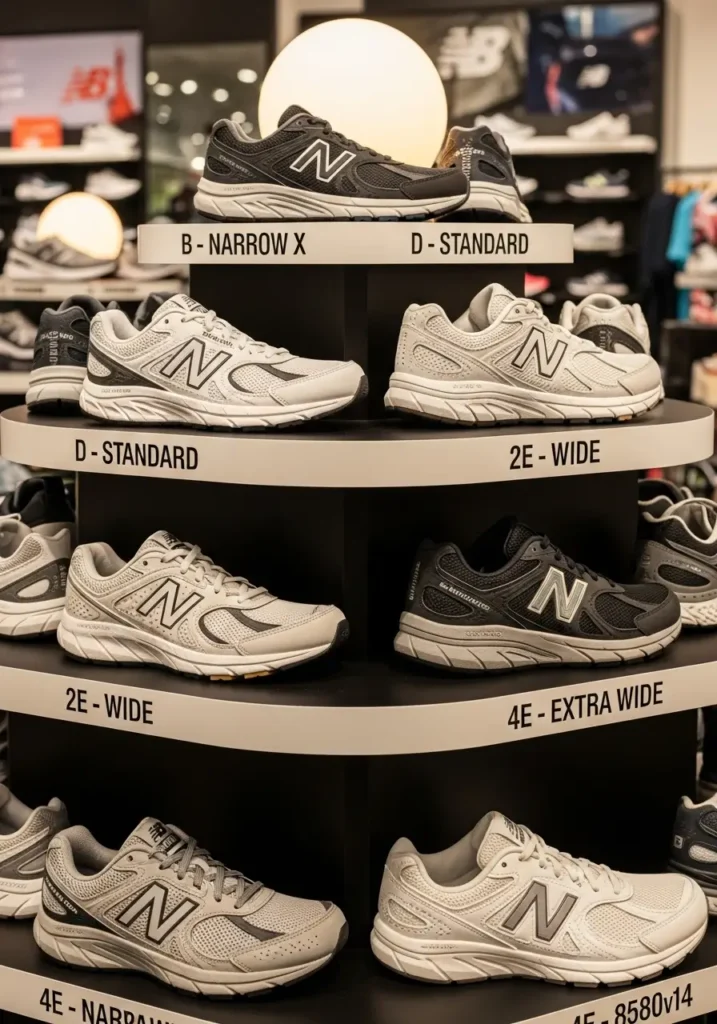
The New Balance Women’s 608 V5 Casual Comfort Cross Trainer is a practical option for walking, casual wear, and gym-based cross-training. It is offered in multiple widths in selected colors and sizes, making it easier to compare standard and wide fits within the same model.
Its leather upper provides more structure than a lightweight mesh running shoe, while the lace-up design allows you to adjust the fit through the midfoot. Because stock differs by color and size, you can also check additional New Balance 608 V5 size and color options on Amazon.
Best suited to: Everyday walking, errands, standing, light workouts, and people who prefer a structured athletic shoe.
Running Shoes
Running shoes should accommodate the foot as it expands during movement. Look for activity-appropriate cushioning, a secure heel, sufficient toe room, and a stable platform that feels natural with your stride.
Brooks Women’s Ghost 17 Neutral Running Shoe
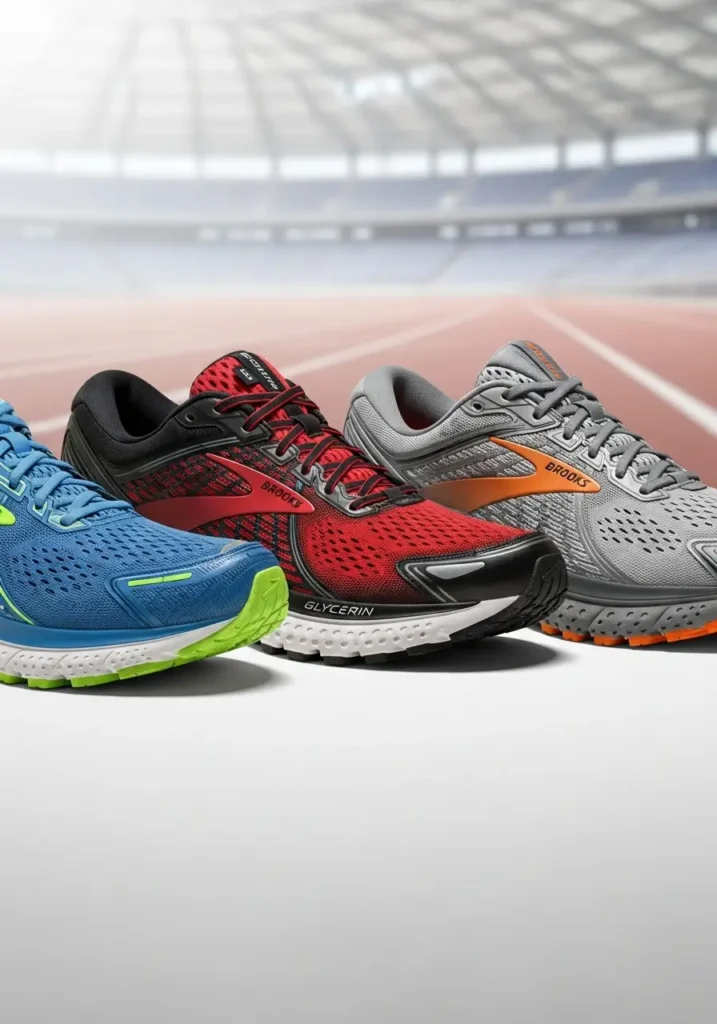
The Brooks Women’s Ghost 17 Neutral Running Shoe is designed for neutral runners seeking a cushioned road-running shoe. Selected sizes are offered in wide and extra-wide versions, but availability can vary by color.
The Ghost 17 may also work for walking or long periods on your feet, provided its shape matches your foot and its cushioning feels appropriate. A neutral designation describes the shoe’s support category; it does not mean the model is suitable for every gait, injury, or medical condition.
Best suited to: Road running, fitness walking, treadmill sessions, and everyday athletic use.
Ryka Women’s Devotion Plus 3 Walking Shoe
The Ryka Women’s Devotion Plus 3 Walking Shoe is intended primarily for fitness walking. Ryka designs women’s footwear with a relatively roomy forefoot and a narrower heel profile, and wide versions are available in selected sizes.
Its mesh construction can feel lighter and more flexible than a leather cross-trainer. However, the best choice between the Ryka Devotion Plus 3 and New Balance 608 V5 depends on whether you prefer breathable flexibility or a more structured upper.
Best suited to: Fitness walking, travel, errands, and casual daily activity.
Professional Shoes for Wide Feet
Office shoes should look polished without concentrating pressure on the toes or ball of the foot. Rounded, almond-shaped, or softly squared toe boxes generally offer more usable space than sharply pointed designs.
Pumps and Slingbacks
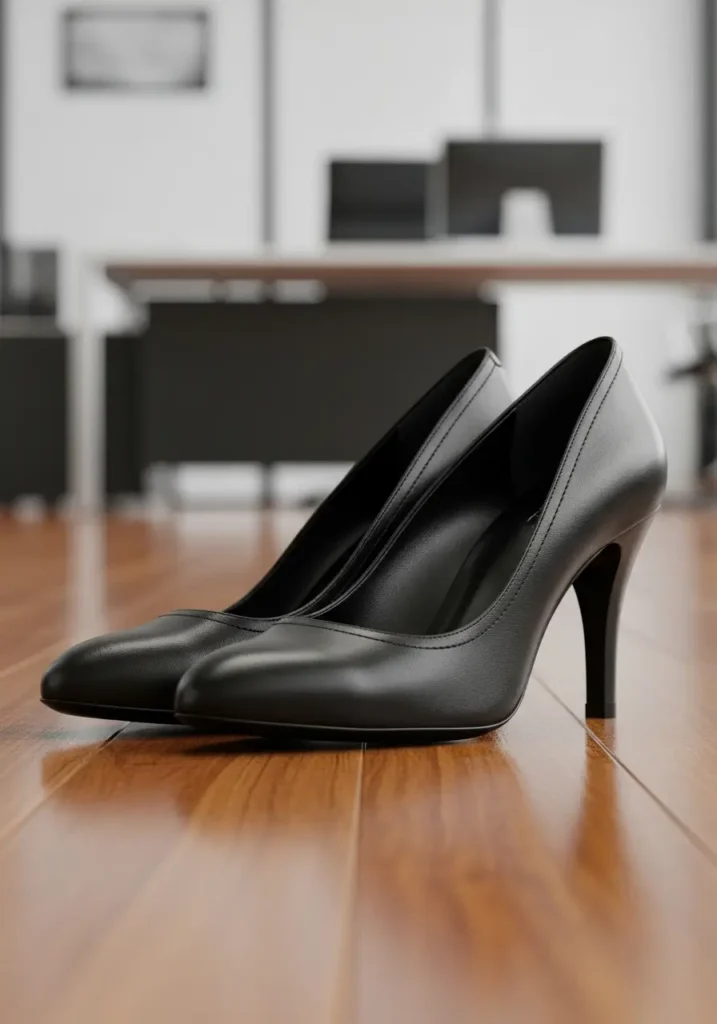
Choose a heel height you can walk in comfortably and a toe box that matches your foot. An adjustable slingback can help secure the heel, but the strap should not dig into the skin or slip repeatedly.
Naturalizer Women’s Banks Slingback Pump
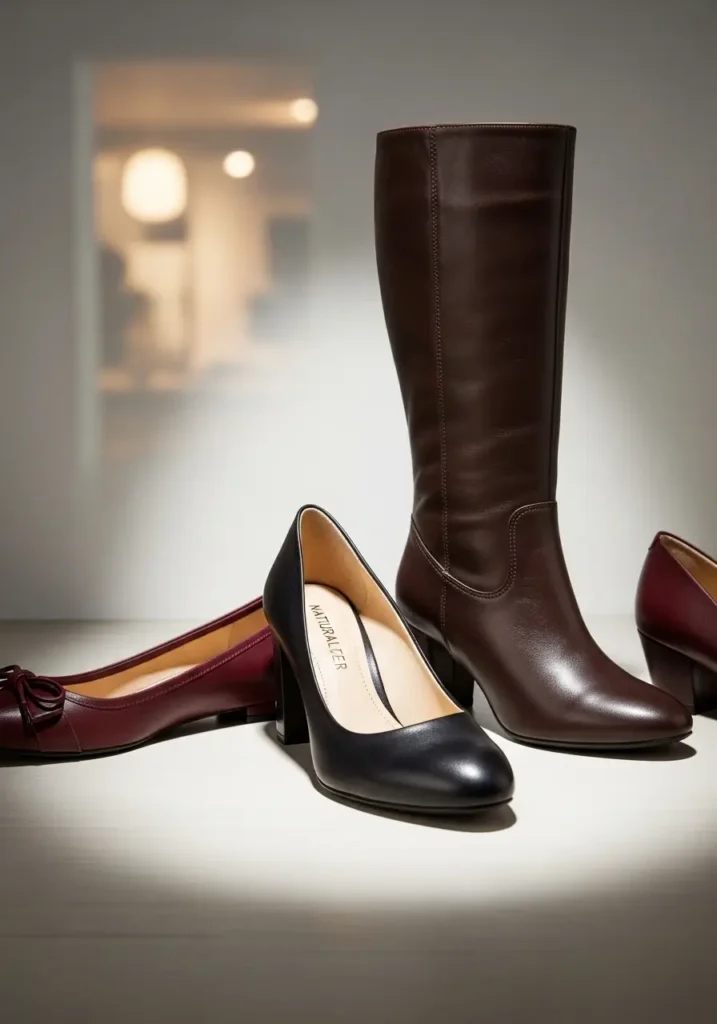
The Naturalizer Women’s Banks Slingback Pump offers a polished silhouette for work, dinners, weddings, and other dressier occasions. Selected versions are available in wide widths.
The slingback design gives the heel more flexibility than a fully enclosed pump, while the pointed front creates a refined appearance. Because pointed shoes can reduce usable toe space, confirm that the ball of your foot sits correctly in the shoe and that your toes are not compressed.
Best suited to: Office outfits, business events, weddings, dinners, and occasions requiring a dress shoe.
Flats
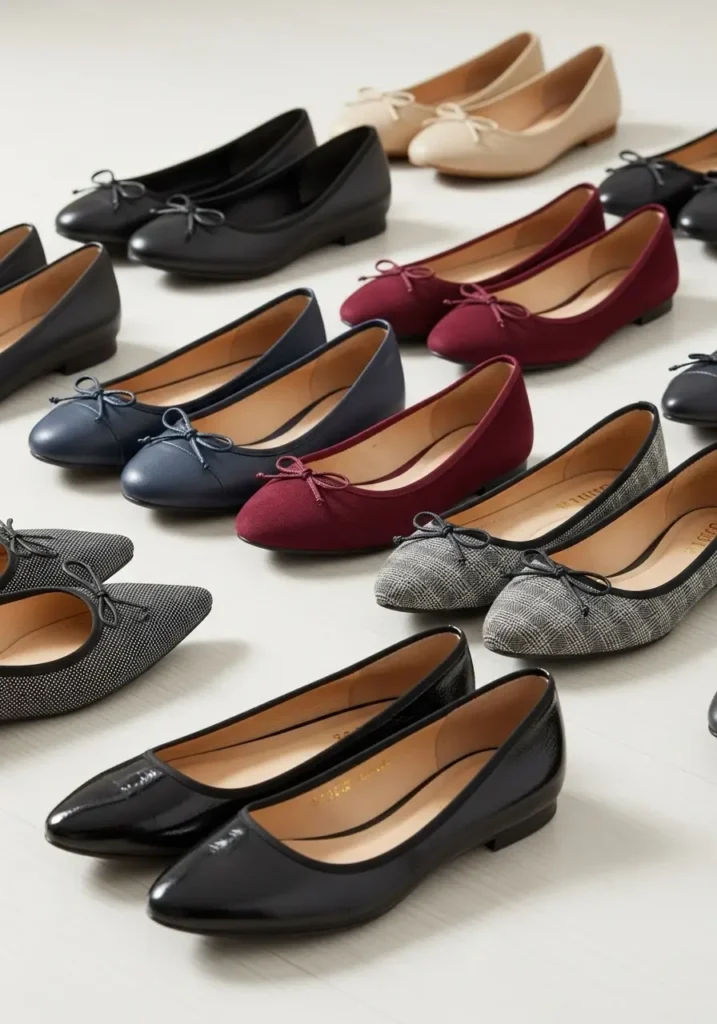
Very thin flats are not automatically comfortable simply because they have no heel. Look for sufficient cushioning, a flexible forefoot, a secure heel, and enough vertical space for your toes.
Loafers

Loafers work well with professional and casual wardrobes, but their higher vamp can press on a high instep. Flexible uppers and width choices can help create a more accommodating fit.
Vionic Women’s Uptown Loafer
The Vionic Women’s Uptown Loafer combines a classic loafer shape with a cushioned, contoured footbed. Selected colors and sizes may be available in a wide fit.
This style can pair with tailored trousers, jeans, dresses, and business-casual outfits. Contoured arch support feels different from a flat insole, so allow time to evaluate the fit indoors and follow the manufacturer’s wear guidance.
Best suited to: Business-casual clothing, commuting, travel, and polished everyday outfits.
Ankle Boots
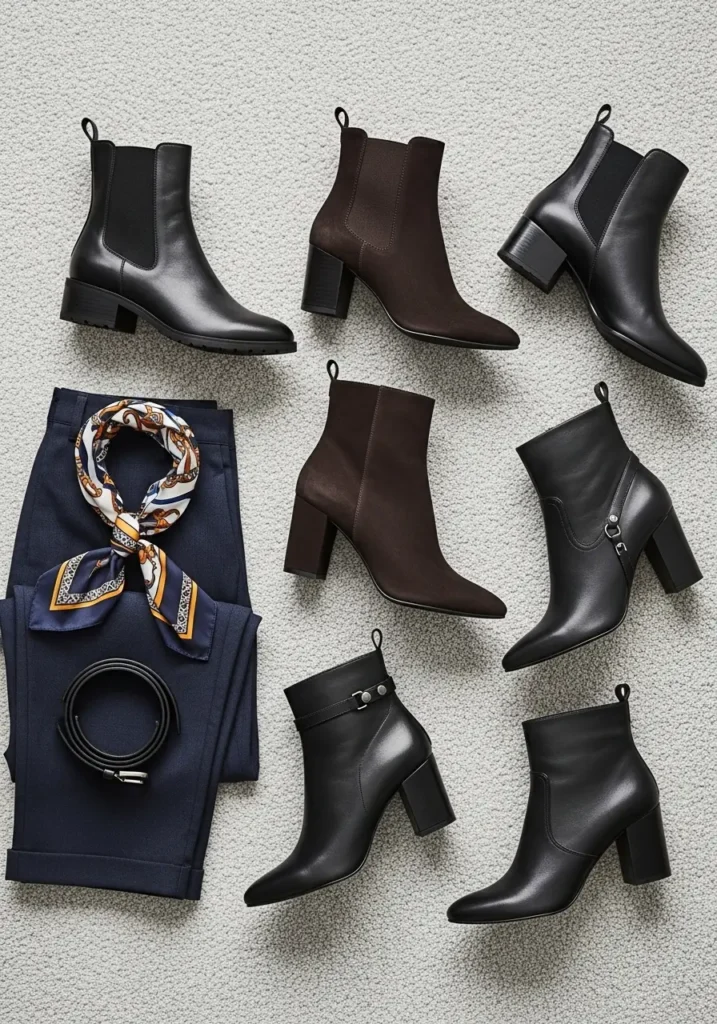
Check width at the forefoot as well as room around the ankle and instep. Try boots with the socks you normally wear, and verify that the zipper or fastening closes without strain.
Casual Wide-Width Shoes
Clarks Women’s Ashland Spin Q Slip-On
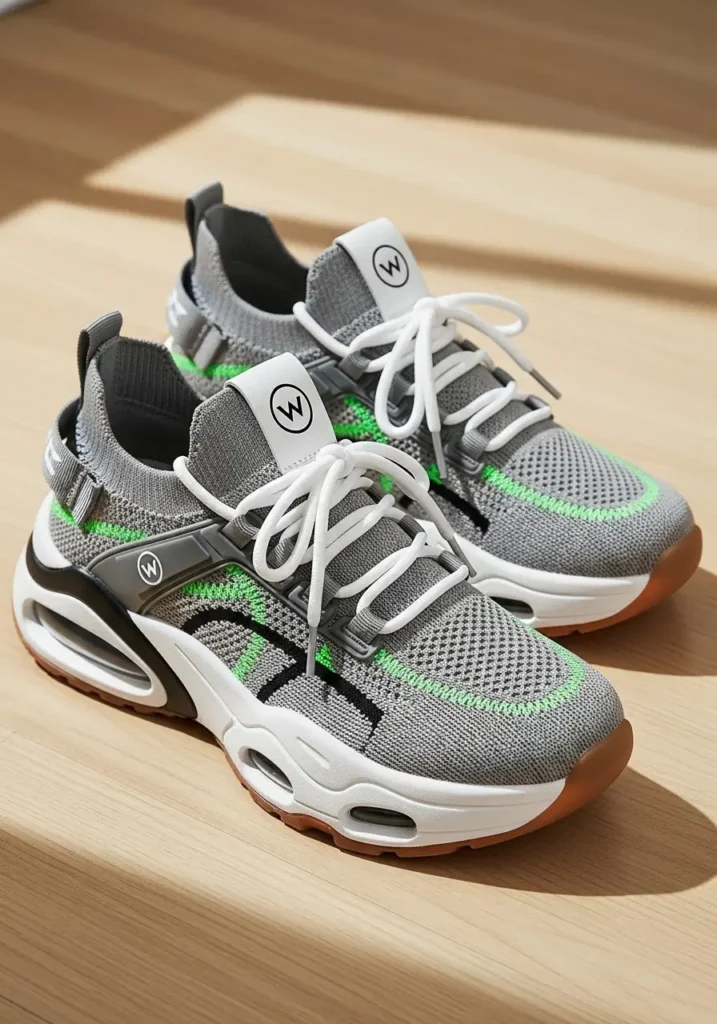
The Clarks Women’s Ashland Spin Q is a casual leather slip-on that works with jeans, trousers, and other everyday outfits. Selected sizes are available in wide widths, and the side elastic can make the shoe easier to put on.
Because a slip-on does not offer the same adjustment as a lace-up shoe, check that the heel remains secure and the vamp does not press on your instep. It may suit shoppers who want something more polished than a sneaker without moving to a heel.
Best suited to: Casual offices, errands, travel, and everyday outfits.
Sandals
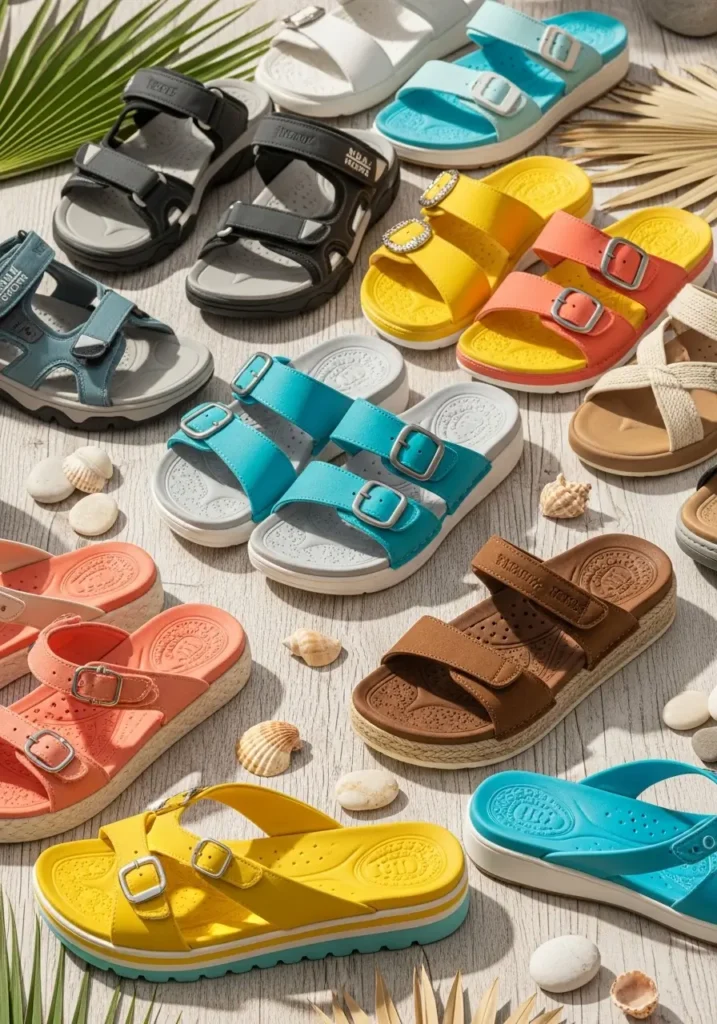
Adjustable straps are especially useful when foot volume changes during hot weather. Check that your heel and toes remain on the footbed and that no strap crosses a bunion or rubs between your toes.
Casual Sneakers
For everyday sneakers, prioritize a toe shape that follows your foot and a fastening system that secures the heel without tightening the forefoot. Removable insoles may help if you use compatible orthotics, but a replacement insert should not reduce toe-box depth excessively.
Boots and Booties
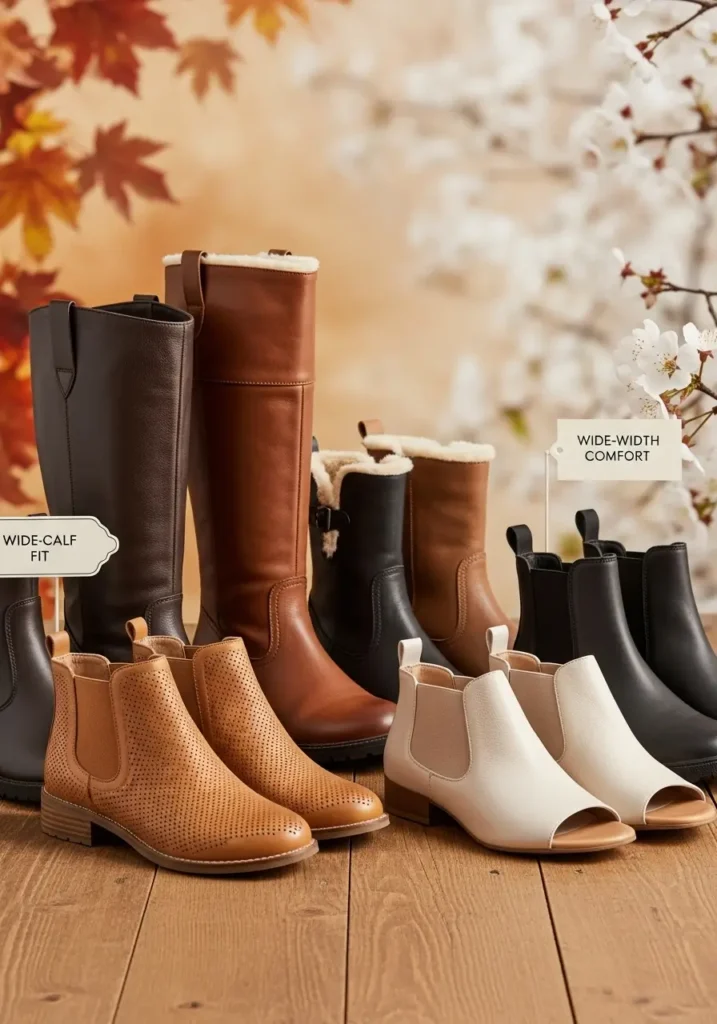
“Wide width” describes the fit around the foot, while “wide calf” describes the shaft of a tall boot. They are separate measurements. You may need one, both, or neither, so review the specifications carefully.
How to Buy Wide Shoes Online
Online stores often provide more widths than physical locations, but a careful comparison process is essential.
- Start with current measurements. Compare both length and width with the brand’s size chart.
- Check the selected variation. Verify that your chosen color and size are actually marked Wide, W, D, Extra Wide, or another appropriate designation.
- Read model-specific reviews. Focus on comments about the toe box, heel, instep, and length.
- Inspect the upper materials. Soft mesh fits differently from structured leather or rigid synthetic overlays.
- Review the return policy. Confirm the return window, condition requirements, and potential shipping costs.
- Try shoes indoors first. Wear your normal socks and inserts while keeping the soles clean until you are confident about the fit.
Zappos’ wide-shoe collection provides additional filters for comparing brands, sizes, styles, and widths.
Also read: Compression Socks for Women: A Guide to Comfort, Health, and Style
Quick Comparison of the Featured Shoes
| Shoe | Primary use | Useful characteristic |
|---|---|---|
| New Balance 608 V5 | Walking and cross-training | Structured leather upper and multiple width options |
| Brooks Ghost 17 | Road running and walking | Cushioned neutral running design |
| Ryka Devotion Plus 3 | Fitness walking | Breathable upper and women-focused fit |
| Naturalizer Banks | Office and occasions | Dressy slingback design with selected wide sizes |
| Vionic Uptown | Work and casual wear | Loafer styling with a contoured footbed |
| Clarks Ashland Spin Q | Casual and business casual | Leather slip-on construction |
No single model is best for every wide foot. Choose according to your measurements, foot volume, toe shape, intended activity, and preferred level of cushioning.
Common Wide-Shoe Shopping Mistakes
Buying a Longer Shoe to Gain Width
Going up a full size changes the position of the arch, heel, and flex point as well as the length. This can cause heel movement or place the widest part of the shoe in the wrong location. Try the correct length in a wider fitting first.
Confusing Wide Feet With High-Volume Feet
If pressure is concentrated over the instep rather than along the sides, you may need additional depth or an adjustable closure. A wider shoe can leave the heel loose without resolving pressure on top of the foot.
Assuming Every Model From a Brand Fits the Same
Shoes are built on different forms and use different materials. A brand that fits well in one sneaker may not fit identically in its loafers, pumps, or newer athletic models.
Expecting Painful Shoes to Break In
Minor material softening is normal, but a shoe that compresses your toes or creates an obvious pressure point is unlikely to become properly fitting.
Choosing Width Without Considering Support
More room is not the same as more support. The shoe must still hold your heel, suit your activity, and provide cushioning and stability that feel appropriate for you.
Why Proper Fit Matters
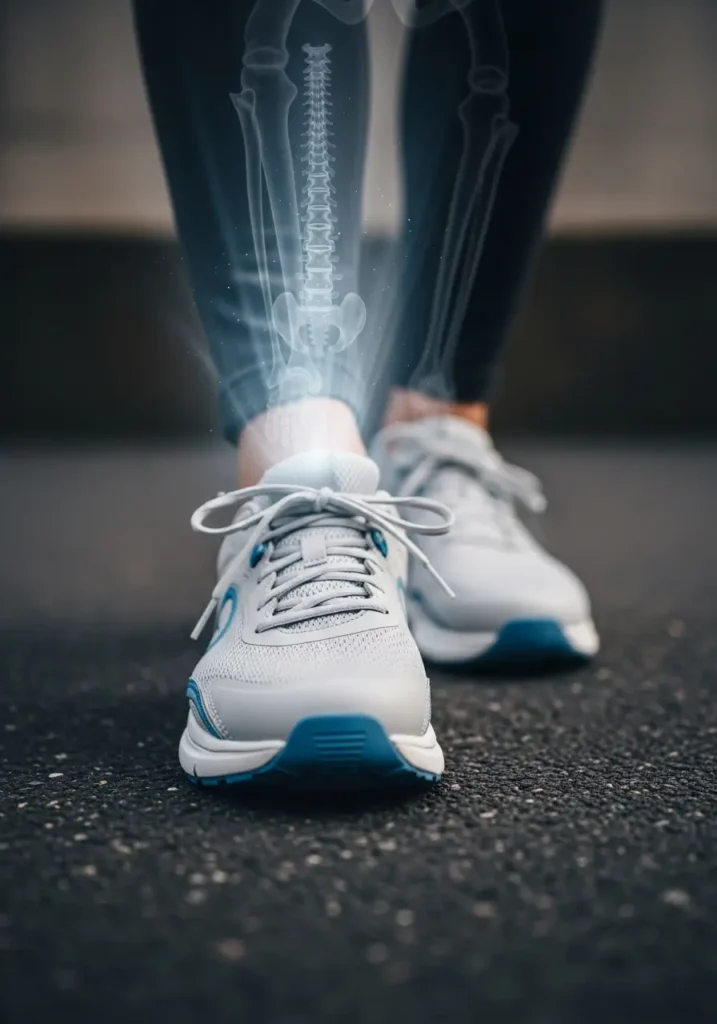
Properly fitting shoes can reduce rubbing, pressure, blisters, corns, and calluses. A toe box that follows your foot shape may also feel more comfortable if you have bunions or hammertoes. Footwear cannot, however, guarantee that a structural condition will be prevented or corrected.
Seek professional advice if you experience:
- Persistent or worsening foot pain
- Recurring numbness, tingling, sores, or skin changes
- Sudden or unexplained swelling
- A bunion, hammertoe, or other deformity that affects walking
- Difficulty accommodating prescribed orthotics
- Diabetes, poor circulation, or another condition that increases the risk of foot complications
Materials and Fit Features Worth Considering
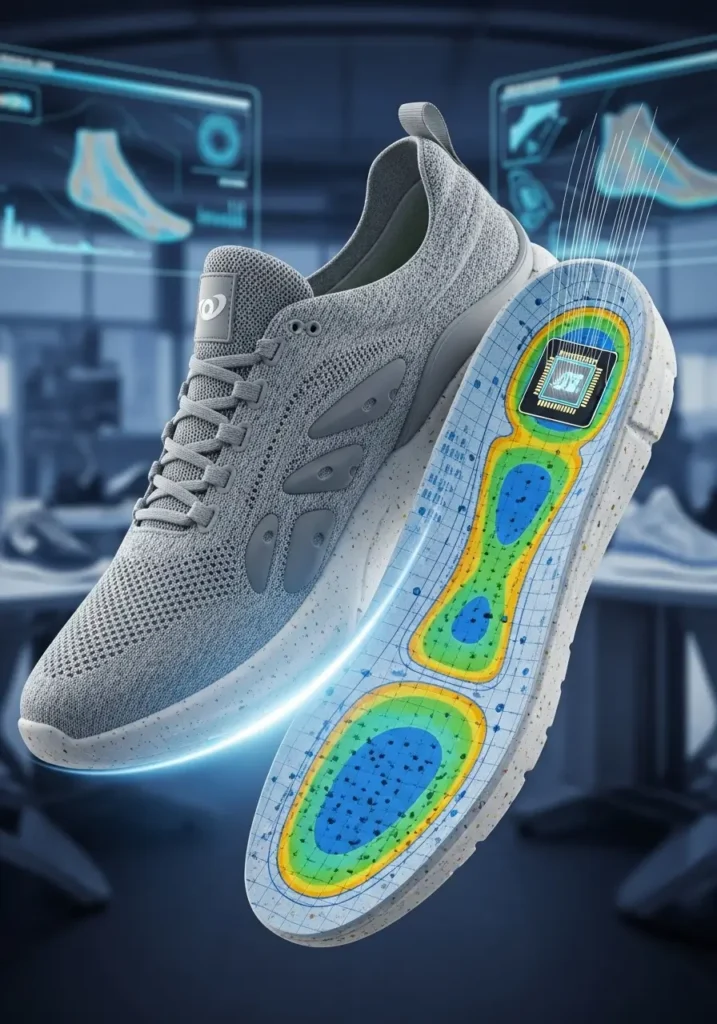
- Adjustable closures: Laces, buckles, and straps accommodate changes in foot volume.
- Stretch panels: These may reduce pressure over sensitive areas.
- Thoughtful seam placement: A seam positioned over a bunion can irritate even when the width is correct.
- Removable footbeds: These create options for compatible orthotics and replacement insoles.
- Deeper toe boxes: Additional vertical space can reduce rubbing on raised or curled toes.
- Structured heel counters: These can improve security when the forefoot is wide but the heel is narrow.
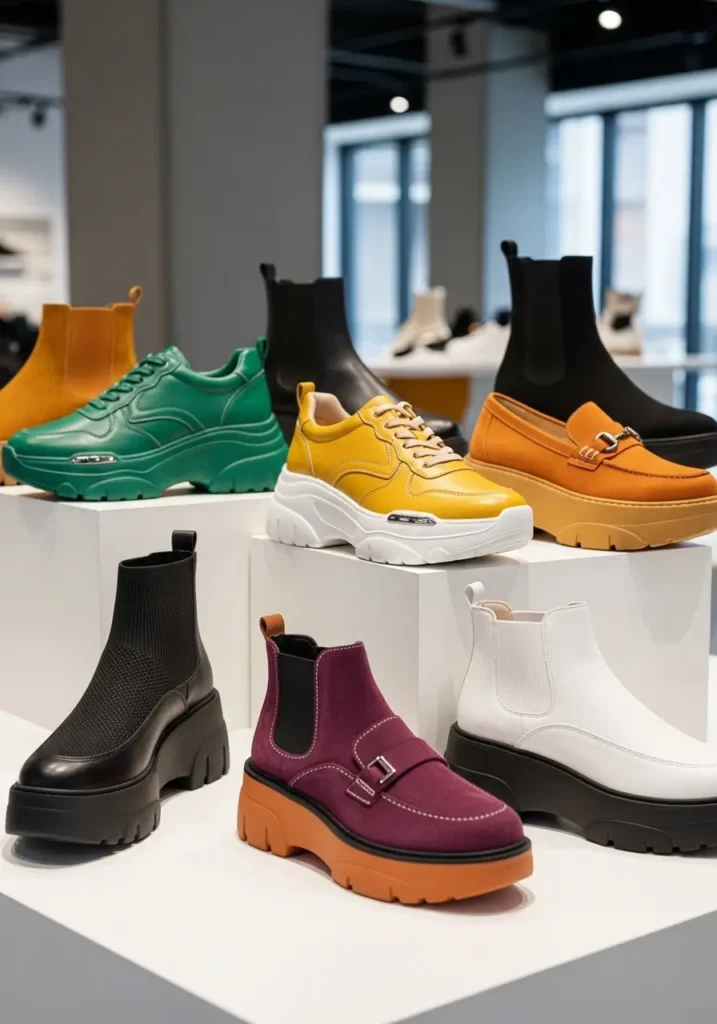
Modern wide-width collections offer more than basic comfort shoes. You can now compare contemporary colors, heel heights, materials, and performance features without automatically settling for an unsuitable standard-width pair.
How to Care for Wide Shoes
- Allow damp shoes to dry at room temperature away from direct heat.
- Rotate regularly worn pairs so cushioning and interiors can recover.
- Use cleaning products intended for the shoe’s specific material.
- Untie laces or open fasteners before removing shoes.
- Inspect the outsole for uneven wear, lost tread, separation, or damage.
- Replace shoes when worn construction affects comfort, grip, or stability.
Where to Shop for Women’s Wide Shoes
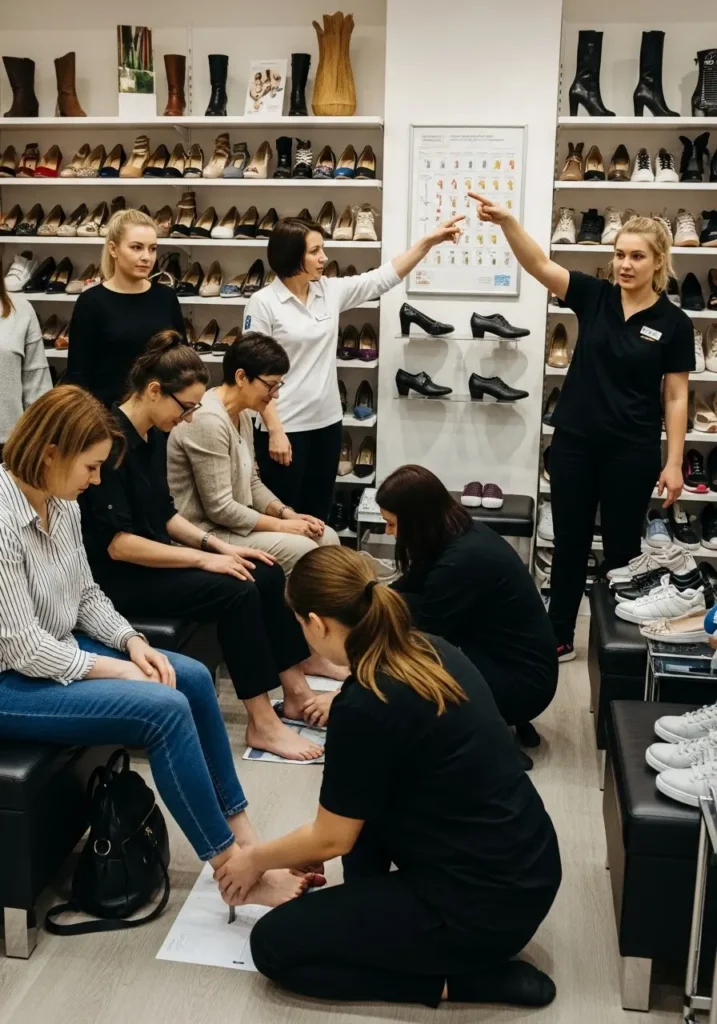
Specialty shoe stores are helpful when you need professional measurement, extended widths, orthotic-friendly footwear, or assistance comparing heel and forefoot fit. Running stores can help with athletic footwear, while department stores and brand websites may carry broader dress and casual selections.
Frequently Asked Questions
How do I know whether I need wide or extra-wide shoes?
Compare adjacent widths in the same model. The correct option should relieve side pressure while keeping the heel secure. If a wide shoe still compresses your forefoot, try extra wide. If the heel becomes unstable, consider another model or shoe shape.
Are wide shoes supposed to feel loose?
No. They should provide additional room where your foot needs it while remaining secure around the heel and midfoot. Overall looseness usually indicates the wrong size, shape, or adjustment.
Can regular shoes be stretched for wide feet?
A shoe-repair professional may be able to relieve a small, localized pressure point in certain materials. Stretching cannot reliably transform a standard-width shoe into a correctly proportioned wide shoe.
Are wide shoes less stylish?
No. Wide-width collections include sneakers, pumps, loafers, sandals, flats, and boots in contemporary designs. Availability differs between brands, but choosing a wider fit no longer restricts you to one type of footwear.
Do wide-width shoes cost more?
Many brands charge the same price for different widths of the same model. Prices and Amazon availability can change by size, color, seller, and season, so confirm the current information before ordering.
Choose Fit Before Style Details
Identify your correct length, approximate width, foot volume, and toe shape before comparing colors or trends. Test every pair with the socks and inserts you will actually use, and do not keep shoes that create pressure while you are still trying them indoors.
A well-fitting wide shoe should give your forefoot room while keeping the rest of your foot secure. Once that foundation is right, you can choose the cushioning, materials, heel height, and appearance that suit your routine and personal style.
Affiliate disclosure: This post contains Amazon affiliate links. If you make a qualifying purchase through one of these links, Azuloz may receive a commission at no extra cost to you.