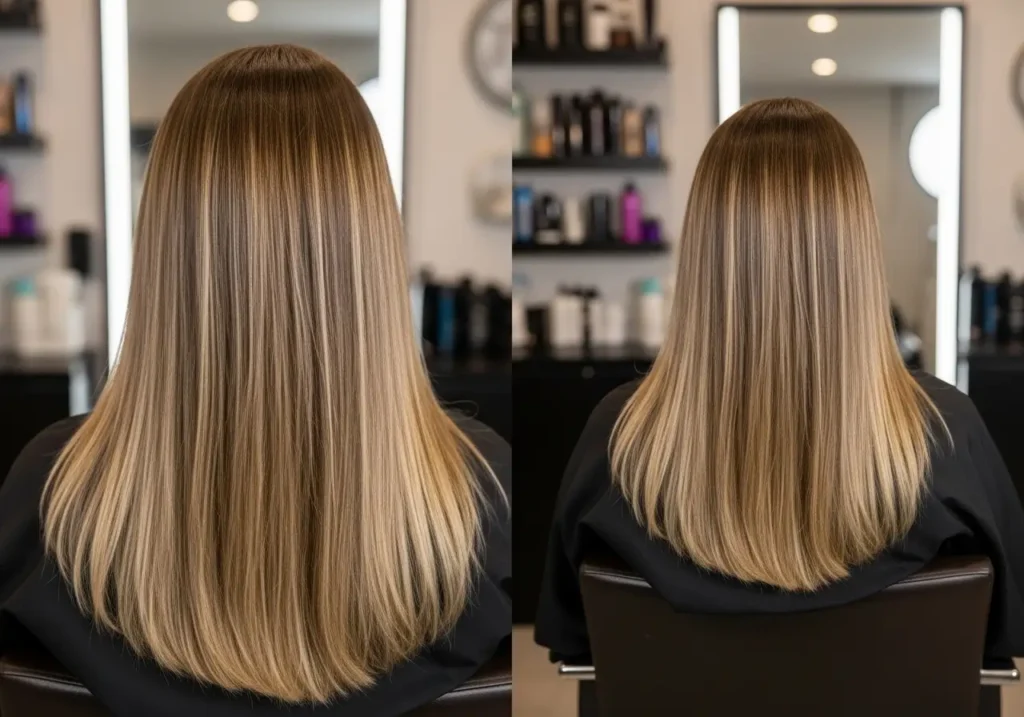
You can love the length of your hair and still feel stuck wearing the same ponytail every morning. Maybe the ends tangle by lunchtime, the roots look flat, or a style that looks effortless in a photo takes far too long in real life. A flattering shape, gentle care that suits your texture, and a few reliable styles can make long hair feel like a pleasure again.
This guide helps you choose a cut that keeps the length you want, style it for ordinary days and special plans, and protect the ends you have spent so long growing. Start with the part that frustrates you most: the shape, the time it takes to style, or the condition of your hair.
Choose a length and shape that work for your hair
“Long” describes how hair falls on you, not a universal number of inches. Shoulder-skimming hair may feel long on one person; another may be aiming for waist length. Curl pattern changes the picture too: textured hair can look considerably shorter when dry than it does when stretched. Tell your stylist where you want your hair to fall when you wear it in its usual state, and show a photo of the length from the front and back.
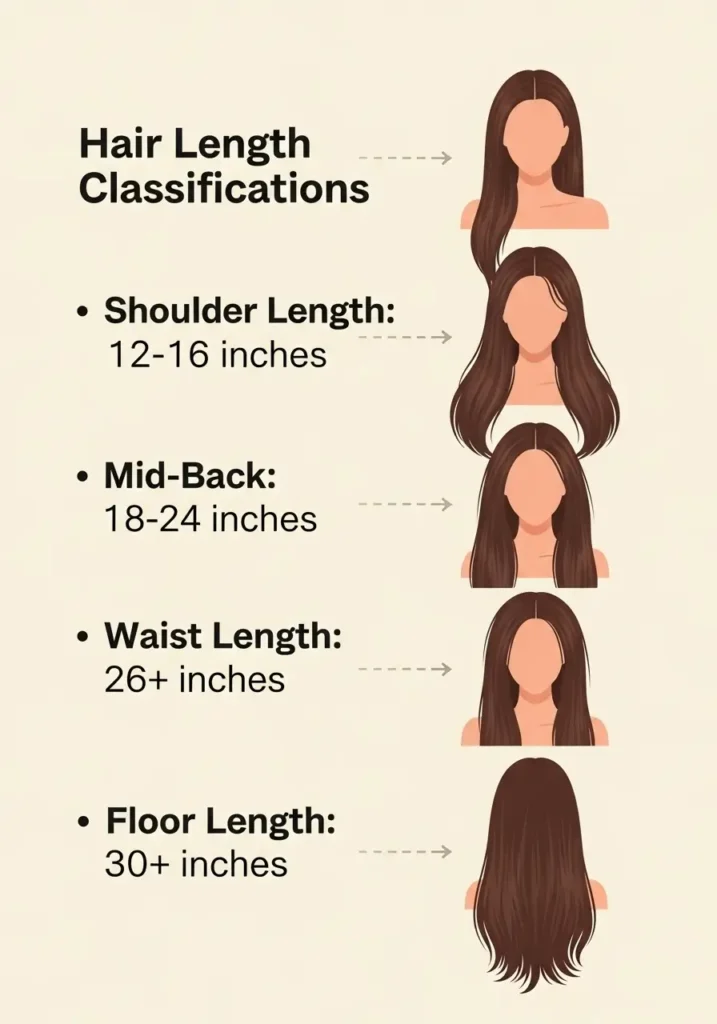
Before asking for more layers, think about where your hair already feels heaviest. Dense hair may welcome internal movement; fine hair may look fuller with a more solid perimeter and only a few pieces around the face. Density, strand thickness, curl pattern, and the amount of time you enjoy styling all matter. If you air-dry most days, ask the stylist what the cut will look like without a round brush.
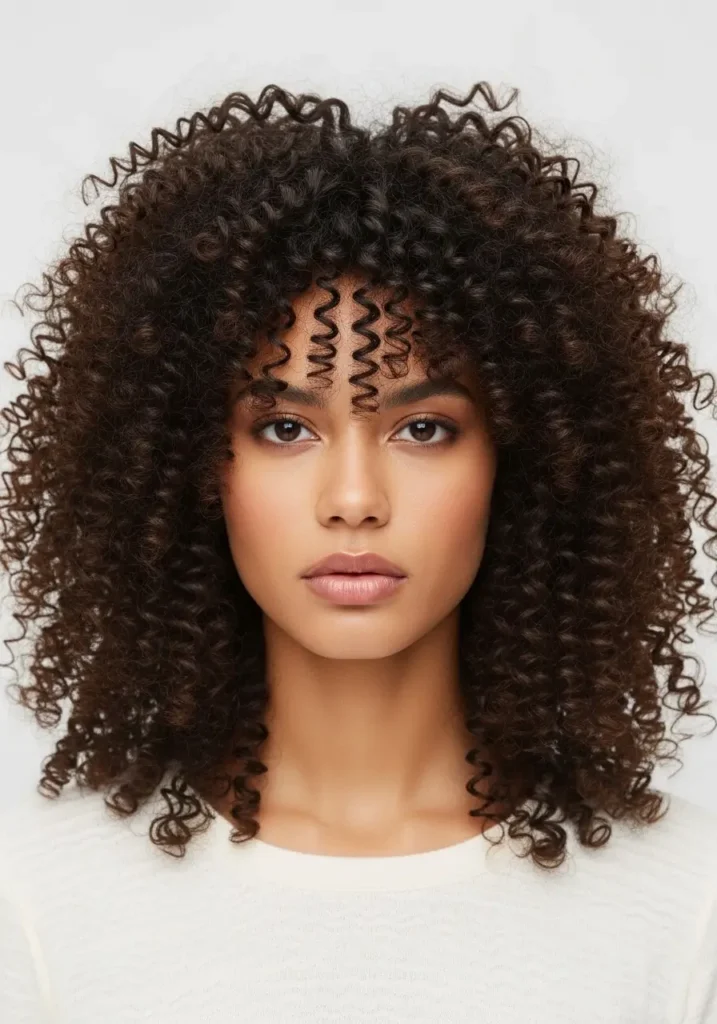
Try this small decision before your appointment: describe your ideal result in one sentence. “I want to keep my ends looking full but get movement around my cheeks” is more useful than “give me long layers.” Bring a picture of a similar texture if possible, and ask how the shape will grow out. A beautiful first-day blowout is less helpful if the cut only works after an hour of heat styling.
Four long haircuts that change the look without a dramatic chop
Long layers for movement
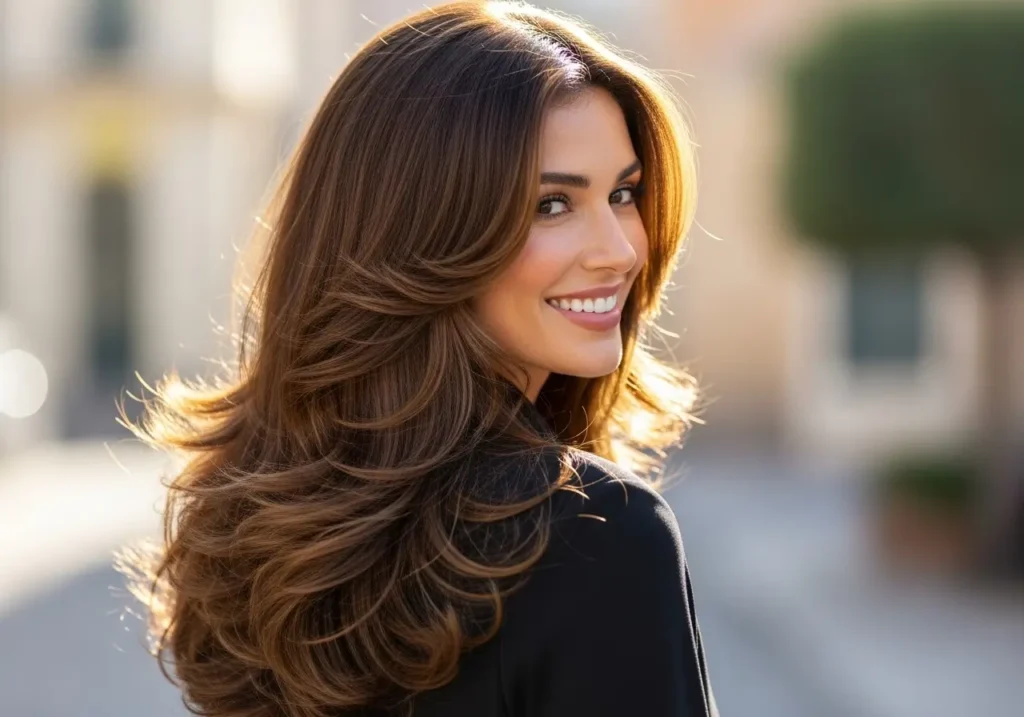
Long layers remove some visual weight while leaving the overall length intact. If your hair feels like one heavy curtain, layers can help it move when you walk and give waves more shape. Ask where the shortest layer will start and whether the ends will still look substantial when you bring all your hair forward. Very short or heavily thinned layers can be harder to gather into a braid or bun, especially if your hair is fine.
A useful compromise is a mostly solid hemline with a few long layers. It keeps the feeling of long hair while making a blowout or loose waves look less uniform. If you often wear your hair up for work, demonstrate your usual ponytail in the salon so the stylist can see where pieces may fall out.
Face-framing pieces for a softer front view
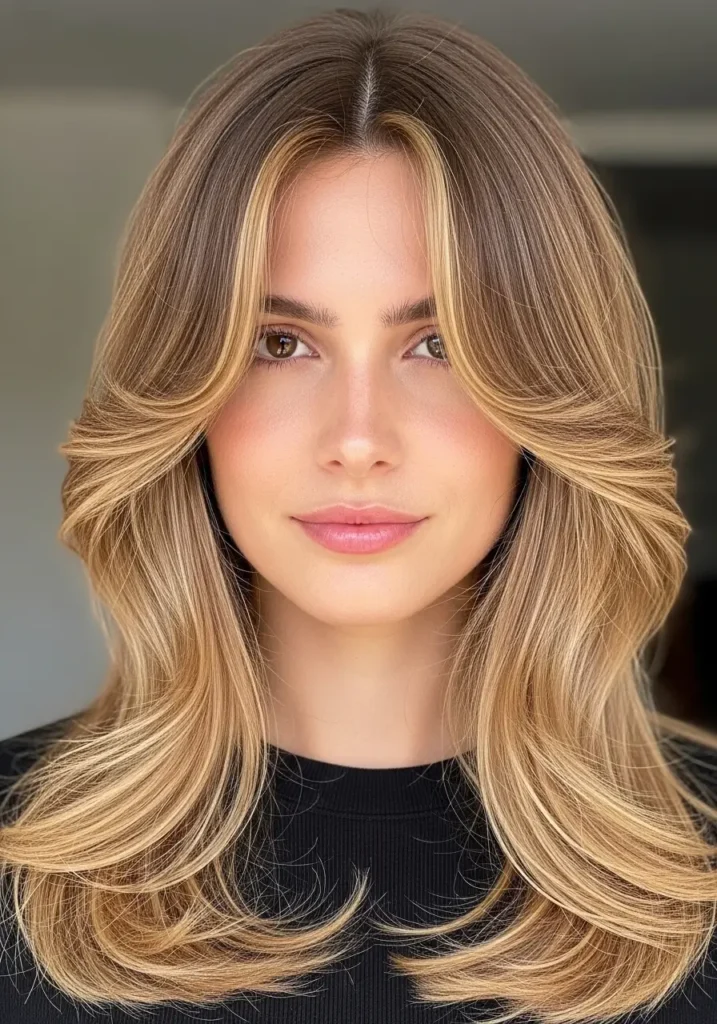
Face-framing pieces give you a visible change even when the back stays untouched. Their starting point can be subtle, near the jaw or lower, or more pronounced near the cheekbones. Choose the placement based on how you wear your hair, rather than a supposed rule about face shapes. Someone who tucks hair behind the ears every day may prefer a longer starting point; someone who likes a loose half-up style may want a few shorter pieces left free.
Ask to see how the front pieces connect with the rest of the cut. A smooth transition is easier to style in several ways. If you have curls, discuss where those pieces will land after they spring up dry.
A long shag for more texture
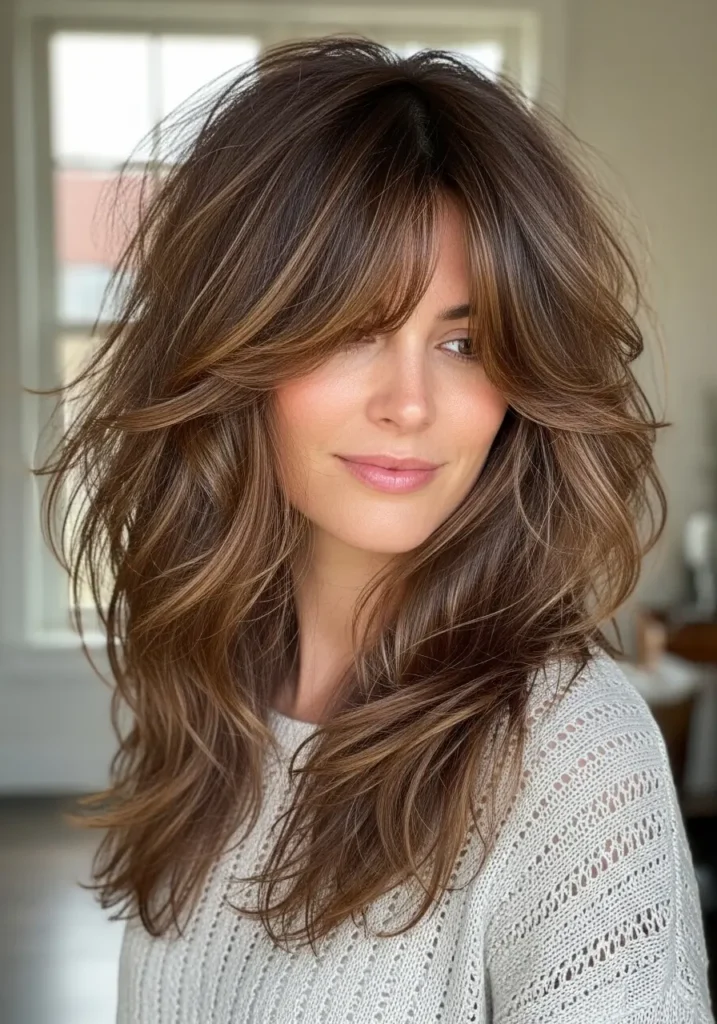
The long shag uses more visible layering around the crown and face. It can bring out natural waves and give straight hair a relaxed, deliberately undone look. The trade-off is that shorter layers may need product or a little styling to sit where you want them. Request a gentle version if you want texture but still need a neat low bun on busy mornings.
Curtain bangs for a front-facing change
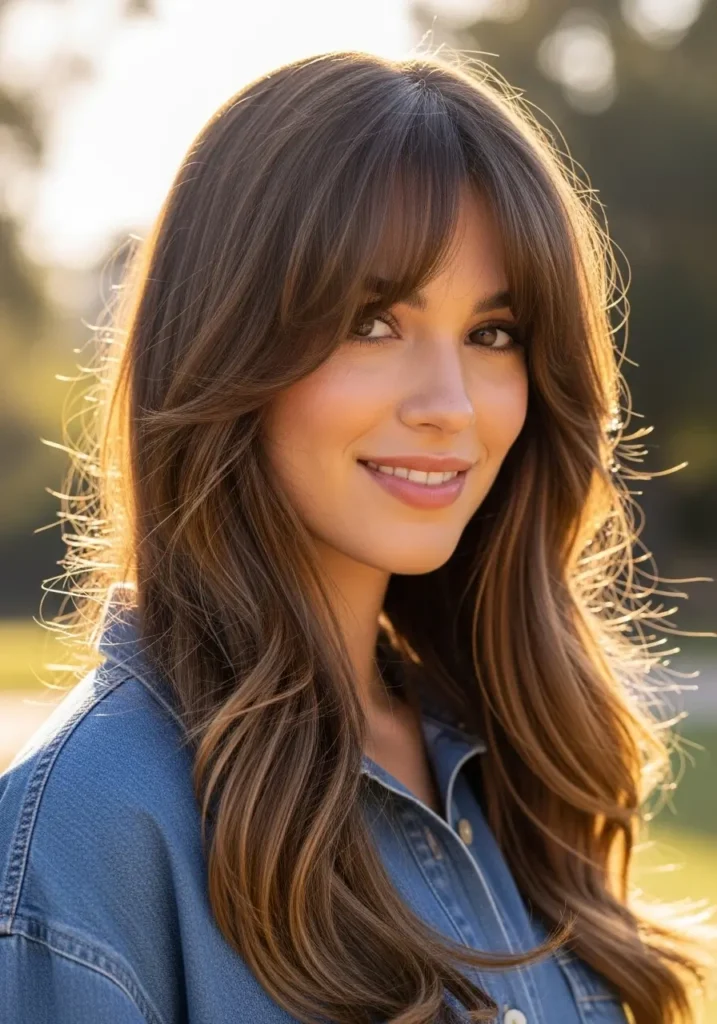
Curtain bangs can blend into longer face-framing layers as they grow. They are appealing when you want a change you can notice without losing inches from the back. They do require a conversation about your natural part, cowlicks, and morning routine. If you want to wash and go, ask for a longer, lighter version and have the stylist show you how to set it with your fingers, a clip, or a quick blow-dry.
Long hairstyles for the days you actually have
A practical long-hair wardrobe needs a few options: one you can do in five minutes, one that feels polished, and one that makes the length itself the focus. Practice each on a day when you are not rushing. That way, a misplaced pin or an unexpected part does not turn a work morning into a project.
Soft waves without relying on hot tools
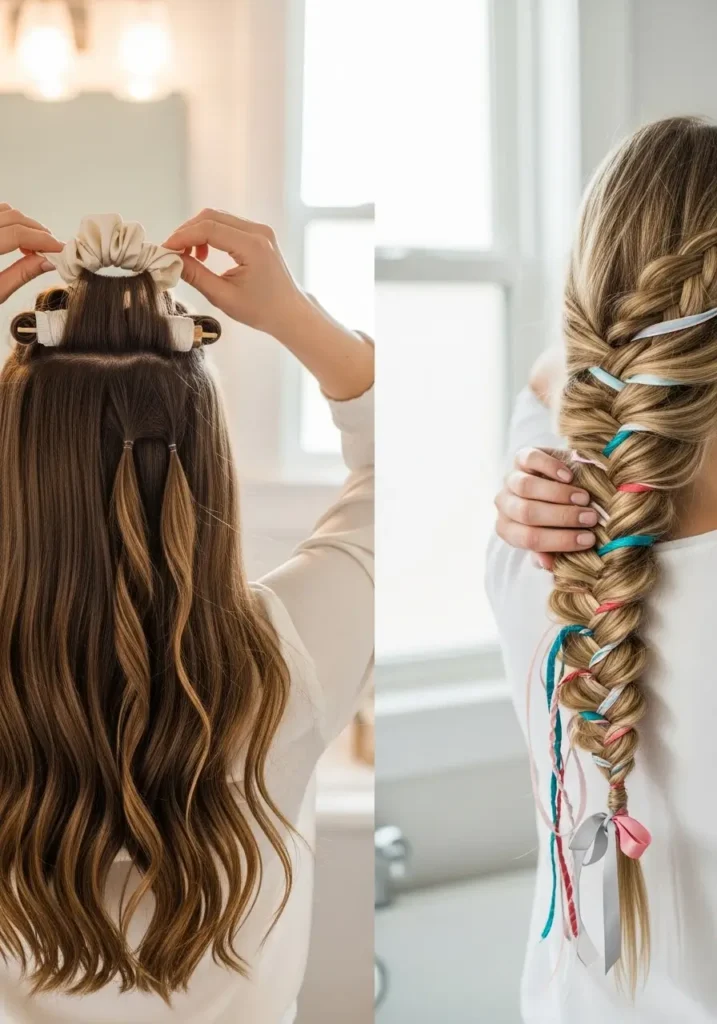
For loose waves, start with hair that is mostly dry, divide it into two or four sections, and make loose braids or wrap sections around a soft fabric curler. Take them down only after the hair has dried completely. Use fingers to separate the shape, then add a little lightweight styling product if your hair tends to fall flat. Results vary with texture and humidity; a heat-free method is a low-risk experiment, not a promise of salon-perfect curls.
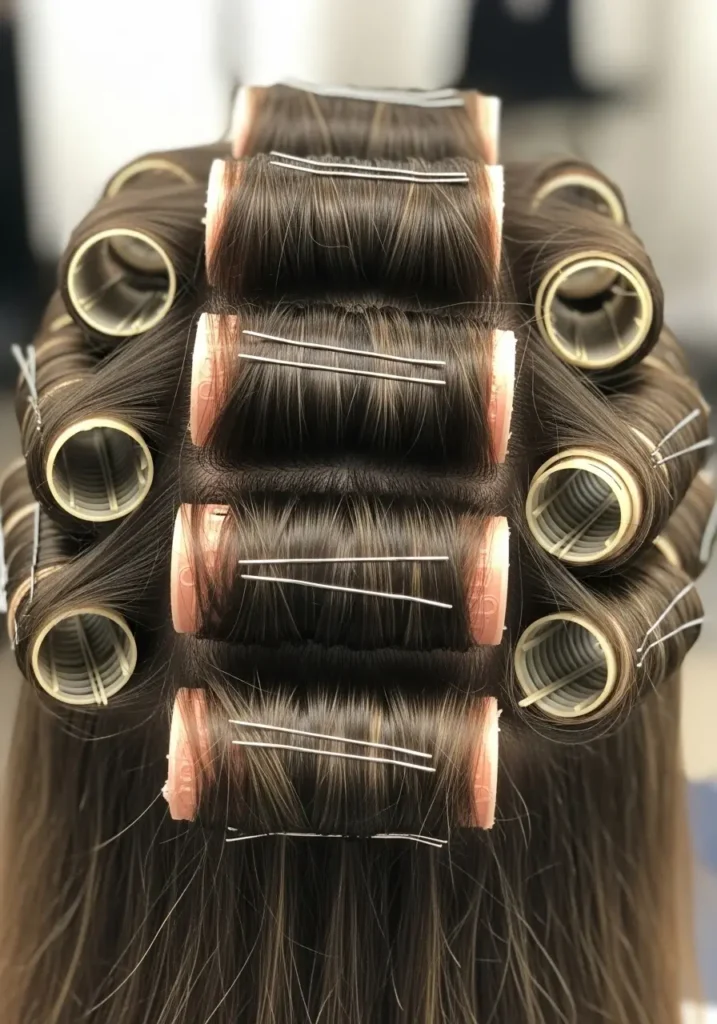
A common mistake is going to bed with soaking-wet hair tightly wound around a small object. It may still be damp in the morning, and pulling at stubborn tangles can undo the benefit of skipping heat. Choose a comfortable arrangement that does not tug at the roots. If your hair does not hold an overnight wave, try a loose braid for a softer bend instead of adding more tension.
Quick updos that keep the ends tucked away
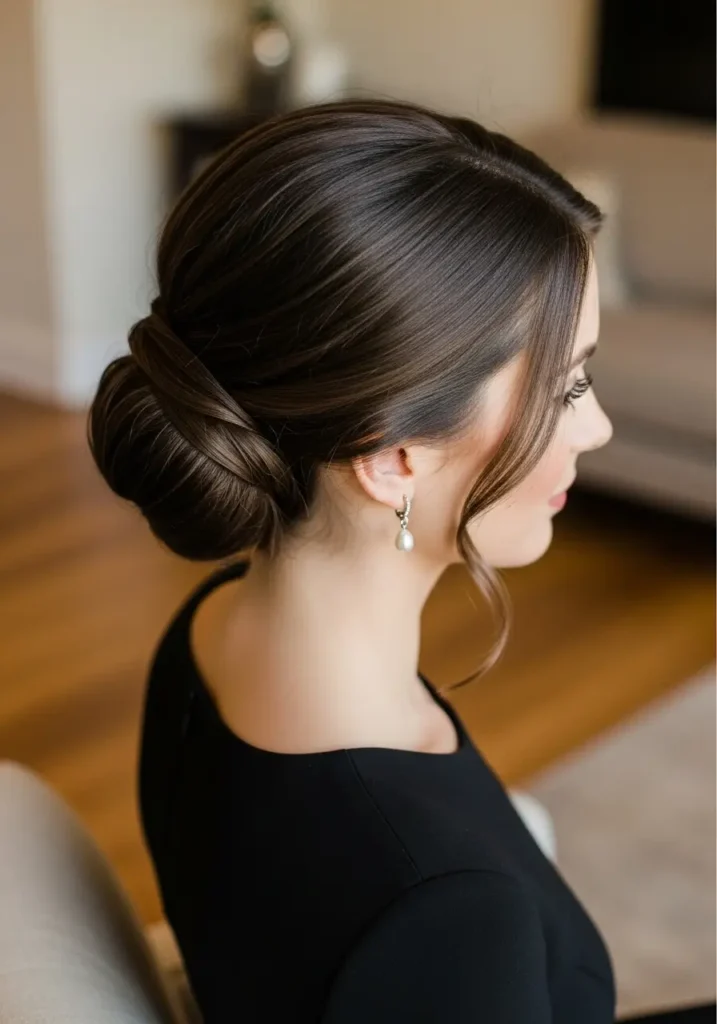
A low twist secured with a large clip, a loose braid folded into a bun, or a low ponytail wrapped with a soft scrunchie can all look intentional with little effort. For a more polished result, smooth only the surface with your hands and a small amount of product. You do not need to pull the hair painfully tight. Switch the placement of your ponytail or bun from day to day so the same area is not under constant strain.
When a clip slides out, the problem may be size rather than technique. Look for one that can close around your actual hair volume. For heavy hair, divide it into two sections or anchor the twist with pins before adding the clip.
A polished work look
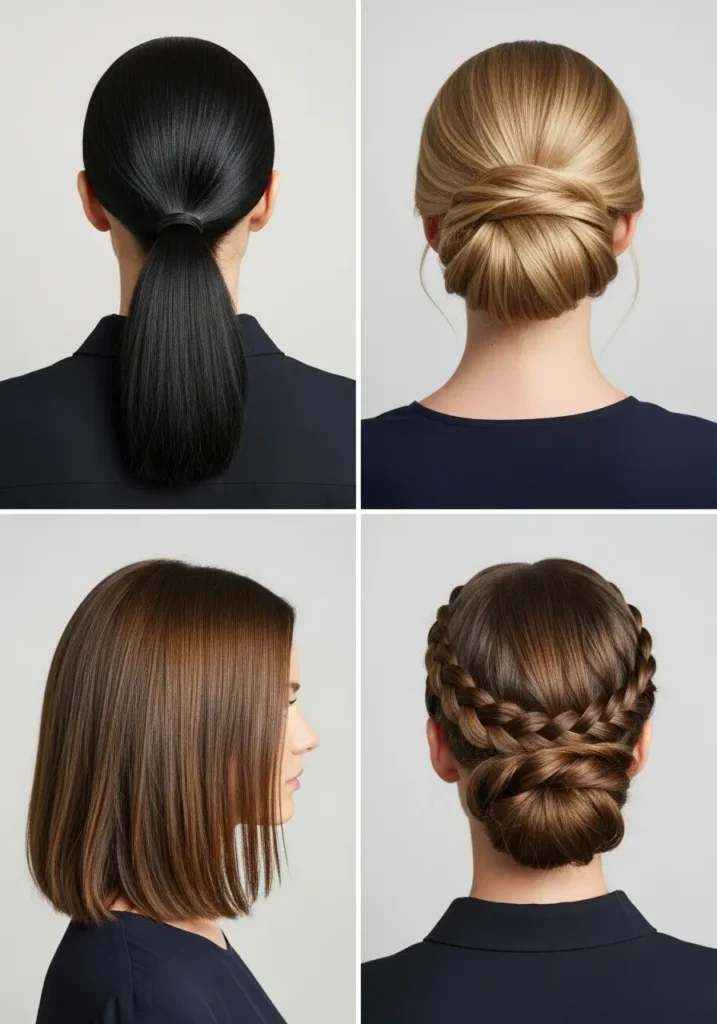
A low ponytail with a clean part, a loose chignon, or naturally textured hair with the front pinned back can feel composed without hiding your personality. If a meeting runs long or you commute in the wind, a style that can be repaired with one hair tie is more useful than a fragile arrangement of tiny pins. For an outdoor commute, a hat can also be part of the look; see Azuloz’s guide to women’s style hats for ideas that work with different outfits.
A special-event style with room to move
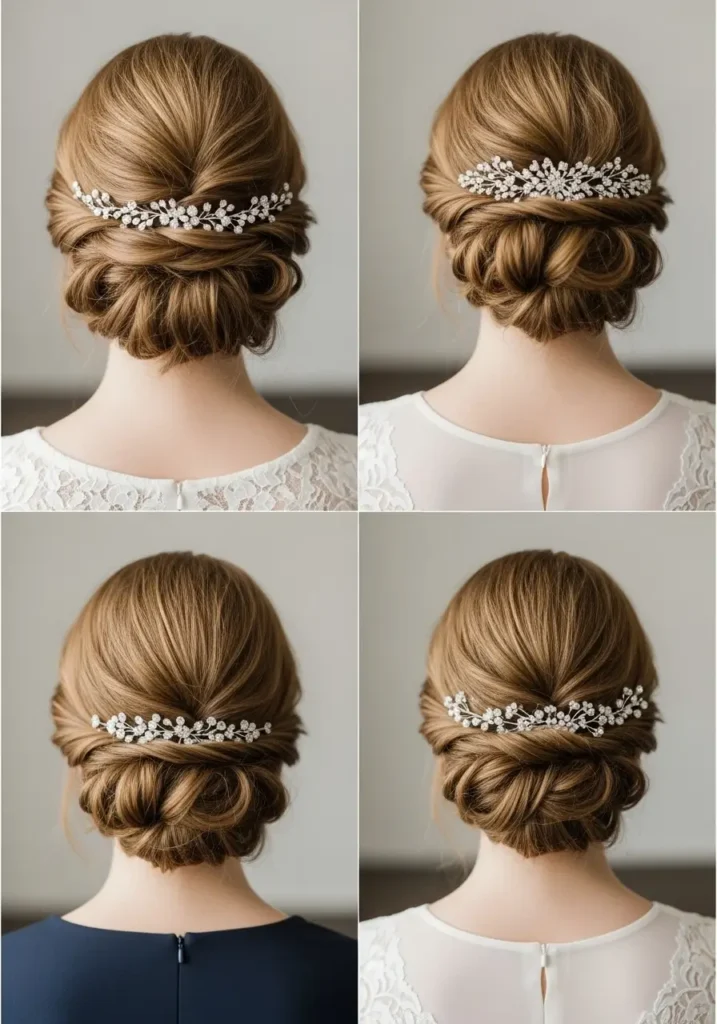
For a wedding, dinner, or celebration, decide whether you want the hair down, half-up, or off your neck before collecting inspiration photos. A half-up style shows your length while moving the front pieces away from your face. A low, softly pinned updo works when you expect to dance or wear a statement earring. If you are booking a stylist, show the neckline of your outfit and mention any headpiece or glasses. Those small details change where volume and pins belong.
An everyday style that looks like you
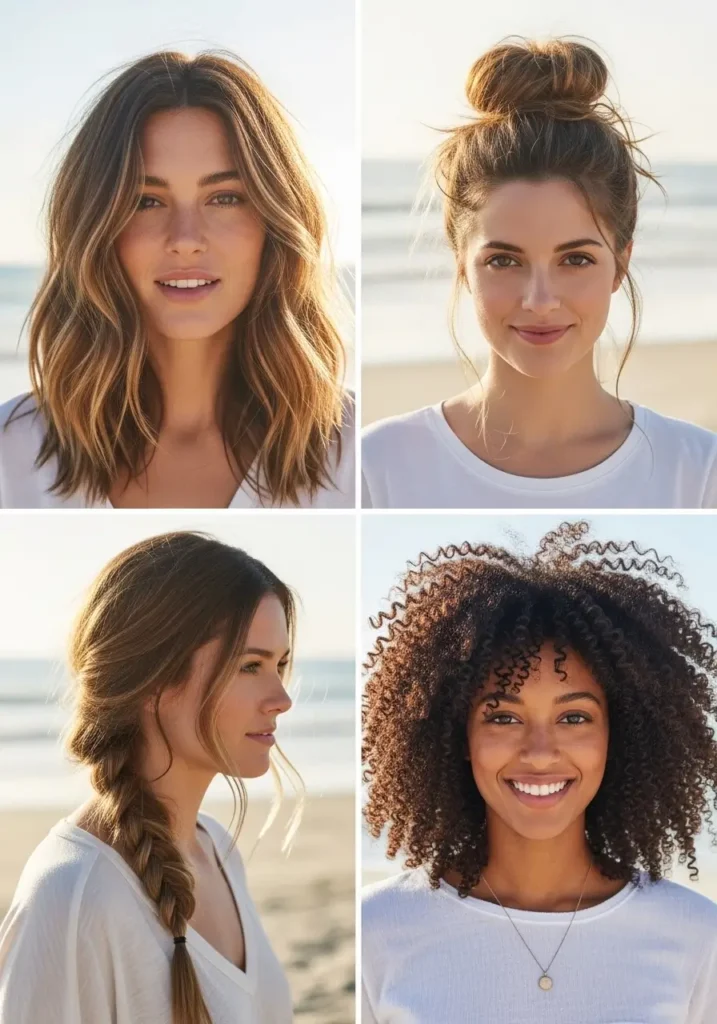
Some days the best choice is simply your natural texture, a side part, and a clip. On others, a loose braid gets you through errands without constantly sweeping hair off your shoulder. Keep the everyday version easy enough to repeat. A routine that depends on a perfect blowout is unlikely to become your favorite on a Tuesday morning.
Wear braids and natural texture with comfort in mind
Protective styles should feel protective
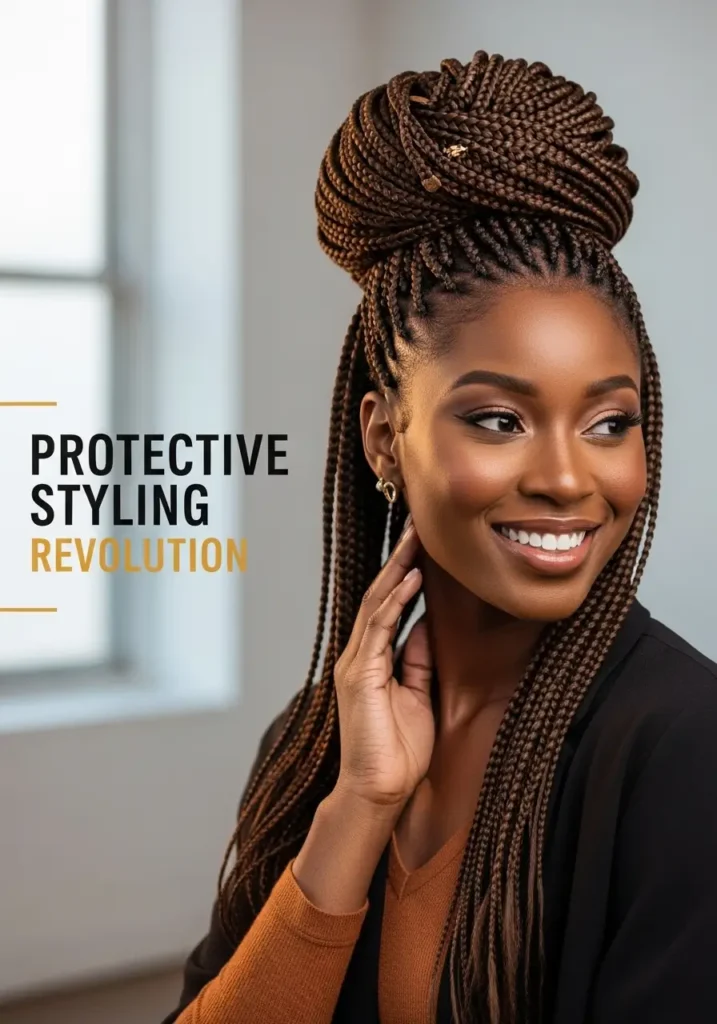
Braids and twists can reduce daily manipulation and offer beautiful styling options, especially for textured hair. But “protective” does not mean that every installation is gentle. Heavy extensions, very small tight braids, and persistent pulling at the hairline can cause problems. The American Academy of Dermatology explains that repeated tension can lead to traction alopecia, a form of hair loss. Pain, stinging, crusting, or a visibly pulled hairline means the style needs attention, not endurance.
Discuss weight and tension with the braider before the first section is finished. Keep scalp care possible while the style is in, and take breaks from styles that pull. For very long braids, remember that added length adds weight. Choose a length and thickness you can wear comfortably, and seek a dermatologist’s advice if you notice thinning or persistent scalp symptoms.
| Style | Useful for | Comfort check |
|---|---|---|
| Micro braids | Detailed, flexible styling | Ask about tension and the time needed to remove them gently. |
| Box braids | Keeping hair gathered with many styling options | Choose a manageable length and weight; keep the hairline loose. |
| French braids | A quick way to secure loose lengths | Ease the pull at the temples and change your part occasionally. |
| Twisted updo | An off-the-neck look for a day or evening | Use comfortable pins and release the style if your scalp aches. |
Let your natural texture set the plan
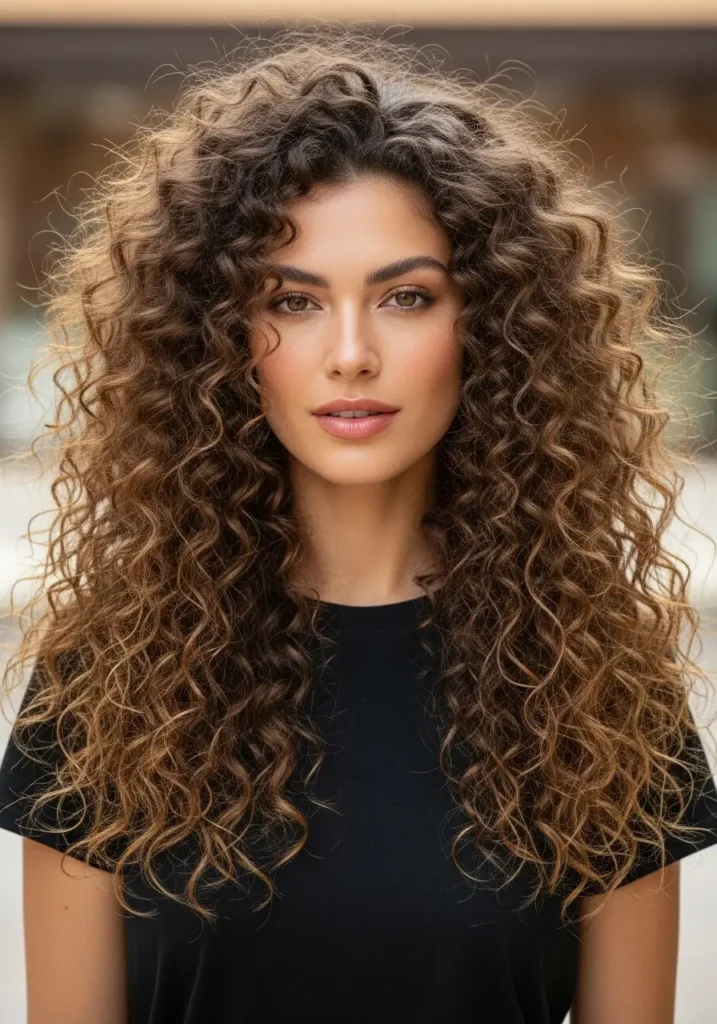
For waves and curls, add conditioner where the hair needs slip and detangle in sections. Scrunching a suitable leave-in or styling cream into damp hair can encourage definition; a diffuser on low heat may shorten drying time. Some people like to wrap curls gently in a T-shirt for a short period before drying. None of these steps is mandatory. Keep the ones that make your hair easier to live with.
The best time to detangle depends on texture. The AAD’s everyday hair-care guidance suggests combing thick, curly hair in the shower before rinsing out conditioner, while straight hair can be allowed to dry a little before gentle combing. Start at the ends and work upward rather than pulling a comb from the roots through every knot.
Build a routine around your scalp and ends
Wash when you need to, then condition where it helps
There is no universal rule to wash long hair every three days or to “train” an oily scalp by delaying shampoo. Wash according to oiliness, buildup, activity, and comfort. Focus shampoo on the scalp and let the rinse carry suds through the lengths. Condition after washing. Fine, straight hair may do well with conditioner concentrated on the ends; dry or curly hair may benefit from conditioning through more of the length. Adjust the amount to avoid either heavy roots or rough-feeling ends.
Afterward, gently squeeze out water and blot with a soft towel or T-shirt rather than rubbing. A leave-in conditioner can help if the lengths are tangled or dry. The AAD advises using a product intended to be left in rather than diluting a rinse-out conditioner. Start with a small amount on damp mid-lengths and ends; fine hair may need much less than thick hair.
A realistic morning reset
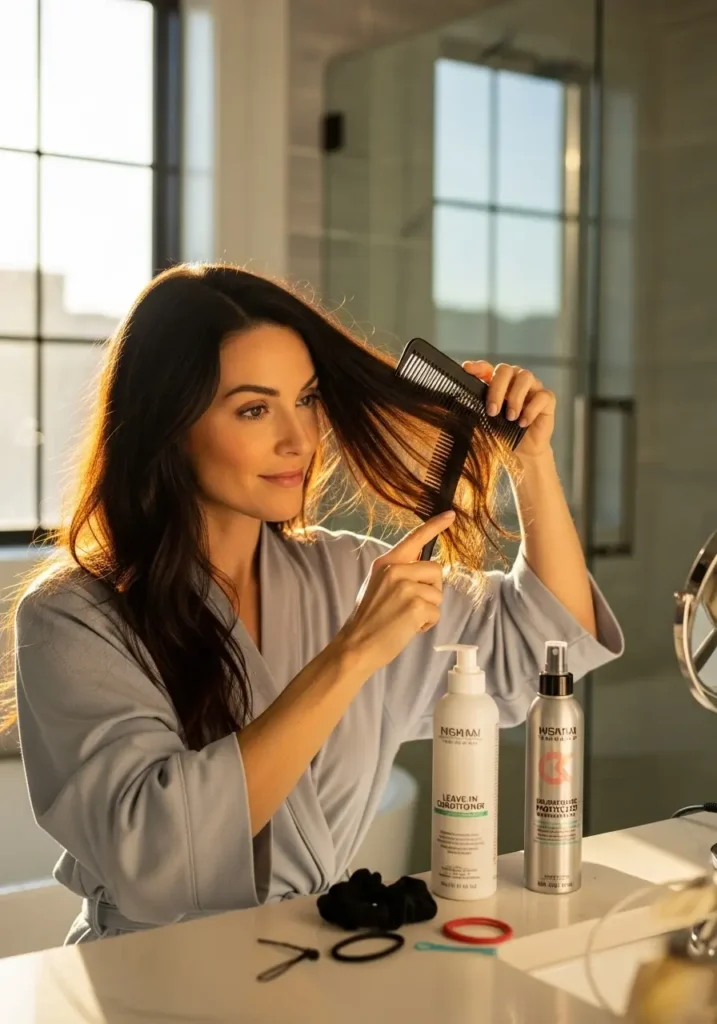
Look at your hair before reaching for products. If the scalp looks clean and the lengths are smooth, you may only need to undo a loose sleep braid and arrange the front. If the ends are tangled, hold the section above the knot and work carefully from the bottom. A few drops of water or a little leave-in can help with a stubborn patch. Use heat protection when a tool requires it, and follow its label; a regular conditioning serum is not automatically a heat protectant.
A low-effort evening routine
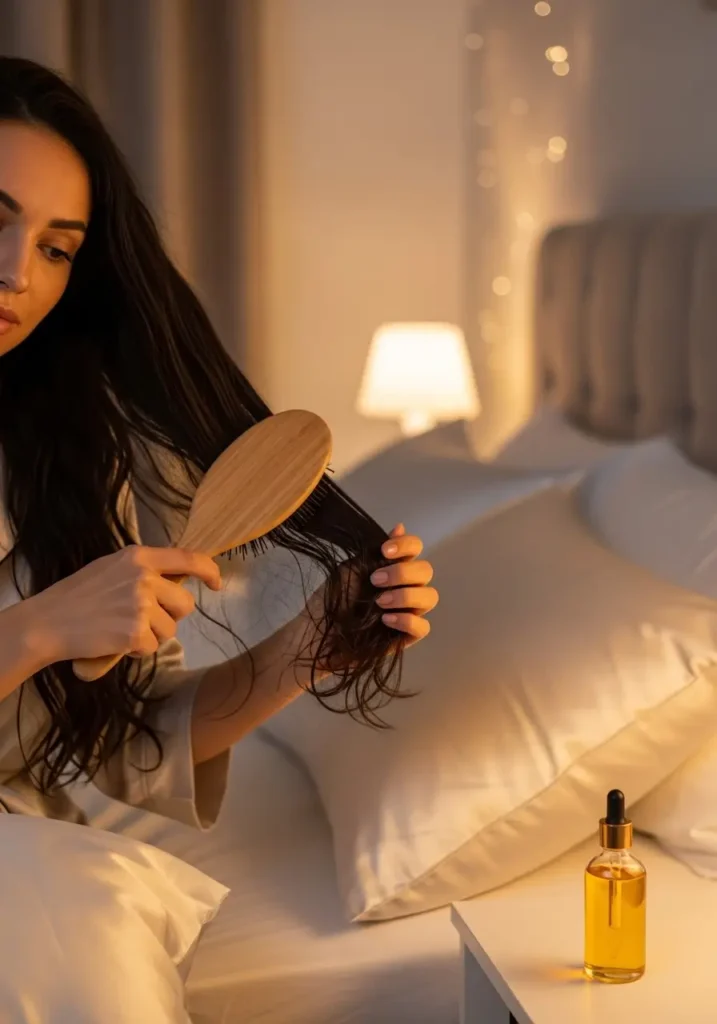
Remove pins and tight ties before bed. If your hair snags while you sleep, try a loose braid or a soft tie placed where it does not press into your head. A smooth pillowcase may feel more comfortable for some people, but it is an optional accessory, not a requirement for healthy hair. There is no need for a hundred brush strokes or an automatic coat of oil every night. If your ends feel dry, use a small amount of a product they tolerate and wash out buildup as needed.
Give masks and intensive treatments a job. A rich conditioner can make dry lengths easier to manage; a protein product may leave some hair feeling stiff if used too often. Read the directions and judge the result after several washes. A product that gives shine for one day does not necessarily repair damaged hair. If you notice persistent itching, flaking, or scalp tenderness, a dermatologist can help identify the cause.
Protect long hair from heat, color damage, and unnecessary services
Long hair carries a record of years of styling on its older ends. The aim is to reduce repeated stress where possible. When using a blow-dryer or hot tool, start with a lower setting, keep the tool moving, and avoid repeated passes over the same section. Heat protectant can be useful when used as directed, but it cannot make unlimited heat harmless. Alternate sleek days with styles that work with your natural texture.
If a glossy “glass hair” finish appeals to you, try a smooth blow-dry and restrained finishing product before deciding on a chemical service. Hair that is curly or coily does not need to be straightened to look polished. If you do consider a salon smoothing service, ask what product will be used, how it is applied, and what happens when it is heated. The FDA warns that some hair-smoothing products release formaldehyde when heated; a vague “keratin” label is not enough information to assess a treatment.
Coloring and lightening may be worth it to you, but repeated processing can make the ends more fragile. Ask the colorist how to protect already processed sections during a touch-up. Trims remove visibly damaged ends; they do not make hair grow faster from the scalp. Their timing should depend on the cut and the condition of your ends, not an inflexible six-week calendar.
| Option | What to expect | What to ask first | When to revisit |
|---|---|---|---|
| Bond-focused product or service | May improve the feel and manageability of processed hair; results vary. | What does this product do, and how will I care for hair afterward? | If breakage or roughness continues. |
| Smoothing service | May reduce frizz or change how the hair behaves for a time. | Which ingredients are used, and what are the ventilation and heat steps? | Before repeating any chemical treatment. |
| Deep conditioning | Can improve softness and ease detangling. | Will this suit my hair’s weight and texture? | When hair feels dry or difficult to comb. |
| Scalp evaluation | Can help investigate persistent symptoms or hair loss. | Should I see a board-certified dermatologist? | Promptly if thinning, pain, or inflammation appears. |
Focus on keeping length, not chasing a miracle growth product

Growing long hair involves two different things: new hair growing from the scalp and existing lengths surviving with less breakage. You can often influence the second part through gentler detangling, fewer tight styles, and less repeated heat. Food matters for overall health, and an inadequate diet can contribute to hair problems, but no single food guarantees longer hair. Eat a varied diet that includes sources of protein and nutrients such as iron. If you suspect a deficiency or notice a sudden change in shedding, ask a clinician about appropriate evaluation before buying supplements.
Biotin gummies, rosemary oil, “fermented” formulas, and botanical serums can sound like shortcuts. Their marketing often says more than the evidence can support for an individual. The AAD cautions against taking beauty supplements without a demonstrated need; high doses of biotin can interfere with some laboratory tests. An oil may make the hair feel softer or the scalp feel different, but that is not proof it will reverse hair loss. If you try a new topical product, stop if it irritates your scalp.

Pay attention to patterns rather than counting individual hairs in the shower. A widening part, a noticeably thinner ponytail, bald patches, or breakage concentrated around a tight hairline deserves a proper look. Different kinds of hair loss need different treatment. The AAD notes that female pattern hair loss can show up as a widening part and advises a dermatologist’s diagnosis because other conditions can look similar. An over-the-counter shampoo may improve the appearance of hair but cannot substitute for evaluating ongoing loss.
Make your routine fit the season and your budget
Summer might mean swimming, sun, and more frequent washing after sweaty days. Use a swim cap if you like one, rinse after the pool, and condition afterward; AAD guidance for swimmers includes rinsing and using a suitable shampoo and conditioner. A hat offers shade for your scalp and helps protect a color investment on long outdoor days. In winter, watch for friction from scarves and coats, then switch to a loose braid or clip if the same section keeps tangling at the nape.
You do not need a shelf full of products. Begin with a shampoo that leaves your scalp comfortable, a conditioner that makes the lengths manageable, and a gentle detangling tool. Add a leave-in if your ends need extra slip. Buy a heat protectant if you use heated tools. A mask, curl cream, lightweight mousse, or holding spray should solve a specific problem you can name. Give each addition time to prove its worth before purchasing the next one.
If the roots look limp while the ends feel parched, do not treat the whole head as though it has one need. Concentrate cleansing at the scalp and conditioning lower down. If your curls lose definition, change one step at a time: the amount of water at styling, the product’s weight, or how much you touch the hair while it dries. When tangles return immediately after detangling, inspect the oldest ends and ask a stylist whether the cut needs a modest cleanup.
Choose one change you can keep doing
Long hair should make room for your life. Pick one style you can repeat, then choose one care habit that protects the length: gentler detangling, looser ties, or less heat on the same fragile ends. If you are ready for a haircut, tell your stylist what you love about your length and what is not working. Those details will do more for the result than the name of any trend.