The frantic phone call, the midnight drugstore run, the desperate Google searches – we’ve all been there. As a mom, discovering lice in your child’s hair can trigger a surprisingly intense wave of anxiety. It’s not just about the bugs; it’s about the perceived failure, the social stigma, and the sheer overwhelm of figuring out what to do. My own experience, starting with a deluge of lice in my son’s curls, involved a near-existential crisis before I realized I didn’t need to wage war—I just needed a different strategy. This isn’t about shaming parents; it’s about acknowledging the deeply ingrained emotional response and offering a calm, effective approach. Joanna Shu, CEO of Cartwheel, a startup building what she calls “a safer, modern medicine cabinet” for families, understands this intimately. She’s built her brand around normalizing the experience and providing accessible, natural solutions. Let’s unpack how to tackle lice, not with panic, but with practicality and a little bit of humor.
The Root of the Panic: More Than Just Bugs
Let’s be honest: the instinctive reaction to lice is profoundly unpleasant. That visceral disgust, that urge to scrub everything clean – it’s deeply rooted in our evolutionary history. As Joanna Shu points out, “We’re wired to feel disgust from bugs, and that goes back to the caveman days.” Our ancestors faced real dangers from insects, and a strong aversion to them was a crucial survival mechanism. But in the 21st century, lice represent a different kind of threat – a social one. The shame associated with lice is often far more damaging than the bugs themselves. Many parents carry generational trauma from their own childhood experiences with lice treatment, remembering being pulled from school, having their heads shaved, or, in some cases, being subjected to truly frightening (and often ineffective) remedies like kerosene. These memories can trigger a powerful, and often disproportionate, reaction when faced with a new infestation.
Beyond the historical baggage, the sheer volume of misinformation online fuels the anxiety. The internet is awash with sensationalized claims about “killing” lice with bleach, essential oils, or other extreme measures. This creates a climate of fear and uncertainty, making parents feel like they’re in a desperate race against time. It’s important to recognize that many of these suggestions aren’t just ineffective; they can actually be harmful to a child’s scalp. The truth is, lice are remarkably resilient creatures. They’ve evolved to withstand harsh chemicals and are incredibly adept at hiding. The key to successful treatment isn’t about brute force, but about consistent, targeted action.
Lice Don’t Care About Cleanliness: Dispelling the Myth
One of the most persistent myths surrounding lice is that they thrive in dirty environments. This is simply untrue. Lice spread through direct head-to-head contact, not through household contamination. As Joanna Shu emphasizes, “Lice don’t care if your house is spotless.” They’re hitchhikers, traveling from child to child through shared spaces like classrooms, sports fields, and playgrounds. A clean house is, of course, important for overall health, but it’s not a preventative measure against lice. Focusing on cleanliness as the primary solution is a distraction from the real issue – the transmission of lice themselves.
Thinking about the logistics of lice transmission can be surprisingly helpful. Consider the sheer number of close contacts a child has in a typical week. School, friends’ houses, playdates, even just sitting next to someone on the bus – it’s a constant stream of potential encounters. Trying to sanitize every surface in your home is a monumental task, and frankly, it’s not the most effective way to protect your child. Instead, prioritize communication with your child’s school and close contacts to ensure everyone is aware of the situation and taking appropriate precautions.
A Step-by-Step Guide to Natural Lice Treatment
Okay, let’s move beyond the anxiety and get to the practical steps. Here’s a detailed, step-by-step guide to treating lice naturally, based on recommendations from experts like Joanna Shu and proven methods:
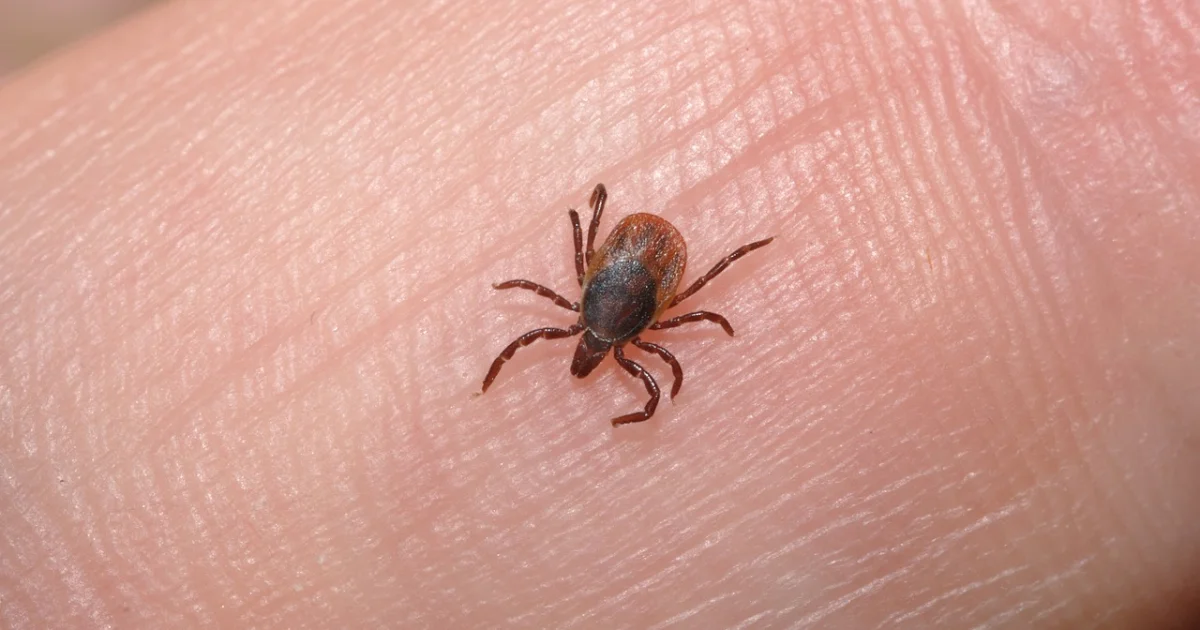
- Diagnosis is Key: Don’t assume you’re dealing with lice until you’ve confirmed it. Use a fine-toothed lice comb (a good quality one is worth the investment – look for one with closely spaced teeth) to meticulously comb through your child’s hair, starting at the scalp and working your way to the ends. Look for live lice or nits (lice eggs) – nits are small, oval-shaped objects firmly attached to the hair shaft, usually close to the scalp. If you’re unsure, take a picture and consult a pediatrician or lice specialist.
- The Wet Combing Method: This is the cornerstone of any successful lice treatment. After shampooing your child’s hair, thoroughly wet it with water. Apply a generous amount of a natural lice repellent – essential oils like tea tree, lavender, or eucalyptus are popular choices (always do a patch test first to check for allergies). Then, using the lice comb, comb through the hair in small sections, starting at the scalp and moving towards the ends. Wipe the comb on a damp paper towel after each stroke to remove the lice and nits. This process can take 20-30 minutes, so be patient.
- Nit Removal: Nits are incredibly difficult to remove completely, but it’s crucial to get as many as possible. The wet combing method will remove many of the nits, but you may need to manually remove the rest with a fine-pointed tweezer. Be gentle to avoid damaging the hair or irritating the scalp.
- Repeat, Repeat, Repeat: Lice treatments aren’t a one-time fix. You need to repeat the wet combing process every 2-3 days for at least two weeks to ensure you’ve eradicated all the lice and nits. This is the most important step – consistency is key.
- Laundry and Household Cleaning: Wash all bedding, clothing, and towels that your child has used in the past 24 hours in hot water and dry on high heat. Vacuum carpets, rugs, and upholstered furniture. You can also spray these surfaces with a solution of water and tea tree oil (10-15 drops per cup of water).
Beyond the Comb: Natural Remedies and Proven Products
While wet combing is the most effective method, several natural remedies can provide additional support. Joanna Shu’s Cartwheel Nit Happens treatment uses a blend of essential oils and plant extracts that are both effective and gentle on the scalp. Other popular options include:
- Olive Oil: Applying olive oil to the hair and scalp can suffocate the lice and make it easier to remove nits.
- Coconut Oil: Similar to olive oil, coconut oil can help loosen nits and provide a slippery surface for the comb.
- Peppermint Oil: Peppermint oil has a strong scent that can repel lice. Dilute it with a carrier oil (like coconut oil) before applying it to the scalp.
- Tea Tree Oil: As mentioned above, tea tree oil is a powerful natural insecticide.
It’s important to note that the effectiveness of these remedies can vary, and it’s always best to consult with a healthcare professional before using them, especially on young children. When choosing a commercial lice treatment, look for products that are specifically formulated for lice and that have been tested for safety and efficacy.
Humor as a Healing Agent: Reframing the Experience
As the Virginia family demonstrated with their lice funeral, a little bit of humor can go a long way in coping with a stressful situation. Dealing with lice can feel incredibly overwhelming, and it’s easy to get caught up in the anxiety and shame. But approaching the situation with a sense of perspective and a willingness to laugh can help you regain control and reduce your stress levels.
You may also enjoy reading: 11 Thoughtful Mother's Day Gift Ideas to Impress Mom This 2026.
I’ve found that turning the experience into a lighthearted challenge can be surprisingly effective. Instead of viewing it as a personal failure, I started to see it as a small hurdle to overcome. And, let’s be honest, the image of my son dramatically clutching a tiny, deceased louse while wearing a miniature top hat was pretty hilarious. It captured a moment every parent understands: doing something unconventional to make your kids laugh or get over a big fear.
Don’t feel like you have to be a comedian to embrace humor. Simply acknowledging the absurdity of the situation and finding a way to laugh about it can help you cope with the stress and anxiety. After all, lice are just bugs – they’re not going to ruin your life.
Moving Forward: Building a Community of Support
Dealing with lice can feel isolating, but you’re not alone. Many parents have gone through the same experience, and there’s a wealth of information and support available. Online forums and communities dedicated to lice treatment can provide a valuable source of advice, encouragement, and connection. Sharing your experiences with other parents can help you feel less alone and more confident in your ability to handle the situation.
Joanna Shu’s mission at Cartwheel is to build a community around normalizing the experience of lice. “They don’t want to feel judged when normal kid things happen,” she says. “They want honesty, humor, and community.” And that’s a sentiment that resonates deeply. Remember, lice are a common childhood ailment—they happen. Don’t let them define your parenting experience.
Conclusion: A Calm Approach to a Common Challenge
Treating lice doesn’t have to be a stressful, shame-filled ordeal. By understanding the root of the panic, dispelling the myths, and adopting a consistent, natural approach, you can successfully eradicate the infestation without losing your mind. Remember, lice are just bugs, and you’re a capable parent. Embrace the humor, seek support, and focus on providing a calm and reassuring environment for your child. And, if all else fails, maybe just have a little funeral for the little guys – it might just make the whole experience a little bit lighter.