Navigating the Beautiful Chaos: A Deep Dive into Living With Kids
The photos arrived, a carefully curated collection of our family home, each shot radiating warmth and light. But nestled amongst the stunning interiors, a simple question lingered: “Did I erase too much of my kids in those photos?” It’s a common feeling, isn’t it? The pressure to present a picture-perfect life, often at the expense of capturing the messy, glorious reality of raising a family. As someone who runs an indie clothing pattern company and is constantly striving for a certain aesthetic, I understand that impulse. However, I realized that truly capturing the essence of family life isn’t about flawless images; it’s about embracing the beautiful chaos, the fingerprints on the furniture, and the sticky-fingered adventures that define our days. This isn’t a guide to a perfectly polished home; it’s a reflection on how we’ve learned to thrive within the delightfully unpredictable landscape of living with Carla, Craig, Evelyn, Wren, and Cali.
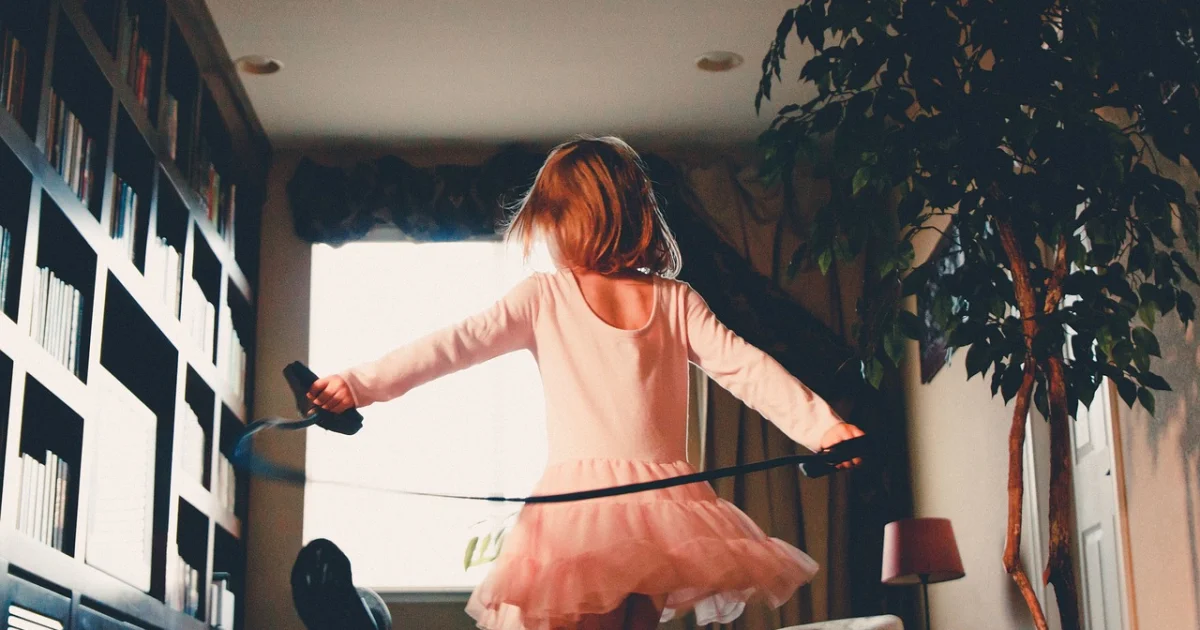
Living with kids isn’t a passive experience. It’s a constant negotiation, a delicate dance between creating a safe and nurturing environment while simultaneously allowing for exploration, growth, and, let’s be honest, a healthy dose of mayhem. It’s a shift in perspective, a recalibration of priorities, and, for many, a complete overhaul of their lifestyle. Craig, my husband, embodies this perfectly. He’s a vital part of our family – a dedicated employee at a manufacturing company specializing in industrial vibrators (a surprisingly fascinating field, I assure you!), a passionate Cleveland Browns supporter, and a master puzzle solver with a penchant for trying foods that would make most people recoil. He’s a reminder that amidst the whirlwind of childcare, there’s always room for a little bit of grown-up joy and intellectual stimulation. We’ve also learned that a little bit of competition can be a great thing, competing to see who can finish a puzzle first, or who can find the most unusual ingredient in a recipe. And of course, there’s Evelyn, our energetic six-year-old, constantly absorbing knowledge and dreaming of ice skating, swimming, and crafting elaborate imaginary worlds. Then there’s Wren, our three-year-old, a budding puzzle enthusiast and an enthusiastic advocate for gymnastic lessons. And completing our family is Cali, our beloved chocolate lab mix, rescued from San Francisco and forever the queen of the household. This dynamic – a blend of professional pursuits, childhood passions, and unwavering family love – is the bedrock of our daily life, and it informs every design choice we make in our home.
Our move to Shaker Heights, a suburb of Cleveland steeped in history, was a pivotal moment. We’d spent our childhoods there, and returning felt like coming home in a way that went beyond nostalgia. Our previous residence, a traditional brick Colonial, had frustrated us. It lacked the casual, family-friendly spaces we craved – a central gathering spot where everyone could comfortably connect. This house, built in 1959, offered a different opportunity, a chance to create a home that truly reflected our values and catered to our children’s needs. It was a bit of a fixer-upper, which was precisely what we were looking for. The lack of significant renovations allowed us to get the kids settled without the disruption of constant construction, and it gave us the freedom to imprint our own style and personality onto the space.
The renovation process itself was a learning curve, a testament to the fact that even the most meticulously planned projects can quickly veer off course. Gutting the master bath was a particularly challenging task, requiring us to embrace the unexpected and accept that things wouldn’t always go according to plan. Refinishing the floors throughout the first floor added another layer of complexity, demanding patience and a healthy dose of elbow grease. But the most memorable moment, the discovery that truly transformed the house, was uncovering the original terrazzo flooring in our TV room. Craig, ever the advocate for preserving history, convinced me to keep it, a decision that added a unique and unexpected element to the space. It’s a beautiful swirl of color and texture, a tangible link to the house’s past, and a constant reminder of the importance of honoring the stories embedded within our home. Finding it was like uncovering a hidden treasure, a secret delight that instantly elevated the room’s character.
7 Bedroom Decor Ideas for Small Spaces – Designed for Little Feet and Big Adventures
Living with kids often means operating with limited square footage. The concept of “spare room” becomes a distant memory, and every inch of space needs to be thoughtfully utilized. It’s not about creating a minimalist haven; it’s about maximizing functionality and designing a space that’s both comfortable and inspiring for a family of five. Here are seven bedroom decor ideas specifically tailored for small spaces, incorporating elements that cater to the needs of growing children and the demands of family life:
- Multi-Functional Furniture is Key: Forget bulky, standalone pieces. Invest in furniture that serves multiple purposes. A storage bed with drawers underneath is a game-changer, providing valuable storage space for toys, clothes, and bedding. Consider a desk that can easily convert into a play table, or a bench with built-in storage for shoes and backpacks. We opted for a daybed with trundle storage, which has been invaluable in accommodating Evelyn and Wren’s growing collections of stuffed animals and art supplies. The goal is to minimize clutter and create a sense of spaciousness.
- Vertical Storage Solutions: When floor space is at a premium, look upwards. Install shelves that extend to the ceiling, utilizing every vertical inch for storage. Floating shelves are a great option, as they don’t take up any floor space and can be easily customized to accommodate various items. We’ve incorporated a wall-mounted bookshelf in Evelyn and Wren’s room, which houses their books, crafts, and toys. It’s a visually appealing storage solution that also adds a touch of personality to the room.
- Light and Bright Color Palette: Dark colors can make a small room feel even smaller, so opt for a light and bright color palette. White, cream, and pale pastels create a sense of openness and airiness. Adding pops of color through accessories and artwork can inject personality without overwhelming the space. We chose a soft, calming shade of blue for Evelyn and Wren’s room, which creates a serene and inviting atmosphere.
- Mirrors, Mirrors, Everywhere: Mirrors are a classic trick for making a small room feel larger. Strategically placed mirrors can reflect light and create the illusion of more space. A large mirror on one wall can dramatically open up the room. We placed a full-length mirror in the hallway leading to the bedrooms, which not only serves as a practical dressing area but also visually expands the space.
- Area Rugs to Define Zones: Area rugs can help to define different zones within a small room. For example, you could use a rug to create a cozy reading nook or a play area. Choose a rug that’s appropriately sized for the space and that complements the room’s color scheme. A patterned rug can add visual interest and personality.
- Wall-Mounted Lighting: Floor lamps and table lamps can take up valuable floor space, so opt for wall-mounted lighting instead. Wall sconces provide ambient lighting, while wall-mounted reading lamps offer task lighting for reading or homework. We installed a series of wall sconces in the hallway, which provides both functional lighting and a decorative element.
- Declutter Regularly: This is arguably the most important tip of all. Kids accumulate stuff at an alarming rate. Establish a regular decluttering routine to keep the room organized and prevent it from becoming overwhelmed. Involve the children in the process, teaching them the importance of letting go of items they no longer need. A clear space is a calm space – and a much more enjoyable place to live.
5 Design Inspiration Sources That Will Transform Your Kid’s Room
Creating a child’s bedroom that’s both functional and inspiring is a delicate balancing act. You want a space that’s comfortable, safe, and conducive to learning and play, but you also don’t want it to feel cluttered or overwhelming. Fortunately, there’s a wealth of inspiration available online and in print. Here are five design sources that have consistently provided me with ideas for creating beautiful and engaging spaces for my children:
- Pinterest: Pinterest is a treasure trove of design inspiration. Start a board dedicated to your child’s room and pin images that you love. Don’t just pin individual items; pin entire rooms to get a sense of the overall look and feel. I find Pinterest particularly helpful for discovering DIY projects and creative storage solutions. The platform also allows you to create mood boards, helping you visualize your design ideas.
- Instagram: Follow interior designers, home decor bloggers, and parenting influencers on Instagram for daily doses of inspiration. Instagram is a great way to see how other people are decorating their homes and to discover new trends. Keep an eye out for accounts that specialize in kids’ rooms – you’ll be amazed at the creativity and innovation on display.
- West Elm: West Elm’s website and stores are a go-to resource for stylish and affordable furniture and decor. They have a dedicated section for kids’ rooms that features a wide range of options, from playful bedding and colorful rugs to practical storage solutions. Their emphasis on sustainable materials and ethical production practices aligns with my values as a business owner.
- Anthropologie: Anthropologie’s bohemian-inspired aesthetic is perfect for creating a whimsical and inviting children’s room. They offer a beautiful selection of rugs, bedding, and artwork that add a touch of personality and charm. Their commitment to unique and handcrafted items is something I deeply admire.
- Houzz: Houzz is a great resource for finding professional interior designers and browsing projects for inspiration. You can search for “kids’ bedroom” and filter your results by style, budget, and location. Houzz also offers a wealth of articles and guides on interior design topics.
The Importance of Creating a Dedicated Creative Space for Kids – Cultivating Curiosity and Imagination
In a world increasingly dominated by screens and structured activities, it’s crucial to provide children with opportunities to explore their creativity and imagination. A dedicated creative space – whether it’s a corner of a room or a whole room – can be a powerful catalyst for fostering these essential skills. This isn’t just about providing a place to draw; it’s about cultivating a mindset of curiosity, experimentation, and joyful self-expression.
The key is to create a space that feels safe, inviting, and free from judgment. It shouldn’t be overly organized or cluttered – a little bit of mess is actually beneficial, as it encourages experimentation and allows children to freely explore their ideas. We’ve designated a corner of Evelyn and Wren’s room as their “creative zone,” equipped with a small table, a rug, and a selection of art supplies – crayons, markers, paints, construction paper, and modeling clay. It’s a space where they can let their imaginations run wild, without worrying about making mistakes. I often find them lost in their own worlds, creating elaborate stories and characters with their art supplies. The act of creating, regardless of the outcome, is incredibly valuable for their development.
Here are some tips for creating a successful creative space:
You may also enjoy reading: 5 Shocking Moments That Made Us Wonder: Did We Lose the Plot at BookCon 2026?.
- Start Small: You don’t need a huge amount of space to create a creative zone. A small corner of a room can be just as effective as a whole room.
- Provide a Variety of Materials: Offer a range of art supplies, from traditional materials like crayons and markers to more unusual items like beads, feathers, and fabric scraps.
- Embrace the Mess: Don’t be afraid to let the space get a little messy. A little bit of mess is actually beneficial, as it encourages experimentation and allows children to freely explore their ideas.
- Display Their Artwork: Hang their artwork on the walls or display it on shelves to show them that you appreciate their creativity.
- Encourage Experimentation: Let them experiment with different materials and techniques, without worrying about making mistakes. The goal is to foster a love of creativity, not to produce perfect artwork.
Beyond the tangible materials, the atmosphere of the creative space is also important. It should feel relaxed and inviting, a place where children feel comfortable taking risks and expressing themselves freely. We’ve made a conscious effort to create a space that feels playful and encouraging, a place where our children can let their imaginations soar. It’s a simple investment that’s yielded incredible returns – a deeper connection with our children and a greater appreciation for the power of creativity.
Balancing Work and Family Life: The Unexpected Joys of a Creative Business – And a Whole Lot of Laundry
Running an indie clothing pattern company, Clever Charlotte, alongside the demands of raising three young children is a constant juggling act—a chaotic symphony of sewing machines, spilled glitter, bedtime stories, and mountains of laundry. It’s not always glamorous, and there are certainly days when I feel overwhelmed, but it’s also incredibly rewarding. The unexpected joys of this life – the little moments of connection, the bursts of creativity, and the pride in creating something beautiful and useful – far outweigh the challenges.
Craig, of course, plays an invaluable role in this balancing act. He’s my rock, my confidante, and my biggest cheerleader. He works for a manufacturing company selling vibrators (yes, really!), a job that provides financial stability and allows him to indulge his passion for Cleveland Browns football and puzzling. He’s also a surprisingly adept helper in the sewing room, often assisting with cutting fabric or organizing supplies. His unexpected proficiency at puzzles is a welcome distraction when I’m stuck on a particularly tricky pattern. And his willingness to try unusual foods – he recently sampled a fermented herring, much to my amusement – keeps things interesting.
Here are some strategies I’ve learned for navigating the complexities of balancing work and family life:
- Schedule Dedicated Work Time: Even if it’s just for an hour or two each day, carving out dedicated work time is essential. Protecting this time is crucial, and it often requires negotiating with the kids and setting clear boundaries.
- Embrace Imperfection: Let go of the pressure to be perfect, both in your work and in your parenting. There will be days when the laundry piles up, the sewing machine malfunctions, and the kids have tantrums. That’s okay. It’s all part of the process.
- Delegate Tasks: Don’t try to do everything yourself. Delegate tasks to your partner, to the kids (age-appropriate chores, of course), or to hired help if you can afford it.
- Prioritize Self-Care: It’s easy to get caught up in the demands of work and family, but it’s important to prioritize self-care. Even a few minutes of quiet time each day can make a big difference.
- Celebrate Small Wins: Acknowledge and celebrate your accomplishments, both big and small. Finished a sewing pattern? Cleaned the kitchen? Helped your child with their homework? Take a moment to appreciate your efforts.
And, let’s be honest, there’s a lot of laundry. Seriously, a lot. But even amidst the chaos, I wouldn’t trade this life for anything. The love, the laughter, and the shared experiences with my family are what truly matter. And knowing that I’m creating something beautiful and useful – a clothing pattern that empowers women to embrace their creativity – is a deeply satisfying feeling. It’s a messy, imperfect, and utterly wonderful life, and I wouldn’t have it any other way. Plus, Craig keeps me laughing with his stories of the Cleveland Browns and his unusual food experiments.